
Master EA FC 26’s most powerful formations with tactical insights and player role optimization strategies
Introduction to EA FC 26 Formations
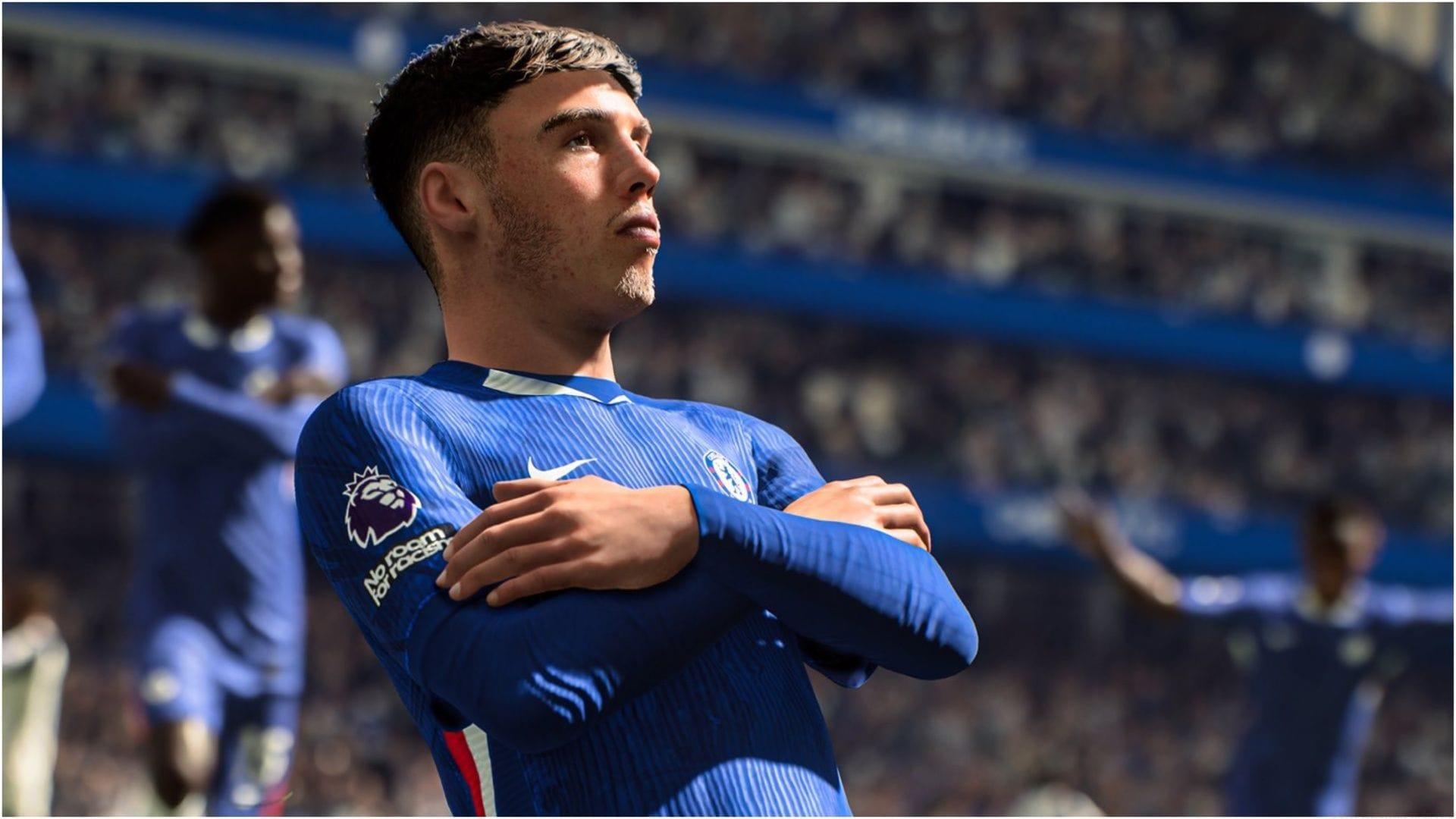
EA FC 26 has launched globally, bringing the newest chapter in this iconic football simulation series that delivers an exceptionally well-balanced and enjoyable gaming experience. The enhanced attacking mechanics provide unprecedented fluidity, while defensive controls demand greater manual precision, creating an environment where tactical knowledge becomes the ultimate competitive advantage.
Successful players understand that formation selection goes beyond simply choosing popular setups—it requires analyzing team composition, playstyle preferences, and opponent tendencies. The most effective formations in EA FC 26 capitalize on the improved passing responsiveness and enhanced player intelligence under the FC IQ system.
The Classic 4-4-2: Balanced Dominance
The 4-4-2 setup represents a footballing institution that dominated real-world tactics for decades. Though its virtual effectiveness diminished in recent editions, EA FC 26 has resurrected this formation to competitive prominence, making it a favorite among professional esports competitors.
Strategic role assignment proves crucial for 4-4-2 success. One striker operates as an advanced forward applying constant pressure on opposing defenses, while their partner adopts the False 9 role, dropping deeper to facilitate build-up play and create numerical advantages in midfield. Both wide midfielders function as Inside Forwards, cutting inward to support attacks while maintaining defensive discipline.
The central midfield partnership requires careful balancing—one player assumes Box-to-Box responsibilities covering both penalty areas, while their counterpart specializes as a Holding midfielder providing defensive stability. Fullback roles follow a complementary approach: the left-back focuses on defensive duties as a traditional Fullback, while the right-back adopts a Wingback role offering width and crossing opportunities.
Pro Tip: Successful 4-4-2 implementation demands midfielders with high stamina and well-rounded attributes. The Box-to-Box player should possess 85+ stamina, while the Holding midfielder needs 80+ defensive awareness and strength to shield the backline effectively.
4-2-1-3: The Counter-Attacking Powerhouse
The 4-2-1-3 configuration established itself as unquestionably dominant throughout EA FC 25, maintaining its formidable effectiveness in the current edition. This formation excels at rapid transitions, featuring two wingers and a central striker constantly positioned to exploit counter-attacking opportunities.
A creative attacking midfielder serves as the tactical linchpin, connecting midfield and attack while both defensive midfielders provide crucial protection for the defensive line. Under the sophisticated FC IQ system, this setup demonstrates remarkably few vulnerabilities when properly implemented.
The forward line follows specialized roles: the striker operates as an Advanced Forward, while both wingers adopt roaming Inside Forward instructions, allowing them to drift centrally and create overloads. The central attacking midfielder functions as a balanced Playmaker dictating offensive tempo.
Both defensive midfielders operate as Deep-Lying Playmakers with Build-Up focus, contributing to possession phases while maintaining defensive shape. The fullbacks assume conservative Fullback roles, prioritizing defensive solidity over attacking contributions.
Avoid This Mistake: Don’t set your defensive midfielders to ‘Stay Back While Attacking’ if they have Build-Up focus—this creates conflicting instructions that reduce their effectiveness in transition phases.
4-4-1-1: The Build-Up Controller
The 4-4-1-1 formation provides the ideal tactical compromise between the directness of 4-4-2 and the defensive security of 4-2-1-3 in EA FC 26. While lacking the outright aggression of the former or the defensive impregnability of the latter, it offers superior build-up control through its central attacking midfielder presence.
The wide midfielders contribute defensively unlike traditional wingers in the 4-2-1-3, creating a more balanced defensive structure. This makes the formation particularly effective against opponents who heavily utilize wide attacking areas.
The striker maintains the Advanced Forward role as standard, while the attacking midfielder operates as a Roaming Playmaker with freedom to find pockets of space. Wide midfielders adopt Inside Forward roles with differentiated instructions—one focuses on balanced contributions while the other emphasizes attacking output.
Both central midfielders perform as Deep Lying Playmakers, facilitating possession circulation and build-up phases. The left-back concentrates on defensive responsibilities as a traditional Fullback, while the right-back enjoys greater freedom in the Wingback role.
Advanced Strategy: Use the ‘Hug Touchline’ instruction on your balanced wide midfielder to create width when your Roaming Playmaker drifts inside, maintaining offensive balance and preventing defensive congestion.
4-2-3-1(2): Methodical Precision
Commonly referred to as 4-2-3-1 wide within EA FC 26, this formation shares significant similarities with the 4-2-1-3 structure while introducing crucial tactical distinctions, particularly in build-up methodology. Where the 4-2-1-3 emphasizes rapid counter-attacks, the 4-2-3-1(2) favors deliberate, methodical offensive construction.
The wide midfielders provide enhanced defensive support compared to traditional wingers, arguably creating the game’s most balanced formation for players who prefer controlled possession and strategic progression.
The central striker operates as an Advanced Forward, with both wide midfielders adopting attacking Inside Forward roles. The attacking midfielder performs as a roaming Playmaker tasked with generating scoring opportunities through creative passing and movement.
The defensive midfield partnership follows specialized roles: one acts as a Deep-Lying Playmaker with Build-Up emphasis, while their partner focuses on defensive duties as a Holding midfielder. The left-back maintains defensive priorities as a Fullback, while the right-back advances forward as a Wingback.
Player Selection Tip: Your roaming Playmaker should have minimum 85 vision and short passing, while the Build-Up focused defensive midfielder needs 80+ long passing and ball control to effectively switch play during methodical attacks.
4-1-2-1-2(2): The Narrow Revival
Known alternatively as 4-1-2-1-2 narrow, this formation previously dominated the competitive landscape from FIFA 17 through FIFA 20. The increased emphasis on wide attacking play diminished its popularity in recent iterations, but enhanced passing responsiveness has restored its competitive viability in EA FC 26.
Both strikers operate as Advanced Forwards applying constant pressure to opposing defenses, while the attacking midfielder functions as a balanced Playmaker connecting the midfield and attack. The central midfield features specialized roles: one player adopts Box-to-Box responsibilities, while their partner operates as a Deep-Lying Playmaker with Build-Up focus.
The defensive midfielder concentrates on Holding responsibilities, providing essential protection for the backline. However, the most critical positions in this EA FC 26 formation are undoubtedly the fullbacks, who must contribute significantly to both offensive and defensive phases.
Both fullbacks operate as balanced Wingbacks requiring exceptional physical and technical attributes—high pace, dribbling capability, passing accuracy, and stamina become non-negotiable for effective implementation. These players essentially function as auxiliary wingers while maintaining defensive awareness.
Common Mistake: Avoid using traditional defensive fullbacks in the Wingback roles—their lack of offensive contribution will cripple your attacking options and make the formation predictable and easy to defend against.
Advanced Tactical Considerations
Beyond formation selection, several advanced considerations separate competent players from truly dominant competitors in EA FC 26. Understanding player chemistry, custom tactics, and in-match adjustments proves equally important as choosing the right formation.
Player Selection Strategy: Always prioritize players whose attributes align with their designated roles. Box-to-Box midfielders need minimum 80+ stamina and all-around stats, while Holding midfielders require 80+ defensive awareness and strength. Wingbacks must have 85+ pace and stamina with 80+ dribbling and crossing.
Custom Tactics Configuration:
• Defensive Style: Balanced or Pressure on Heavy Touch
• Defensive Width: 45-55 depending on formation
• Defensive Depth: 55-65 for high press, 35-45 for counter-attacking
• Offensive Build-Up: Balanced or Fast Build-Up
• Chance Creation: Direct Passing or Forward Runs
• Offensive Width: 45-60 based on formation structure
• Players in Box: 5-7 depending on attacking preference
Common Formation Mistakes:
• Using wrong player types for specialized roles
• Ignoring chemistry styles that enhance key attributes
• Failing to adjust tactics based on match situation
• Overcommitting fullbacks in defensively vulnerable formations
• Using contradictory player instructions that limit effectiveness
Pro-Level Optimization: Master at least two different formations to adapt to various opponents and match situations. Develop complementary custom tactics for each formation and practice switching between them mid-game to disrupt opponent strategies.
No reproduction without permission:Tsp Game Club » 5 best formations in EA FC 26 Master EA FC 26's most powerful formations with tactical insights and player role optimization strategies