
TL;DR
- Stalker 2 offers intense survival mechanics with psychological horror elements in a radioactive exclusion zone
- Wasteland 3 provides classic CRPG gameplay with deep tactical combat and meaningful choices
- Metro Exodus combines linear storytelling with open-world exploration in a haunting post-apocalyptic Russia
- The Outer Worlds delivers Fallout-style satire in space with refined combat and character progression
- Starfield expands Bethesda’s formula to space exploration with massive scale and customization
For nearly three decades, the Fallout series has defined post-apocalyptic role-playing games with its unique blend of dark humor, retro-futuristic aesthetics, and deep RPG systems. While nothing truly replicates the specific charm of exploring nuclear wastelands, several outstanding titles capture similar thematic elements and gameplay mechanics that will satisfy any Fallout enthusiast.
These carefully selected alternatives each bring distinctive approaches to survival, storytelling, and world-building. From hardcore survival simulations to space-faring corporate satires, each game offers compelling reasons to venture beyond the familiar radioactive landscapes.
Understanding what makes each title special helps you choose the perfect experience based on your preferred gameplay style and narrative preferences.
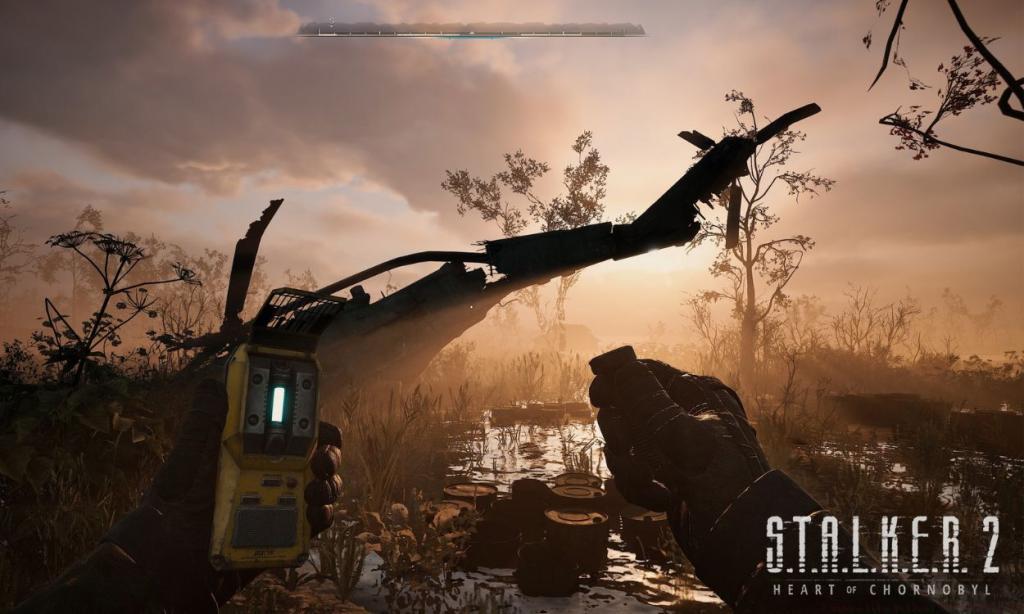
Often described as Fallout’s more demanding cousin, the Stalker franchise prioritizes authentic survival mechanics and environmental immersion over traditional RPG structures. Stalker 2: Heart of Chornobyl continues this tradition with enhanced visuals and deeper gameplay systems.
The game transports players back to the treacherous Exclusion Zone, where supernatural artifacts and mutated creatures create constant threats. Unlike Fallout’s occasional moments of levity, the atmosphere remains relentlessly tense, frequently crossing into psychological horror territory. Random encounters with hostile scavengers and grotesque monstrosities in decaying facilities keep tension consistently high.
Fallout veterans will recognize the familiar appeal of exploring hazardous environments where human presence is minimal. However, prepare for significantly more rigorous survival demands, including meticulous radiation management and resource conservation that requires strategic planning.
Pro Tip: Master the artifact detection mechanics early – these valuable items provide crucial buffs but require careful approach strategies to avoid lethal environmental hazards.
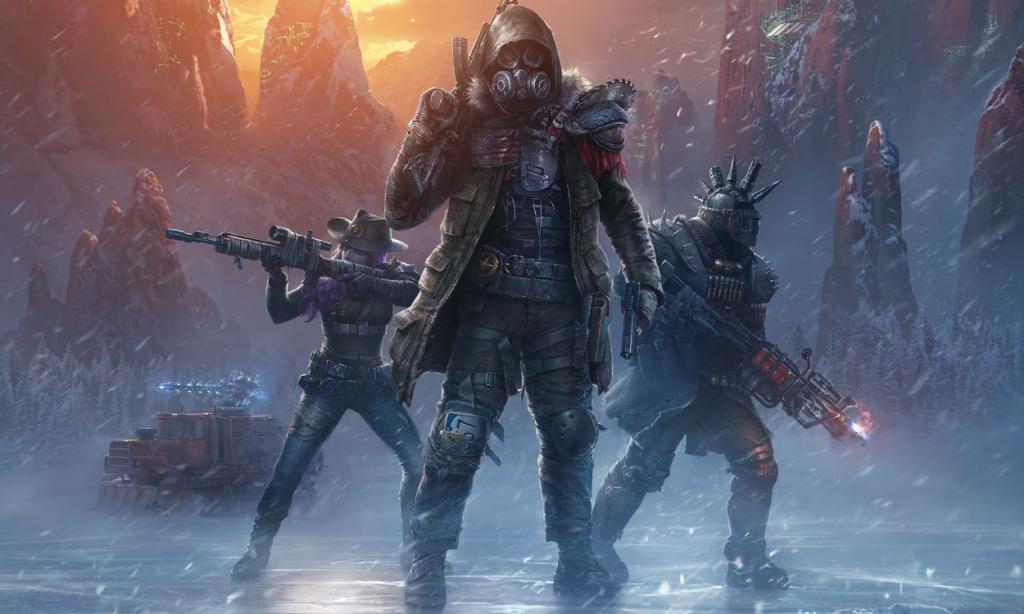
Players who appreciate the original isometric Fallout titles will find familiar ground in the Wasteland series. The connection runs deeper than surface similarities – the first Fallout game was explicitly designed as a spiritual successor to the 1988 Wasteland by Interplay developers.
This lineage continues strongly with Wasteland 3, developed by a studio founded by former Fallout team members including executive producer Brian Fargo. The game preserves the core CRPG elements that defined early Fallout while incorporating modern quality-of-life improvements.
While sharing many Fallout characteristics, Wasteland 3 maintains its classic computer role-playing game foundations rather than adopting Bethesda’s first-person action RPG approach. The tactical combat system emphasizes positioning and ability combinations, while the narrative delivers meaningful choices with lasting consequences.
Common Mistake: Don’t neglect your party composition – balancing combat specialists with skill experts ensures you can handle diverse challenges throughout the Colorado wasteland.
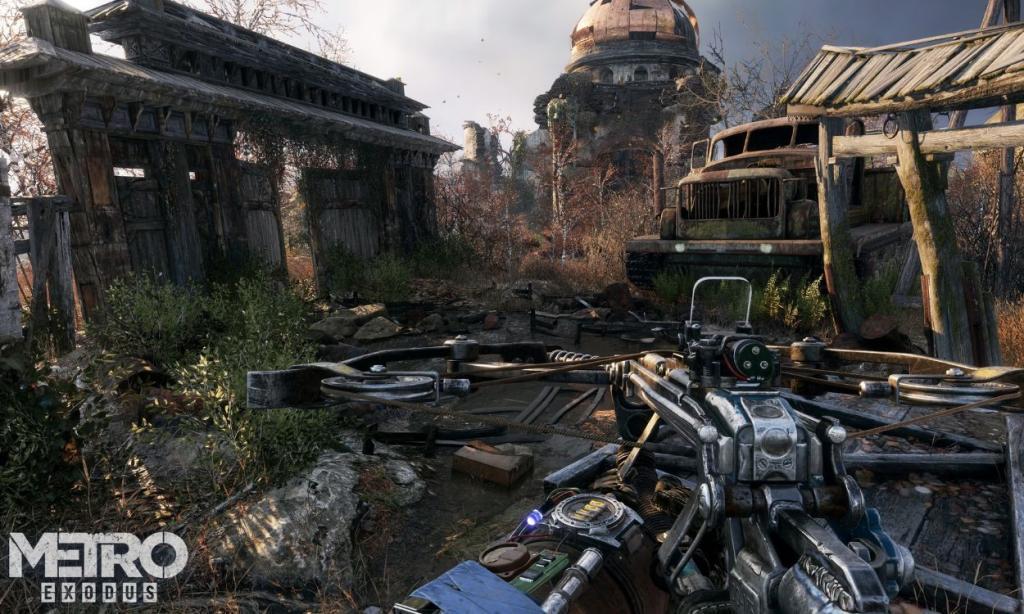
Blending linear narrative excellence with expansive environmental exploration, Metro Exodus creates one of the most immersive post-apocalyptic experiences available. Based on Dmitry Glukhovsky’s novels, the game expands beyond the Moscow metro tunnels into diverse Russian landscapes.
The gameplay masterfully balances survival horror elements with first-person shooting mechanics. Resource scarcity forces careful decision-making, while the day-night cycle and weather systems dynamically affect gameplay opportunities and threats.
Unlike Fallout’s open-ended approach, Metro Exodus guides players through a carefully crafted story while providing substantial freedom within each environment. The weapon customization system allows for extensive modifications using scavenged components, creating personalized combat solutions.
Optimization Tip: Regularly clean your weapons at workbenches – maintained firearms perform more reliably and suffer fewer jams during critical encounters.
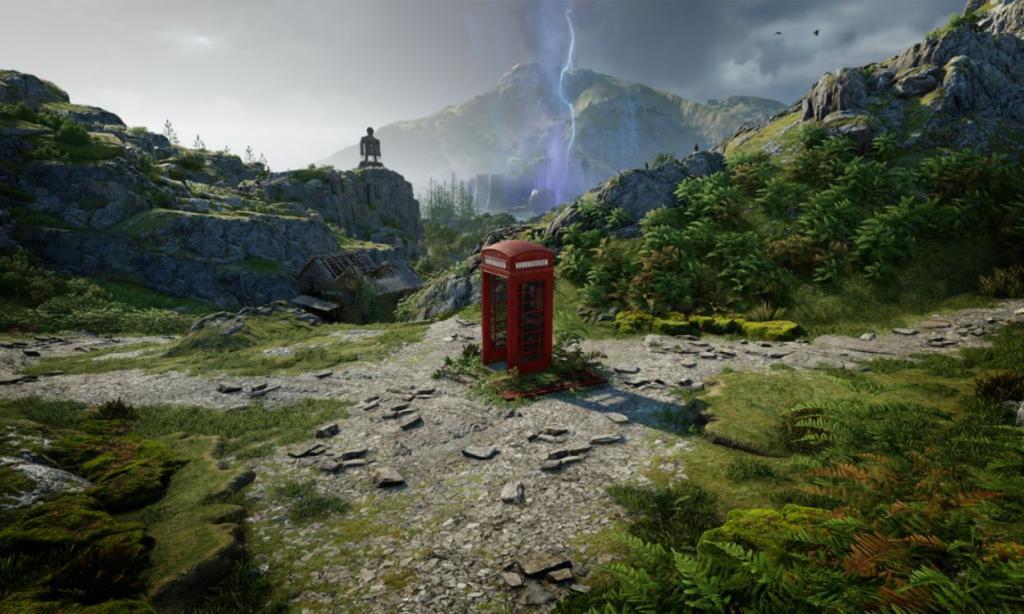
Set in an alternate-history Britain following a nuclear disaster, Atomfall offers a distinctly European perspective on post-apocalyptic survival. Developed by Rebellion, known for the Sniper Elite series, the game combines survival mechanics with investigative elements.
The gameplay emphasizes exploration and environmental interaction rather than combat-focused progression. Players investigate mysterious occurrences while navigating hazards in the English countryside, creating a more mystery-oriented approach to the genre.
While sharing Fallout’s nuclear devastation theme, Atomfall focuses more on uncovering truths through exploration and puzzle-solving than through traditional RPG dialogue trees.
Strategy Insight: Thoroughly explore every location – many essential story clues and valuable resources are hidden in easily overlooked environmental details.
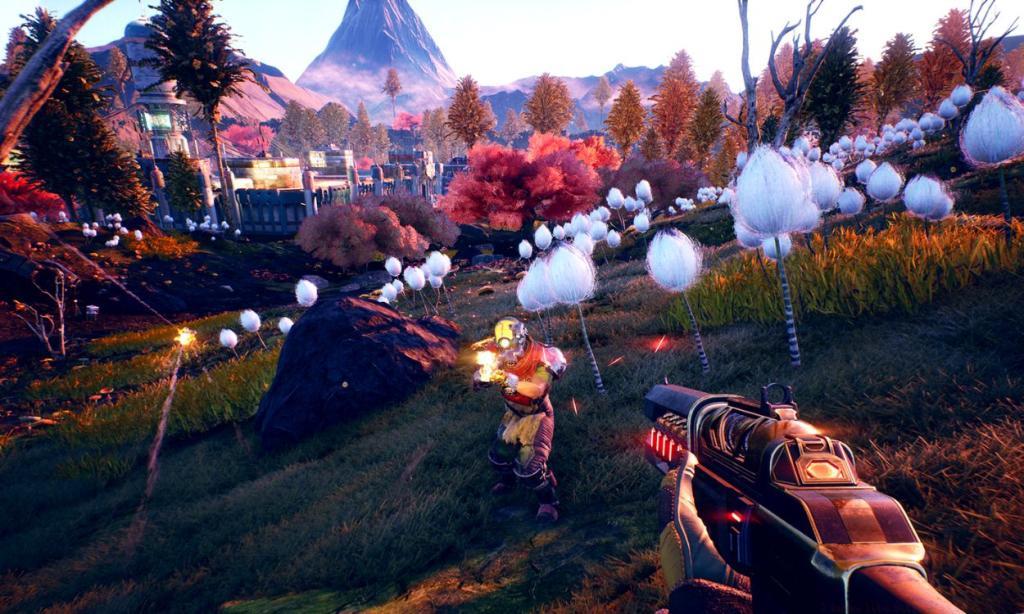
From Obsidian Entertainment, developers of Fallout: New Vegas, The Outer Worlds transports Fallout’s signature satire to the far reaches of space. The game critiques corporate culture through dark humor and exaggerated capitalism scenarios.
Character development follows familiar RPG patterns with skill trees and perk systems, while combat offers satisfying first-person action with tactical time dilation elements.
The narrative structure provides substantial player agency, with decisions significantly impacting faction relationships and story outcomes. Companion characters feature personal questlines that deepen both narrative engagement and gameplay options.
Advanced Technique: Utilize tactical time dilation strategically during combat – it not only slows time but also reveals enemy vulnerabilities and stat information.
For players looking to master complex game systems, our Class Guide provides detailed breakdowns of specialization options.

As Bethesda’s first new universe in decades, Starfield applies the studio’s signature open-world RPG formula to space exploration. The game features massive scale with numerous planets to explore, each with unique environments and resources.
RPG mechanics include deep character customization, skill progression systems, and meaningful dialogue choices that affect narrative direction. The settlement building mechanics expand upon Fallout 4’s systems with greater depth and customization options.
Space combat and ship customization provide additional gameplay layers beyond traditional RPG elements. The modular ship design allows players to create vessels tailored to their exploration style and combat preferences.
Progression Tip: Balance main story advancement with side exploration – many crucial gameplay mechanics and resources become available through planetary side quests.
For comprehensive gameplay guidance, check our Complete Guide for detailed strategies.
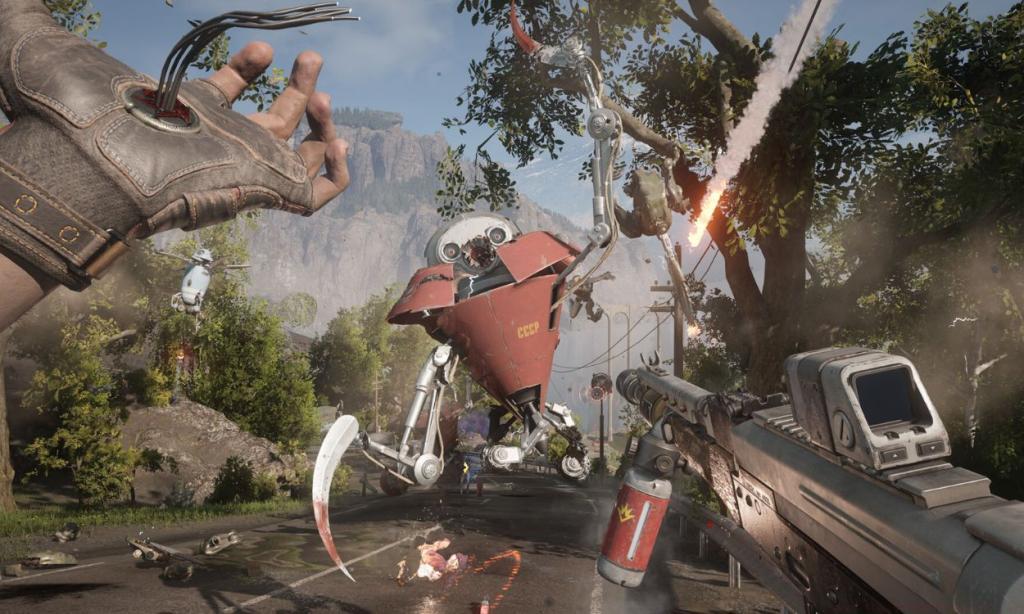
Set in an alternate 1950s Soviet Union where technology has advanced dramatically, Atomic Heart blends first-person shooting with horror elements and environmental puzzles. The game’s unique setting provides a fresh aesthetic distinct from typical post-apocalyptic environments.
Combat features a combination of traditional firearms and experimental energy weapons, with a glove-based ability system providing tactical options.
The narrative explores themes of technological utopia gone wrong, with players uncovering the truth behind a massive robotics facility’s malfunction.
Unlike Fallout’s VATS system, Atomic Heart employs a skill-based combat approach that rewards precision and strategic ability usage. Enemy designs combine mechanical and organic elements, requiring adaptive combat approaches.
Combat Strategy: Master the glove abilities early – they provide crucial crowd control and tactical advantages against the game’s diverse robotic threats.
For weapon enthusiasts, our Weapons Unlock guide offers detailed progression paths.
Action Checklist
- Assess your preferred gameplay style: survival horror, tactical RPG, or open-world exploration
- Research each game’s specific mechanics and difficulty level before committing
- Start with 2-3 hour sessions to acclimate to each game’s unique systems
- Master core survival mechanics (radiation, hunger, crafting) before advancing
- Experiment with different character builds to find your optimal playstyle
- Complete initial side quests to unlock essential gameplay features and resources
No reproduction without permission:Tsp Game Club » 7 Games like Fallout to Play in 2025 Discover 7 immersive post-apocalyptic RPG alternatives to Fallout with unique gameplay mechanics and survival challenges