
TL;DR
- GTA 6 must avoid restrictive pricing that alienates the core player base
- Mission design needs modern open-world flexibility with multiple approach options
- Excessive realism should not compromise the franchise’s signature fast-paced action
- Single-player content deserves equal development priority alongside online features
- Future technology elements must complement rather than overwhelm GTA’s established identity
Rockstar’s history of groundbreaking releases has generated enormous anticipation for GTA 6, leading to extensive community discussions about desired features. Player expectations span from reasonable additions like expanded building interiors to more ambitious concepts such as complex economic systems. While wishlist items vary widely, consensus emerges strongly around elements fans hope to avoid. This analysis examines the most significant concerns voiced by the community and explains why steering clear of these pitfalls is crucial for GTA 6’s success.

Industry pricing trends show increasing pressure on premium game costs, with some titles approaching the $100 threshold. For GTA 6, balancing development investment against player accessibility presents a critical challenge. Historical data indicates that games exceeding certain price points experience significant player resistance, particularly in markets with varying economic conditions. The franchise’s global appeal necessitates pricing strategies that don’t exclude substantial portions of its audience.
Common pricing mistakes include failing to justify premium costs with corresponding value and ignoring regional economic disparities. Successful alternatives include tiered pricing models, special edition bundles, and delayed digital discounts that maintain initial revenue while expanding long-term accessibility.
The Grand Theft Auto series has consistently balanced contemporary settings with satirical elements, creating a distinctive identity that resonates with players. Introducing excessive futuristic technology risks undermining the franchise’s established tone and gameplay foundations. While innovation remains essential, maintaining the delicate balance between advancement and consistency represents a key development consideration.
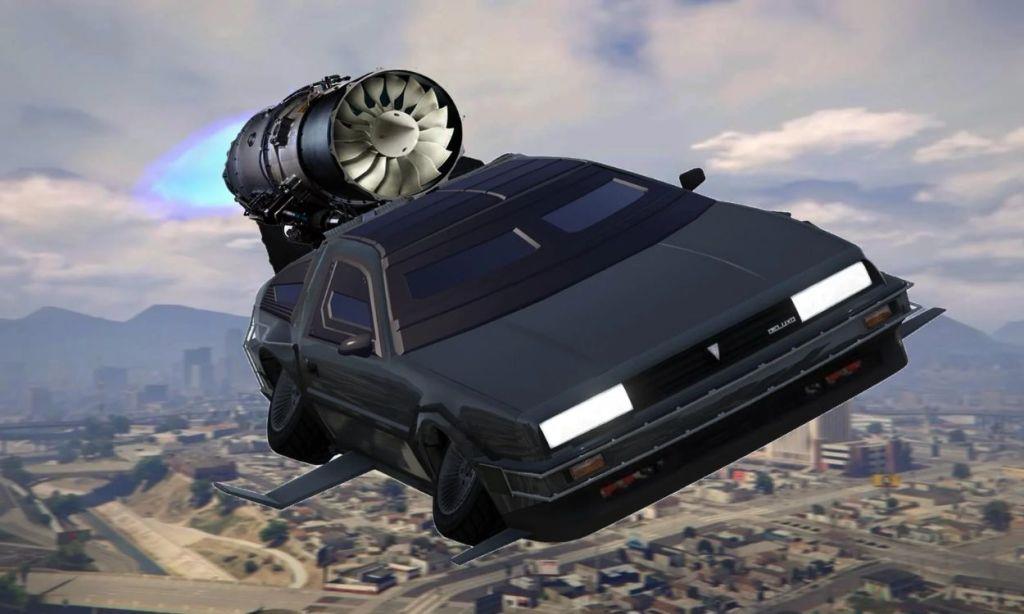
GTA Online’s gradual introduction of advanced technology and weaponry demonstrates both the appeal and risks of futurism. Vehicles like flying cars and futuristic weapons initially provide novelty but can disrupt game balance and thematic coherence over time. Player feedback consistently emphasizes preference for the franchise’s grounded, albeit exaggerated, portrayal of contemporary criminal underworlds.
Strategic technology integration should enhance rather than replace core gameplay mechanics. Successful implementation involves introducing futuristic elements as optional content rather than mandatory components, preserving the experience for players who prefer the traditional GTA formula while offering variety for those seeking innovation.
Rockstar’s mission structure has faced ongoing critique for its linear progression and limited player choice. Grand Theft Auto V maintained this established pattern, with most objectives following the familiar sequence: travel to location, interact with character, proceed to destination, complete task. This formulaic approach persists primarily due to exceptional writing quality and memorable set pieces.
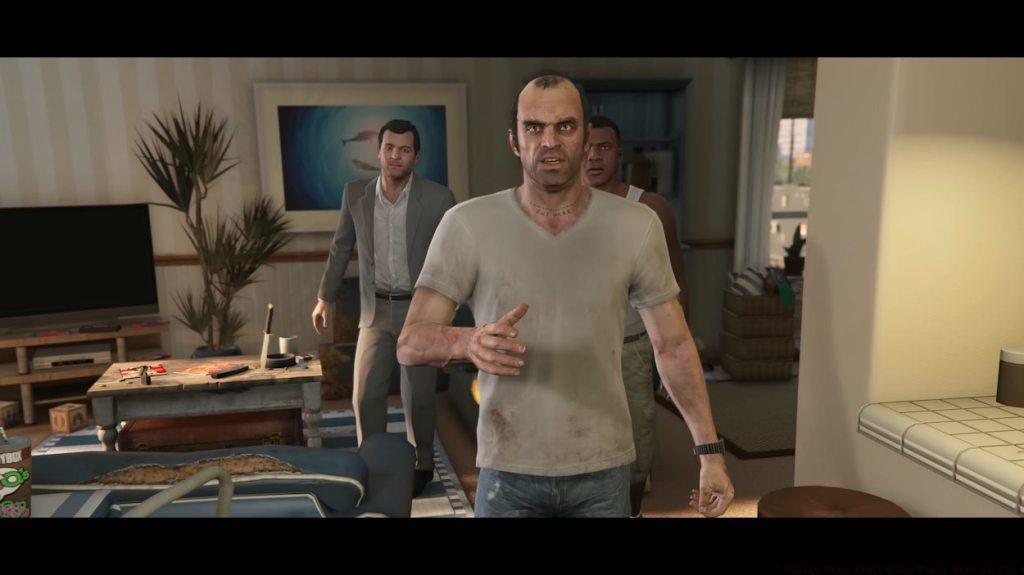
Open-world gaming has evolved dramatically since 2013, with titles like Cyberpunk 2077 demonstrating how player agency and thrilling narrative sequences can coexist. GTA 6 must embrace contemporary design standards through missions that offer multiple completion paths and strategic approaches.
Modern mission design should incorporate stealth mechanics as viable alternatives to direct confrontation in appropriate scenarios. Additionally, diplomatic resolution options that allow players to negotiate rather than resort immediately to violence would represent meaningful progression. These enhancements should complement rather than replace the franchise’s signature high-energy action sequences that consistently deliver adrenaline-fueled excitement.
Advanced mission design techniques include environmental interaction systems, dynamic NPC behavior patterns, and consequence-based outcomes that reflect player choices. Implementation should maintain the pacing and intensity that defines the GTA experience while providing genuine decision-making impact.
Grand Theft Auto titles have historically achieved an effective equilibrium between realistic elements and exaggerated features that deliver pure entertainment value. This balance notably shifted in Rockstar’s most recent western epic, Red Dead Redemption 2, which prioritized authenticity sometimes at the expense of gameplay fluidity.

Despite its numerous achievements, the western masterpiece occasionally overindulged in realism implementation. High-stakes robberies and intense gunfights were interspersed with detailed animations of Arthur Morgan meticulously searching through furniture containers—sometimes merely to locate a single food item.
While appreciating attention to detail, many players found that elaborate animation sequences disrupted gameplay momentum. Multiple instances throughout the game demonstrated how excessive realism could detract from the overall experience, fueling community hope that similar design choices won’t permeate GTA 6.
Optimal realism integration focuses on elements that enhance immersion without compromising responsive controls or pacing. Successful implementation includes contextual animations that don’t interrupt flow, realistic mechanics that serve gameplay purposes, and detailed environments that reward exploration without mandating tedious interaction.
Learning that Steve Ogg (the voice behind Trevor Philips) confirmed development of a “James Bond Trevor” DLC that was eventually abandoned proved deeply disappointing for many fans. The missed opportunity to experience Trevor’s interpretation of secret agent tropes resulted from the overwhelming commercial success of GTA Online.

This represents just one example of content that should have enhanced GTA 5’s offline experience. Regrettably, single-player content received significantly reduced attention while Rockstar concentrated on producing Online updates that encouraged Shark Card purchases.
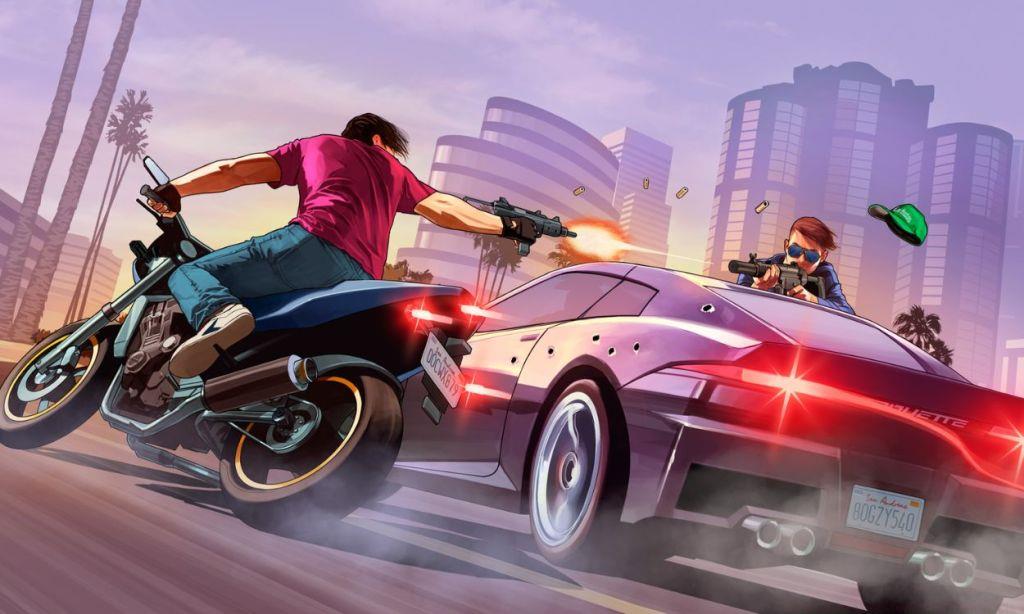
The cancellation of planned single-player expansions highlights the tension between dedicated narrative content and ongoing live service development. For GTA 6, maintaining parallel development tracks for both offline and online experiences would better serve the diverse player base that values both modes.
Strategic content planning should allocate resources to both single-player narrative development and online feature expansion. This balanced approach preserves the franchise’s storytelling legacy while continuing to evolve its multiplayer components, similar to approaches seen in other successful franchises.
Action Checklist
- Implement tiered mission design with multiple completion paths and player agency
- Conduct regional pricing analysis to optimize global accessibility
- Establish balanced development teams for simultaneous single-player and online content creation
- Create technology integration framework that preserves core identity while allowing optional futurism
- Develop animation systems that enhance immersion without disrupting gameplay pacing
No reproduction without permission:Tsp Game Club » 7 Things Fans Absolutely Don’t Want in GTA 6 7 critical pitfalls Rockstar must avoid in GTA 6 to deliver the ultimate open-world experience