
TL;DR
- The game draws inspiration from the 2023 Colombian Amazon plane crash where four children survived 40 days using indigenous skills
- Survival mechanics and structure are heavily influenced by The Forest game’s plane crash premise and crafting systems
- Players assume rescuer roles rather than survivor roles, creating unique gameplay dynamics
- Supernatural elements like the deer monster originate from the game’s fictional research facility lore
- Strategic resource management and night survival techniques are crucial for advanced gameplay success
As someone who transitioned from classic survival horror titles to modern Roblox experiences, I initially approached 99 Nights in the Forest’s ‘based on a true story’ claim with healthy skepticism. Unlike typical horror game marketing tactics, this particular assertion felt different—grounded in something tangible that warranted deeper investigation. This comprehensive analysis will unpack the factual foundations and gaming influences that shape this compelling survival experience.
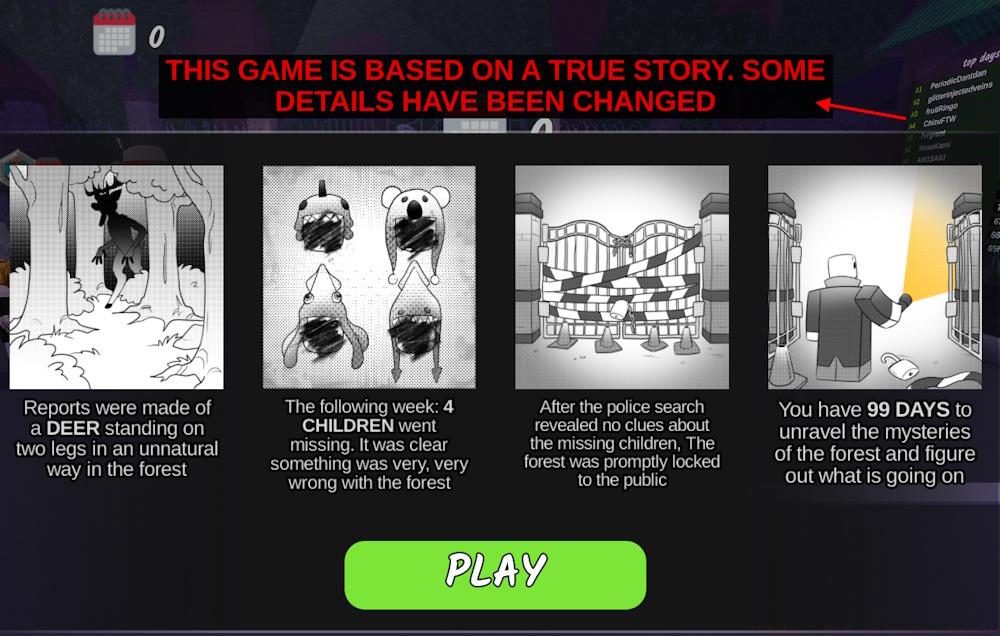
The developers maintained deliberate ambiguity about their inspiration sources, fueling extensive community speculation. Each game session reinforces the premise through an introductory notification stating the experience draws from real events with modified details. This strategic vagueness transformed players into investigative communities, collectively piecing together the puzzle through gameplay analysis and real-world research.
In May 2023, a small aircraft crashed deep within the Colombian Amazon rainforest, triggering Operation Hope—a massive military rescue operation. While all adult passengers perished in the impact, four children aged 13, 9, 4, and 11 months miraculously survived, enduring 40 days in one of the world’s most hostile environments.
Thirteen-year-old Lesly demonstrated extraordinary survival capabilities, applying Huitoto indigenous knowledge to sustain her siblings. Their survival tactics—consuming wild seeds, native fruits, and salvaged cassava flour while constructing branch shelters and evading predators—directly inspired the game’s core mechanics. The children’s real-world ordeal demonstrates how traditional knowledge can mean the difference between life and death in extreme situations.
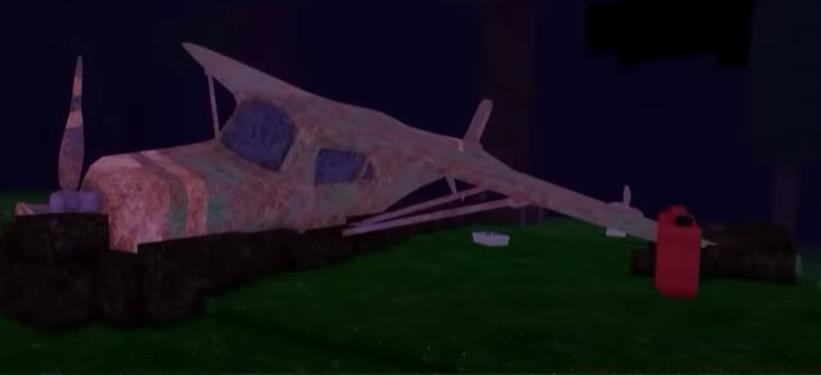
Game developers made a crucial narrative decision by casting players as rescuers rather than survivors. This perspective shift creates unique psychological tension, as you’re constantly searching for signs of life while managing your own survival needs. The crashed aircraft visible on the game map serves as both a landmark and constant reminder of the tragedy that unfolded.
While the Amazon crash provides the emotional core, The Forest video game delivers the structural framework. Both titles begin with aircraft disasters in wooded areas, immediately establishing survival priorities: shelter construction, resource gathering, and threat management. The similarities become immediately apparent to players familiar with either survival horror franchise.
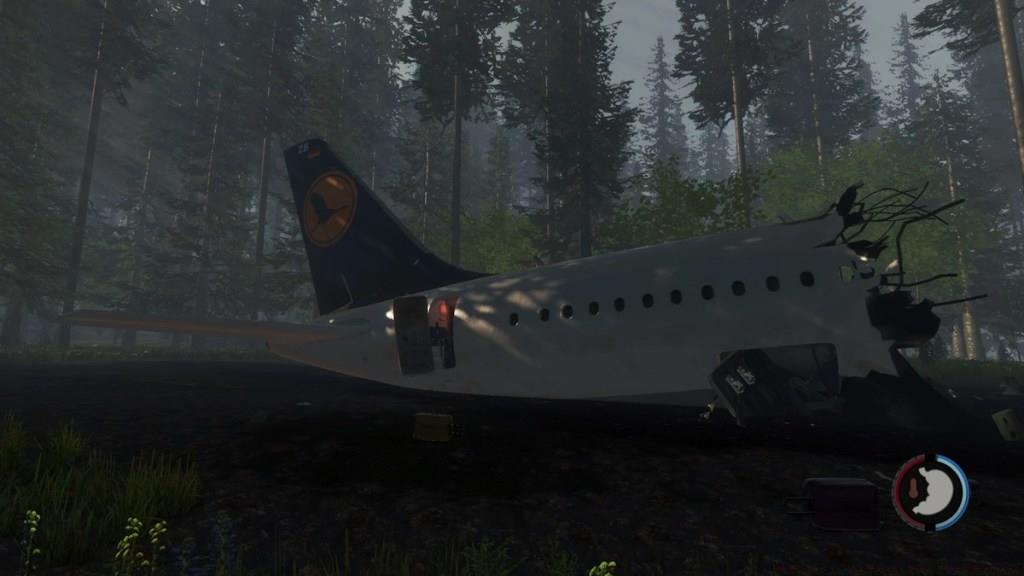
The Forest casts players as Eric LeBlanc, a father desperately searching for his son Timmy following their plane crash. The narrative gradually unveils disturbing mutant creatures and failed laboratory experiments, creating escalating tension. This gradual horror revelation technique heavily influenced 99 Nights’ pacing and threat introduction.
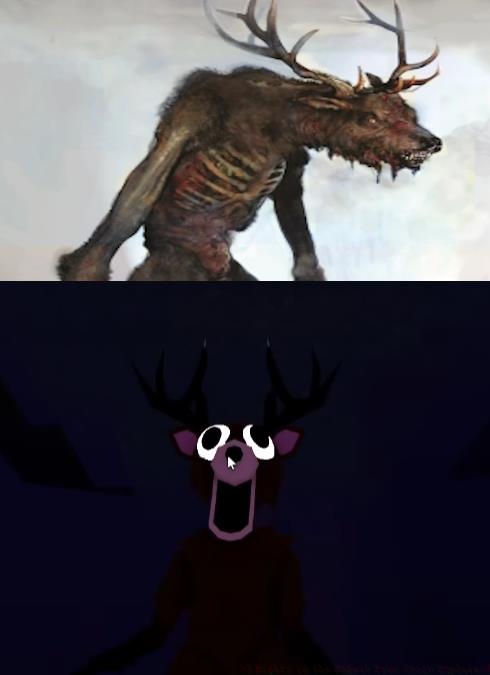
Where the games diverge significantly is in their antagonist design. While The Forest employs humanoid mutants, 99 Nights introduces a supernatural deer entity as its primary threat. Both titles share cooperative multiplayer functionality, allowing friends to face the horrors together, though 99 Nights streamlines the experience for Roblox’s broader audience.
Beyond the real-world inspirations, 99 Nights in the Forest establishes its own intricate mythology through environmental storytelling and collectible lore notes. The forest’s dark history as a clandestine research facility experimenting on animals provides scientific grounding for the supernatural elements.
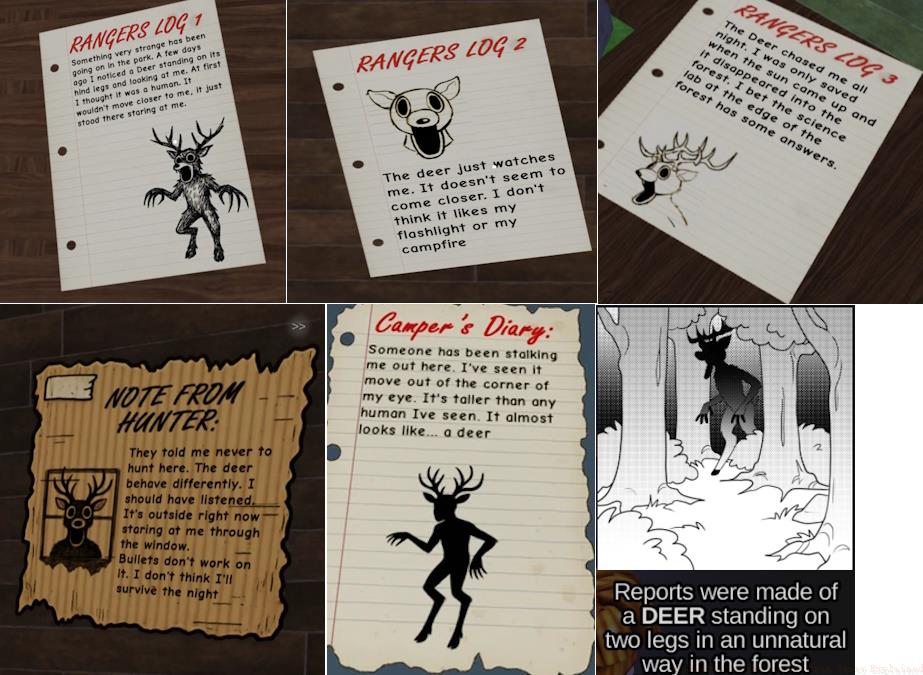
The mutant deer’s escape triggered violent transformations and cult formations, creating the dangerous ecosystem players navigate. This backstory explains the coexistence of natural predators, supernatural entities, and human worshippers within the game world.
Lore discovery serves dual purposes: providing narrative context while offering practical survival advantages. Understanding the forest’s history can reveal hidden resources, safe routes, and predator behavior patterns that significantly impact survival chances.
Mastering 99 Nights requires understanding both survival fundamentals and the game’s unique mechanics. Begin each session by immediately locating the crashed plane—this serves as both orientation point and potential resource cache. Prioritize building basic shelter before nightfall, as darkness dramatically increases threat levels and reduces visibility.
Resource Management Essentials: Always carry multiple light sources and maintain backup supplies. Food scarcity becomes critical around day 3-4, so establish sustainable foraging routes early. Advanced players should map predator patrol patterns during daylight to navigate safely at night.
Common Beginner Mistakes: Many players underestimate the importance of sound management—running attracts unwanted attention. Another frequent error involves hoarding resources instead of using them strategically when needed most.
Night Survival Protocol: When darkness falls, remain in your shelter unless absolutely necessary. If movement is required, move slowly and listen carefully for approaching threats. The deer entity becomes more aggressive as nights progress, requiring adapted strategies for later game stages.
99 Nights in the Forest successfully merges factual survival inspiration with established gaming conventions to create a uniquely compelling experience. The Amazon crash narrative provides emotional weight and realistic survival scenarios, while The Forest’s structural framework ensures polished gameplay mechanics.
This hybrid approach demonstrates how real-world events can enhance gaming narratives when handled respectfully. The game serves as both entertainment and subtle education about survival principles and indigenous knowledge systems.
Future content updates may explore additional real-world survival stories or expand the existing mythology. The current foundation provides ample room for narrative growth while maintaining connection to its inspirational roots.
Action Checklist
- Locate crashed plane immediately for orientation and resources
- Construct basic shelter before first nightfall using available branches
- Establish sustainable foraging routes for wild seeds and fruits
- Map predator patrol patterns during daylight hours for safer night navigation
- Study lore notes for hidden survival advantages and backstory context
- Practice sound management techniques to avoid attracting unwanted attention
No reproduction without permission:Tsp Game Club » 99 Nights in the Forest True Story Explained Uncovering the real survival story and gaming influences behind 99 Nights in the Forest's true story claims