
Insider perspective on creating nuanced villains and video game voice acting techniques
The Journey to Lord Saito
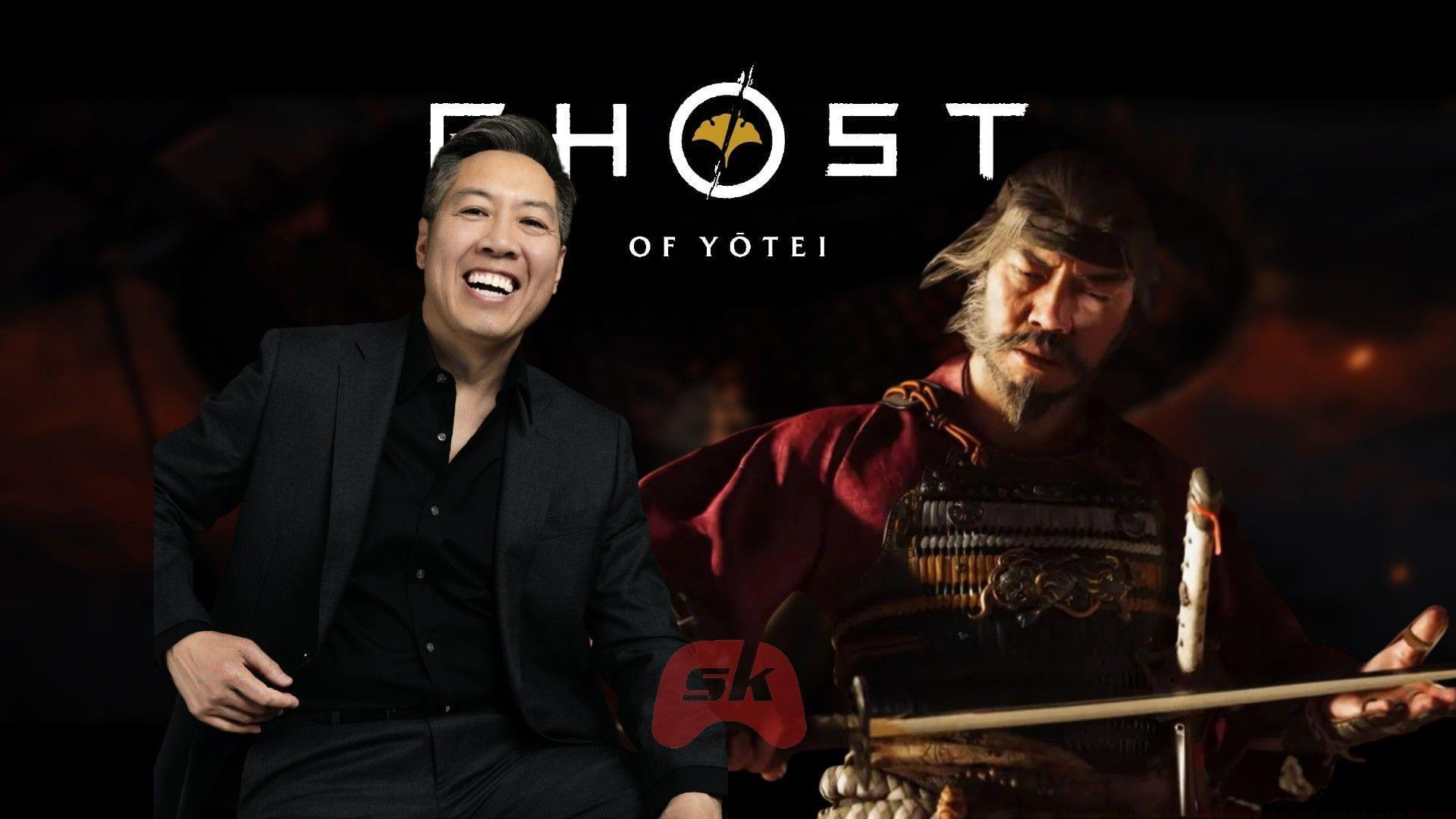
My conversation with Feodor Chin provided unique insights into the creative process behind Ghost of Yotei’s compelling antagonist. The development team deliberately crafted Lord Saito as more than a simple villain archetype, instead building a multidimensional character with genuine emotional depth and conflicting motivations.
The opportunity to join the Ghost of Yotei project emerged when Sucker Punch approached me about their sequel development. Nelson Lee, who portrays The Snake, humorously dubbed it “Ghost of TWOshima” during early production. I immediately committed to the project in any capacity required, having previously established strong working relationships with the exceptionally talented Sucker Punch team. My initial involvement spanned multiple production phases including casting assistance, providing voiceover scratch tracks, testing motion capture technology, and eventually auditioning for the pivotal role of Lord Saito himself.
While direct comparisons between Lord Adachi and Lord Saito remain challenging due to limited character information, I’ve discovered through my career that antagonist roles often provide the most creative freedom and enjoyment. The experience of embodying Lord Saito proved exceptionally rewarding from both artistic and technical perspectives.
Crafting a Nuanced Antagonist
Upon first reviewing the narrative structure, I immediately recognized parallels to Quentin Tarantino’s Kill Bill, which itself drew inspiration from classic samurai cinema and Lady Snowblood. This created a fascinating creative cycle where Ghost of Yotei completes the circle of cinematic influence. While I didn’t directly emulate David Carradine’s performance as Bill, I strongly believe that the most memorable antagonists display complex layers rather than simple villainy.
Similar to Bill’s dynamic with the Deadly Vipers, Lord Saito needed sufficient charisma and persuasive ability to maintain loyalty among the Yotei Six. These followers demonstrate unwavering dedication, prepared to engage in conflict and potentially sacrifice themselves for their leader’s cause. This required portraying a leader who inspires both fear and genuine devotion.
Collaborating with cinematics director Nate Fox and voice director Amanda Wyatt, we focused intensely on avoiding cartoonish villain tropes. Instead, we developed Saito as a complicated individual shaped by personal tragedy and difficult choices. Like all people, he carries emotional scars and has faced moments where darker impulses influenced his decisions. Despite this complexity, he remains a formidable and dangerous figure within the game’s narrative.
Performance Insight: Creating believable villains requires understanding their moral justification for actions players will perceive as evil. The most effective antagonists genuinely believe they’re making the right choices based on their experiences and worldview.
Key Performance Moments
Without venturing into spoiler territory, one particularly rewarding sequence involves young Atsu unintentionally guiding me to her family residence. This scene showcases the full spectrum of Saito’s complex personality. Players initially witness his charming and charismatic facade, followed by the revelation of his true nature coupled with the anguish and remorse he experiences regarding actions he considers necessary.
For a performer, navigating this emotional transformation provides an incredibly satisfying character arc. The journey from calculated charm to conflicted determination represents the type of layered storytelling that distinguishes exceptional narrative gaming experiences.
Scene Analysis Tip: Pay close attention to vocal tone shifts during pivotal story moments. The most skilled video game performances use subtle audio cues to signal character transitions that might not be visually apparent during gameplay sequences.
Gaming Experience and Personal Connection
When Ghost of Tsushima originally released during the pandemic lockdown period, it provided the perfect opportunity for immersive gaming sessions. For approximately a month, my wife humorously referred to herself as a “Tsushima widow” due to my deep engagement with the game world.
I thoroughly enjoyed experiencing Ghost of Tsushima and had portrayed so many characters that Lord Adachi’s fate had slipped my memory. Consequently, when my character suffered immolation and decapitation within the opening moments, my reaction was pure astonishment and appreciation for the narrative boldness. I completed the entire game while deliberately postponing the confrontation with Khotun Khan simply because I didn’t want the experience to conclude.
I eagerly anticipate playing Ghost of Yotei, though current circumstances create logistical challenges. I’m presently in New York performing in KYOTO at Lincoln Center Theater, while my PlayStation 5 remains in Los Angeles, delaying my journey to Ezo. Additionally, my wife and I welcomed our son last year, which may limit extended katawa-wielding sessions. Despite these constraints, I remain committed to experiencing the game based on everything I’ve observed during production.
Gaming Strategy: When approaching story-rich games like Ghost of Yotei, consider completing side content before main story missions to extend your engagement with the game world and characters.
Ensemble Cast Dynamics
Lord Saito certainly ranks among my top three career roles, with the overall experience potentially representing my favorite project to date. The Sucker Punch team fosters an exceptionally collaborative and supportive environment. The assembled cast represents absolute elite talent – every session proved enjoyable regardless of whether I was recording with colleagues in the booth or performing on the volume stage.
Erika Ishii demonstrates superstar potential with a career trajectory that will undoubtedly continue ascending. Noshir Dalal has achieved legendary status while remaining one of the most genuinely kind individuals you’ll encounter. Jeannie Bolet, already part of our Overwatch community, delivers such a powerful performance that she’ll evoke emotional responses from players. My colleagues The Dragon and The Spider, portrayed by David Sakurai and Robert Wu, contribute immensely to establishing Saito’s complexity. Nelson Lee balances hilarious personality with immense talent, creating an exceptionally creepy embodiment of The Snake. Lee Shorten, designated as the official “Ghost Daddy,” simply exemplifies excellence.
Casting Insight: The most effective ensemble casts feature performers with complementary strengths who can create believable character relationships through authentic interaction rather than individual performance alone.
Video Game Acting Techniques
The primary challenge in video game performance involves balancing heightened delivery with emotional authenticity. Regardless of medium, every performance must maintain connection to realistic human behavior to ensure audience relatability.
However, game performances differ significantly from film or television because players actively participate rather than passively observe. This interactive element necessitates a slightly elevated or activated performance quality since actors frequently motivate player actions.
Whether directing, commanding, or instructing players, performances require slight amplification to capture attention and encourage engagement from someone potentially relaxing on their couch. This delicate balance between authenticity and activation represents the core challenge of video game voice acting.
Industry Technique: Successful video game actors develop the ability to quickly switch between performance intensities depending on whether they’re recording cinematic sequences or reactive gameplay dialogue.
The Japanese voice actor for Lord Saito in Ghost of Yotei is Miou Tanaka.
No reproduction without permission:Tsp Game Club » “A complicated figure who has had his share of suffering and loss”: Feodor Chin on bringing Ghost of Yotei’s Lord Saito to life [Exclusive] Insider perspective on creating nuanced villains and video game voice acting techniques