
Complete guide to Olympus map changes in Apex Legends Season 27 with strategic insights and tactical advice
Olympus Overhaul Overview
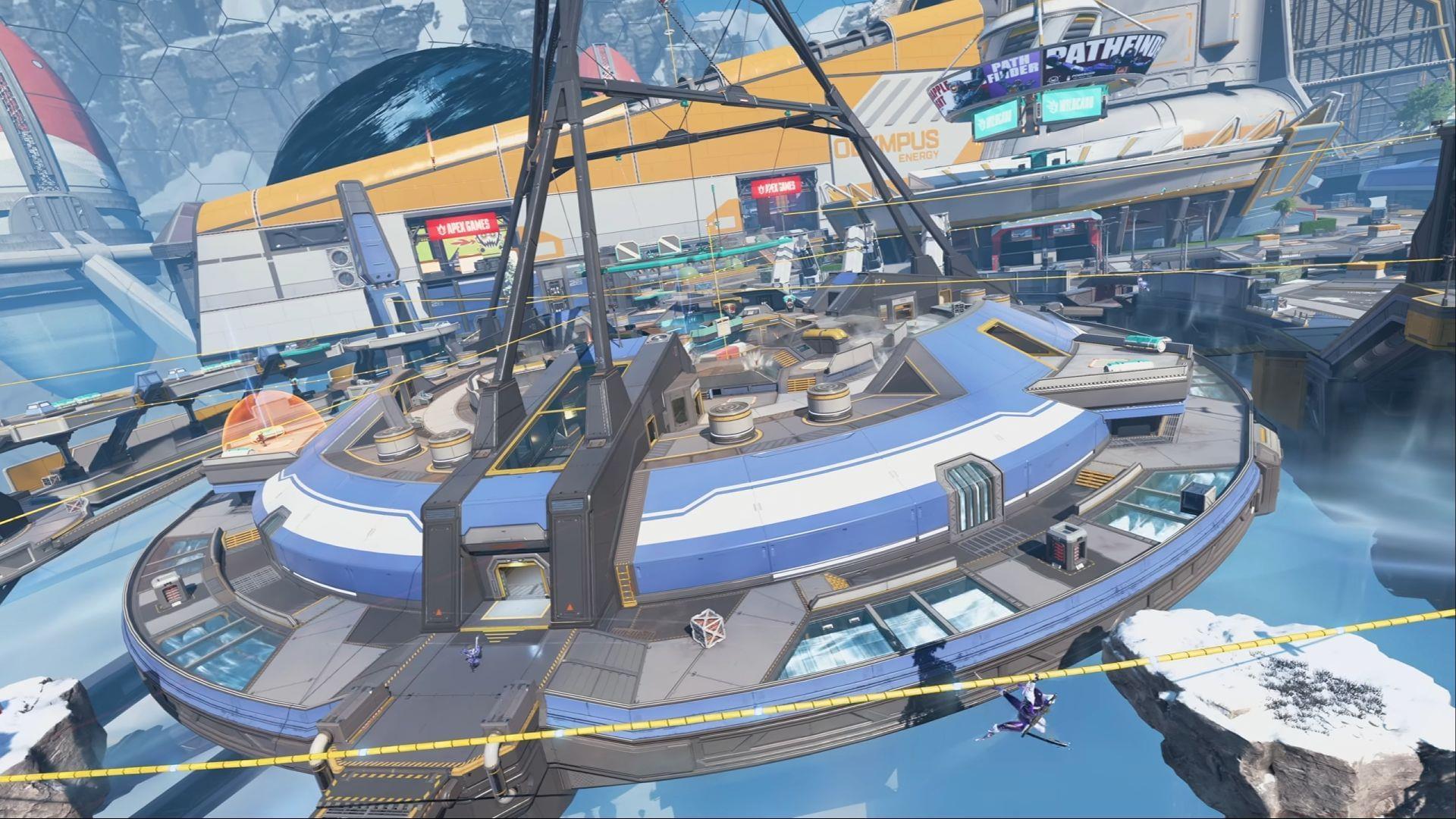
Olympus in Apex Legends Season 27 undergoes a comprehensive transformation that fundamentally alters gameplay dynamics across the entire battlefield. This fan-favorite map receives a much-needed Horizon-inspired makeover that addresses long-standing community concerns while introducing fresh strategic elements. The redesign focuses on two primary objectives: enhancing defensive positioning through additional cover structures and improving rotational flow between key areas.
Also read: All ranked changes in Apex Legends Season 27
Beyond cosmetic improvements, these structural modifications create new engagement opportunities while mitigating previous vulnerabilities. The development team has systematically analyzed choke points and open areas that previously disadvantaged players during rotations, implementing solutions that maintain the map’s signature verticality while adding tactical depth.
POI-Specific Transformations
These targeted alterations reshape combat encounters and rotation patterns throughout Olympus. Each Point of Interest receives customized improvements that address specific gameplay pain points while creating new strategic possibilities.
- Waterfall Region: Transformed terrain now features tactical tunnels providing cover and creating ambush routes against high-ground positions. This redesign eliminates previous rotation bottlenecks while offering counter-play options against teams holding elevated positions.
- Cover Integration: Additional defensive structures originally from Control mode have been strategically placed throughout the base map, providing emergency cover during firefights and reducing dependency on natural terrain.
- Mobility Enhancements: New Jump Towers positioned near key areas significantly improve rotation speed between POIs, while additional ziplines around high walls enhance accessibility to previously difficult-to-reach positions.
- Rift Mechanic Replacement: The problematic Rift vacuum mechanic has been completely replaced with Horizon Lift technology, eliminating accidental portal activations that previously cost players crucial positioning during engagements.
- Structural Changes: The Third Grow Tower removal and replacement with a building structure creates more predictable combat scenarios, while new camps between major POIs provide mid-rotation respite points.
- Loot Economy: Loot cooldown increased to 90 seconds from 45 seconds, requiring players to adopt more deliberate looting strategies and reducing repetitive camping behaviors.
Strategic Implications and Gameplay Impact
The Olympus redesign introduces significant meta shifts that will influence team strategies and individual playstyles. Understanding these implications separates adaptive players from those stuck in previous season habits.
Rotation Strategy Updates: The new east tunnel connection directly linking to Gravity Engine POI creates faster rotation options while reducing exposure to sniper fire. Teams should practice these new routes to minimize time spent in vulnerable open areas. The additional doors in central areas intentionally promote closer-quarters engagements, rewarding aggressive playstyles while punishing hesitant positioning.
Combat Zone Evolution: With more cover available in previously open spaces, engagement distances will naturally shorten. Shotgun and SMG loadouts gain value in these modified areas, while long-range weapon effectiveness decreases in specific zones. The new camp placements create natural third-party opportunities that teams must account for during extended fights.
Loot Distribution Psychology: The doubled loot cooldown timer transforms how teams approach resource gathering. Instead of repeatedly checking the same areas, squads must develop routing patterns that efficiently utilize multiple POIs while maintaining map pressure.
Advanced Player Optimization
Mastering the redesigned Olympus requires understanding nuanced changes beyond surface-level alterations. These advanced insights provide competitive edges for players seeking ranking improvements.
New Ambush Opportunities: The Waterfall tunnel system enables sophisticated flanking maneuvers against teams holding high ground. Coordinate with teammates to simultaneously pressure from multiple angles, using the tunnels for repositioning while allies provide covering fire. Time these attacks during ring closures when enemy teams are distracted by rotation pressure.
Rotation Timing Strategies: The new Jump Towers reduce rotational timing between POIs by approximately 30-45 seconds. Calculate these time savings when deciding when to abandon positions or commit to fights. Early game rotations become significantly safer, while mid-game positioning requires reassessing traditional timing patterns.
Common Mistakes to Avoid: Many players will initially underestimate sightlines from new camp positions—always assume these areas are occupied until cleared. The Horizon Lift mechanic has different audio cues than the previous Rift system; learn these distinctive sounds to avoid positional surprises. Avoid looting in newly added open areas without teammate coverage—the additional cover creates more ambush points for observant opponents.
Check out: What can we expect from Apex Legends Season 27?
This comprehensive analysis covers the transformative changes to Olympus in Apex Legends Season 27. For detailed technical specifications, consult the official patch notes. Continue following Sportskeeda for ongoing updates, advanced guides, and competitive insights.
No reproduction without permission:Tsp Game Club » All Olympus map changes in Apex Legends Season 27 Complete guide to Olympus map changes in Apex Legends Season 27 with strategic insights and tactical advice