
TL;DR
- Prioritize Mobility tree first – movement efficiency determines survival and looting speed
- Allocate 20 initial points strategically across stamina management and essential movement skills
- Balance skill investments between combat effectiveness and resource gathering capabilities
- Adapt your build for solo survival or team synergy based on preferred playstyle
- Regularly reassess and respec your build as you unlock advanced equipment and game knowledge
Mastering Arc Raiders’ progression system requires understanding how skill point allocation directly impacts your survival odds and combat effectiveness. With only 75 total points available across three distinct trees, every decision carries significant weight.
The strategic foundation you establish during early levels determines your mid-game flexibility and end-game specialization options. Unlike many looter-shooters where you can eventually unlock everything, Arc Raiders forces meaningful choices that shape your entire gameplay experience.
Your point allocation philosophy should balance immediate survival needs with long-term build viability. The most successful raiders understand that skill synergy often matters more than individual powerful abilities, creating combinations that enhance both mobility and combat efficiency.
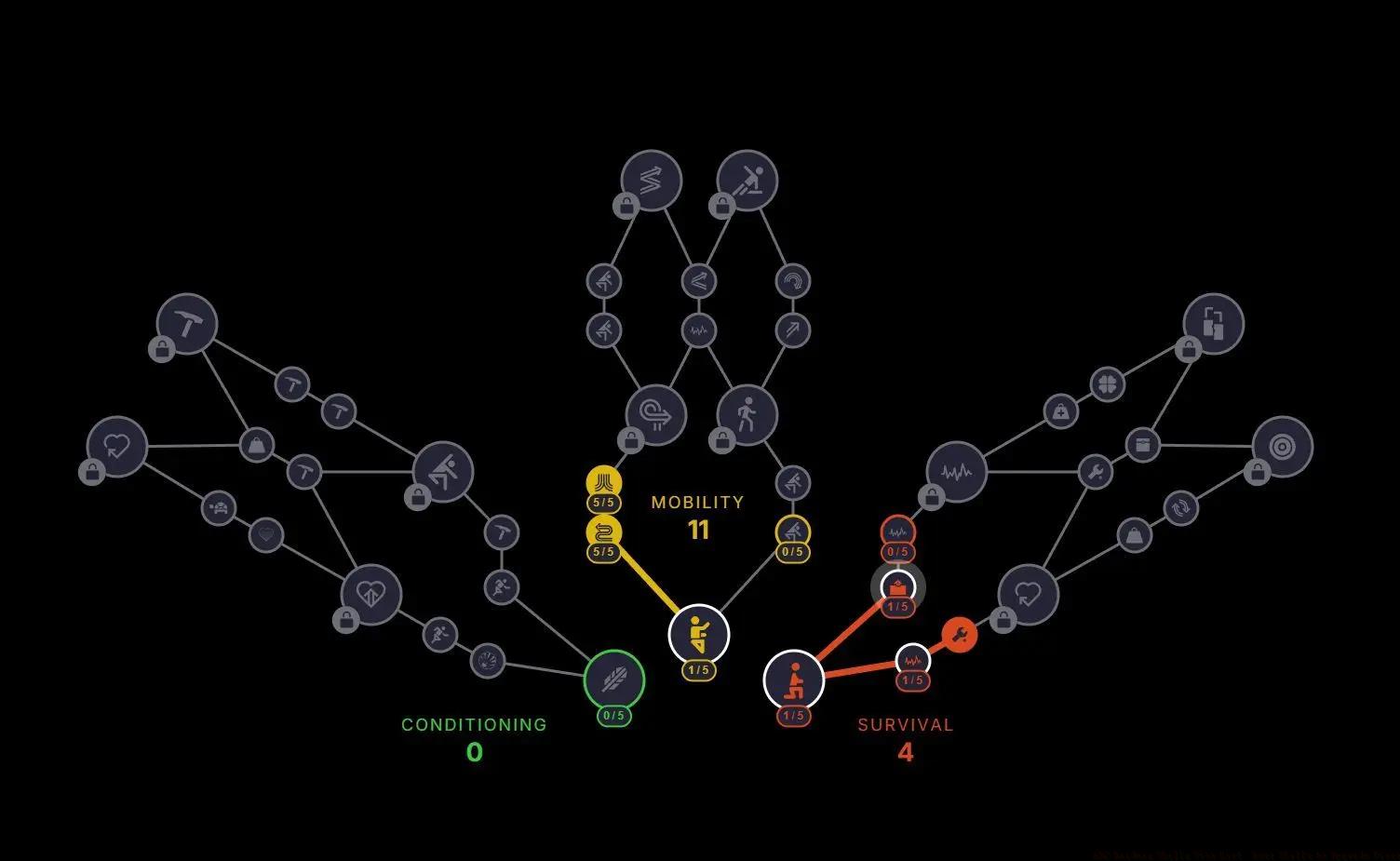
Movement capability forms the cornerstone of effective Arc Raiders gameplay. Before considering combat specialization or resource gathering, ensure you can navigate the battlefield efficiently and escape dangerous situations.
Marathon Runner deserves immediate investment as your primary stamina efficiency skill. Each point reduces movement stamina consumption by approximately 8%, creating exponential returns when combined with other mobility enhancements. Max this skill before reaching level 15 for optimal early-game mobility.
Youthful Lungs provides the stamina pool necessary for extended engagements and rapid repositioning. Consider this your endurance foundation – allocate 2-3 points early, then revisit after securing other essential movement abilities. The increased stamina directly translates to more aggressive positioning and safer extractions.
Slip and Slide revolutionizes your combat mobility with a single point investment. The enhanced slide distance enables rapid cover-to-cover movement and unexpected flanking routes. Advanced players utilize slide-canceling techniques to maintain momentum while minimizing exposure.
Once established in the mobility tree, Vaults on Vaults on Vaults becomes your verticality specialist. The zero stamina cost for vaulting transforms urban combat and allows rapid elevation changes without compromising your escape options.
Heroic Leap extends your evasive capabilities significantly. The increased Sprint Dodge Roll distance provides crucial inches that determine whether enemy fire connects or misses entirely. This skill shines brightest during player-versus-player encounters and boss mechanic avoidance.
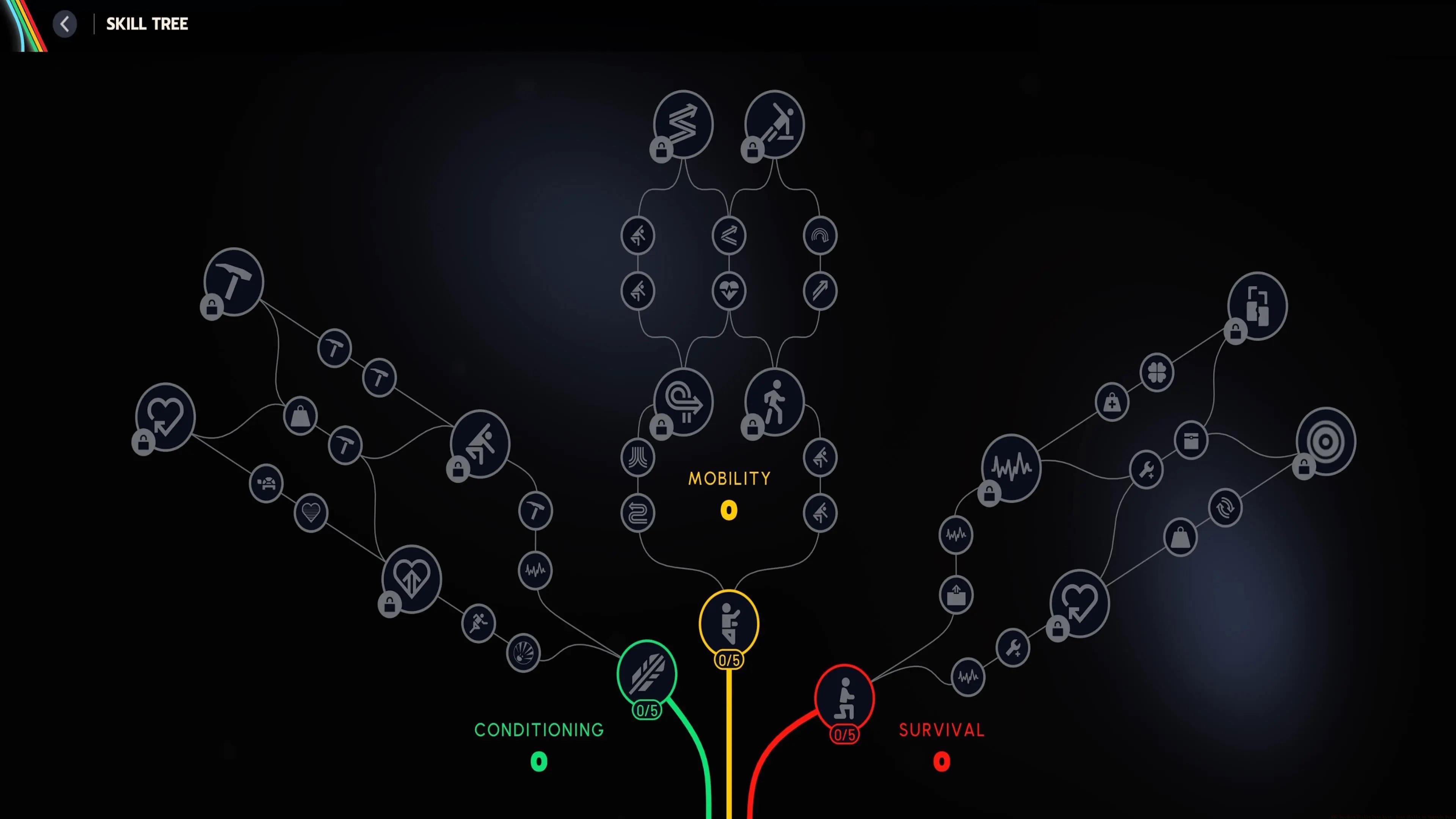
While mobility keeps you out of danger, conditioning ensures you survive when danger finds you. This tree focuses on health management, damage mitigation, and recovery mechanics that determine your sustained combat effectiveness.
Health regeneration skills become increasingly valuable as you encounter more powerful ARC units and skilled rival raiders. The ability to recover between engagements without consuming limited medical resources can mean the difference between successful extraction and costly respawn.
Environmental resistance skills provide specific protection against various battlefield hazards. From radiation zones to extreme temperatures, these specialized abilities enable access to high-value loot areas that would otherwise be inaccessible or extremely dangerous to navigate.

The Survival tree transforms you from a mere combatant into a self-sufficient raider capable of thriving in extended expeditions. Resource efficiency and crafting specialization determine your economic advantage and gear progression speed.
Looting speed and detection radius skills dramatically increase your resource acquisition rate. In a game where materials determine your equipment quality, these skills provide exponential returns by reducing time spent gathering and increasing rare material discovery chances.
Crafting cost reduction and quality improvement skills become increasingly valuable as you progress to higher-tier equipment. The resource savings from maxed crafting efficiency can amount to hundreds of rare materials over your progression journey, enabling faster weapon and armor upgrades.

Strategic point allocation follows a clear progression path that maximizes early survival while paving the way for specialized late-game builds. Your distribution should adapt to both immediate needs and long-term goals.
Early game priorities (Levels 1-20) focus heavily on mobility fundamentals and basic survival capabilities. Allocate approximately 60% of points to mobility, 25% to conditioning, and 15% to survival during this phase. This distribution ensures you can navigate effectively while having enough durability to learn game mechanics.
Mid-game transitions (Levels 21-40) allow for specialization based on preferred playstyle. Solo players might invest more heavily in survival for self-sufficiency, while team players can focus on conditioning and role-specific abilities. Reassess your build at level 25 to ensure alignment with your current gameplay patterns.
End-game specialization (Levels 41-75) enables highly optimized builds tailored to specific content. At this stage, you should have clear understanding of which skills provide the most value for your preferred activities, whether that’s PvP dominance, boss farming, or resource gathering efficiency.
Not all skills provide equal value at every stage of your progression. Several abilities represent trap investments that consume precious early points without delivering proportional benefits.
Highly situational combat skills that require specific enemy types or environmental conditions should wait until you’ve secured your core movement and survival toolkit. These niche abilities might seem powerful in theory but often sit unused during critical early learning phases.
Late-game specialization skills that only become valuable with specific equipment combinations represent another common point sink. Avoid investing in abilities that require other unlocked skills or gear pieces to function effectively until you’ve acquired those prerequisites.
Crafting mastery skills, while valuable eventually, provide minimal returns when you lack access to high-tier recipes and rare materials. Delay these investments until you regularly engage with end-game crafting systems.
Solo raiders require builds emphasizing self-sufficiency and survival above all else. Without teammates to cover weaknesses, your skill selection must create a well-rounded capable of handling diverse challenges independently.
Prioritize survival tree investments earlier than team-oriented players. Skills that enhance looting efficiency, crafting capabilities, and resource management provide disproportionate value when you cannot rely on specialization from squad mates.
Escape and evasion skills take priority over pure combat effectiveness. The ability to disengage from unfavorable encounters often matters more than winning every firefight when playing alone. Invest in mobility skills that facilitate rapid extraction and breaking enemy line of sight.
Consider our Class Guide for additional insights on solo play adaptations that translate well to Arc Raiders’ survival mechanics.
Team composition and role specialization transform skill point allocation from individual optimization to collective efficiency. Coordinate with your squad to ensure complementary builds that cover all necessary capabilities.
Designated medics should prioritize conditioning tree skills that enhance healing effectiveness and group survivability. Look for abilities that provide area-of-effect benefits or enhance medical item efficiency for maximum team impact.
Scout and reconnaissance specialists benefit from mobility tree investments that enhance movement speed and detection capabilities. Your role involves identifying threats and opportunities before the main team engages.
Heavy assault players should balance conditioning for durability with specific combat enhancements from the survival tree. Your responsibility involves sustained engagement and creating space for teammates to operate effectively.
Understanding the expected skill point acquisition rate helps plan your build development strategically. The progression curve accelerates significantly after reaching mid-game content, enabling more specialized investments.
Levels 1-20 provide approximately one skill point per level, with occasional bonus points from tutorial objectives and early achievements. This phase focuses on establishing your core capabilities without room for experimentation.
Levels 21-40 increase point acquisition through repeatable content and challenge completions. You should earn 1.5-2 points per level during this phase, allowing for broader skill coverage and initial specialization.
Levels 41-75 represent the mastery phase where point gains slow but your build nears completion. Focus on fine-tuning your capabilities and investing in quality-of-life skills that enhance your preferred gameplay loop.
New raiders frequently fall into several predictable traps when allocating their precious skill points. Recognizing these common errors early can save significant frustration and costly respec operations.
Over-specialization in a single tree creates glaring weaknesses that skilled opponents exploit mercilessly. While focusing on your preferred playstyle makes sense, completely neglecting essential survival or mobility skills leaves you vulnerable to common threats.
Point mismanagement through uneven investment represents another frequent issue. Spreading points too thinly across multiple skills prevents reaching valuable higher tiers, while over-investing in max-level abilities often provides diminishing returns compared to broadening your capabilities.
Meta chasing without understanding underlying mechanics leads to ineffective builds. While community guides provide valuable insights, blindly copying popular builds without adapting to your personal playstyle and skill level typically yields suboptimal results.
For comprehensive gameplay strategies beyond skill trees, consult our Complete Guide to advanced combat mechanics and progression systems.
Skill point respecs provide valuable flexibility but come with significant costs that require strategic planning. Understanding when and how to reset your build ensures you maximize value from these limited opportunities.
The optimal respeccing timing typically occurs around level 30-35, once you’ve experienced mid-game content and understand your preferred playstyle. Early respecs waste resources on insufficient game knowledge, while late respecs delay your optimized build development.
Cost management involves planning your respec around major equipment acquisitions or gameplay mode changes. If you’ve recently obtained powerful weapons that enable new build possibilities or shifted from solo to team play, these transitions justify the respec investment.
Rebuild planning should occur before initiating the respec process. Document your current build and planned new allocation to ensure smooth transition and avoid costly mistakes during the redistribution process.
Skill effectiveness scales dramatically with complementary equipment, creating powerful synergies that transcend individual component value. Understanding these interactions enables truly optimized builds.
Gear synergies occur when specific weapon types or armor sets enhance skill functionality. High-mobility builds benefit enormously from lightweight equipment that further reduces stamina consumption, while tank builds gain additional value from armor that stacks with damage reduction skills.
Loadout optimization involves matching your skill selection to your preferred weapon archetypes. Sniper specialists should prioritize stability and breath control skills, while close-quarters combat players benefit from quick draw and melee enhancement abilities.
Stat stacking from multiple sources creates exponential benefits that individual components cannot provide. Combining skill-based damage bonuses with weapon modifications and armor set bonuses often results in performance breakthroughs that redefine gameplay possibilities.
Discover optimal equipment combinations in our Weapons Unlock guide, which covers advanced gear progression strategies.
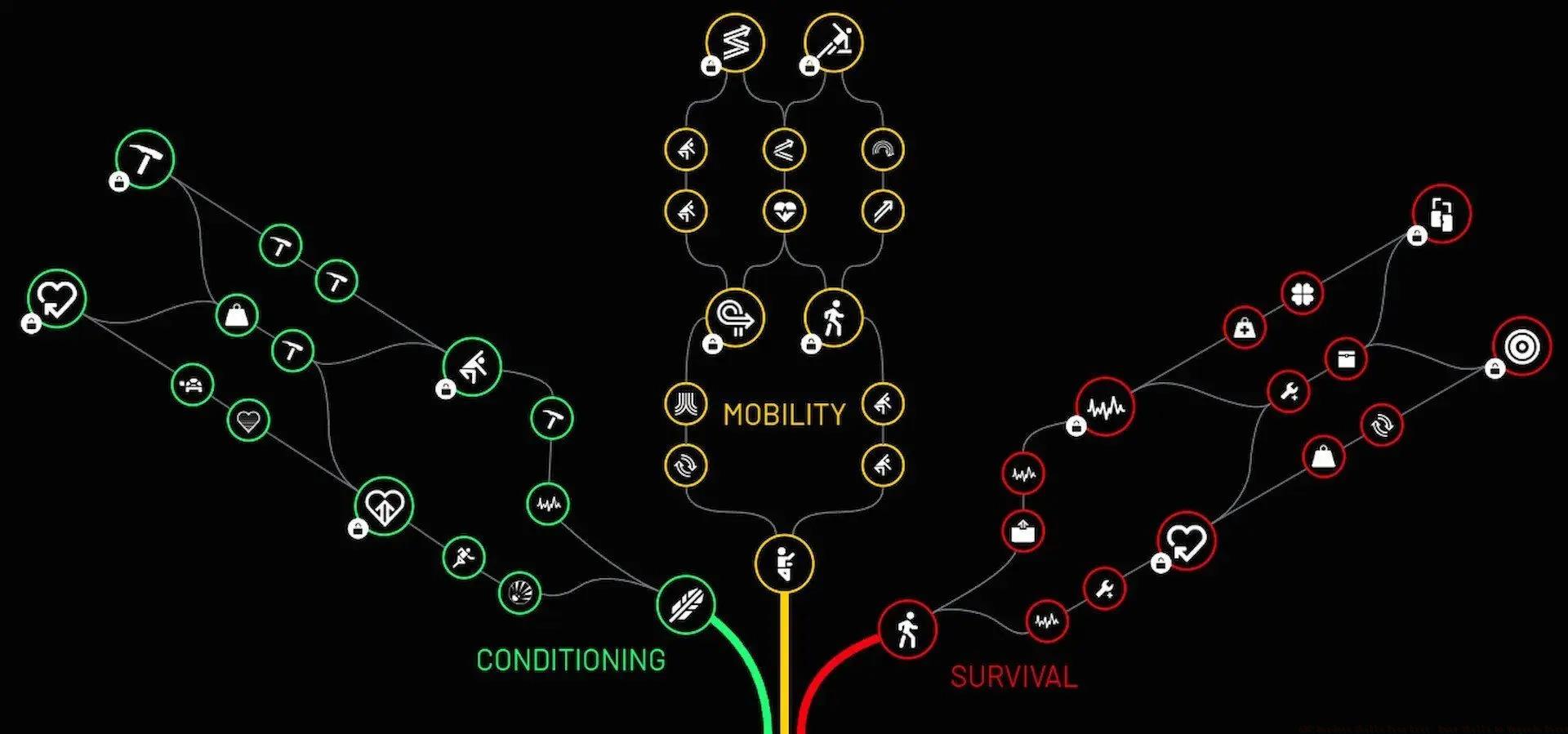
Reaching 50 allocated skill points represents a critical milestone where your build transitions from foundational to specialized. This checkpoint demands honest assessment and potential refinement before committing to your end-game direction.
Mid-game assessment should evaluate your current effectiveness across all major gameplay activities. Identify areas where you consistently struggle and consider whether skill redistribution could address these weaknesses without compromising core strengths.
Build refinement at this stage often involves reallocating 5-10 points from underperforming skills to enhance your primary capabilities. Look for abilities that sounded valuable in theory but rarely impact your actual gameplay experience.
Specialization decisions become permanent beyond this point as the remaining 25 points typically solidify rather than transform your build. Ensure your chosen specialization aligns with both your preferred content and available equipment before proceeding further.
Action Checklist
- Allocate first 10 points to Mobility tree fundamentals (Marathon Runner, Youthful Lungs, Slip and Slide)
- Balance next 10 points between Conditioning survival skills and additional Mobility enhancements
- Assess playstyle at level 25 and begin specialization toward solo survival or team role capabilities
- Execute strategic respec at level 30-35 based on accumulated game knowledge and equipment acquisitions
- Finalize build specialization by level 50, focusing on gear synergies and preferred content optimization
No reproduction without permission:Tsp Game Club » ARC Raiders Skills Tier List: Best Skills to Upgrade First Master Arc Raiders' skill trees with strategic point allocation for solo survival and team dominance