
Strategic vehicle selection guide for maximizing storage capacity and efficiency in Schedule 1 drug operations
Vehicle Selection Strategy Fundamentals
Choosing the right transportation in Schedule 1 requires understanding the critical balance between storage capacity, speed, and acquisition cost. Your operation’s success depends heavily on selecting vehicles that match your current production scale and distribution needs.
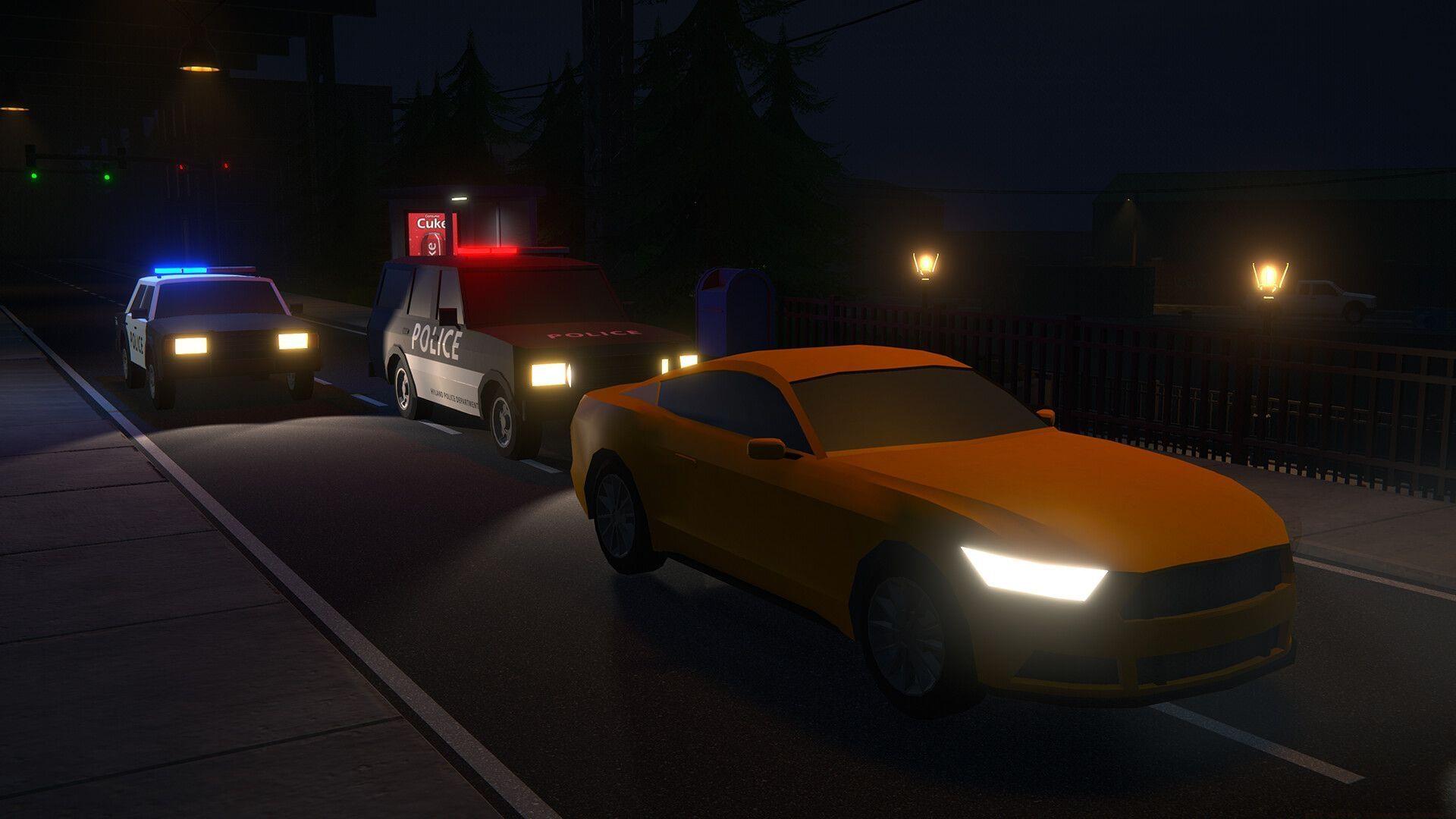
When building your drug distribution network, vehicle selection becomes a pivotal strategic decision that directly impacts your operational efficiency and profit margins. The right automobile not only provides adequate storage for your product but also ensures you can evade law enforcement while maintaining timely deliveries to your customers.
Smart budget allocation for vehicle acquisition requires calculating your current revenue stream against future expansion plans. Beginners often make the mistake of overspending on vehicles before establishing consistent income, while advanced players sometimes underestimate the value of multiple specialized vehicles for different operational needs.
Top-Tier Vehicle: The Veeper Analysis
The Veeper stands as the undisputed champion for high-volume operations, offering exceptional storage capacity combined with impressive performance metrics that make it the ultimate end-game vehicle for serious distributors.
With an industry-leading 10 storage slots, The Veeper enables you to transport significantly larger product quantities per trip, dramatically increasing your distribution efficiency. Its superior speed and handling characteristics provide crucial advantages when navigating high-risk areas or executing time-sensitive deliveries.
Acquisition timing is critical – experienced operators recommend purchasing The Veeper once you’ve established consistent weekly profits exceeding $25,000. This ensures the investment doesn’t cripple your operational liquidity while providing immediate returns through expanded distribution capabilities.
Advanced usage tactics include deploying The Veeper for major distribution runs while maintaining secondary vehicles for local deliveries, creating a multi-tier transportation system that maximizes overall operational efficiency.
Mid-Range Option: The Dinkler Breakdown
The Dinkler represents the optimal mid-game vehicle, delivering solid performance with 8 storage slots at a reasonable $15,000 price point that fits most expanding operations.
This vehicle strikes an excellent balance between affordability and capability, making it ideal for players transitioning from early-game limitations to more sophisticated distribution networks. Its 77 KM/H top speed provides adequate performance for most routes while the substantial storage capacity supports growing customer bases.
Strategic deployment of The Dinkler works best when used as your primary distribution vehicle while saving for The Veeper upgrade. Many successful operators maintain The Dinkler as their workhorse vehicle even after acquiring premium options, using it for lower-risk routes to minimize wear on their primary asset.
A common mistake involves overlooking The Dinkler in favor of cheaper options, but its superior storage-to-cost ratio actually accelerates profit growth by reducing the number of required delivery trips.
Entry-Level Vehicle: The Sh*tbox Guide
The Sh*tbox serves as your essential entry into vehicle-based distribution, providing crucial early-game mobility despite its performance limitations and basic capabilities.
With 5 storage slots available for just $5,000, this vehicle enables new operators to expand beyond foot-based distribution immediately. While its 53 KM/H speed limitation requires careful route planning, the storage capacity fundamentally changes your operational scale from the earliest stages.
Maximizing The Sh*tbox’s utility involves focusing on short-distance, high-frequency delivery routes that minimize exposure to law enforcement while leveraging its modest storage. Avoid main thoroughfares and prioritize residential areas where its inconspicuous appearance provides stealth advantages.
Upgrade timing is crucial – move to better vehicles once your daily distribution volume consistently exceeds The Sh*tbox’s capacity or when you accumulate sufficient capital for The Dinkler without jeopardizing product inventory investments.
Many advanced players actually maintain a Sh*tbox for specific low-risk operations, proving that strategic vehicle deployment matters more than raw specifications alone.
Advanced Transportation Tactics
Mastering vehicle deployment requires understanding advanced tactical considerations that go beyond basic storage capacity and speed statistics.
Route optimization becomes critical when managing multiple vehicles – assign faster vehicles to longer routes with higher risk, while using storage-optimized vehicles for high-volume, secure delivery zones. Implement a hub-and-spoke system where larger vehicles handle distribution to intermediate points while smaller vehicles complete final deliveries.
Law evasion techniques should influence vehicle selection – sometimes a slower, less conspicuous vehicle provides better operational security than a high-performance model that attracts unwanted attention. Vary your vehicle usage patterns to avoid establishing predictable behaviors that law enforcement can anticipate.
Maintenance scheduling across multiple vehicles ensures you always have operational capacity available. Experienced operators maintain at least one backup vehicle to handle unexpected repairs or increased demand periods without disrupting distribution schedules.
Implementing these advanced strategies typically increases operational efficiency by 30-40% compared to basic single-vehicle approaches, demonstrating the substantial returns on strategic transportation planning.
No reproduction without permission:Tsp Game Club » Best cars for storage in Schedule 1 Strategic vehicle selection guide for maximizing storage capacity and efficiency in Schedule 1 drug operations