
Master Honkai Star Rail’s Anomaly Arbitration with optimal team compositions, strategic insights, and practical execution tips
Understanding Anomaly Arbitration Mechanics
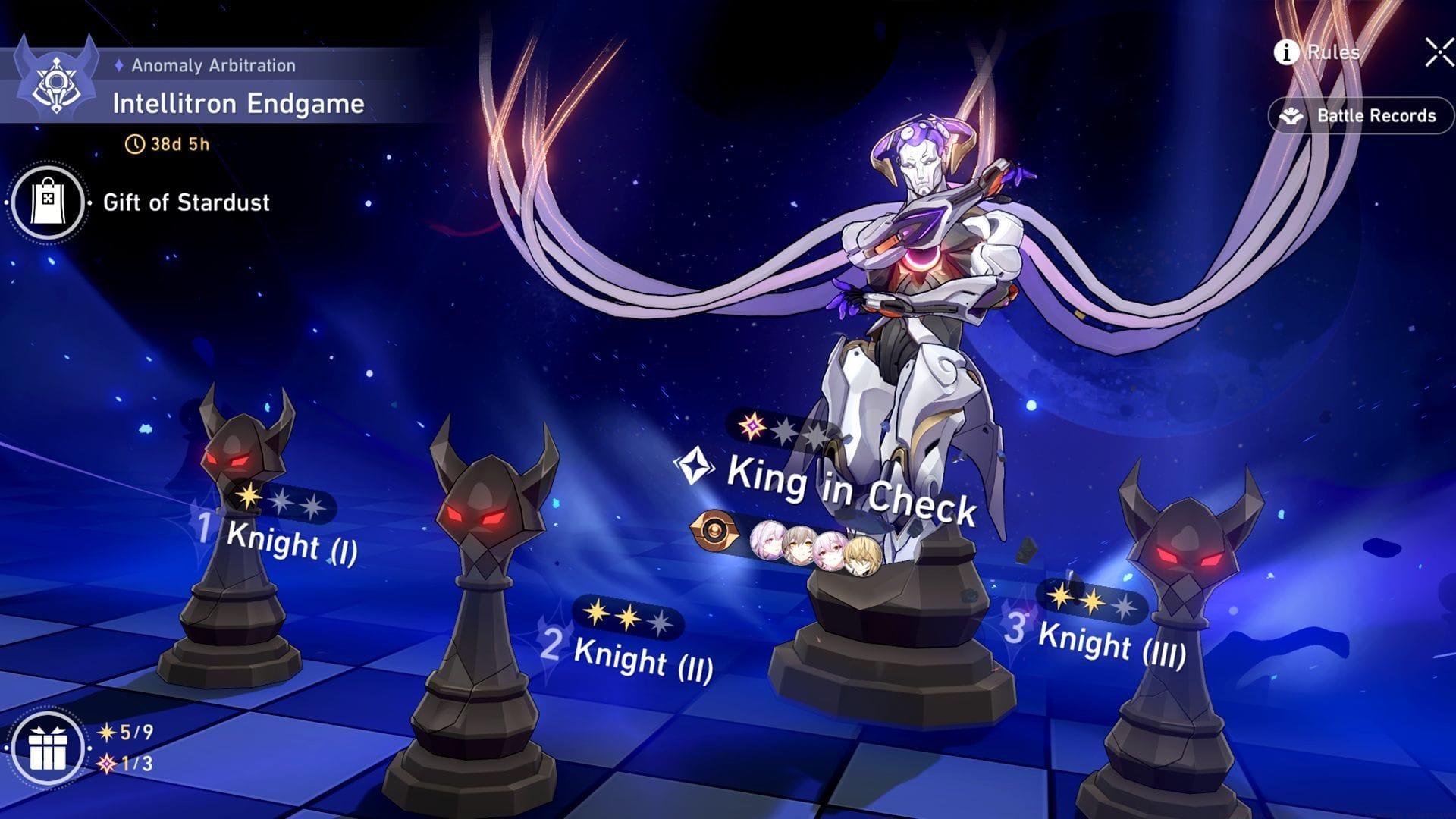
Anomaly Arbitration represents Honkai Star Rail’s newest endgame challenge, introduced in version 3.6. This demanding game mode tasks players with conquering four distinct combat encounters to earn premium rewards including Lone Stardust, Interference Keys, and Self-Modeling Resin. As a true endgame activity, assembling synergistic team compositions that counter specific boss mechanics becomes absolutely essential for achieving perfect clears.
The mode’s structured progression requires careful team planning, as each stage presents unique enemy weaknesses and debilitating debuffs that can cripple unprepared squads. Understanding these mechanical nuances separates successful clears from frustrating failures.
Knight 1 Stage: Firefly Break & Speed Compositions
Knight 1’s stage buffs naturally favor Firefly Break teams as the optimal clearing strategy. Firefly’s ideal support roster includes Fugue and Lingsha, though budget alternatives like Harmony Trailblazer and Gallagher provide viable substitutions when missing premium units.
Also read: How to play Lingsha in Honkai Star Rail
Rappa serves as an excellent alternative break DPS for this Anomaly Arbitration stage, with her area-of-effect attacks efficiently dismantling enemy toughness bars. Mirroring Firefly team construction, Fugue and Lingsha replacements remain Harmony Trailblazer and Gallagher respectively for accessible team building.
Mydei hypercarry compositions featuring Sunday and Tribbie support offer another strong Knight 1 clearing option. Mydei’s inherent speed allows rapid action cycling, further amplified by Sunday’s advance forward mechanics, while Tribbie’s multi-layered buffs significantly boost Mydei’s damage potential.
Pro Tip: For Firefly teams, prioritize Break Effect main stats on planar ornaments to maximize damage during weakness break windows. Mydei compositions benefit heavily from Speed substats to capitalize on action advance effects.
Knight 2 Stage: DoT Teams & Physical Burst Strategies
With Knight 2 enemies displaying Physical, Lightning, and Wind vulnerabilities, these specialized teams prove most effective:
Hysilens, Kafka, and Black Swan form a devastating triple Damage-over-Time composition that excels in Knight 2’s challenging environment. This stage’s CRIT DMG reduction debuff severely hampers traditional critical-focused teams, making DoT squads that ignore crit mechanics entirely the ideal counterpick.
Also read: Best Hysilens build in Honkai Star Rail: Light Cones, Relics, stats, teams, and more
Despite lacking Quantum weaknesses, well-invested Castorice premium teams can overpower Knight 2 through raw statistical dominance. The new 5-star unit Evernight provides exceptional memosprite amplification, serving as a superior replacement for Remembrance Trailblazer in optimized setups.
Phainon hypercarry teams utilizing Cerydra, Sunday, and Robin perform adequately against Knight 2’s Physically weak enemies. This sustainless composition demands aggressive play—prioritize advancing Phainon repeatedly to maintain his powerful Khaslana transformation state.
Common Mistake: Attempting critical-based teams against Knight 2’s CRIT DMG debuff results in massive damage loss. Always verify stage modifiers before team selection.
Knight 3 Stage: Quantum & Physical Specialists
Knight 3’s Quantum and Physical weakness alignment makes these compositions particularly effective:
Castorice’s premium team demonstrates exceptional performance here, with Evernight and Tribbie’s support enabling rapid clearing of multiple enemy waves. While Hyacine represents the optimal sustain option, Luocha provides adequate substitution if unavailable.
Despite being single-target focused, Archer’s massive frontloaded damage makes him viable for Knight 3’s challenges. Sparkle and Robin become essential supports, providing critical Skill Point generation and continuous action advancement.
Phainon DPS teams thrive against Knight 3’s universally Physical-weak enemies. Cerydra’s specialized support enables double meteor activations, allowing Phainon to efficiently dismantle enemy formations with overwhelming area damage.
Also read: Best Cerydra build in Honkai Star Rail: Light Cones, Relics, stats, teams, and more
Optimization Tip: For Archer teams, ensure Sparkle has at least 161 Speed to maximize action advance cycles. Castorice compositions benefit from Energy Regeneration ropes to maintain memosprite uptime.
King in Check Final Stage: Boss Battle Mastery
With first-wave enemies and the Lygus boss sharing Quantum and Physical vulnerabilities, select between these elite teams for the final Anomaly Arbitration challenge:
Castorice supported by Evernight, Tribbie, and Hyacine offers the highest probability of achieving three-star clears in the King in Check encounter. Lygus’s massive 40M+ HP pool necessitates Evernight and Tribbie’s damage amplification to maximize Castorice and memosprite output.
King in Check’s persistent HP drain debuff makes Hyacine the premier sustain choice for this demanding stage. Alternative sustains like Luocha and Gallagher may struggle maintaining team health against combined drain and enemy burst damage.
Also read: 5 mistakes to avoid while playing Evernight in Honkai Star Rail
Phainon’s current meta team remains competitive against King in Check’s Physical weaknesses. Lacking Cerydra significantly increases clear difficulty, as her Phainon-specific buffs dramatically accelerate Lygus’s multi-health-bar depletion. Sunday becomes mandatory for energy generation acceleration, while Robin substitutes include Bronya or Remembrance Trailblazer.
Also read: Honkai Star Rail Nice Weather for Dromases event guide
Advanced Strategy: Against Lygus, time ultimate activations to coincide with vulnerability phases. Phainon teams should save meteor for when Lygus enters staggered states for maximum damage.
Advanced Optimization Strategies
Beyond team composition, several optimization techniques separate adequate clears from exceptional performances:
Gear Requirements: Premium teams demand properly invested relics with optimal main stats and substats. Castorice requires 70%+ Critical Rate before buffs, while Firefly needs 180%+ Break Effect for maximum damage.
Rotation Timing: Master skill point economy and ultimate sequencing. Phainon teams must manage skill points to ensure Khaslana transformation availability during damage windows.
Common Pitfalls: Avoid spreading resources too thin—focus on fully building 2-3 core teams rather than partially investing in many. Never underestimate sustain requirements in later stages.
Follow Sportskeeda for more Honkai Star Rail news, updates and guides.
Pro Insight: Recording failed attempts helps identify specific failure points. Common issues include insufficient sustain, mis-timed bursts, or incorrect speed tuning between supports and DPS.
No reproduction without permission:Tsp Game Club » Best teams for Honkai Star Rail 3.6 Anomaly Arbitration Master Honkai Star Rail's Anomaly Arbitration with optimal team compositions, strategic insights, and practical execution tips