
Essential Subnautica survival guide: Mastering underwater exploration, resource management, and threat avoidance
Introduction to Subnautica’s Underwater World
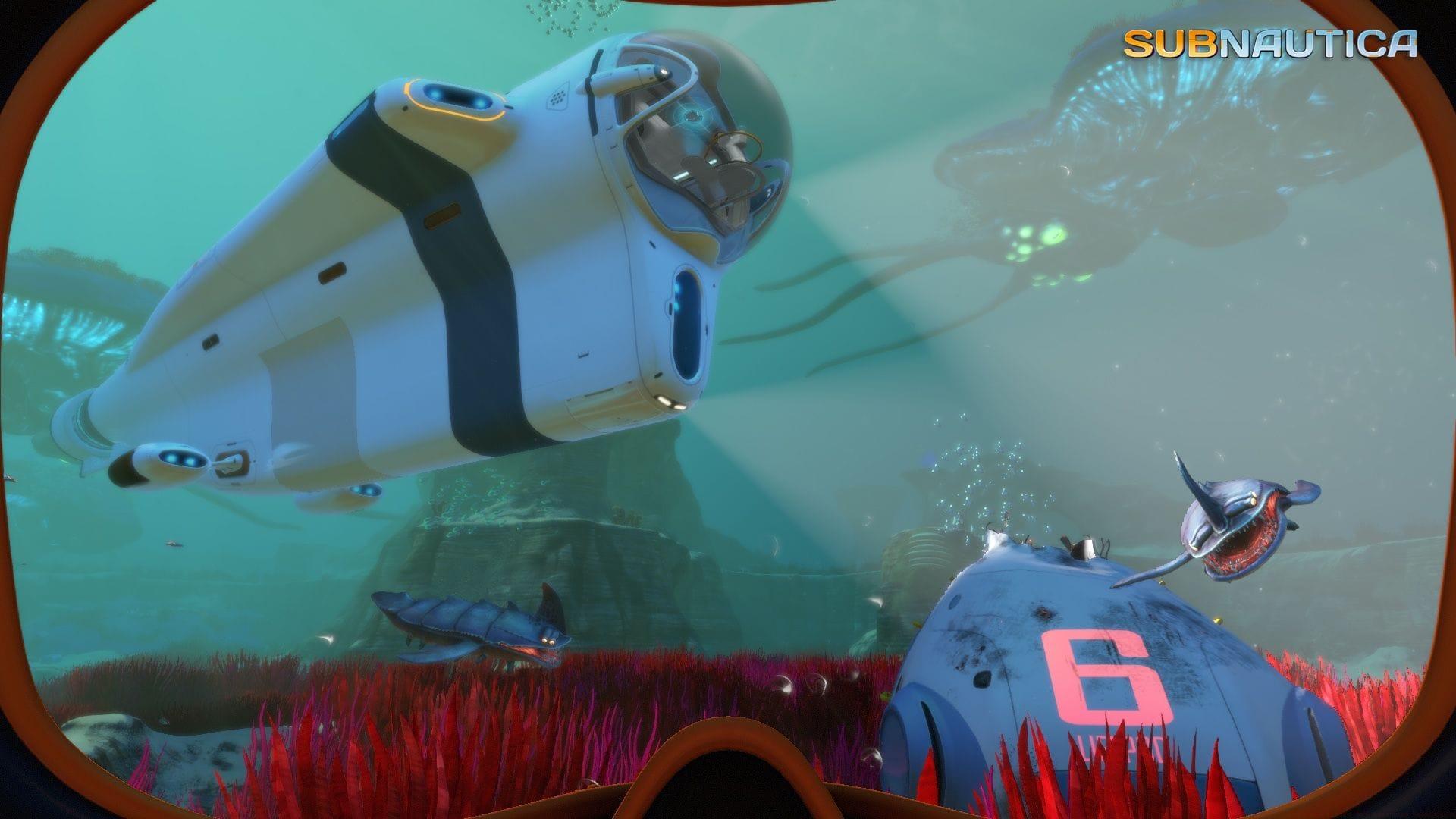
Subnautica delivers an unforgettable open-world survival experience that continues engaging players long after its initial release. As you prepare to dive into this underwater adventure before the sequel arrives, brace yourself for an immersive crafting journey that will test your survival instincts. The game’s vast oceanic environments may well trigger latent thalassophobia while providing one of gaming’s most memorable experiences.
Understanding Subnautica’s core mechanics from the outset dramatically improves your chances of survival. The game combines exploration, resource gathering, base building, and creature avoidance in a beautifully dangerous alien ocean. New players often underestimate the learning curve, but with proper preparation, you can transform from vulnerable survivor to master of the depths.
Scan Everything for Critical Information
Your Scanner becomes the most valuable tool for uncovering Subnautica’s secrets. Every biological specimen, technological artifact, and geological formation holds data waiting to be cataloged in your PDA (Personal Digital Assistant). This systematic documentation does more than just complete your digital encyclopedia—it reveals crucial narrative elements and environmental insights that progress the story.
Comprehensive scanning provides strategic advantages beyond lore discovery. By thoroughly examining flora and fauna, you gain access to behavioral patterns, nutritional values, and potential threats. This knowledge becomes particularly valuable when encountering hostile creatures, as understanding their attack patterns and habitats can mean the difference between life and death. Never skip scanning opportunities, even when danger seems imminent—the intelligence gathered often proves more valuable than immediate escape.
Pro Tip: Prioritize scanning leviathan-class creatures from safe distances using the Scanner’s range capabilities. The data reveals weak points and behavioral triggers that aid in avoidance strategies.
Master Food and Water Management
Unless you select Freedom mode during setup, managing hunger and thirst becomes fundamental to survival in Subnautica’s challenging environment. Neglecting these basic needs places your character in precarious situations, especially during tense exploration sequences in hazardous zones. Proper sustenance management separates successful survivors from those who perish in the depths.
The initial shallow regions offer abundant edible fish species including Peeper, Boomerang, and Bladderfish. The versatile Bladderfish serves dual purposes—it provides nutrition when consumed directly and becomes purified water when processed through the Fabricator. In resource-scarce deeper biomes, advanced survival techniques become necessary. Combining Salt Deposits with Coral Tube Samples produces Bleach, which can be transformed into Disinfected Water for sustainable hydration.
Common Mistake: Many beginners fail to stockpile enough provisions before deep expeditions. Always carry surplus food and water supplies since returning to base isn’t always feasible. Vehicles like the Seamoth include storage compartments specifically designed for extended journey provisions. Establish multiple small cache points throughout explored areas for emergency resupply during long treks.
Advanced Technique: Create interior grow beds in your base for Marblemelon or Bulbo Tree cultivation, providing renewable food sources that eliminate hunting dependence.
Essential Tool Crafting Priority
Strategic tool progression significantly accelerates your survival capabilities in Subnautica’s challenging environment. The Fabricator serves as your primary equipment source, transforming gathered resources into life-saving gear. Focusing on essential tools first enables more efficient exploration and faster game progression through dangerous territories.
Your initial crafting priorities should include the Scanner for environmental analysis, the Repair Tool for maintaining critical equipment and vehicles, and the Habitat Builder for constructing secure base structures. These foundational tools create the infrastructure necessary for surviving increasingly dangerous depths. The Radiation Suit should follow closely, allowing access to the Aurora wreckage’s valuable resources.
Optimization Strategy: Keep a dedicated storage container near your Fabricator containing common crafting materials like Titanium, Copper, and Quartz. This organization system dramatically reduces crafting time and ensures you can quickly replace lost or damaged equipment during emergencies.
Navigating Darkness and Depth
Nocturnal exploration presents substantial risks for inexperienced Subnautica players. When darkness falls, visibility plummets dramatically, even in relatively safe starting zones like the Shallows. Venturing out to gather resources or reach objectives after sunset proves dangerously ill-advised during early gameplay stages. The ocean teems with aggressive creatures that become increasingly perilous as you descend into deeper marine territories.
While obtaining the Seaglide mitigates some nighttime hazards, true safe navigation through dark, high-pressure environments requires advanced submersibles like the Seamoth, Prawn Suit, or Cyclops. These vehicles provide both illumination and protection against depth pressures and hostile encounters. Therefore, dedicate daylight hours to intensive resource gathering and base development until you acquire proper deep-sea transportation.
Depth Management: Each vehicle has specific depth limitations—upgrade hull integrity before attempting deep exploration. The Seamoth begins with 200m capacity but can be enhanced to withstand 900m pressures through module upgrades.
Threat Assessment: Many predatory creatures become more active at night. Use this knowledge to plan exploration routes that avoid known creature spawn locations during darkness hours.
Seaglide: Your Ultimate Mobility Tool
No piece of equipment proves more consistently valuable than the Seaglide throughout your Subnautica journey. This initial vehicular upgrade becomes craftable after gathering sufficient Seaglide fragments scattered throughout Shallows and Kelp Forest biomes. Its construction marks a pivotal moment in survival capability, transforming your underwater mobility and exploration potential.
The Seaglide’s primary advantage lies in dramatically enhanced swimming velocity, crucial for evading aggressive predators and rapidly surfacing for oxygen replenishment. Its integrated illumination system facilitates navigation through dark cavern systems, but the true game-changing feature remains its unique mapping capability. Since Subnautica intentionally omits traditional map systems for immersion, the Seaglide’s onboard sonar mapping provides essential orientation in complex underwater topography.
This navigation assistance prevents disorientation in maze-like environments and wreck sites. The battery-powered operation ensures straightforward maintenance through standard Power Cell replacements. Advanced Technique: Always carry two fully charged Power Cells when embarking on lengthy expeditions—swapping cells takes seconds and prevents being stranded without propulsion.
Strategic Use: Combine Seaglide mobility with seaglide-map coordination to chart safe routes through dangerous territories. Mark resource-rich areas and creature habitats for future reference and safer navigation.
Subnautica remains accessible across PC, PlayStation 4, PlayStation 5, Xbox One, Xbox Series X|S, Nintendo Switch, Android, and iOS platforms, offering this incredible survival experience to gamers everywhere.
No reproduction without permission:Tsp Game Club » Best tips and tricks for starting Subnautica Essential Subnautica survival guide: Mastering underwater exploration, resource management, and threat avoidance