
TL;DR
- Marathon introduces unprecedented aim assist for mouse and keyboard players on PC
- Professional gamers including Shroud condemn the feature as ‘aimbot’ technology
- The move threatens to undermine years of competitive FPS skill development
- Crossplay integration creates complex balancing challenges for developers
- Industry precedents show similar controversies in Warzone, Apex Legends, and Fortnite
The gaming community faces a pivotal moment as Bungie’s upcoming extraction shooter Marathon prepares for its September launch across PC, Xbox Series X/S, and PlayStation 5. A significant controversy has emerged surrounding the implementation of aim assist functionality for mouse and keyboard users on personal computers. This development represents a fundamental shift in how input assistance is applied across different gaming platforms.
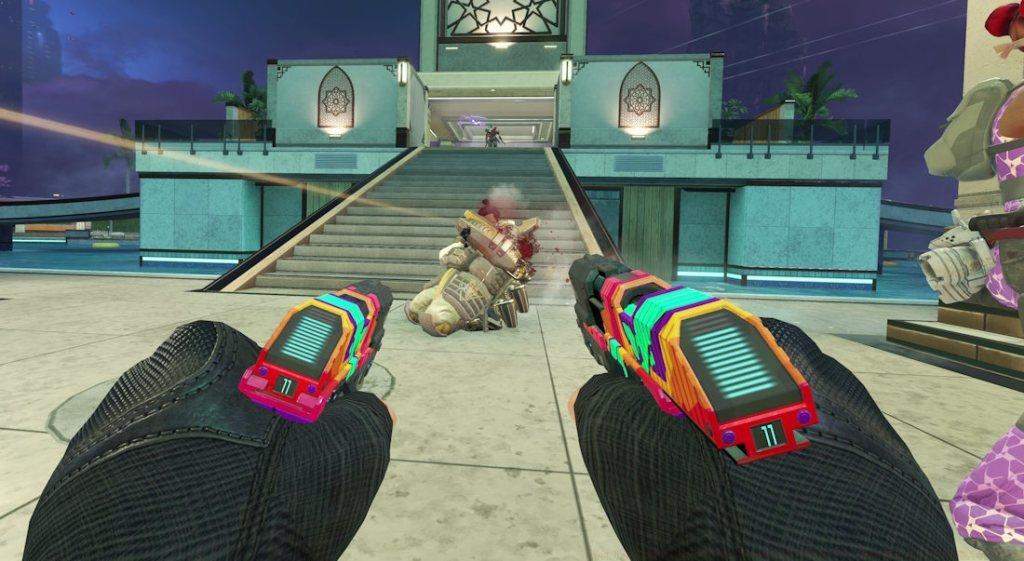
For decades, aim assistance mechanisms primarily served console gamers using analog controllers. The inherent limitations of thumbsticks compared to mouse precision created a legitimate need for targeting support systems. Major franchises including Call of Duty, Halo, and Fortnite have progressively enhanced their aim assist implementations, particularly as cross-platform multiplayer became standard industry practice.
The competitive landscape witnessed significant turmoil when Call of Duty: Warzone faced intense criticism over its controller aim assist, with elite mouse users labeling the feature as “soft aimbot” technology. Similarly, Apex Legends underwent multiple balancing adjustments to address community concerns, while Fortnite nearly experienced competitive fragmentation when controller participants began dominating PC-exclusive tournaments.
Understanding proper weapon handling techniques becomes increasingly important when artificial assistance systems influence gameplay mechanics.
The introduction of targeting assistance for precision input devices challenges the core principles that have defined PC first-person shooter competitiveness for generations. Mouse and keyboard enthusiasts have long prided themselves on developing raw mechanical skill through countless hours of deliberate practice and muscle memory formation.
Competitive integrity faces erosion when artificial systems intervene between player input and in-game response. The psychological satisfaction of landing difficult shots through personal ability becomes compromised when external factors influence targeting accuracy. This represents a fundamental shift in how we perceive and value skill development in competitive gaming environments.
Many veteran players express concern that systematic assistance diminishes the significance of dedicated training regimens. The thousands of hours invested in aim trainers and reflex development risk becoming less meaningful when automated systems can compensate for human error. This development potentially redefines what constitutes genuine skill in the FPS genre.
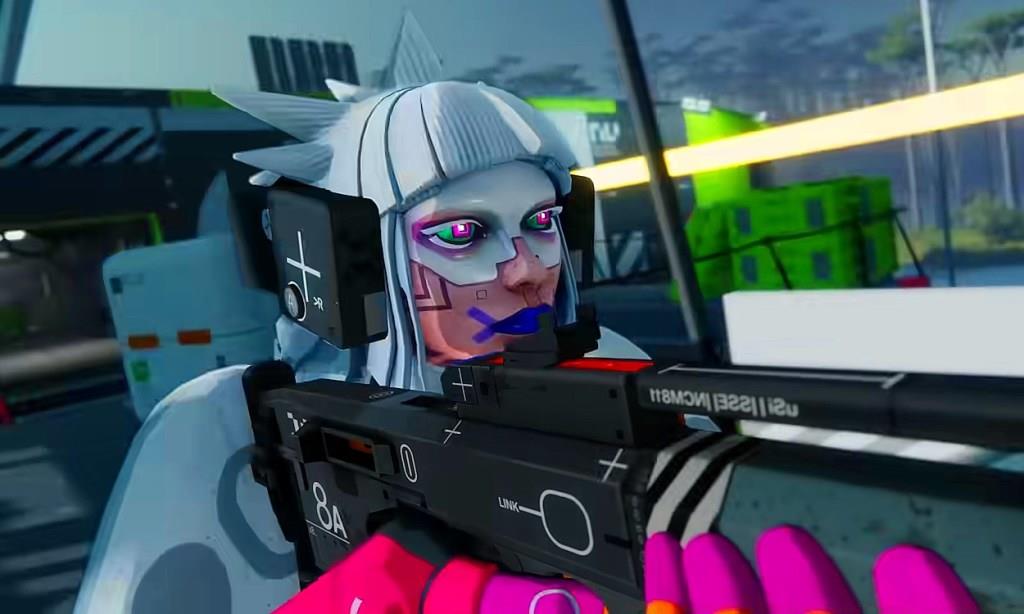
Strategic decision-making regarding class selection and specialization becomes increasingly complex when artificial aiming systems alter traditional gameplay dynamics.
The very identity of PC gaming as a platform built on precision and skill expression faces potential dilution. If aim assistance becomes standardized across all input methods, the distinctive characteristics that differentiated control schemes may gradually disappear, potentially homogenizing the competitive experience.
The Marathon alpha testing phase provided early evidence of how mouse and keyboard aim assist would impact high-level gameplay. Professional streamer and respected FPS authority Shroud delivered a blunt assessment during his gameplay session, unequivocally describing the PC aim assist implementation as functionally equivalent to aimbot technology.
Community response during the initial testing period demonstrated significant concern among competitive players. The implementation raises crucial questions about how developers balance accessibility with competitive integrity in modern multiplayer environments.
Looking toward the future, this decision by Bungie could establish a precedent that other studios might follow. The long-term consequences for competitive FPS ecosystems warrant careful consideration, as the fundamental relationship between player skill and game performance undergoes potential redefinition.
Industry observers note that successful implementation requires careful calibration to avoid creating an uneven playing field. The delicate balance between assisting less experienced players and preserving competitive integrity represents one of the most challenging design problems in contemporary game development.
For players seeking to maintain competitive excellence, consulting comprehensive resources like our Battlefield 6 Complete Guide can provide valuable insights into mastering game mechanics without relying on artificial assistance systems.
The ongoing debate highlights deeper questions about the future direction of competitive gaming and how technological assistance should be integrated into skill-based environments.
Action Checklist
- Evaluate aim assist settings and consider disabling if prioritizing skill development
- Practice fundamental aiming techniques in dedicated training modes for 15-20 minutes daily
- Analyze gameplay replays to identify situations where aim assist may have influenced outcomes
- Participate in community discussions to provide developer feedback about aim assist implementation
- Monitor professional player reactions and tournament rule changes regarding assist technologies
No reproduction without permission:Tsp Game Club » Bungie’s Marathon Aim Assist on PC Could Break the Game Before Launch Exploring the controversial PC aim assist in Marathon and its impact on competitive FPS gaming integrity