
TL;DR
- Locus serves as both team initiator and defensive anchor with versatile combat capabilities
- Search and Destroy provides tracking missiles that immobilize targets and create engagement opportunities
- Riot Barricade offers crucial damage blocking but requires disciplined energy resource management
- Advanced movement traits enable exceptional repositioning and evasion when combined strategically
- Optimal performance requires balancing offensive pressure with defensive awareness and team coordination
In team-based shooter dynamics, having a dedicated anchor character can dramatically shift engagement outcomes, and Bungie’s Marathon positions Locus as this pivotal role. Whether your tactical preference leans toward aggressive initiation or protective shielding operations, this Runner delivers exceptional versatility. For players committed to mastering this strategic position, this comprehensive guide covers ability mechanics, trait interactions, and advanced tactical applications.
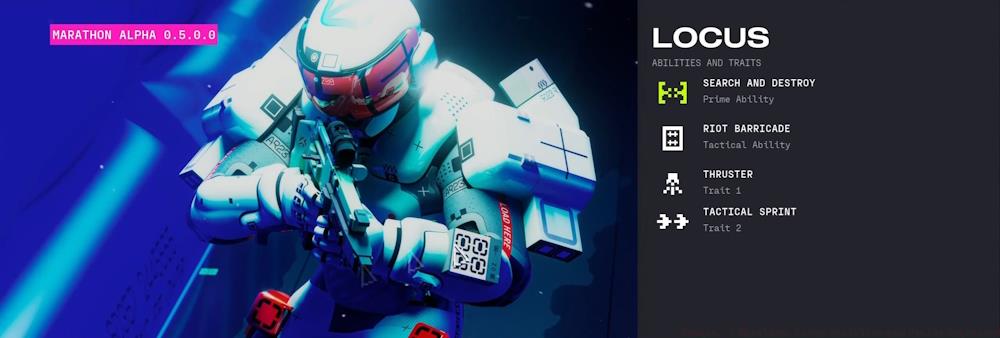
Locus stands among the premier engagement initiators within Marathon’s Runner roster, particularly effective when confronting multiple hostile units simultaneously. While his combat impact significantly exceeds many alternatives, he maintains sophisticated mobility options through advanced movement technology. Similar to other characters, his toolkit includes one primary ability, one tactical utility, and two passive traits—yet his configuration proves essential for cohesive team structures. Here’s an exhaustive examination of Locus’s capabilities and strategic applications.
The cornerstone offensive component within Locus’s arsenal is Search and Destroy, functioning exactly as nomenclature suggests. Activating this capability requires inputting the Q key on computer platforms, simultaneous LB+RB activation on Xbox controllers, or L1+R1 combination on PlayStation 5 to deploy shoulder-mounted projectile systems. Upon successful activation, Locus discharges intelligent tracking missiles toward designated targets.
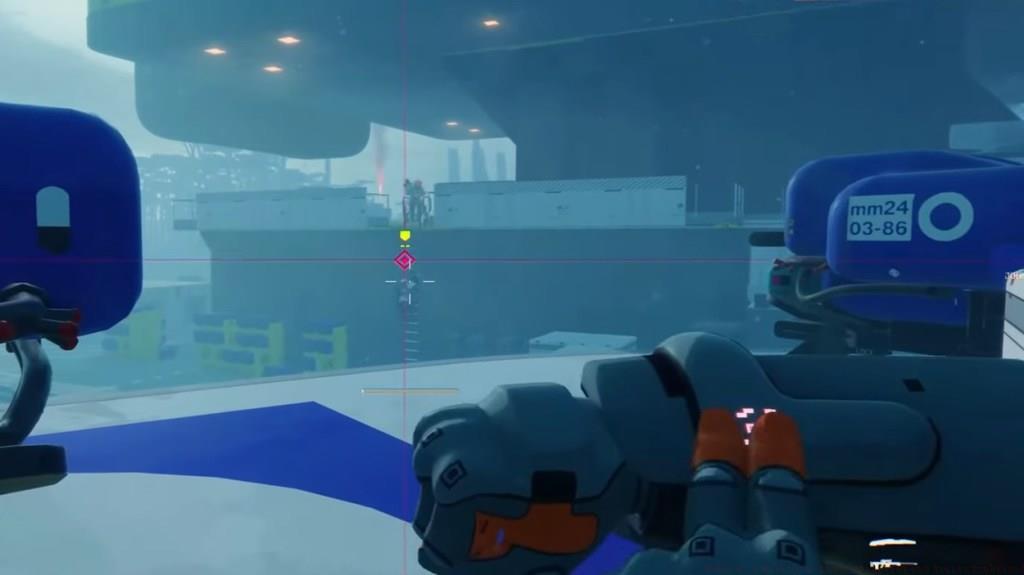
These intelligent projectiles deliver dual functionality—they not only facilitate target acquisition through advanced tracking systems but also inflict continuous damage sequences upon impact. Additionally, the missiles implement temporary movement restriction on affected adversaries. This represents an optimal engagement initiation tool, particularly when coordinating with Blackbird reconnaissance specialists; leverage their surveillance data to orient missile trajectories accurately.
Advanced Tip: The immobilization effect creates approximately 2-3 second windows for follow-up actions, making it ideal for securing eliminations or forcing positional disadvantages. Common mistakes include firing without proper target confirmation or wasting the ability on isolated opponents when it excels against grouped enemies.
Defensive tactical options remain relatively scarce throughout Marathon’s combat ecosystem. This strategic gap creates Locus’s defensive niche implementation. His tactical ability, designated Riot Barricade, generates an energy barrier that intercepts incoming projectile and ballistic damage. While maintaining shield deployment, your ability energy reservoir experiences continuous depletion. Consequently, ensure you avoid excessive energy expenditure through prolonged activation.
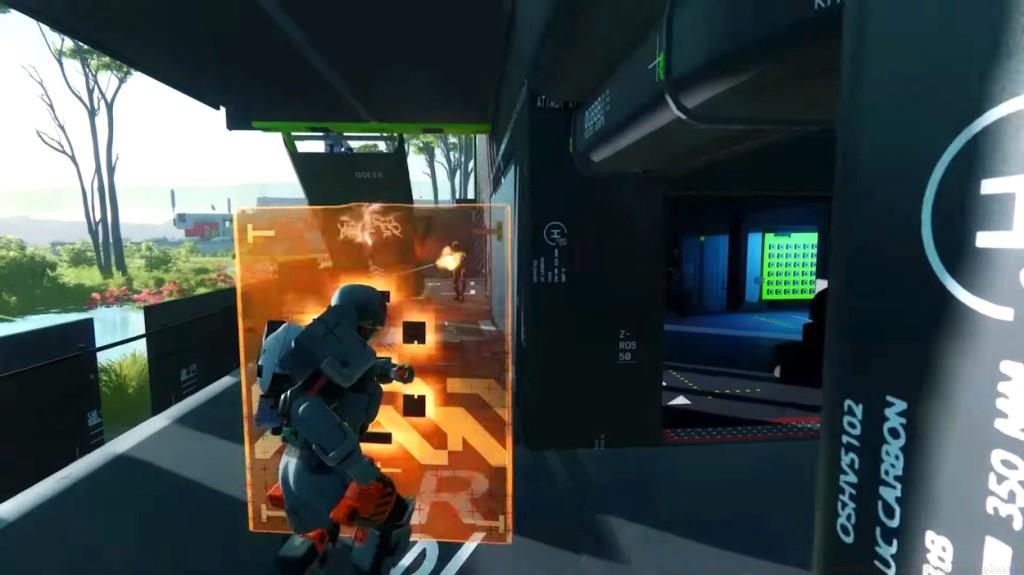
Furthermore, during active damage mitigation scenarios, the energy consumption rate accelerates substantially. Therefore, exercise strategic discretion when activating the tactical ability interface (F key on computer systems, LB on Xbox platforms, or L1 on PlayStation 5). Players should additionally recognize that Locus represents the solitary defensive specialist within standard team configurations. This designation necessitates conservative energy allocation, avoiding wasteful deployment against non-critical threats.
Pro Strategy: The barricade’s energy drain increases by approximately 40% when blocking sustained fire, making timing crucial against heavy weapons. Optimal use involves brief deployments to block burst damage rather than continuous coverage.
While his ability suite emphasizes defensive and charging functionalities, his inherent traits provide substantial mobility enhancements. The initial trait, designated Thruster, functions similarly to aerial propulsion systems. When positioned mid-trajectory, activating this trait propels you toward selected directional vectors. This capability proves perfect for evading chaotic engagements, tactical repositioning, or accessing elevated positions that remain inaccessible to standard Marathon runners.
Locus’s secondary trait embodies high-risk, elevated-reward gameplay philosophy. Double-tapping the sprint engagement button activates overdrive propulsion systems. This dramatically amplifies movement velocity, but generates substantially increased thermal buildup. Therefore, with careful thermal management, Tactical Sprint establishes Locus as the secondary mobility specialist, naturally trailing behind Glitch’s unparalleled movement capabilities.
Advanced Movement Tech: Combining Thruster immediately after Tactical Sprint activation creates momentum-carrying slides that cover approximately 50% more distance than standard movement. However, this advanced technique requires precise heat monitoring to avoid overheating penalties.
Fundamentally, Locus operates as a hybrid defensive and assault character within Marathon’s tactical landscape. Employing Search and Destroy to distribute damage among enemy formations or secure eliminations demonstrates exceptional effectiveness. You can efficiently displace adversaries from strategic positions or resource collection zones using the primary offensive capability. However, this represents merely one aspect of his charging potential.
You can additionally advance engagements through strategic integration of Thruster and Tactical Sprint combinations. When executed with precision, you can create substantial tactical disadvantages for opposing forces by transforming into an exceptionally challenging target for enemy acquisition systems. Naturally, should aggressive charging maneuvers prove ineffective, immediately deploy Riot Barricade to establish defensive parameters before preparing subsequent assault initiatives.
Team Coordination Insight: Locus excels when paired with reconnaissance characters who can mark targets for his missile systems. For those looking to expand their class selection expertise, understanding these synergies dramatically improves team performance. Additionally, mastering the timing between defensive collapses and offensive pushes typically requires 15-20 hours of dedicated practice to achieve mastery level execution.
Action Checklist
- Practice Search and Destroy activation against moving targets in training scenarios
- Master Riot Barricade energy management by timing deployments against burst damage
- Integrate Thruster and Tactical Sprint combinations for advanced mobility
- Coordinate with reconnaissance teammates to optimize missile targeting efficiency
- Study advanced engagement timing between defensive collapses and offensive pushes
No reproduction without permission:Tsp Game Club » Bungie’s Marathon: Locus Abilities and Traits Explained Master Locus in Bungie's Marathon with expert strategies, ability breakdowns, and advanced movement techniques