
TL;DR
- Call of Duty reached peak player fatigue in 2025 with Black Ops 7 sales underperforming significantly
- The franchise lost cultural relevance as players shifted to competitors like Fortnite and Marvel Rivals
- Creative stagnation, identity crisis from crossovers, and technical issues eroded player trust
- Activision implemented crucial changes like removing SBMM and non-disbanding lobbies
- Future releases must deliver foundational innovation rather than iterative improvements
By 2025, Call of Duty’s player exhaustion reached critical levels as Activision’s flagship franchise faced unprecedented challenges. Engagement metrics plummeted to concerning lows, Black Ops 7 sales failed to meet projections, and the series virtually disappeared from mainstream gaming conversations about live-service titles.
What makes this situation particularly alarming for CoD’s viability is the complete loss of cultural significance. While previous entries maintained some relevance despite their flaws, current player attention has shifted decisively toward Fortnite’s universe-spanning events and Marvel Rivals’ expanding superhero roster. Even dedicated Call of Duty enthusiasts now spend more time critiquing Battlefield 6 rather than playing the latest Black Ops installment.
In a telling move revealing their desperation, Activision offered a full-week free trial for Treyarch’s newest release merely four weeks post-launch. However, even making the game temporarily free couldn’t generate meaningful momentum. The franchise confronts a fundamental survival challenge, with the publisher bearing full responsibility for this predicament.
Despite my criticism of Activision’s decisions, I genuinely want Call of Duty to succeed. This series holds special meaning for countless players worldwide, and many of my most cherished gaming experiences involve its titles. With this perspective, I’ve compiled an analysis of the strategic errors that damaged CoD’s standing, the corrective actions developers have attempted, and the evident crisis threatening the franchise’s future.
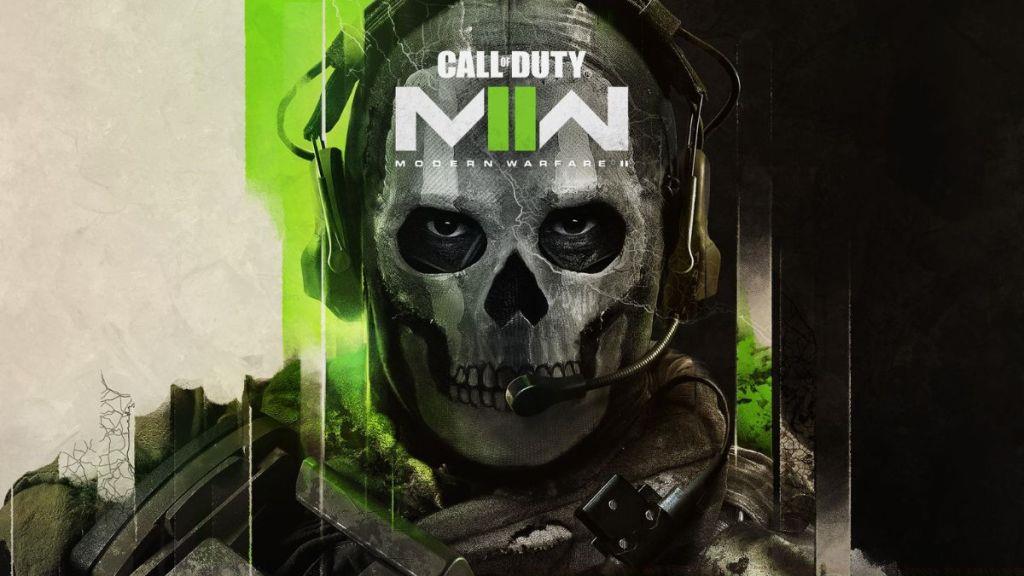
Call of Duty’s deterioration didn’t occur overnight but developed through a series of warning signs beginning with 2022’s Modern Warfare II. Although achieving massive commercial success, the game failed to genuinely captivate its audience. Players voiced numerous valid criticisms about multiplayer shortcomings, particularly the sparse Season 1 content selection. Warzone 2.0 experienced similar struggles, with the free battle royale still recovering from that problematic launch.
Activision compounding this issue by rushing Modern Warfare III to market only intensified the franchise’s problems. While I appreciate MW3’s core multiplayer mechanics and moment-to-moment action, its campaign quality was indefensible, effectively destroying public perception and trust.
Initially, Black Ops 6 showed genuine promise during its early lifecycle. Its creative single-player narrative connected with casual gamers, the revival of Classic Prestige delighted veteran players, and a robust multiplayer package sustained community involvement for months. However, when Ranked Multiplayer launched, BO6 encountered an unprecedented cheating outbreak that devastated competitive integrity.
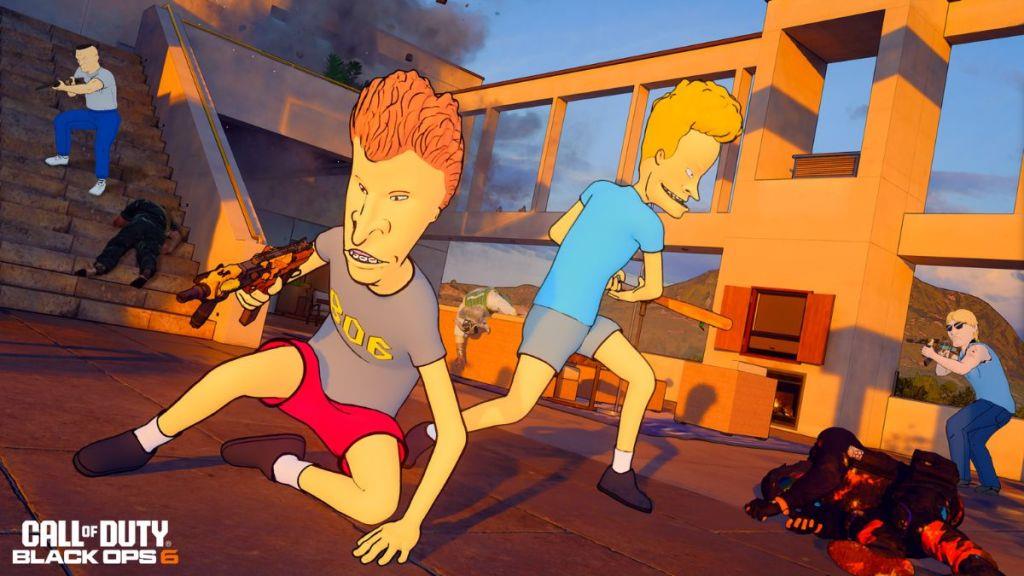
The situation deteriorated so severely that loyal fans and prominent content creators publicly denounced the game across social platforms, with Activision only implementing meaningful anti-cheat measures by Season 4. During this period, developers committed a fundamental error by embracing pop-culture collaborations that directly contradicted the series’ military simulation foundations. BO6 matches suddenly featured cartoon characters like Beavis and Butt-Head alongside film promotions including Ana de Armas’ Ballerina character.
These cross-promotional partnerships always represented a questionable alignment with Call of Duty’s identity, but this iteration provoked widespread community rejection. Some players felt the implementation lacked Fortnite’s seamless integration, others viewed it as betraying the franchise’s core values, and many simply felt drained by the direction the series had taken. The previously authentic military shooter experience now felt aimless, fragmented by conflicting design philosophies.
The most strategic approach would have involved stepping back, allowing the franchise breathing room to return with a cohesive vision capable of reversing negative sentiment. Instead, Activision announced another formulaic Call of Duty installment set in a near-future timeline. The pattern repeated as another underwhelming release featured a subpar campaign supported by adequate multiplayer functionality.
To clarify, Black Ops 7 doesn’t qualify as fundamentally broken. It delivers the expected Call of Duty multiplayer experience but lacks substantive innovation. The Endgame PvP mode presents an intriguing concept, and the wall jump mechanic provides enjoyment when functioning properly, yet neither element feels substantial enough to shape the franchise’s future direction. It’s challenging to envision either concept continuing into subsequent releases.
Ultimately, Black Ops 7 represents another iteration of an experience players have encountered repeatedly. This predictability explains why Call of Duty fatigue peaked in 2025—not because the games became unplayable, but because they became entirely predictable. Following years of errors, partial solutions, and creative stagnation, Activision exhausted its accumulated goodwill while players depleted their patience reserves.

The diminished enthusiasm for Black Ops 7 impacted Activision exactly where it matters most: financial performance. Even preceding the game’s underwhelming release, the publisher deployed extensive measures to regain player favor. Their reputation-recovery initiative commenced with eliminating the Carry Forward system, meaning BO6 cosmetic items wouldn’t transfer to BO7.
While technically representing a consumer-unfriendly decision, Activision faced impossible expectations in this area. Regrettably, this change generated minimal excitement for October’s Open Beta, compelling the publisher to implement more significant adjustments. In an uncommon instance of responding to community input, they finally removed SBMM (Skill-Based Matchmaking), providing players the alternative of joining traditional matchmaking lobbies.
This modification proved immediately popular, and developers leveraged this positive momentum by introducing persistent non-disbanding lobbies as well. These dual improvements guaranteed the Open Beta succeeded as a demonstration of Black Ops 7’s solid multiplayer foundation. Currently, both features should be regarded as essential components. Any effort to subtly remove them in future titles would likely sever the remaining connection between Activision and its most committed players.
Another positive development emerged following Black Ops 7’s launch aftermath. In an unusually contemplative announcement, Activision confirmed it would cease releasing consecutive titles within either the Modern Warfare or Black Ops sub-series. It’s genuinely perplexing that the exhaustion resulting from this release schedule wasn’t recognized earlier, but the acknowledgment at least indicates problem recognition. Late implementation surpasses perpetual neglect.
This essentially summarizes the current situation. No definitive information has surfaced regarding Call of Duty 2026, though speculation indicates Modern Warfare 4 developed by Infinity Ward. Regardless of which studio assumes development responsibility, the next installment cannot risk being merely another competent version. That strategy has already proven unsuccessful.
The upcoming Call of Duty must feel indispensable. It cannot emulate Vanguard or Modern Warfare 3’s approach of feeling familiar, safe, and overloaded with content that overwhelms critical evaluation. It requires systems and mechanics that feel fundamental enough to persist across iterations, not temporary concepts that disappear after twelve months. If the next title fails to provide players justification for believing in the franchise’s future, it might finally represent the decisive factor that breaks player loyalty, sentencing the series to extended periods of obscurity. For players considering alternatives, our BF6 Weapons Unlock guide provides comprehensive weapon progression strategies, while the BF6 Class Selection analysis helps optimize loadout decisions for different playstyles.
Action Checklist
- Evaluate whether to continue investing time in current CoD titles based on innovation levels
- Monitor Activision’s implementation of promised features like non-disbanding lobbies
- Assess upcoming CoD releases against innovation criteria before purchase
- Provide constructive feedback through official channels about desired features and improvements
- Research competitor titles like Battlefield 6 to understand evolving genre standards
- Track player count trends and community sentiment before committing to new releases
No reproduction without permission:Tsp Game Club » Call of Duty Fatigue Hit Its Peak in 2025 and Became Impossible to Ignore for Activision How Call of Duty's creative stagnation and missteps led to player fatigue and franchise decline