
Master Ghost of Yotei’s skill system with strategic altar hunting and optimal build planning
Understanding the No-Respec System
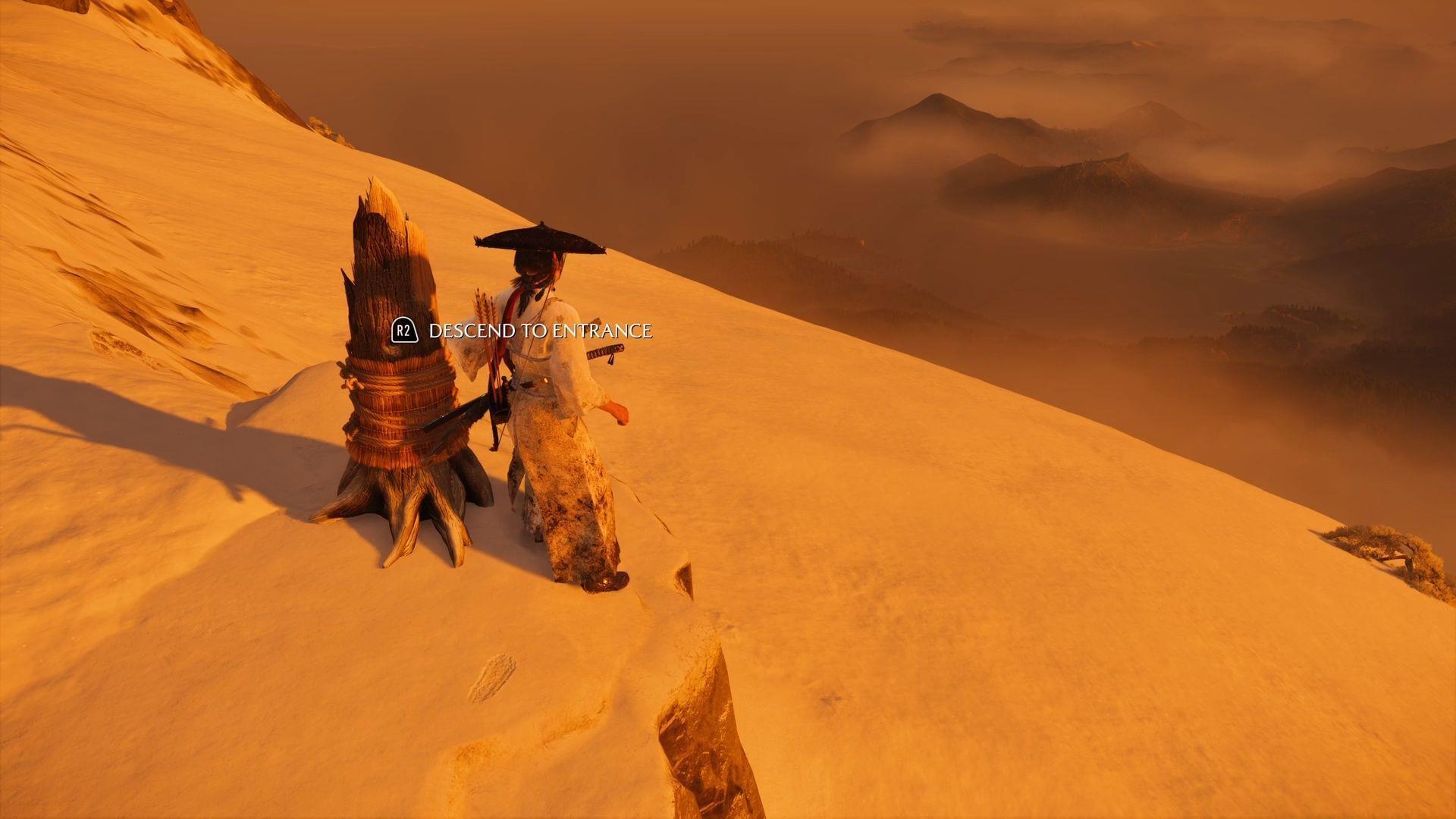
Unlike many modern action RPGs, Ghost of Yotei implements a permanent skill allocation system that fundamentally changes how players approach character development. The absence of respec mechanics means every skill point investment carries long-term consequences, encouraging players to think strategically about their build direction from the earliest hours. This design philosophy rewards foresight and punishes haphazard skill selection, creating a more meaningful progression system where choices truly matter throughout your entire playthrough.
Locating Altars of Reflection
The key to expanding Atsu’s capabilities lies in discovering Altars of Reflection scattered throughout the expansive region of Ezo. These mystical structures serve as permanent skill unlock stations, and finding them requires both exploration savvy and resource management. Golden birds act as natural guides, leading players to nearby altars through their distinctive audio cues and flight patterns. Alternatively, visiting cartographers in settlements allows you to purchase detailed maps marking altar locations, though this approach requires careful currency management early in the game.
When you encounter an altar, interaction is straightforward but deliberate: swipe down on your touchpad to have Atsu perform a respectful bow. This ceremonial gesture activates the interface, revealing the skill progression menu. Each altar discovery grants access to one complete skill set, allowing you to permanently enhance Atsu’s combat effectiveness. Systematic exploration becomes essential, as missing altars can significantly hinder your progression through later game challenges.
Skill Tree Categories Explained
Read more: Is Ghost of Yotei coming to PlayStation 4?
Ghost of Yotei’s progression system is organized into four distinct specialization paths, each catering to different combat approaches. The Onryo tree focuses on supernatural abilities and ghost weapons, perfect for players who prefer tactical engagements and area control. Melee enhancements provide direct combat improvements, including new combos, parry techniques, and damage boosts for players who excel at swordplay.
The Revenge skill line emphasizes counter-attack capabilities and resilience, turning defensive maneuvers into offensive opportunities. Meanwhile, the Wolf specialization offers stealth and mobility options, ideal for players who favor assassination tactics and avoiding direct confrontation. Beyond simply unlocking abilities, the skill menu serves as a progression roadmap, allowing you to review acquired techniques and plan future investments based on your evolving playstyle preferences and encountered challenges.
Also read: Has GoY been confirmed for PC launch?
Advanced Build Strategies
The permanent nature of skill choices transforms Ghost of Yotei into a game of strategic foresight. Unlike titles with respec options, here you must commit to a coherent build philosophy early and consistently reinforce it through altar discoveries. A common mistake involves spreading points too thinly across multiple trees, resulting in a jack-of-all-trades character that struggles against specialized late-game enemies. Instead, focus on mastering 1-2 complementary trees that synergize with your preferred combat approach.
For optimal progression, prioritize altar exploration in regions matching your current level, and always check cartographer inventories when visiting new settlements. The strategic depth comes from carefully shaping Atsu’s abilities around your playstyle rather than relying on the safety net of respec mechanics. This approach creates more meaningful character development and rewards players who invest time understanding the game’s combat systems and enemy behaviors.
Check out the links below for more Ghost of Yotei guides:
No reproduction without permission:Tsp Game Club » Can you respec skills in Ghost of Yotei? Master Ghost of Yotei's skill system with strategic altar hunting and optimal build planning