
Exploring the artistic vision behind Marvel Rivals’ UI design and what it reveals about the game’s development direction
The Unveiling of Art Vision: Beyond Development Updates
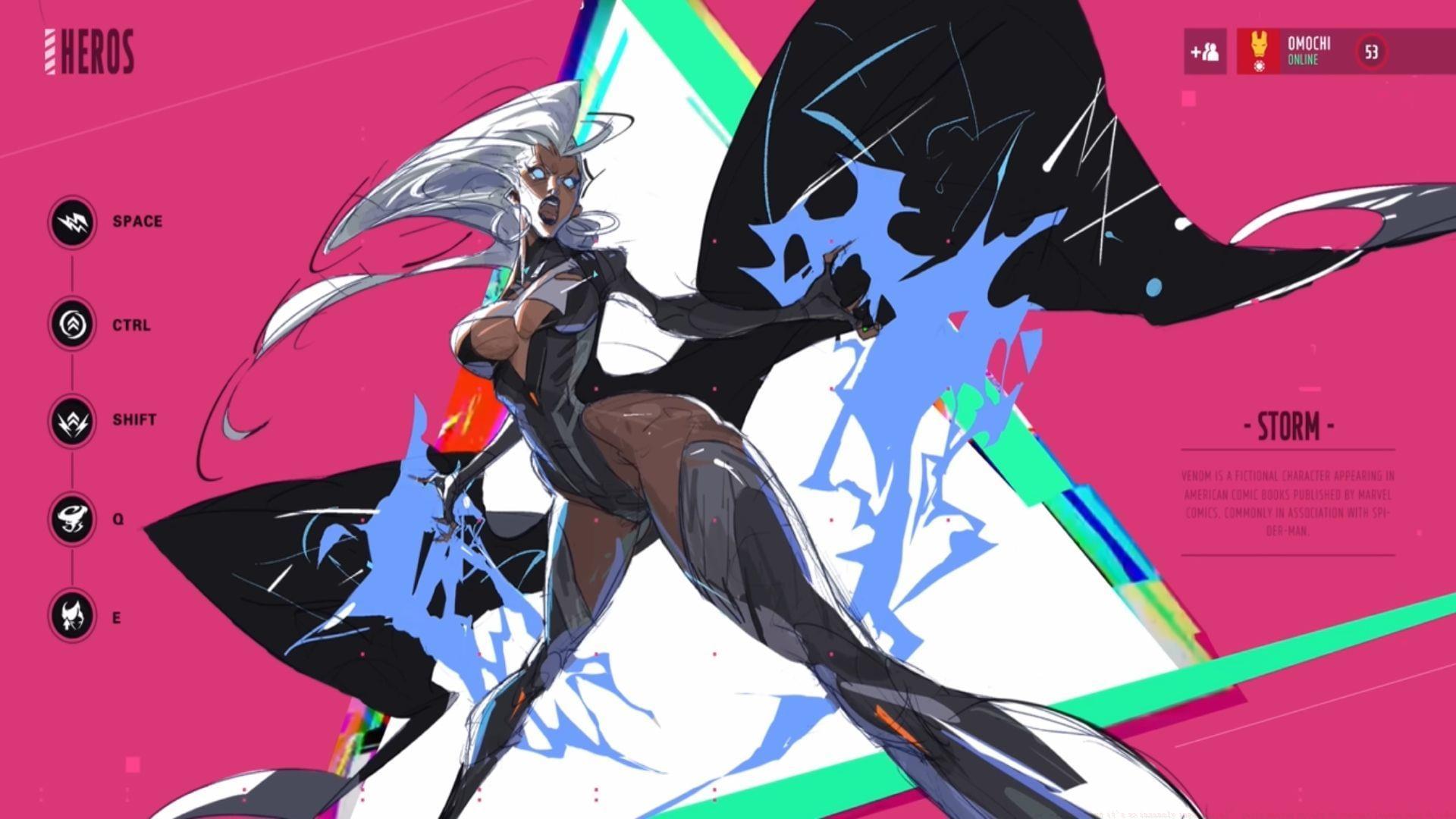
NetEase Games introduced their inaugural Art Vision presentation on April 21, 2025, marking a significant departure from their traditional development-focused content. This groundbreaking video offered an exclusive look at the conceptualization phase of Marvel Rivals’ Heroes UI interface, providing unprecedented insight into the artistic decision-making process. The revelation sparked immediate community engagement when Reddit user u/underMyCorpseisFlame shared compelling screenshots that rapidly gained traction across gaming forums and social media platforms.
What distinguishes Art Vision from the established Dev Vision series is its concentrated emphasis on visual aesthetics and artistic methodology. While development updates typically address technical aspects and gameplay mechanics, this new format explores the creative philosophy driving the game’s visual identity. The transition from technical documentation to artistic showcase represents NetEase’s commitment to engaging with the creative community on multiple levels.
UI Design Philosophy and Color Theory Applications
The artistic team provided comprehensive explanations about their systematic approach to color implementation, detailing how specific hue selections directly influence player perception and emotional response. Primary color palettes serve multiple functions beyond mere aesthetics—they establish visual hierarchy, communicate game state information, and reinforce character identities. The designers emphasized how strategic color placement guides player attention during critical gameplay moments while maintaining visual coherence across different game modes.
Environmental integration represents another crucial aspect of the artistic vision. Character designs aren’t created in isolation but are meticulously crafted to interact dynamically with their surroundings. This layered approach ensures heroes maintain visual distinction while feeling organically connected to the game world. The artists demonstrated how silhouette readability, material textures, and lighting interactions work collectively to create memorable character presences that remain identifiable even during intense combat sequences.
Practical Insights for Aspiring Game Artists
For game development enthusiasts and aspiring artists, the Art Vision presentation offers invaluable educational content. Understanding how to effectively implement color theory can dramatically improve UI design outcomes. A common mistake many novice designers make is overusing vibrant colors, which can lead to visual fatigue and interface clutter. Instead, experienced artists recommend establishing a limited primary palette supplemented by neutral tones for background elements and secondary information.
Another critical consideration involves maintaining consistency across different screen sizes and resolutions. The Marvel Rivals team addressed this challenge by creating scalable UI elements that preserve functionality and visual appeal across various display configurations. They also emphasized the importance of user testing—gathering feedback from diverse player demographics helps identify potential accessibility issues before final implementation.
Advanced optimization techniques revealed in the presentation include dynamic element loading based on gameplay context and strategic use of transparency to maintain battlefield visibility. These professional approaches demonstrate how sophisticated UI design balances aesthetic appeal with practical functionality, ensuring players receive necessary information without compromising immersion or gameplay clarity.
Future Implications and Series Potential
With over 80,000 views accumulated since its debut, the Art Vision video’s reception suggests strong community interest in behind-the-scenes creative content. This viewership metric, combined with extensive social media discussion, indicates potential for ongoing series development. NetEase Games appears positioned to continue these artistic deep-dives, possibly exploring additional aspects like environment design, character modeling processes, or visual effects creation in future installments.
The successful launch of this format establishes a new communication channel between developers and the gaming community. By transparently sharing artistic processes, NetEase fosters greater appreciation for the craftsmanship involved in game development while building anticipation for upcoming content releases. This approach also provides aspiring game artists with practical learning resources that bridge the gap between theoretical knowledge and professional implementation.
No reproduction without permission:Tsp Game Club » “Cool but it’s so insanely impractical”: Early Marvel Rivals UI concept leaves fans divided Exploring the artistic vision behind Marvel Rivals' UI design and what it reveals about the game's development direction