
Mastering the CS2 skins economy: strategies, risks, and market insights for profitable trading
Understanding the CS2 Skins Economy Scale
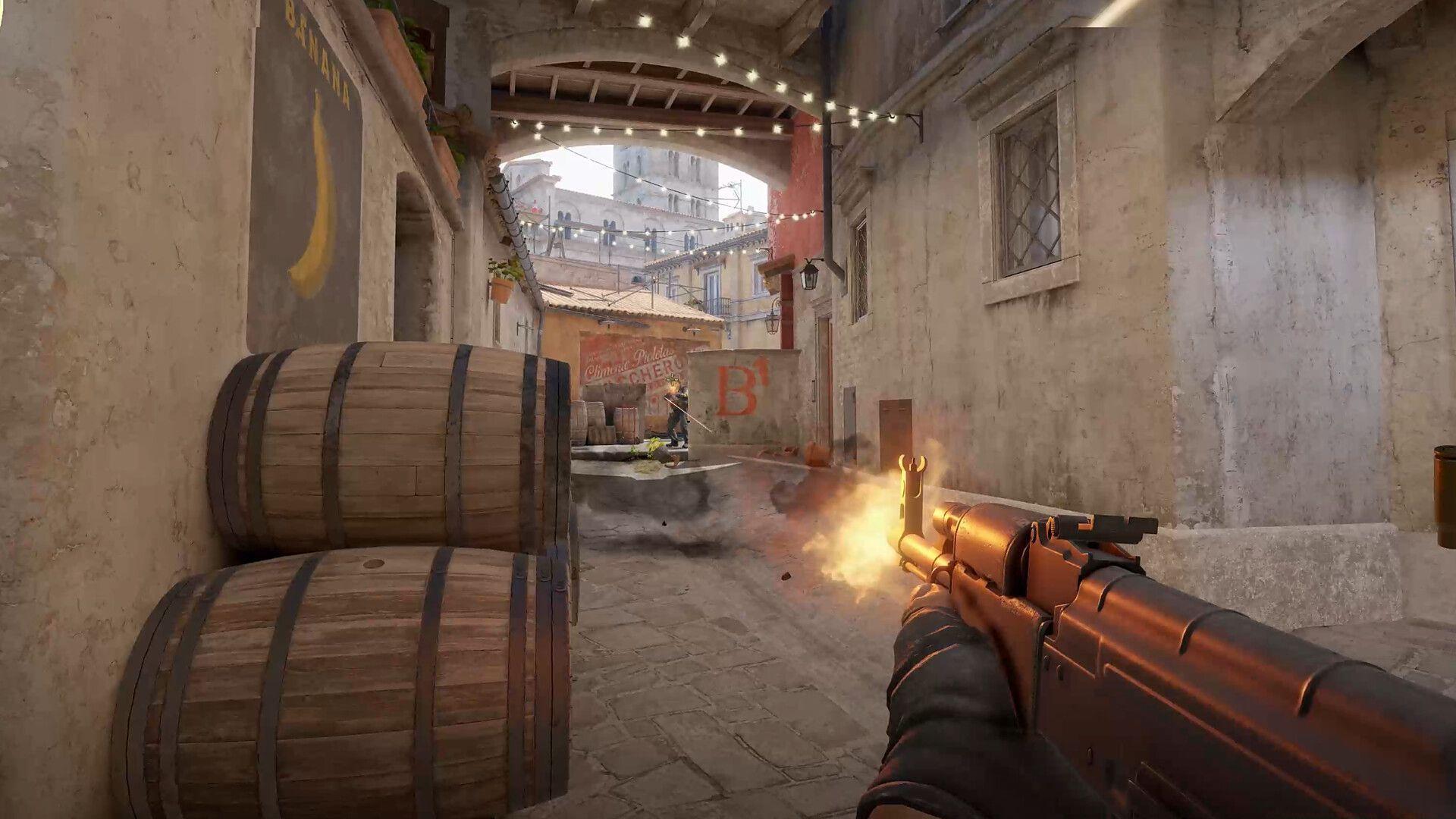
Counter-Strike 2 unquestionably operates the most substantial virtual cosmetics marketplace globally, with transaction volumes dwarfing other gaming economies. While basic skins might trade for modest amounts, exceptional specimens have commanded prices exceeding hundreds of thousands of dollars, creating a legitimate alternative investment class. Industry analysis confirms the CS2 skins economy breached the $5 billion valuation threshold on May 6, 2025, demonstrating unprecedented expansion velocity that continues accelerating without deceleration signals.
Searching for gaming insights? Explore our comprehensive guides on esports strategies and professional gaming techniques.
This economic surge parallels Counter-Strike 2’s remarkable player engagement metrics, which achieved unprecedented concurrent user numbers exceeding 1.86 million during April 2025. The correlation between expanding player bases and cosmetic item demand creates a virtuous cycle where increased participation drives market liquidity and valuation appreciation. Understanding this relationship helps traders anticipate market movements and identify optimal entry points.
Skin Acquisition Methods Demystified
Players access CS2 cosmetics through two primary channels: random weekly allocations or deliberate case unboxings. While random distributions offer limited probability for premium items, they frequently provide case redemption opportunities that represent the genuine economic gateway. Acquisition strategies diverge significantly between casual participants and serious investors, with sophisticated traders purchasing cases wholesale through Steam’s Community Marketplace or verified third-party exchanges to optimize cost basis.
Weekly Drop Strategy: Maximize your playtime during prime hours to increase drop eligibility, but recognize the extremely low probability of receiving high-tier items through this method. The real value lies in accumulating cases that can be sold or traded.
Case Opening Economics: Understand the statistical probabilities before investing in case openings. While the potential payoff can be substantial, the expected value calculation typically favors purchasing desired skins directly rather than gambling on cases.
Marketplace Mastery: Develop expertise in identifying underpriced items across different platforms. Price discrepancies between Steam Community Market and third-party sites can create arbitrage opportunities for attentive traders.
Factors Driving Skin Valuation
Skin appraisal incorporates multiple valuation dimensions including scarcity classification, preservation state (spanning from Battle-Scarred to Factory New), and collector demand intensity. Limited availability items or distinctive pattern variations command substantial premiums, with certain pattern combinations achieving legendary status. As Counter-Strike 2’s community expands and competitive engagement intensifies, desire for exclusive cosmetic enhancements escalates correspondingly, generating extraordinary pricing for rare specimen variants.
Rarity Tier System: Understand the color-coded rarity hierarchy from Consumer Grade (light blue) to Contraband (orange) and how each tier affects base valuation and appreciation potential.
Condition Impact Analysis: Learn how wear levels from Factory New to Battle-Scarred impact visual appearance and market value. Some patterns actually become more desirable in certain wear conditions due to visual effects.
Pattern Recognition: Special pattern variations like Case Hardened blues or Fade patterns can multiply base value exponentially. Developing expertise in pattern identification creates significant competitive advantages.
Market Sentiment Tracking: Community demand fluctuates based on professional player usage, content creator exposure, and meta shifts. Monitoring these trends allows anticipatory positioning before price adjustments.
Advanced Trading and Investment Strategies
Similar to tangible valuable assets, dedicated Counter-Strike cosmetic accumulators and strategic investors have emerged as legitimate market participants. This professionalization might appear irrational to newcomers, yet the ecosystem has maintained stability and growth across more than ten years of operation. Successful traders employ sophisticated portfolio management techniques, risk mitigation strategies, and market timing approaches derived from traditional financial markets.
Portfolio Diversification: Avoid concentrating holdings in single skin types or weapon categories. Spread investments across different rarity tiers, conditions, and weapon types to mitigate specific market risks.
Liquidity Management: Balance between highly liquid staple skins for quick transactions and illiquid rare items for long-term appreciation. Understanding market depth for different item categories prevents costly liquidation issues.
Timing Major Events: Tournament seasons, operation releases, and case discontinuations create predictable market movements. Position your portfolio to capitalize on these cyclical patterns.
Risk Assessment Framework: Establish clear risk parameters and exit strategies before entering positions. Emotional trading represents the most common failure point for new market participants.
Authentication Protocols: Implement rigorous verification processes when trading high-value items to prevent fraud. Use established middleman services for transactions exceeding established trust thresholds.
Future Market Projections and Opportunities
Considering present growth vectors, the Counter-Strike skins marketplace possesses realistic potential to achieve $10 billion valuation within several years, representing an unprecedented milestone for interactive entertainment economies. This projection accounts for continued player base expansion, increasing mainstream acceptance of virtual asset ownership, and potential new monetization frameworks from Valve. Forward-looking investors should monitor regulatory developments, technological innovations like blockchain verification, and emerging market integration opportunities.
Regulatory Landscape: Stay informed about evolving regulations surrounding virtual asset trading across different jurisdictions. Regulatory changes can significantly impact market dynamics and valuation models.
Technological Innovations: Blockchain technology and improved authentication methods may create new opportunities for verified ownership and secondary market development beyond current platforms.
Emerging Market Integration: As CS2 expands into new geographic markets, different aesthetic preferences and purchasing behaviors create niche opportunities for specialized collectors and traders.
No reproduction without permission:Tsp Game Club » CS2 skins market surpasses $5 billion cap Mastering the CS2 skins economy: strategies, risks, and market insights for profitable trading