
TL;DR
- Use PCC Level 2+ for optimal structure building efficiency and reduced resource costs
- Strategic structure placement can reduce chiral bandwidth consumption by up to 30%
- Upgrade structures systematically to maximize durability and functionality
- Plan infrastructure networks considering terrain, distance, and resource availability
- Monitor chiral bandwidth allocation to avoid exceeding regional capacity limits
The core gameplay experience in Death Stranding 2 extends far beyond traversal mechanics, featuring a sophisticated infrastructure building system that transforms hostile environments into connected networks. While familiar structures from the original title return with enhanced capabilities, several innovative additions introduce revolutionary gameplay possibilities for veteran porters. This comprehensive guide delivers expert techniques for mastering structure construction and optimizing your chiral network development.
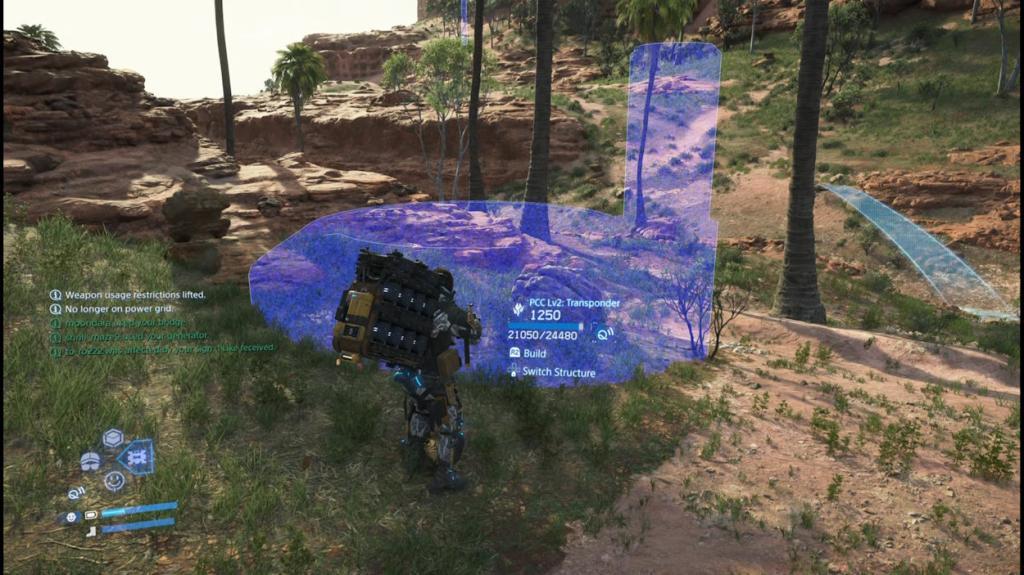
The Portable Chiral Constructor, abbreviated as PCC, serves as the fundamental tool for fabricating diverse infrastructure throughout the world of Death Stranding: On the Beach. To initiate construction of any structure, follow this optimized procedure:
- Acquire a PCC device (Level 2 or higher recommended for enhanced capabilities)
- Navigate the construction menu to select your desired structure type
- Identify optimal placement locations considering terrain and strategic value
- Confirm positioning when the holographic preview displays blue coloration
- Execute construction by pressing the R2 trigger to deploy the structure
Critical strategic insight: Certain advanced structures cannot be completed solely through PCC deployment. Foundations for complex buildings like Safehouses and Bridges require initial PCC placement followed by substantial resource investment to achieve full operational status.
Every constructed facility consumes specific chiral bandwidth allocations within Death Stranding 2’s interconnected network system. Strategic planning of your infrastructure development prevents exceeding regional capacity limitations while maximizing connectivity benefits. Below you’ll find the comprehensive catalog of buildable structures with advanced usage strategies.

Essential Observation Structures: Watchtowers provide critical reconnaissance capabilities, revealing terrain features and enemy positions within substantial radii. Advanced placement technique: Position watchtowers at elevation transitions to maximize visibility coverage.
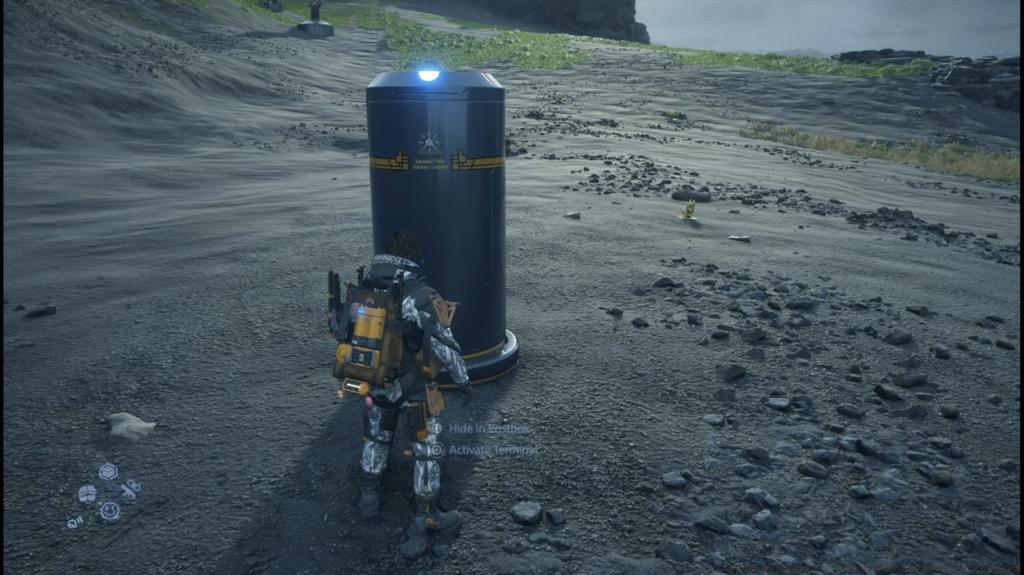
Storage and Distribution Hubs: Postboxes serve as decentralized storage nodes, enabling strategic cargo management across extended delivery routes. Pro tip: Establish postbox networks at 500-meter intervals for optimal cargo transfer efficiency.

Environmental Protection: Timefall shelters create safe zones from corrosive precipitation, preserving cargo integrity and providing temporary respite. Strategic placement: Locate shelters near resource deposits or challenging terrain sections.
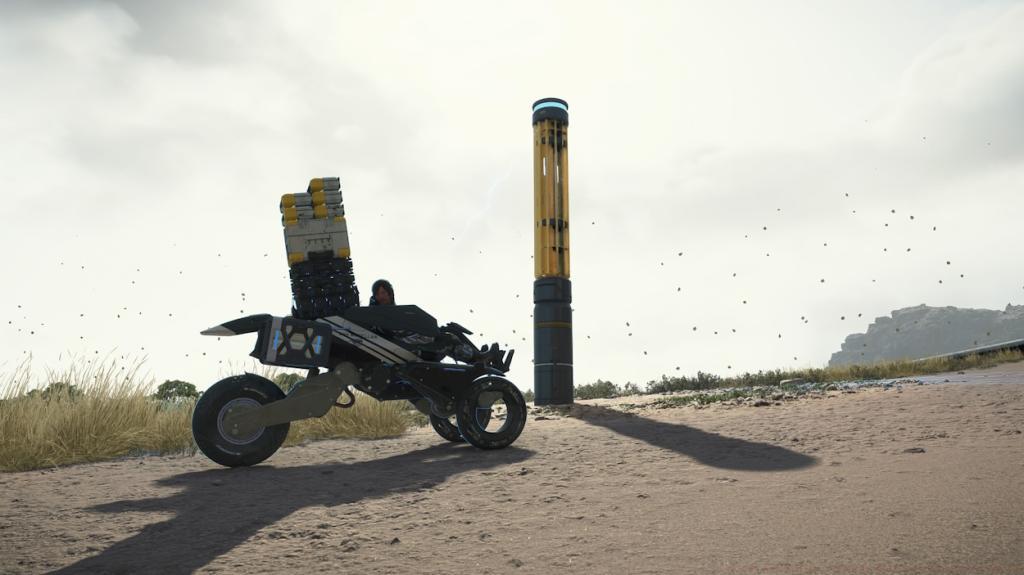
Power Infrastructure: Generators replenish battery power for vehicles and equipment, extending operational range in remote regions. Optimization strategy: Deploy generators at 1-kilometer intervals along frequently traveled routes.
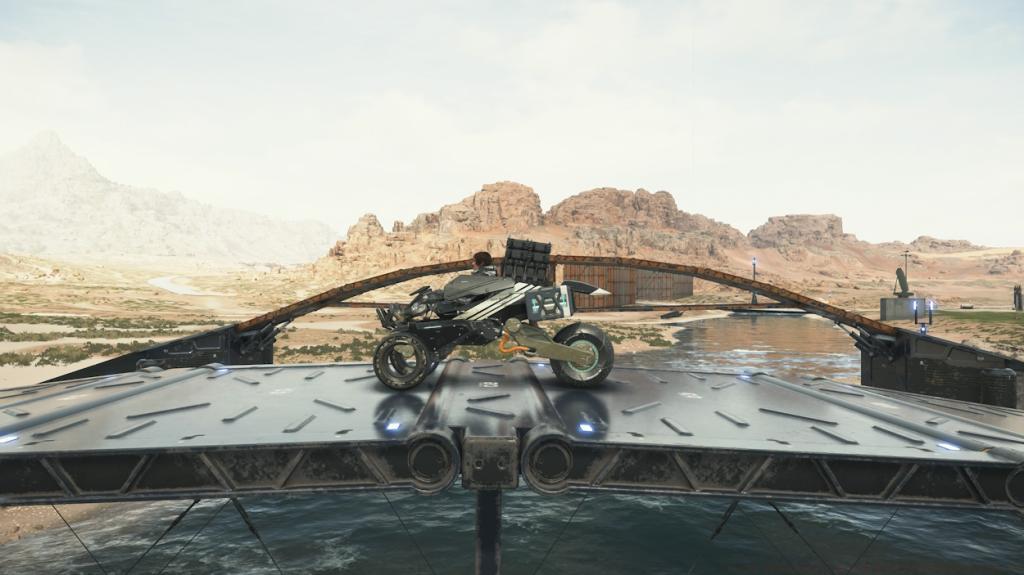
Terrain Navigation: Bridges span impassable gaps and waterways, creating reliable transportation corridors. Advanced technique: Combine bridges with ramps for complex terrain solutions.
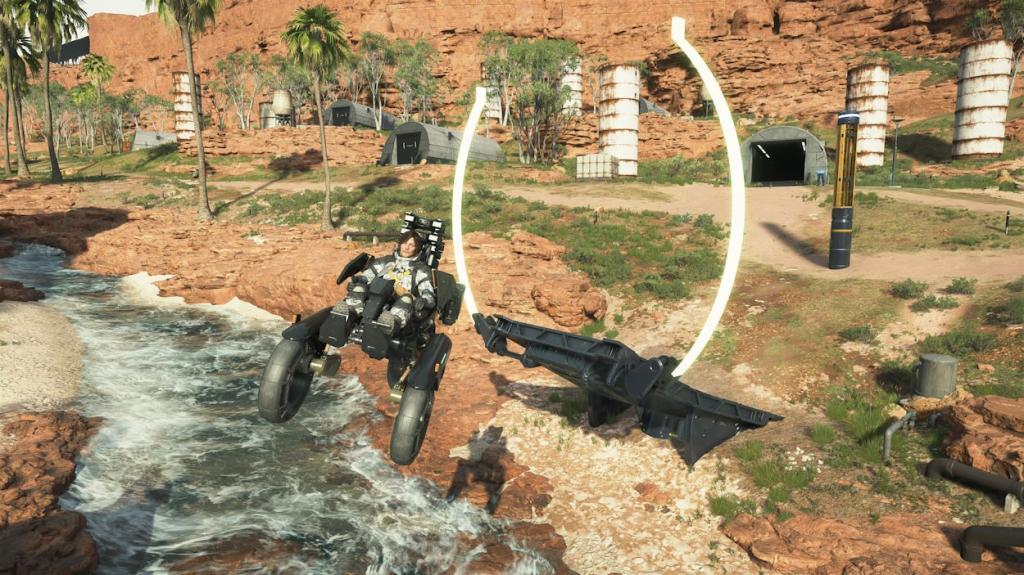
Vertical Mobility: Jump ramps enable vehicle traversal over obstacles and elevation changes, opening alternative routing possibilities. Pro tip: Angle ramps toward safe landing zones to prevent cargo damage.
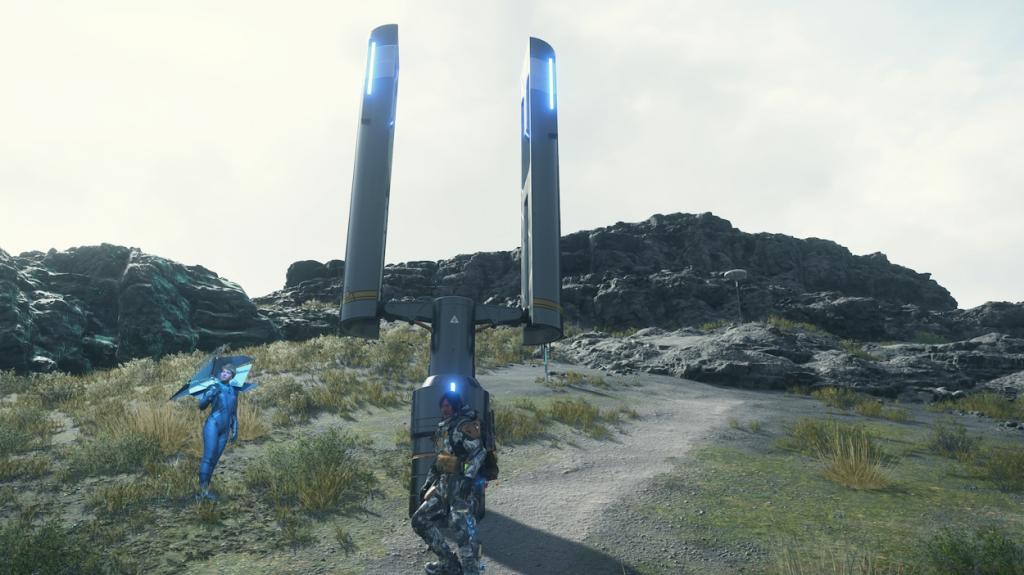
Rapid Transit Network: Ziplines establish high-speed aerial transportation corridors, dramatically reducing traversal time across difficult terrain. Network planning: Create zipline grids with 300-meter spacing for maximum coverage.
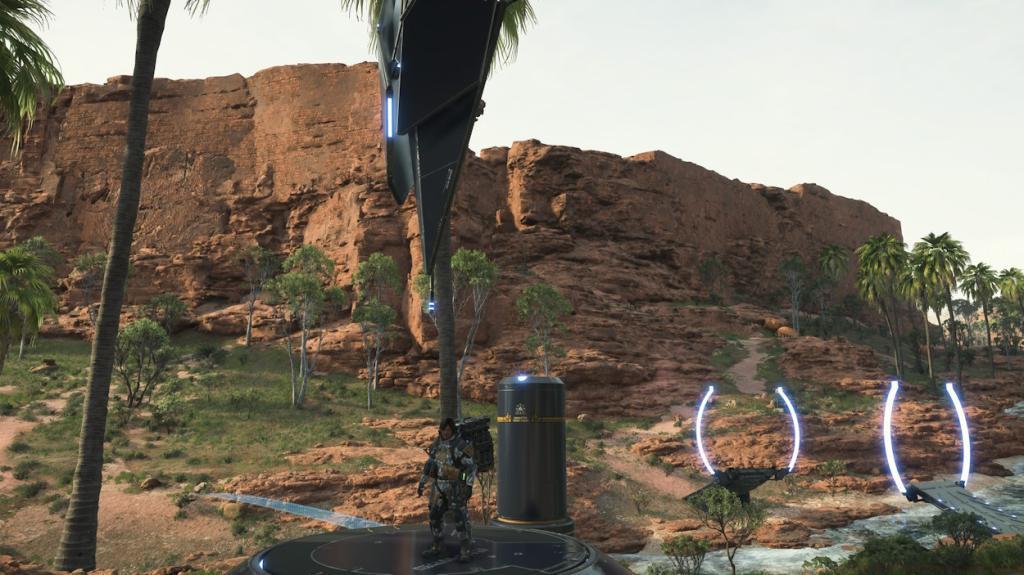
Navigation Assistance: Transponders emit persistent signals visible at long distances, providing reliable orientation points in low-visibility conditions. Strategic deployment: Place transponders at navigation decision points.
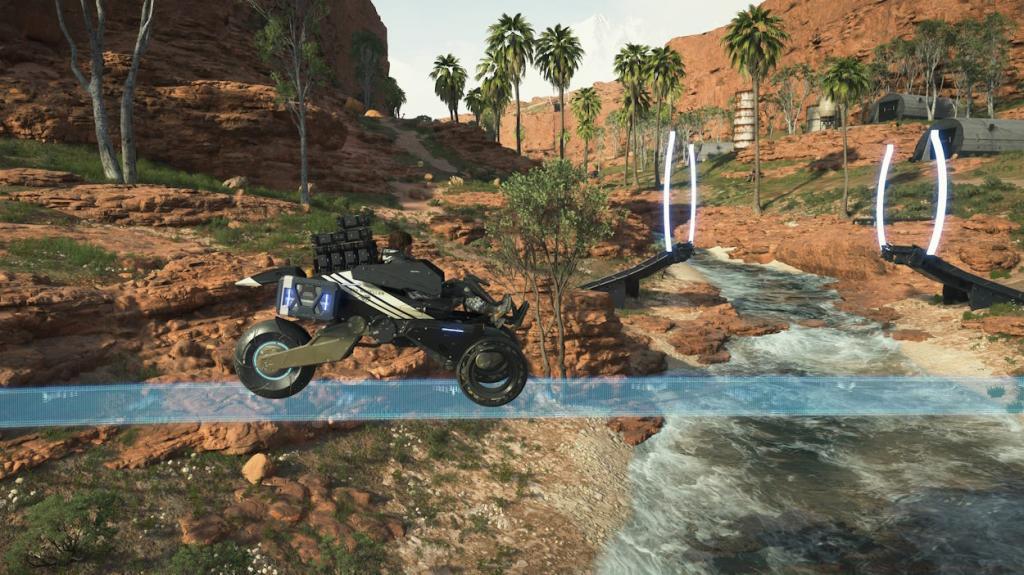
Advanced Infrastructure: Chiral Bridges represent cutting-edge technology, enabling traversal across previously impassable chiral-rich zones. Usage note: Requires substantial chiral bandwidth allocation.
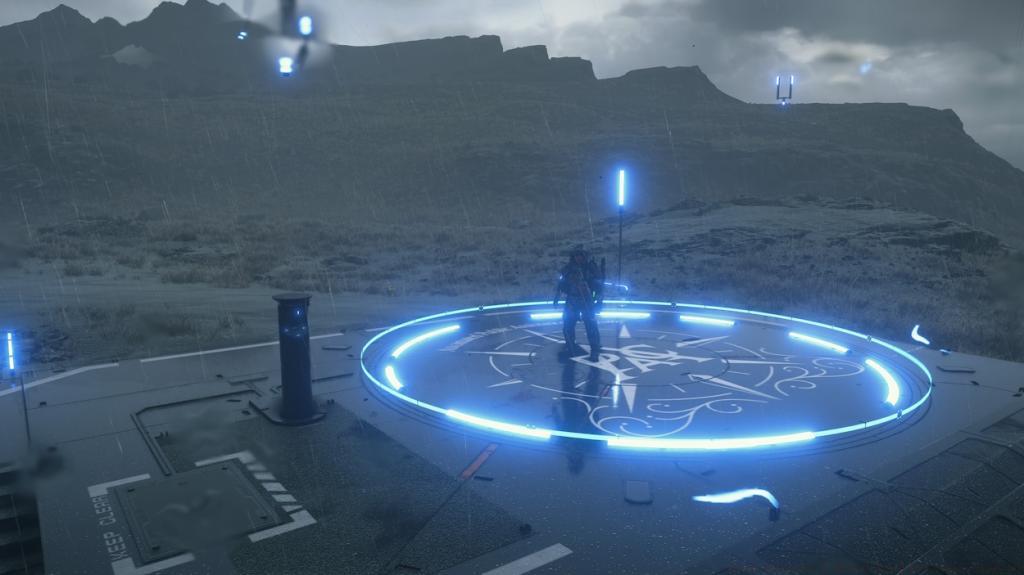
Base Operations: Safehouses function as comprehensive operational centers, offering storage, rest facilities, and fabrication capabilities. Strategic placement: Establish safehouses at regional centers to minimize backtracking.

Recovery Facilities: Hot springs restore health and stamina while providing temporary sanctuary from environmental hazards. Placement strategy: Locate near challenging terrain or enemy territory.

Logistics Innovation: Cargo catapults revolutionize delivery operations by launching packages across vast distances, bypassing ground-based obstacles entirely. Advanced technique: Pair catapults with receiving postboxes for automated delivery systems.
All infrastructure elements support progressive enhancement through systematic upgrades requiring additional resource investment. The primary benefit of upgrading structures is significantly enhanced durability and expanded functionality. To upgrade any structure, access its terminal interface, select the upgrade option, and deliver the required materials; the enhancement process completes automatically.
Upgrade Path Analysis: Structure upgrades follow tiered progression systems, with each level providing substantial benefits. Level 2 structures typically offer 50% increased durability, while Level 3 variants may introduce entirely new capabilities. Strategic insight: Prioritize upgrading frequently used structures and those in hostile environments.
Chiral Bandwidth Management: Every constructed facility consumes specific chiral bandwidth allocations. Advanced players should monitor regional capacity and strategically dismantle obsolete structures to free bandwidth for more valuable installations.
Common Construction Mistakes: Novice builders frequently exceed chiral bandwidth limits by overbuilding in single regions. Solution: Distribute infrastructure development evenly across connected areas and regularly audit your network efficiency.
Multi-structure Synergy: Combining different structure types creates powerful emergent gameplay possibilities. Example: Positioning generators near zipline networks ensures continuous power for extended transit operations.
Advanced Placement Strategies: Optimal structure positioning considers multiple factors including terrain topology, resource availability, and anticipated travel patterns. Pro technique: Use watchtowers to scout optimal locations before committing resources to permanent structures.
Action Checklist
- Acquire PCC Level 2+ from distribution centers or fabricate using advanced materials
- Scout optimal locations using watchtowers before permanent construction
- Deploy essential infrastructure (generators, postboxes) at strategic intervals
- Establish zipline networks with 300-meter spacing for rapid transit corridors
- Systematically upgrade high-value structures to enhance durability and functionality
- Regularly audit chiral bandwidth allocation and dismantle obsolete structures
No reproduction without permission:Tsp Game Club » Death Stranding 2: How to Build Structures Using PCC Master Death Stranding 2 structure building with advanced PCC techniques and strategic placement insights