
TL;DR
- DHV Magellan ship enables cargo transport with unique Magellan evaluation system
- Transponders replicate Fragile’s beach jumping via PCC construction and online sharing
- Hot springs provide both restoration and teleportation between constructed locations
- All methods require Chiral Network connectivity and have distinct cargo handling rules
- Strategic method selection based on delivery type and time constraints is crucial
Death Stranding 2 maintains its core traversal mechanics where extensive walking and cargo delivery define the gameplay experience. While the original title featured Fragile’s beach-jumping teleportation, the sequel introduces completely reimagined transportation systems that leverage the expanding Chiral Network infrastructure. Understanding these new mechanics early will significantly enhance your delivery efficiency throughout the game.
The absence of Fragile’s direct assistance doesn’t limit your mobility options. Instead, Death Stranding: On the Beach provides three distinct fast travel methods that become available as you progress through the narrative and expand network coverage. Each system offers unique advantages and limitations that experienced porters must master.
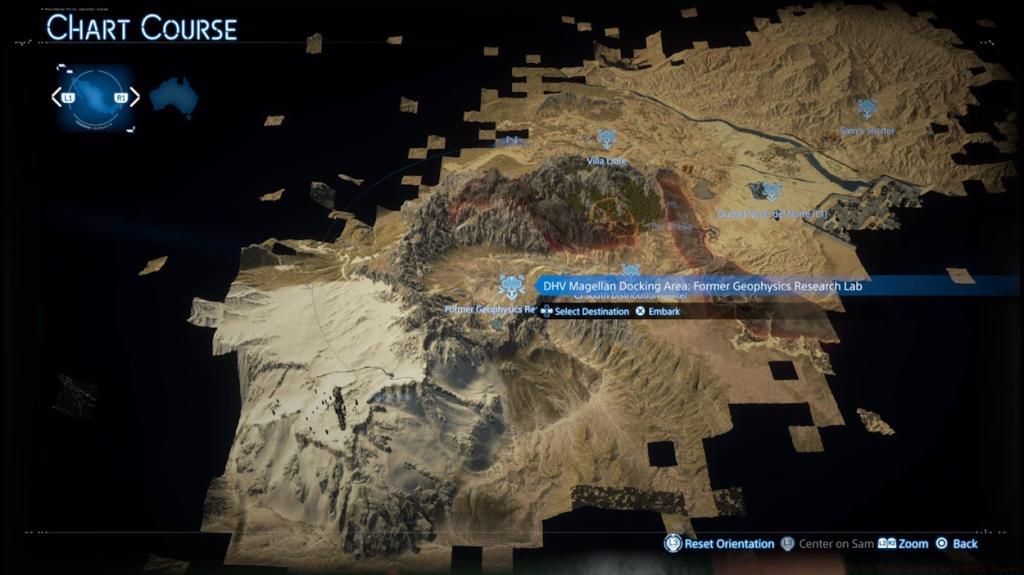
The Deep-Tar Hunting Vessel (DHV) Magellan serves as Drawbridge’s mobile headquarters and represents the most versatile fast travel option. Unlocking occurs automatically upon reaching the F1 Distribution Centre in Australia, where Tarman activates the ship’s teleportation capabilities. This system harnesses the tar substrate beneath the terrain to transport Sam between Chiral Network-connected regions with unprecedented cargo capacity.
Unlike alternative methods, the DHV Magellan permits transporting all carried cargo during transit, though deliveries receive specialized Magellan evaluation metrics. This distinct rating system affects your overall porter standing differently than standard deliveries, requiring strategic consideration for critical shipments.
Time acceleration represents a crucial factor when utilizing ship travel. The journey consumes significant in-game time, potentially jeopardizing time-sensitive deliveries. Plan routes carefully to avoid missing deadlines, particularly for premium delivery contracts where punctuality heavily influences rewards.
Pro Tip: Reserve DHV Magellan transport for bulk cargo shipments without strict time constraints, while using faster methods for urgent deliveries. The ship’s ability to move equipment and vehicles between regions makes it invaluable for establishing new operational bases.
Transponders emerge as the spiritual successor to Fragile’s beach-jumping technique, utilizing similar otherworldly mechanics for instantaneous travel. The blueprint becomes accessible after recruiting Heartman from his laboratory facility, enabling construction via your Portable Constructor (PCC).
These structures function as interconnected waypoints across the Chiral Network, allowing rapid movement between distribution centers, safe houses, and player-built locations. The online component enables accessing transponders constructed by other players, creating an ever-expanding transportation web that benefits the entire porter community.
Similar to the original game’s mechanics, transponder travel requires depositing all cargo in private lockers before activation. This limitation makes them ideal for scouting missions, equipment retrieval, or reaching distant locations quickly without active delivery objectives.
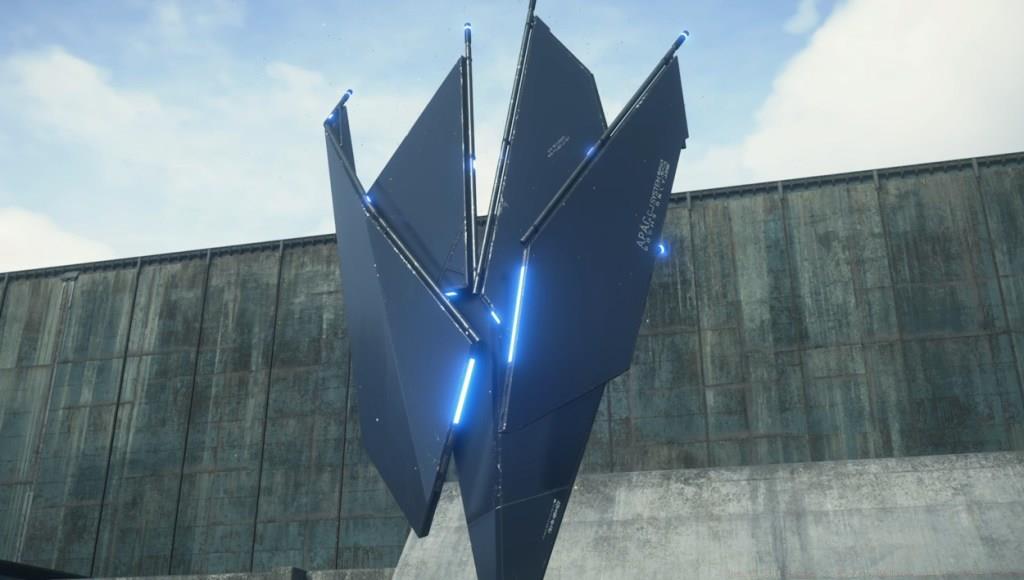
Advanced Strategy: Construct transponders at strategic high-elevation points to create efficient travel networks that bypass difficult terrain. Like mastering weapon systems in tactical games, optimal transponder placement significantly enhances overall mobility efficiency.
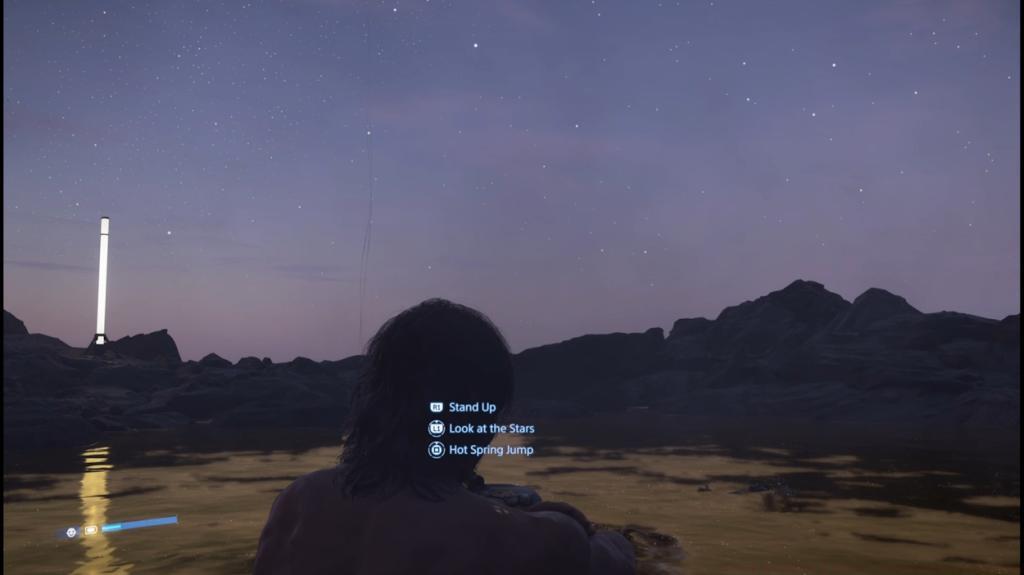
Hot springs return with enhanced functionality, serving dual purposes as restoration sites and teleportation conduits. The PCC construction capability allows building these thermal portals anywhere within Chiral Network coverage, creating personalized fast travel routes tailored to your delivery patterns.
The mechanics involve submerging into one hot spring and emerging from another connected location. This system operates similarly to transponders regarding cargo handling—all carried items automatically transfer to the departure spring’s private locker before teleportation occurs.
Beyond transportation, hot springs provide valuable stamina regeneration and debuff removal benefits. This makes them ideal waypoints during extended traversal missions where both mobility and character maintenance are priorities.
Common Mistake: Players often underestimate the strategic value of hot spring networks for connecting remote delivery routes. Unlike the structured approaches needed for comprehensive game guides, spring placement requires understanding your personal travel patterns and frequent destinations.
Each transportation system serves distinct strategic purposes based on cargo requirements and time sensitivity. The DHV Magellan excels for equipment relocation and non-urgent bulk deliveries, while transponders and hot springs optimize rapid personnel movement between established points.
Cargo handling represents the primary differentiator—only the ship permits transporting goods during transit. Both transponders and hot springs automatically store cargo in lockers, making them unsuitable for delivery missions but perfect for strategic positioning.
Time consumption varies significantly between methods. Ship travel advances the game clock substantially, transponders cause moderate time progression, while hot springs typically consume the least temporal resources during activation.
Optimization Tip: Establish a hub-and-spoke system using the DHV Magellan as your central transport for major relocations, while deploying transponders and hot springs for routine inter-hub mobility. This approach mirrors the strategic planning required for class selection in team-based games, where complementary abilities create superior overall effectiveness.
Network dependency remains constant across all systems—without Chiral Network connectivity, fast travel becomes impossible. Prioritize expanding network coverage to unlock these transportation benefits across the game world.
Action Checklist
- Reach F1 Distribution Centre to unlock DHV Magellan ship travel
- Recruit Heartman to access transponder blueprints for PCC construction
- Construct strategic hot spring networks connecting frequent delivery destinations
- Establish cargo management protocol based on travel method selection
- Expand Chiral Network coverage to maximize fast travel accessibility
No reproduction without permission:Tsp Game Club » Death Stranding 2: How to Unlock and Use Fast Travel Master Death Stranding 2's three fast travel methods with strategic cargo management and efficiency tips