
Master Doom The Dark Ages with strategic difficulty settings and custom sliders for optimal gameplay experience
Understanding Difficulty Presets
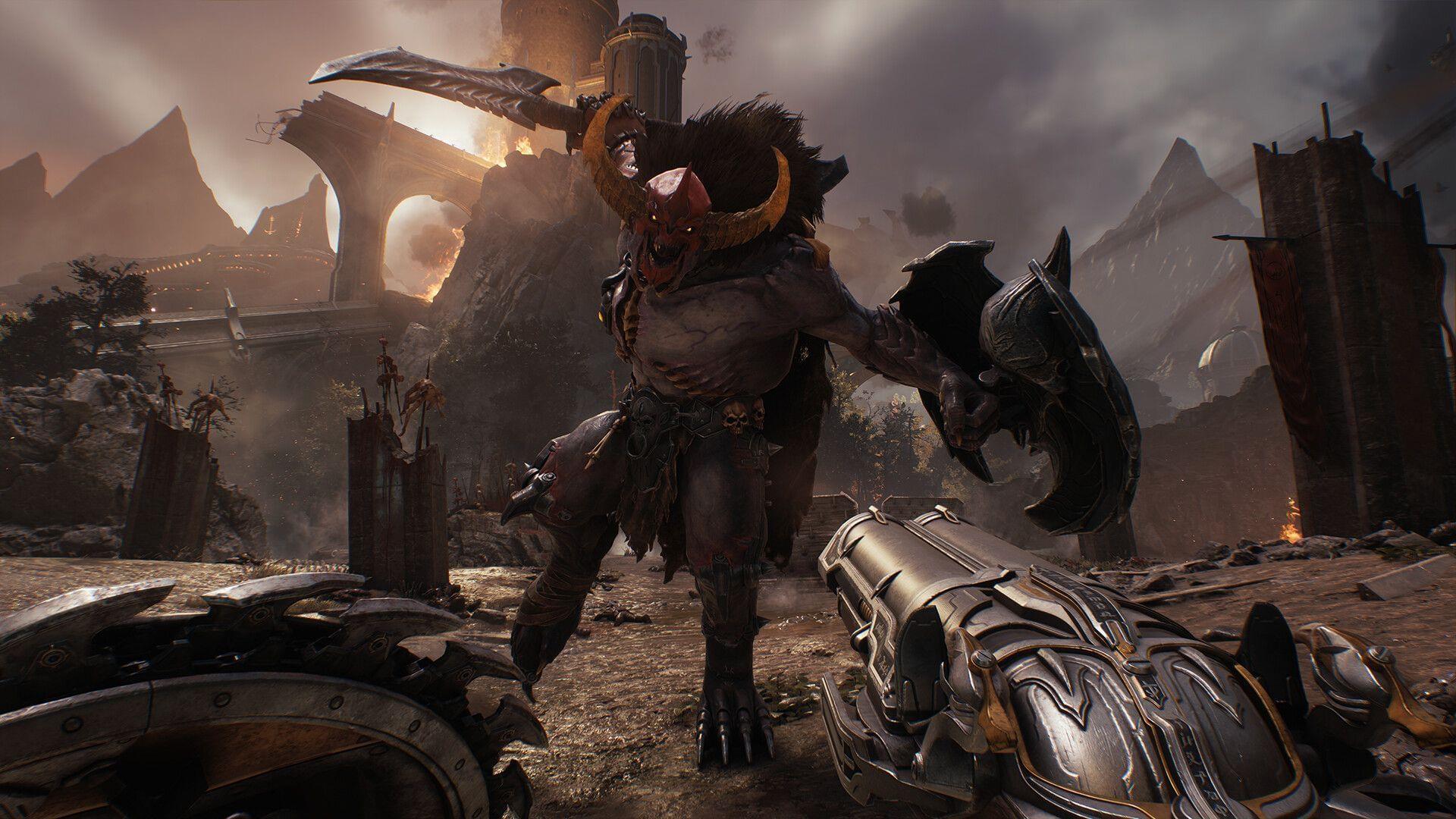
Doom The Dark Ages revolutionizes the series’ approach to challenge with its innovative difficulty customization system. While previous installments like Doom 2016 and Doom Eternal utilized fixed presets, this prequel introduces granular tuning options that honor the franchise’s roots in Doom (1993) and Doom II (1994). The redesigned system emphasizes strategic positioning and tactical decision-making over frantic movement, creating a more methodical combat experience.
The foundation begins with four primary difficulty tiers that establish the baseline challenge level:
Aspiring Slayer serves as the entry point, offering generous combat windows and reduced enemy pressure – perfect for learning the game’s mechanics. This corresponds to the classic “I’m too young to die” setting from earlier titles. Hurt me Plenty provides balanced combat that maintains tension without overwhelming newcomers. Ultra-Violence delivers intense demon-slaying action that will test seasoned FPS veterans. Nightmare represents the peak base difficulty with aggressive enemies and minimal room for error.
Beyond these core options, two specialized modes offer unique challenges. Pandemonium mode combines Nightmare-level intensity with collectible Life Sigils that grant additional respawn opportunities within chapters. Running out of these sigils results in campaign failure. Ultra-Nightmare maintains the same brutal difficulty but eliminates the safety net – a single death ends your entire campaign permanently. In this mode, Life Sigils function solely as healing items rather than extra lives.
Choosing the right starting preset depends heavily on your gaming background. Complete FPS newcomers should begin with Aspiring Slayer to build fundamental skills. Players with shooter experience but new to Doom’s specific mechanics will find Hurt me Plenty appropriately challenging. Doom Eternal veterans can jump directly into Ultra-Violence, while series experts seeking maximum intensity should embrace Nightmare difficulty.
Advanced Slider Customization
The true innovation in Doom The Dark Ages lies in its comprehensive slider system, which allows players to fine-tune nearly every aspect of combat. These ten adjustable parameters create unprecedented control over gameplay experience:
- Parry Window: Adjusts the timing flexibility for countering enemy attacks. Wider windows make defensive play more accessible, while narrower settings demand precise reflexes.
- Enhanced Targeting: Toggles aim assistance for players who struggle with precision shooting or prefer focusing on movement and positioning.
- Empowered Attacks: Controls whether your attacks can interrupt enemy actions. Disabling this forces more strategic engagement timing.
- Damage to Player: Global modifier affecting all incoming damage. Lower values create more forgiving combat, while higher settings increase lethality.
- Damage to Demons: Adjusts your offensive output. Increasing this can speed up encounters, while decreasing it emphasizes resource management.
- Enemy Aggression: Determines how many foes attack simultaneously. Higher values create chaotic swarm combat, while lower settings allow more methodical engagements.
- Game Speed: Modifies overall gameplay tempo. Slower speeds help players process complex situations, while faster settings increase intensity.
- Daze Duration: Controls how long stunned enemies remain vulnerable. Longer durations create more tactical opportunities.
- Enemy Projectile Speed: Affects dodging difficulty. Slower projectiles are easier to evade, while faster ones demand quicker reactions.
- Resource Values: Adjusts health, armor, and ammunition pickup quantities. Lower values emphasize conservation, while higher settings enable aggressive play.
These customization options become available after selecting a base difficulty preset. However, players should note that changing your primary difficulty setting will reset all slider adjustments to their default values for that preset. This prevents conflicting configurations but requires careful planning if you want to maintain specific custom settings.
Strategic slider combinations can dramatically alter gameplay dynamics. For example, combining high enemy aggression with slowed game speed creates tense tactical situations where positioning becomes paramount. Alternatively, reducing damage taken while increasing damage dealt creates a power fantasy experience that maintains challenge through enemy numbers rather than lethality.
Strategic Difficulty Planning
Doom The Dark Ages presents a notably different challenge philosophy compared to its predecessor. Across all 22 campaign chapters, the overall difficulty curve remains substantially more accessible than Doom Eternal and its Ancient Gods expansion. This design shift moves away from Doom Eternal’s demanding action-per-minute requirements and weapon-specific enemy weaknesses toward a more flexible combat system.
This accessibility translates to several practical advantages. Players can effectively engage diverse demon types using preferred weapons rather than constantly switching for optimal damage. Resource management becomes less punitive, allowing more experimental playstyles. Positioning remains important but doesn’t demand the constant aerial mobility that characterized Doom Eternal’s combat.
For optimal experience, consider these strategic approaches:
Progressive Customization: Begin with standard presets, then gradually adjust sliders to address specific challenges. If certain enemy types prove troublesome, consider widening parry windows or reducing their projectile speed temporarily.
Playstyle Matching: Aggressive players might increase resource values and damage to demons while maintaining standard enemy aggression. Defensive players could benefit from extended daze duration and reduced damage taken.
Common Configuration Mistakes: Avoid combining dramatically conflicting settings like maximum enemy aggression with minimum damage to demons, which creates overwhelming encounters with protracted combat. Similarly, high game speed with narrow parry windows demands near-perfect reflexes that may frustrate rather than challenge.
The game’s setting during the events at Argent D’Nur provides narrative context for this adjusted difficulty philosophy. As a prequel exploring the Doom Slayer’s origins, the combat experience reflects his developing capabilities rather than the peak power demonstrated in later timeline entries.
Remember that difficulty customization serves your enjoyment rather than arbitrary challenge standards. The slider system empowers players to create their ideal demon-slaying experience, whether that means a relaxed power fantasy or a demanding test of skill. Don’t hesitate to adjust settings mid-campaign if your experience isn’t matching expectations.
No reproduction without permission:Tsp Game Club » Doom The Dark Ages all difficulties explained: Which one should you choose? Master Doom The Dark Ages with strategic difficulty settings and custom sliders for optimal gameplay experience