
TL;DR
- Drop Point combines survival mechanics with strategic PvP in a unique three-environment setting
- The cash economy system creates meaningful progression beyond traditional crafting
- High-risk raiding mechanics with permanent loot loss add significant stakes
- Story-driven exploration provides purpose beyond basic survival gameplay
- Community-focused development ensures continuous content updates and improvements
As a veteran of survival titles like DayZ and Rust with over 500 hours across the genre, I’ve developed a keen eye for what separates memorable survival experiences from generic ones. When Tiny Indie Studios approached me about Drop Point, I immediately recognized its potential to innovate within the crowded survival space. Special appreciation goes to Michael Kanara and Piripi Hohaia from the Tiny Indie Studios development team for providing exclusive insights into their design philosophy.
Drop Point establishes a brutally efficient progression cycle: Spawn → Survive → Thrive. Your expedition commences on a desolate shoreline equipped with minimal provisions—just a single apple, basic medical supplies, and a primitive stone implement. This foundational approach mirrors established survival conventions but rapidly diverges through its implementation of multi-environment challenges encompassing terrestrial, aquatic, and maritime domains simultaneously.
The survival phase introduces escalating threats that demand strategic adaptation. Unlike many contemporaries that focus on single-environment gameplay, Drop Point requires mastery across three distinct biomes, each presenting unique hazards and resource opportunities. Early game navigation demands careful planning as undead adversaries patrol key resource locations with increasing density based on time-of-day cycles and weather conditions.
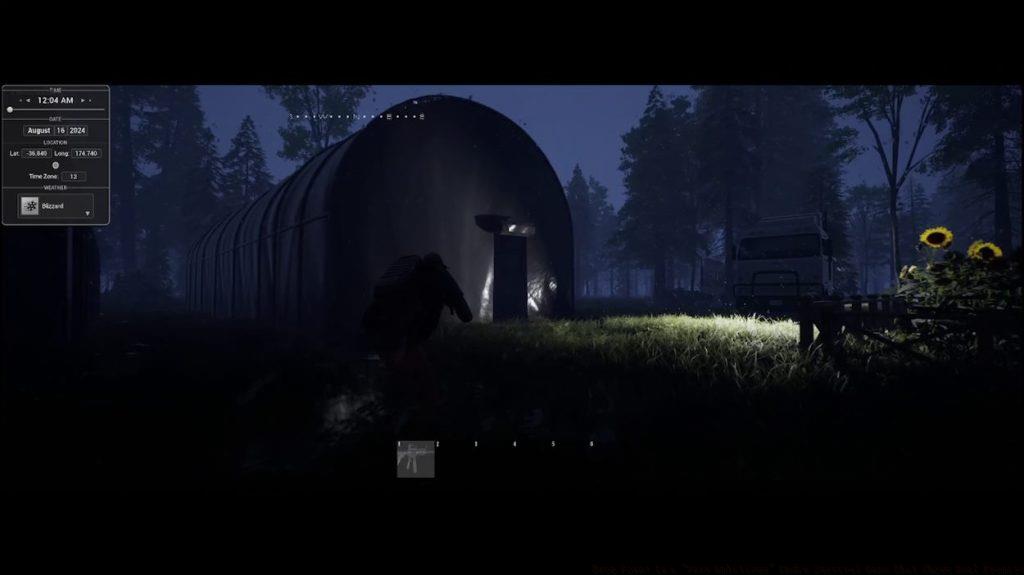
Pro Tip: New players should prioritize establishing a hidden stash within their first 30 minutes of gameplay. This safeguards essential resources against unexpected player encounters or environmental disasters, significantly reducing early-game frustration from complete inventory loss.
Crafting systems in Drop Point evolve through three distinct technological tiers. Initial improvisation allows creation of essential tools directly from inventory using gathered materials. This transitions to dedicated crafting stations that enable production of specialized equipment, culminating in access to high-efficiency machine crafting stations located within contested territorial zones.
Base construction follows strategic principles rarely seen in indie survival titles. Defensive positioning must account for both PvP raid vectors and environmental NPC patrol routes. Smart builders leverage natural terrain features like rock formations and dense foliage to create concealed entry points and escape routes.
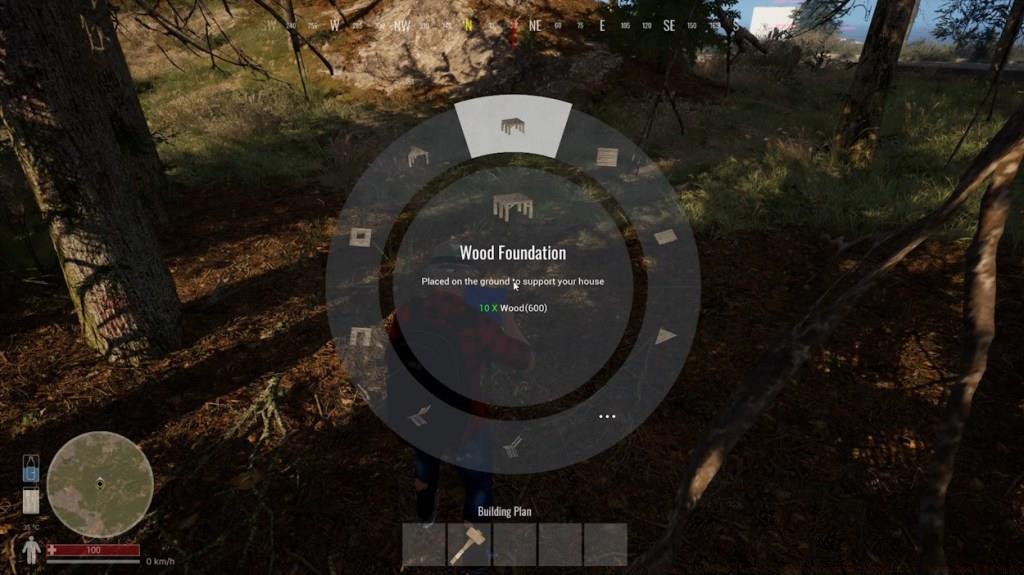
Common Mistake: Many newcomers immediately construct elaborate bases in visually prominent locations, making them prime targets for experienced raiders. Instead, establish multiple smaller outposts with distributed resources to minimize catastrophic losses from successful raids.
Advanced players should target control of machine crafting stations within 15-20 hours of gameplay. These high-value locations typically require squad coordination to secure and defend but provide access to endgame weaponry and specialized equipment unavailable through personal crafting alone.
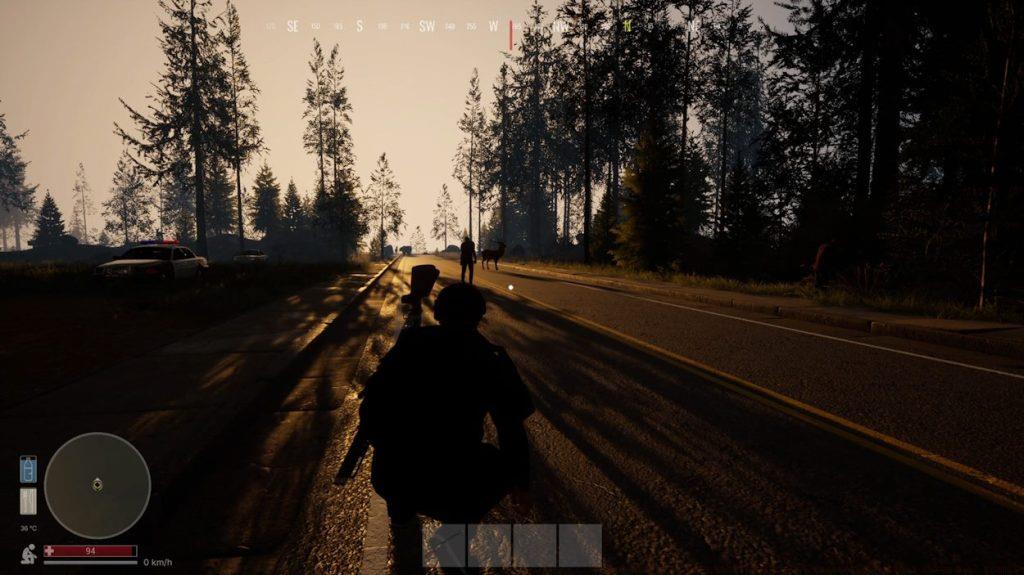
Drop Point’s economic framework introduces a persistent cash system that transcends individual character lifespans. Accumulated currency survives death events, enabling strategic investment in permanent upgrades and specialized equipment from centralized vendors. This creates meaningful progression beyond the typical survival game cycle of gear accumulation and loss.
Raiding mechanics adopt a high-stakes approach reminiscent of hardcore extraction shooters. Successful base infiltration requires careful planning, specialized tools, and escape route consideration. Defenders can implement layered security systems including automated traps, alarm networks, and strategically placed observation posts.
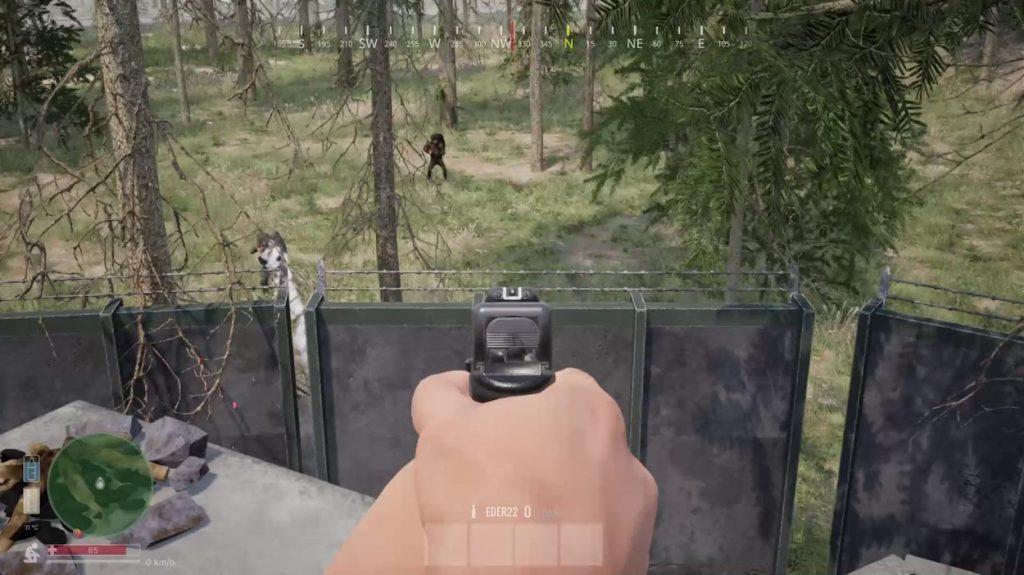
The PvP experience addresses common shortcomings in survival titles where combat often lacks consequence. Drop Point implements permanent loot loss upon death, ensuring every engagement carries significant risk versus reward calculations. This mechanic fundamentally alters player behavior compared to more forgiving survival games.
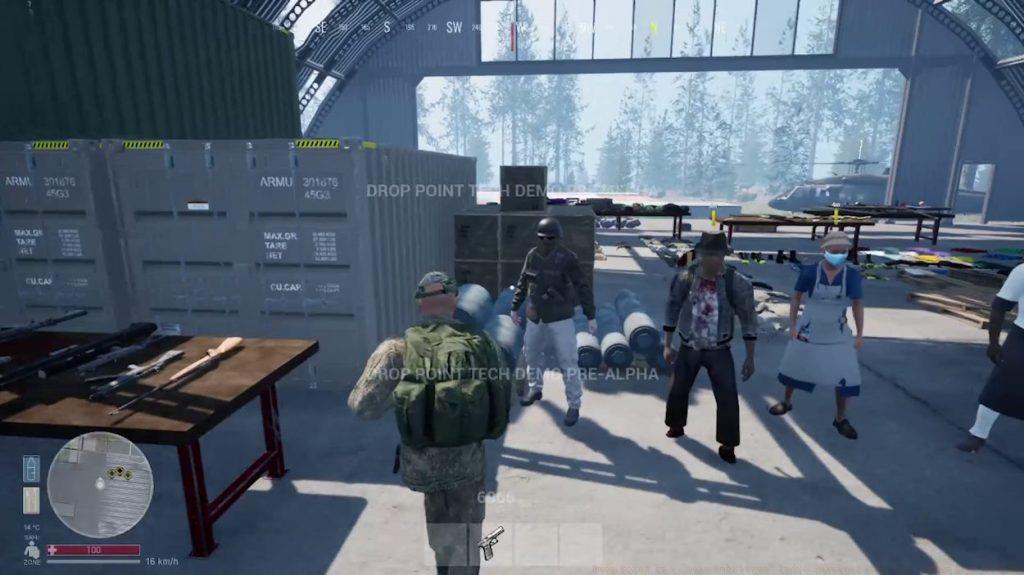
Optimization Tip: Allocate approximately 40% of your accumulated cash to permanent character upgrades, 35% to raid preparation equipment, and 25% to emergency recovery funds. This balanced approach ensures consistent progression regardless of raid outcomes.
Narrative integration represents one of Drop Point’s most ambitious design choices. Unlike survival games that relegate story to environmental fragments or completely omit it, this title weaves a coherent mystery surrounding the corporate entity AquaNova and their activities on the island. Environmental storytelling provides contextual clues about the catastrophe that transformed the region.
Exploration rewards extend beyond material resources. Careful investigation of abandoned facilities, data terminals, and survivor journals progressively reveals the truth behind AquaNova’s operations and the subsequent collapse.
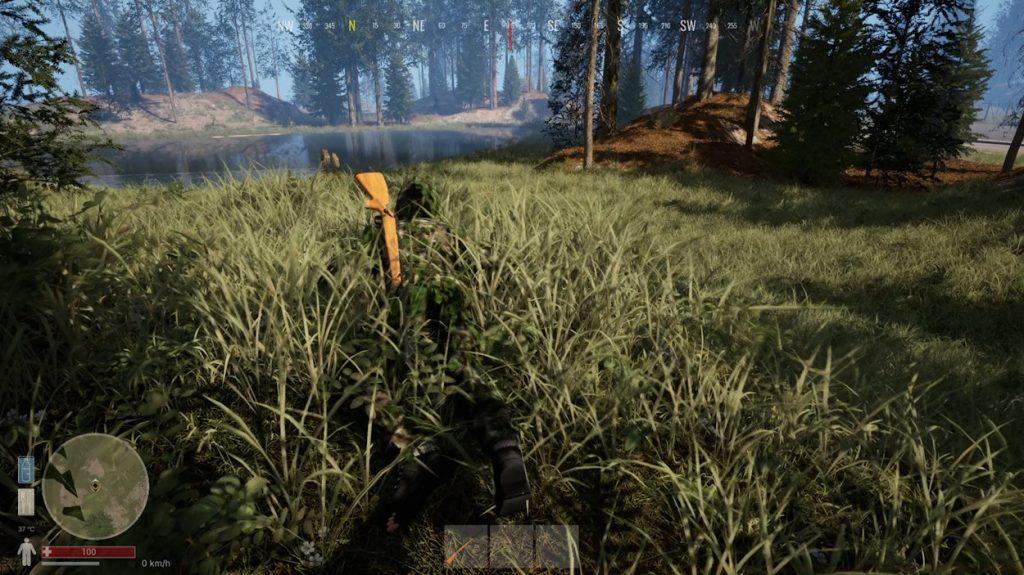
The development team’s community-focused approach ensures regular content expansions that build upon the established narrative framework. This ongoing development model differentiates Drop Point from many indie titles that receive limited post-launch support.
Strategic Insight: Allocate 2-3 hour sessions specifically dedicated to story progression. This focused approach yields better narrative comprehension compared to intermittent exploration during standard survival activities. For players interested in similar strategic approaches to game mechanics, our Class Guide provides complementary insights into specialization strategies.
Environmental navigation demands adaptation to dynamic conditions. Weather systems significantly impact visibility, mobility, and enemy behavior patterns. Blizzards reduce auditory detection ranges but increase hypothermia risks, while clear conditions improve navigation but heighten PvP encounter probabilities.
Action Checklist
- Establish hidden emergency stash within 30 minutes of spawning
- Master three-environment navigation (land/water/sea) within first 5 hours
- Secure machine crafting station access by 15-20 hour mark
- Implement cash allocation strategy (40% upgrades, 35% raid gear, 25% emergency funds)
- Complete dedicated story progression sessions (2-3 hours each)
No reproduction without permission:Tsp Game Club » Drop Point Is a “Very Ambitious” Indie Survival Game That Shows Real Promise Master Drop Point's survival mechanics, strategic base building, and cash economy for competitive advantage