
TL;DR
- FFT’s job system features 38 classes with tiered performance – Monks and Ninjas dominate physical combat while Summoners control magical warfare
- Advanced jobs require mastering prerequisites: Ninja needs Archer 4, Thief 5, Geomancer 2 – plan your progression early
- Hybrid builds create unstoppable warriors: combine Monk’s barehanded damage with Ninja’s Dual Wield for maximum physical output
- Chemists provide unmatched utility with instant potion throws and long-range equipment breaking from 8 spaces away
- Stat growth varies by job – level up strategically in classes that boost your preferred attributes for endgame optimization
Building a dominant army in Final Fantasy Tactics demands complete mastery of its sophisticated job class framework. With 38 distinct professions available, selecting optimal career paths can initially seem daunting for both newcomers and veterans. Whether you’re guiding Ramza through introductory skirmishes or constructing late-game powerhouses, your job selections fundamentally influence every aspect from attribute progression to combat effectiveness. This comprehensive manual deconstructs each profession, uncovers the most formidable combinations, and provides precise instructions for awakening Ivalice’s most lethal combatants.
Each character’s assigned role dictates their accessible skills, gear selections, and statistical development trajectories. Specific classes thrive in dedicated functions – Black Mages annihilate foes using elemental sorcery, whereas Knights absorb punishment and sabotage enemy armaments. The true strategic depth emerges when you merge capabilities from diverse professions, forging adaptable hybrids capable of confronting any battlefield scenario.
Final Fantasy Tactics: The Ivalice …
Progression to elite professions typically necessitates achieving proficiency in foundational classes initially. Aspiring to unlock the formidable Ninja? You must attain Archer Level 4, Thief Level 5, and Geomancer Level 2. This sequential advancement framework promotes tactical experimentation and guarantees your units cultivate versatile ability portfolios.

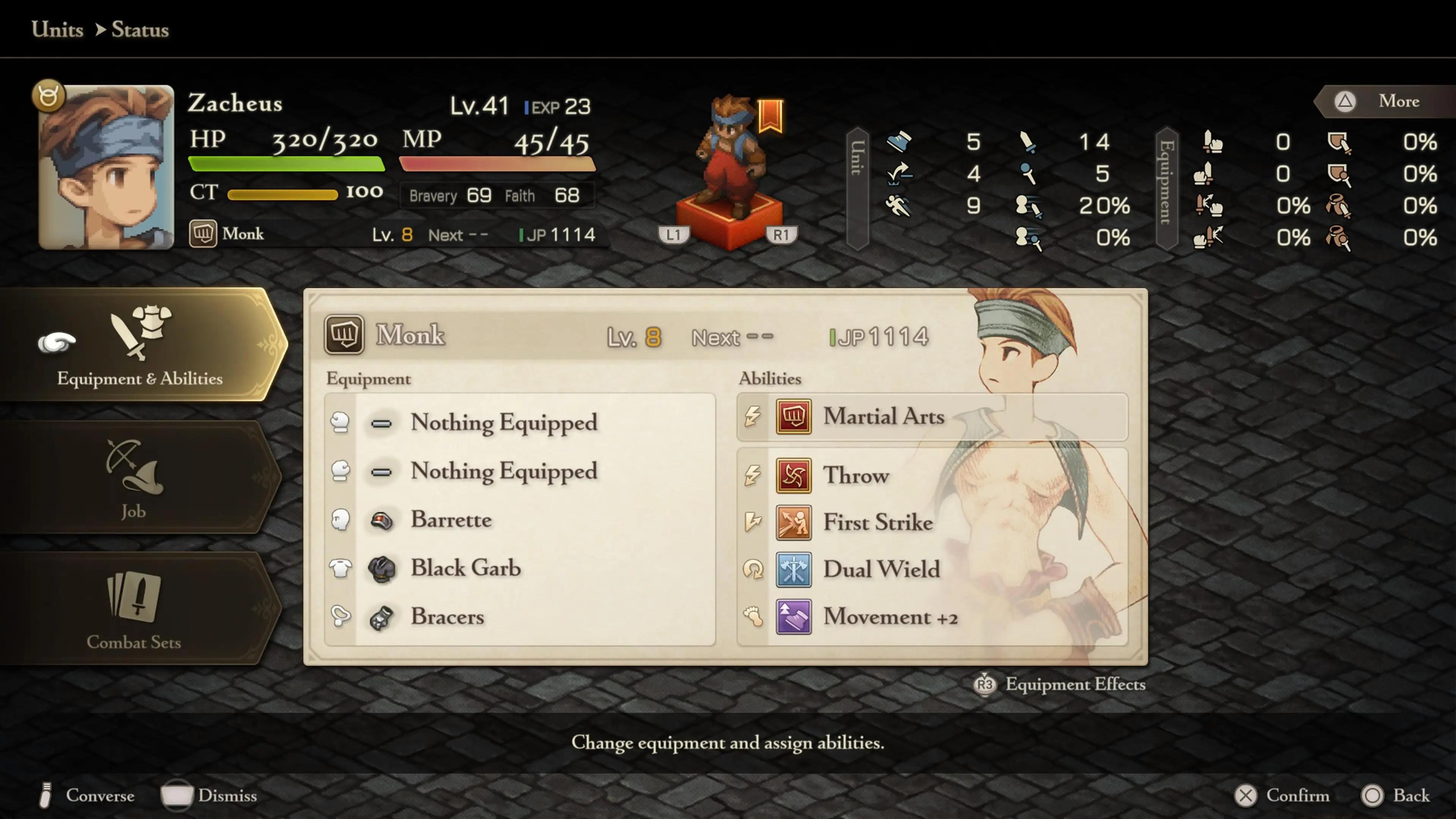
Monks consistently dominate combat scenarios because their unarmed strikes surpass most weaponized attacks while demanding zero monetary investment. Their Martial Arts proficiency scales damage output using bare-handed combat, while techniques like Chakra deliver complimentary healing and MP regeneration. Pro Tip: Monks gain increased power from high Brave values – aim for 70+ Brave for optimal performance.
Chemists may appear elementary initially, yet they function as battlefield deities. Immediate Potion deployments maintain your forces’ vitality, while firearms enable them to dismantle enemy gear from 8 tiles distance. Zero casting durations, no MP expenditures – absolute operational efficiency. Common Mistake: Underestimating Chemists’ late-game utility – their Auto-Potion reaction ability becomes incredibly powerful with X-Potions.
Summoners command the game’s most potent incantations. Contrasted with Black Mages, their invocations never damage allies and affect enormous zones. Bahamut and Cyclops can conclude engagements in solitary castings, whereas Lich inflicts percentage-based harm ideal for high-health boss encounters. Optimization Tip: Pair Summoners with high Faith characters (70+) for maximum damage output, but avoid using them on low-Faith units.
Ninjas blend velocity with Dual Wield capacity for catastrophic physical combinations. Dual armaments translate to doubled assault potential, and their elevated mobility maintains agility across all terrain types. Advanced Strategy: Combine Ninja speed with Monk abilities for a character that can move across the entire map and deliver devastating attacks in one turn.
Samurais provide instantaneous Iaido techniques that scale using Magical Attack potency. They represent the ideal hybrid – sufficiently durable to endure punishment while dispensing magical damage across expansive self-centered areas. Mechanics Insight: Samurai abilities cost HP instead of MP, making them excellent for magic-heavy teams that need consistent damage output.
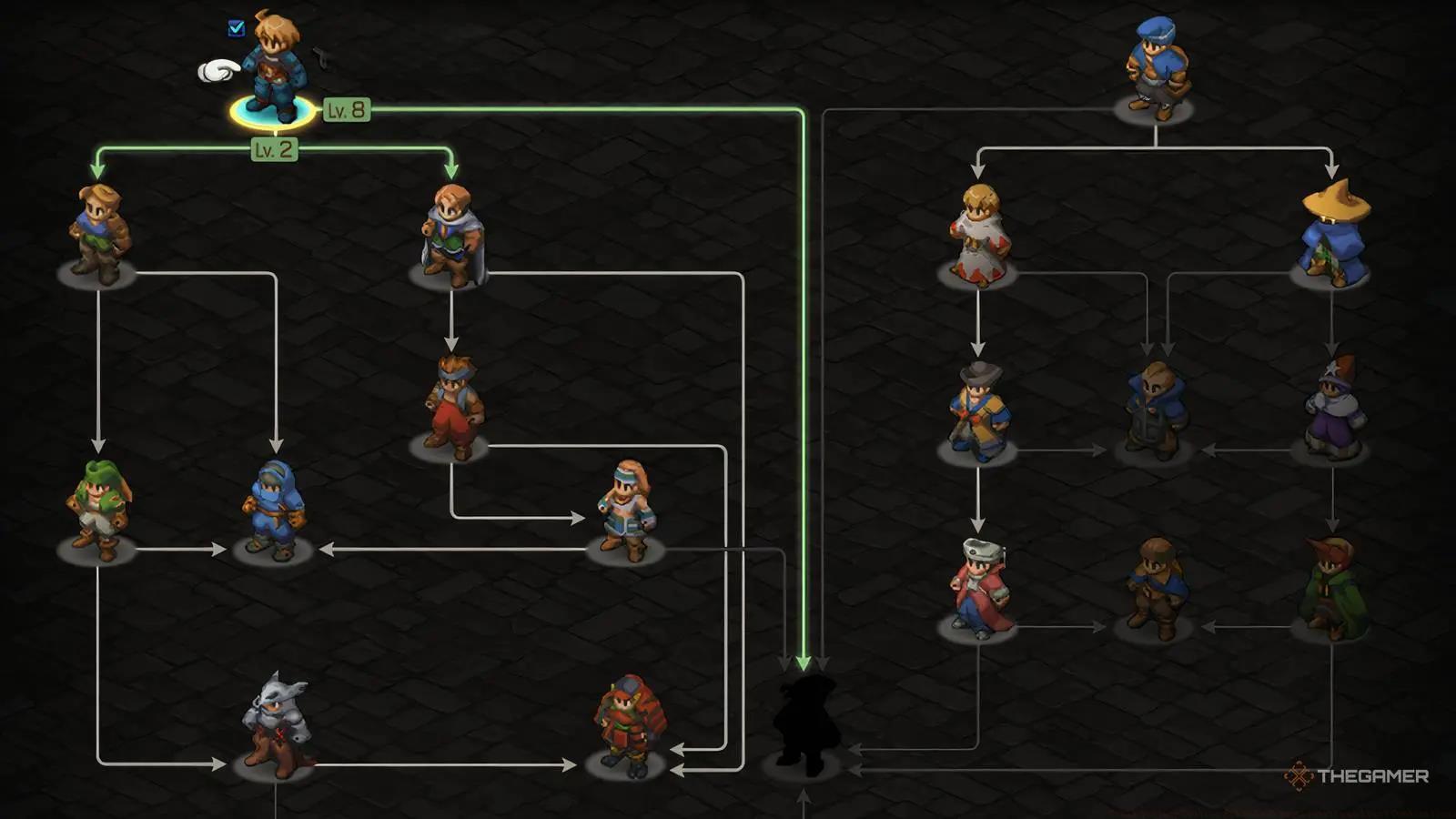
Navigating Final Fantasy Tactics’ job advancement system requires strategic planning from your initial recruitment decisions. The most efficient progression typically follows logical role evolution: Squire → Knight for defensive specialists, or Squire → Archer → Thief for agile combatants. Time-Saving Strategy: Focus on unlocking the Calculator job early through the Priest/White Mage path, as their mathematical spells can trivialize many difficult encounters.
Advanced profession prerequisites often demand significant investment across multiple foundational classes. For the coveted Ninja role, you’ll need Archer Level 4, Thief Level 5, and Geomancer Level 2 – a commitment requiring approximately 8-10 hours of focused gameplay. Common Pitfall: Neglecting to train multiple characters in Thief for the Treasure Hunter ability, which provides access to rare equipment throughout the campaign.
Specialized roles like the Dark Knight possess particularly demanding unlock conditions, including mastering multiple knight classes and achieving specific story progression milestones. Planning these career trajectories during early chapters prevents frustrating backtracking later. Progression Tip: Use the JP Boost ability from the Squire job to accelerate skill acquisition across all classes – this single ability can cut your grinding time by 30-40%.
The genuine strategic brilliance of Final Fantasy Tactics emerges through intelligent ability cross-pollination between professions. Combining a Monk’s innate physical power with a Ninja’s Dual Wield capability creates arguably the game’s most devastating damage dealer. This configuration enables four powerful unarmed strikes per turn, each benefiting from the Monk’s massive strength scaling. Battlefield Application: This build excels at eliminating high-priority targets like enemy mages and commanders in a single volley.
Magic-oriented hybrids offer equally impressive versatility. Pairing a Summoner’s expansive area-effect spells with a Time Mage’s haste and slow abilities generates unparalleled battlefield control. The Summoner/Time Mage combination can dictate engagement pacing while delivering catastrophic damage to multiple enemies simultaneously. Advanced Tactic: Use Quick from the Time Mage skills to grant your Summoner two consecutive turns, enabling back-to-back high-level summons that can decimate enemy formations.
For support specialists, the Chemist/White Mage fusion provides comprehensive healing coverage. Chemist abilities function instantly without casting time, while White Magic offers superior healing potency and status removal. This configuration ensures your team maintains operational effectiveness through extended engagements. Optimization Insight: Equip the Counter Tackle reaction ability from the Monk job to make your support characters surprisingly durable when enemies attempt to target them.
Samurai knights represent exceptional hybrid warriors when combined with physical classes. Their Iaido techniques scale with Magic Attack but target physical defense, creating damage that bypasses conventional protection methods. Pairing Samurai with Knight abilities creates a resilient combatant capable of both breaking enemy equipment and delivering magical area damage. Strategic Consideration: This combination works exceptionally well on characters with balanced physical and magical stat growth, like Ramza himself.
Understanding statistical development patterns represents a crucial yet frequently overlooked aspect of job system mastery. Each profession influences attribute growth differently when characters level up while occupying that role. Knights and Monks substantially enhance physical stats, while mage classes boost intellectual capabilities. Long-Term Planning: For physically-oriented characters, level up primarily as Monks or Knights during early and mid-game to maximize strength and HP growth for endgame content.
Faith and Bravery mechanics profoundly impact job performance but remain poorly explained within the game interface. High Faith values amplify magical damage and healing effectiveness but increase susceptibility to enemy spells. Elevated Bravery improves physical attack accuracy and damage while enhancing reaction ability activation rates. Mechanical Insight: Brave cannot fall below 10 or exceed 97 through conventional means, while Faith ranges from 0 to 94 – plan your character builds around these thresholds.
Equipment compatibility varies significantly across professions and dramatically influences combat effectiveness. While Ninjas can wield numerous weapon categories, their unique capacity to dual-wield normal weapons creates unparalleled damage potential. Optimization Strategy: Equip Ninjas with two of the strongest available weapons rather than weapon+shield combinations – the damage output increase far outweighs defensive benefits.
Battlefield adaptation represents the ultimate test of job system mastery. Successful commanders adjust their team compositions based on enemy types, terrain considerations, and mission objectives. Against magic-heavy opposition, incorporate Oracle abilities for spell interruption or employ high-speed physical attackers to eliminate casters before they complete incantations. Advanced Application: For difficult story battles, consider bringing at least one Chemist with Auto-Potion and a stocked supply of high-level healing items – this can provide the survivability needed to overcome scripted difficulty spikes.
Action Checklist
- Master Squire job to acquire JP Boost for all characters
- Unlock Calculator through White Mage progression path
- Train Thief on multiple units for Treasure Hunter ability
- Create Monk/Ninja hybrid with Dual Wield and Martial Arts
- Optimize Faith/Brave values for specialized builds
No reproduction without permission:Tsp Game Club » Final Fantasy Tactics Job Unlock Requirements and Best Combinations Master FFT's 38 job classes with tier rankings, unlock requirements, and optimal combinations for dominating Ivalice's battlefields