
TL;DR
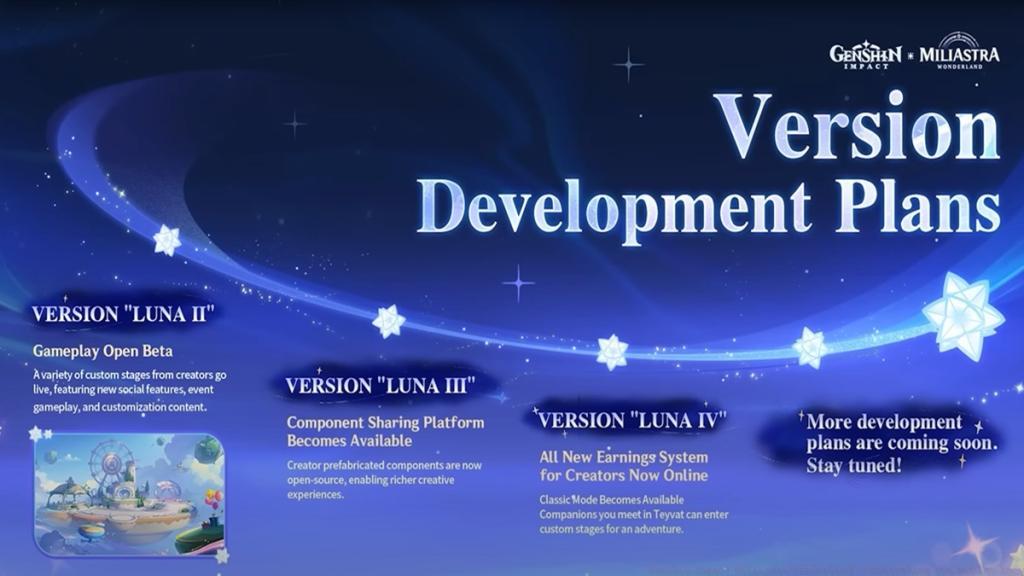
- Miliastra Wonderland launches with Luna II, introducing player-created mini-games
- Creator mode supports 20+ game genres with extensive customization tools
- Separate gacha system for cosmetics using ‘Ode’ currency with pity mechanics
- Monetization system for creators arrives in Luna IV based on player engagement
- Custom characters replace main roster with deep visual personalization options
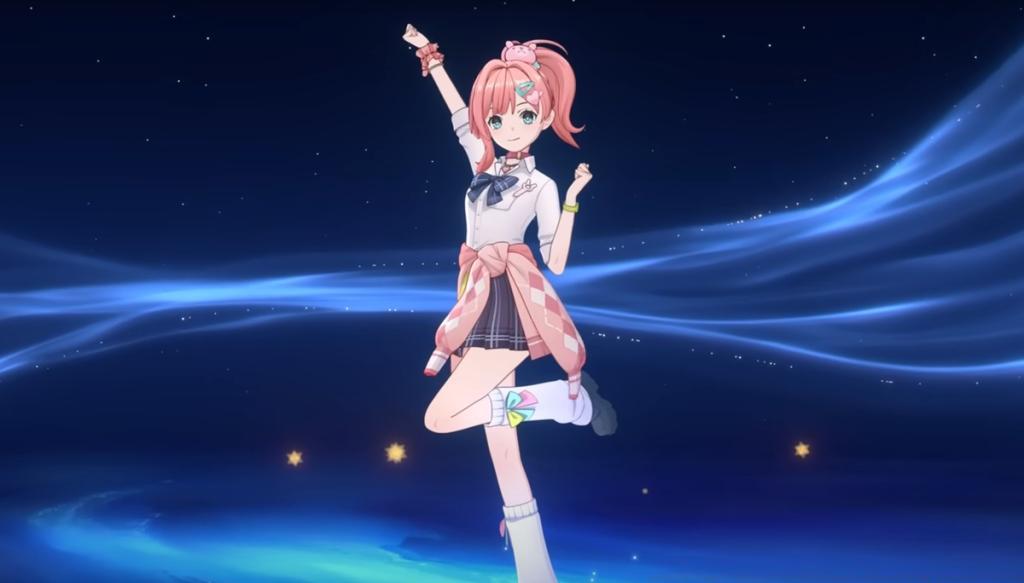
Miliastra Wonderland represents Genshin Impact’s ambitious entry into user-generated content (UGC), scheduled for deployment with the Luna II update. This innovative platform transforms players from mere participants into active creators, providing comprehensive tools to design, build, and share original mini-games within the Teyvat universe. The system enables both private development for personal enjoyment and public distribution to the wider community.
Unlike traditional game modes, Miliastra Wonderland operates as a sandbox environment where imagination becomes the primary resource. Players can construct everything from simple puzzle challenges to complex multiplayer experiences, leveraging assets and mechanics from the main game while introducing entirely new gameplay paradigms.
While Miliastra Wonderland remains officially unreleased, substantial information has emerged through official announcements and community leaks. This comprehensive breakdown covers all confirmed and speculated features of this groundbreaking addition to Genshin Impact.
Miliastra Wonderland Creator Mode
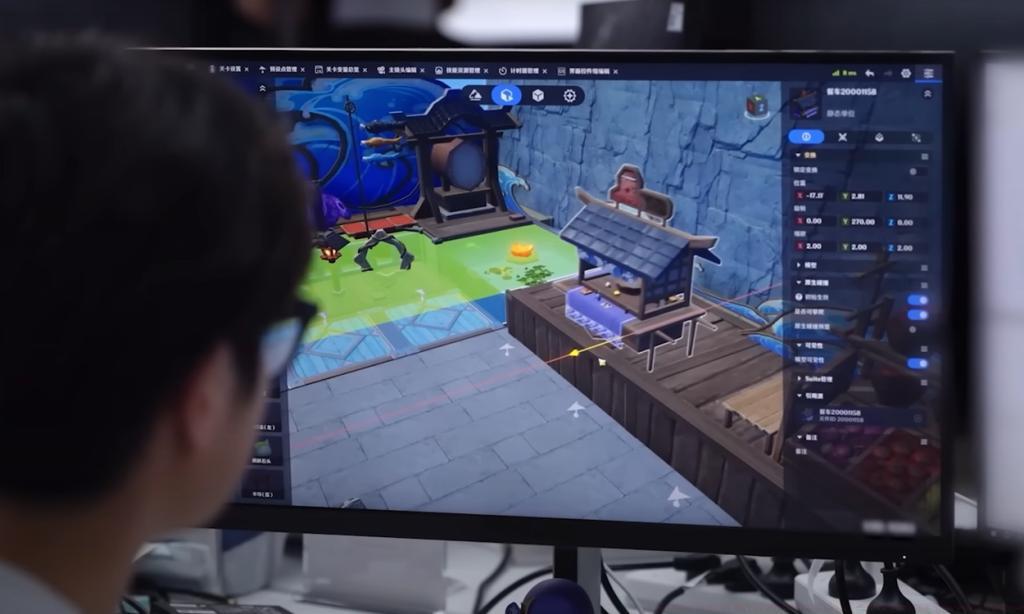
The Creator Mode serves as the foundation of Miliastra Wonderland, empowering players with sophisticated development tools previously reserved for professional game designers. The integrated creator studio features intuitive drag-and-drop interfaces alongside advanced scripting options for experienced developers seeking granular control.
Game categorization and filtering systems revealed through leaks indicate robust organizational capabilities, allowing creators to tag their projects with multiple descriptors for optimal discoverability. The platform supports an impressive range of game types, including:
- Action Adventure
- Battle Royale
- First-Person Shooter
- Management Simulation
- Competitive Multiplayer
- Roguelike
- Third-Person Shooter
- Asymmetric Battle Arena
- Brawl-Style
- Co-Op Battle
- Party
- Collaboration
- First-Person
- Third-person
- Bird’s Eye View
- Fixed Camera
- Over-the-Shoulder Shot
- Casual
- Moderate
- Hard
- Hardcore
- Dynamic Difficulty
- Single Player
- Co-op
- Multiplayer
As the platform evolves, developers anticipate expanding creative freedom through regular updates and community feedback integration.
Miliastra Wonderland Gameplay
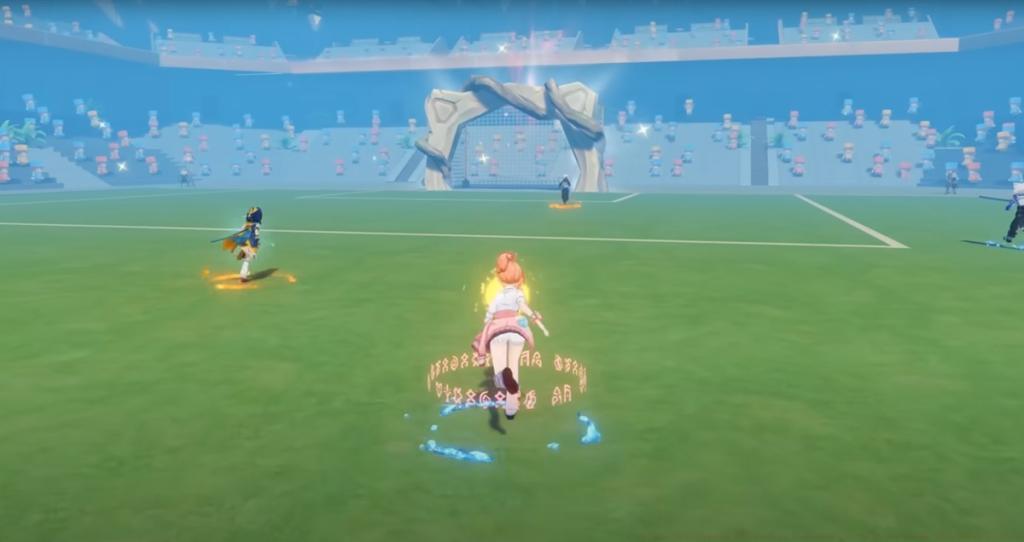
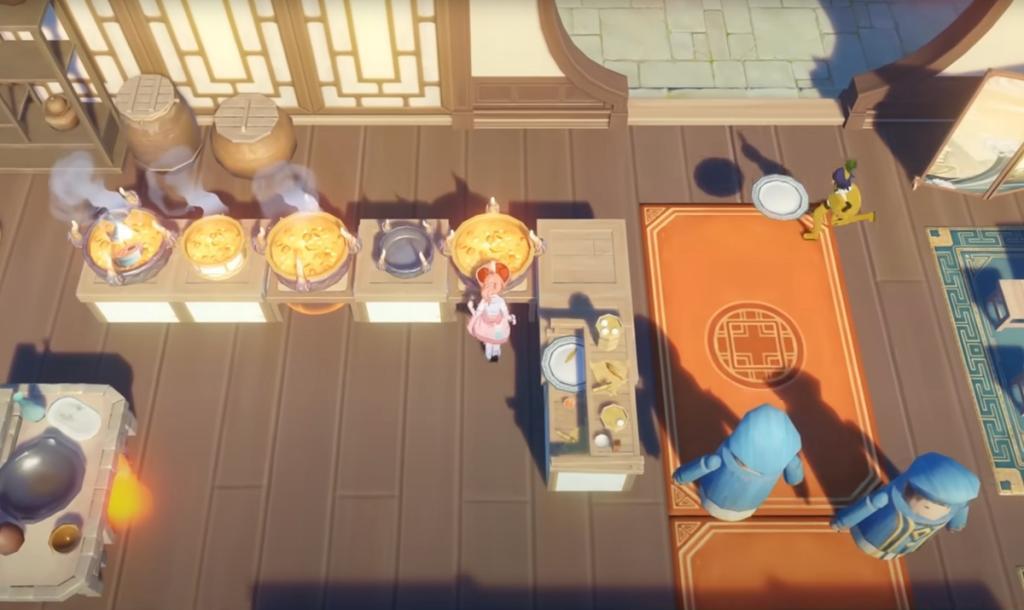
Gameplay within Miliastra Wonderland centers around specialized avatars distinct from main roster characters. This separation ensures balanced gameplay across diverse creator-made experiences while preventing animation conflicts and ability imbalances that could compromise game integrity.
A critical limitation players must understand: existing Genshin Impact characters cannot be imported into Miliastra Wonderland sessions. This design choice maintains consistent performance standards and prevents gameplay disruptions caused by character-specific mechanics interacting unpredictably with custom game rules.
Miliastra Wonderland Monetization
Hoyoverse has confirmed that Miliastra Wonderland will implement a creator compensation system to reward innovative game development. While specific payout structures remain undisclosed, early indications suggest revenue sharing models tied to player engagement metrics, including session duration, completion rates, and recurring participation.
The monetization timeline indicates a phased rollout, with creator earnings becoming available in Luna IV—approximately two version updates following the initial Miliastra Wonderland launch. This staggered implementation allows for platform stabilization and community building before introducing economic incentives.
Also Read:
For those preparing their content creation strategies, our Complete Guide offers valuable insights into successful UGC implementation that can be applied to Miliastra Wonderland development.
Miliastra Wonderland Character Customization
Character personalization in Miliastra Wonderland reaches unprecedented depth within the Genshin Impact ecosystem. The customization suite encompasses both aesthetic enhancements and functional accessories that may influence gameplay in creator-designed scenarios.
The extensive customization catalog includes:
- Upper Cloth
- Lower Cloth
- Shoes
- Headwear
- Bracelet
- Leglet
- Earrings
- Eyewear
- Mask
- Nechlace
- Backpiece
- Waist size
- Tail
- Hairstyle
- Eyebrows
- Eye Socket
- Pupil
- Eye Shadow
- Lipstick
- General Facial Makeup
Acquisition methods for customization items follow a hybrid model: basic options remain freely accessible, while premium cosmetics enter through the dedicated gacha system.
Miliastra Wonderland Gacha Mechanics
The Miliastra Wonderland gacha system operates independently from the main game’s character and weapon banners. Instead of combat-focused acquisitions, players pursue cosmetic enhancements collectively designated as ‘Encounter Echoes’ according to verified leaks. These aesthetic items stratify into distinct rarity tiers with corresponding acquisition probabilities.
Four-star Encounter Echoes represent complete character uniform sets accompanied by exclusive emojis and stickers. Three-star and two-star items function as individual cosmetic components that can be mixed and matched across avatar configurations.
Transaction mechanics utilize a specialized currency called ‘Ode,’ though distribution methods remain officially unconfirmed. Industry analysts speculate Ode accumulation through active participation in community-created games, potentially creating a symbiotic relationship between content creators and participants.
The gacha system incorporates standard pity mechanics, guaranteeing one 3-star item minimum per ten-pull sequence. Limited-time banners will periodically feature rate-boosted exclusive outfits following established Genshin Impact promotional patterns.
Successful Miliastra Wonderland engagement requires strategic planning across multiple dimensions. Content creators should begin conceptualizing game designs that leverage Genshin Impact’s core mechanics while introducing novel gameplay twists. Consider prototyping simple concepts initially before advancing to complex multiplayer experiences requiring extensive testing and balancing.
Avoid common development pitfalls by thoroughly playtesting game mechanics with diverse player groups before publication. Balance difficulty curves carefully—excessively challenging games may discourage participation, while overly simplistic experiences fail to retain player interest long-term.
Advanced optimization techniques include studying successful UGC patterns from other games and adapting proven engagement strategies. Expect to dedicate approximately 15-20 hours for basic game creation and 40+ hours for sophisticated multiplayer experiences with custom rule sets.
For weapon and class selection strategies that may influence your Miliastra Wonderland game designs, consult our comprehensive Weapons Unlock and Class Guide resources for additional inspiration.
Action Checklist
- Research successful UGC patterns and adapt proven engagement strategies
- Prototype simple game concepts using creator studio basics
- Playtest mechanics with diverse player groups before publication
- Balance difficulty curves to maintain player engagement without frustration
- Plan monetization strategy focusing on player retention metrics
No reproduction without permission:Tsp Game Club » Genshin Impact Miliastra Wonderland — Everything You Need to Know Complete guide to Genshin Impact's Miliastra Wonderland UGC mode with creator tools and monetization