
A comprehensive guide to Genshin Impact’s Nod-Krai region with gameplay strategies, faction analysis, and story predictions
Nod-Krai Region Overview and Livestream Revelations
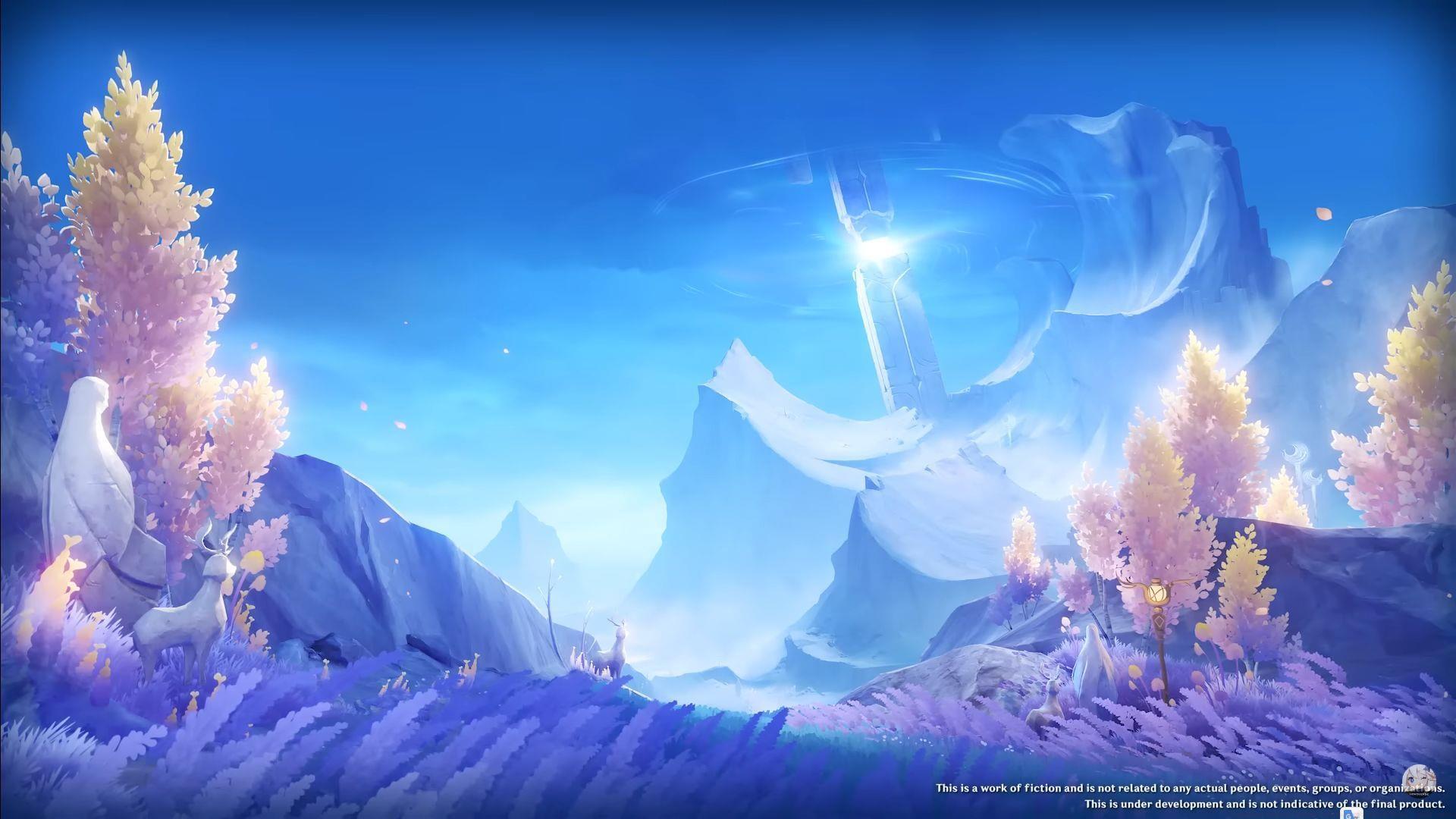
HoYoverse’s recent “Let’s Start With Nod-Krai” livestream provided unprecedented insight into Genshin Impact’s next major expansion. Developers didn’t just reveal surface details—they shared their creative philosophy behind designing this autonomous territory that breaks from established regional patterns. The broadcast offered a comprehensive look at how faction dynamics will drive both narrative and gameplay mechanics in this frontier zone.
Positioned at Teyvat’s outermost boundary, Nod-Krai represents the first line of defense against Abyssal incursions following Khaenri’ah’s catastrophe. This geographical placement explains why the region features such diverse environmental hazards and why its inhabitants have developed unique survival strategies. Unlike previous nations with centralized governance, Nod-Krai operates through factional alliances that players must navigate carefully.
The development team emphasized a fundamental design shift: where previous regions focused on showcasing distinct civilizations, Nod-Krai prioritizes the people within its factions. This human-centric approach suggests deeper character development systems and more personalized questlines. Environmental storytelling through unique statues and terrain features will provide clues about faction histories and conflicts.
Story Convergence and Narrative Importance
Nod-Krai functions as the narrative nexus where Genshin Impact’s sprawling storylines finally intersect. Developers described it as the canvas where all loose threads converge—meaning unresolved plots involving the Abyss Order, Fatui ambitions, and celestial mysteries will find resolution here. This makes thorough lore preparation essential before the region’s release.
Common mistake: Players often skip dialogue in earlier regions, then struggle with Nod-Krai’s complex faction politics. Recommended preparation includes reviewing Archon Quest summaries, particularly regarding Khaenri’ah and the Cataclysm. The region’s position as the Abyss’s initial attack point suggests we’ll encounter corrupted landscapes and time-altered zones requiring specific elemental strategies.
Advanced players should note that Nod-Krai likely introduces mechanics tied to the “three moons of Teyvat” mythology. Frostmoon Scion interactions may unlock moon-phase based puzzles or time-sensitive challenges. This narrative convergence also suggests that character backstories from various nations will receive closure, making certain character investments particularly valuable.
Key Characters and Returning Figures
Mondstadt’s long-absent Grandmaster Varka emerges as Nod-Krai’s central returning character, suggesting the Knights of Favonius have established forward operations in this frontier territory. His presence indicates possible cavalry-based gameplay mechanics or mounted combat systems. Varka’s narrative role may bridge Mondstadt’s democratic ideals with Nod-Krai’s factional conflicts, offering moral complexity rarely seen in earlier regions.
Practical tip: Before Nod-Krai’s release, build characters with exploration synergy like Yelan, Sayu, or Kirara for rapid terrain traversal. The region’s “edge of the world” positioning suggests verticality challenges and possibly unstable ground mechanics requiring careful positioning during combat.
Varka’s involvement also hints at expanded cavalry lore and potentially mount-collection systems. Players should consider leveling characters with animal communication themes or historical cavalry connections. His narrative significance likely extends beyond Nod-Krai, potentially setting up Snezhnaya’s political landscape through his interactions with Fatui elements in the region.
Faction Analysis and Conflict Dynamics
Four major factions create Nod-Krai’s tense political landscape: Frostmoon Scions worship lunar deities and wield unique lunar magic; Wild Hunt represents Abyssal incursion forces; Lightkeepers serve as regional protectors; and Fatui operatives pursue moon-related powers. Understanding these factions’ motivations will be crucial for quest navigation and reputation systems.
The Frostmoon Scions’ forest-dwelling culture suggests dendro-based puzzles and possibly day/night cycle mechanics tied to moon phases. Their conflict with Fatui over lunar power indicates resource-control gameplay elements. Advanced players should prepare teams with elemental flexibility, as faction headquarters may feature environmental buffs/debuffs favoring specific elements.
Wild Hunt’s periodic attacks suggest tower-defense or wave-based combat events, while Lightkeepers likely offer protection quests with moral choices affecting regional stability. Common mistake: aligning too strongly with one faction early may lock out alternative questlines. Strategic approach: maintain neutral reputation initially to access all faction vendors and story branches.
Fatui involvement continues their pattern of exploiting regional conflicts for power acquisition. Their lunar power pursuit suggests new artifact sets or weapon enhancement systems tied to celestial mechanics. This faction’s presence ensures Harbinger appearances and possibly playable Fatui character introductions.
Gameplay Strategies and Preparation Tips
Optimization strategy: Begin stockpiling fragile resin, hero’s wit, and mora six weeks before Nod-Krai’s expected release. The region will likely introduce new local specialty materials requiring extensive farming. Prioritize leveling characters with exploration talents and consider building teams with elemental diversity for unpredictable environmental challenges.
Advanced preparation checklist: 1) Complete all Archon Quests through current version; 2) Review Khaenri’ah lore via in-game books and artifact descriptions; 3) Build at least one team with shield, heal, crowd control, and mobility capabilities; 4) Reserve 10,000 primogems for potential new character banners; 5) Clear inventory space for new materials and artifacts.
Region navigation will likely involve vertical climbing challenges, possibly with new climbing mechanics or glider enhancements. Environmental hazards may include corruption zones that drain health or apply debuffs, requiring specific elemental reactions for cleansing. The autonomous territory’s design suggests less waypoint density, making overworld mobility characters particularly valuable.
For more information and updates, follow Sportskeeda’s Genshin Impact hub.
No reproduction without permission:Tsp Game Club » Genshin Impact reveals plans for Nod-Krai and more A comprehensive guide to Genshin Impact's Nod-Krai region with gameplay strategies, faction analysis, and story predictions