
TL;DR
- Complete all 13 shrine climbs to unlock the Golden Mask cosmetic and progress toward Body, Mind and Spirit trophy
- Azure Wind Shrine is automatically completed during ‘The Oni’ main quest – don’t miss this story-gated location
- Mount Yotei Shrine offers double charm rewards but requires the longest 7-8 minute ascent through challenging terrain
- Use torii gates as starting points for linear 3-5 minute climbs featuring unique environmental challenges and puzzles
- Charm rewards provide permanent passive bonuses enhancing combat, movement, and resource gathering capabilities
Embark on a spiritual pilgrimage across Hokkaido’s majestic peaks with Ghost of Yotei’s 13 sacred shrine locations. These aren’t mere collectibles but immersive 3-5 minute climbing experiences that test your perseverance while rewarding your dedication with powerful gameplay enhancements.
Shrine ascents begin at distinctive torii gates marking the commencement of linear mountain paths. These sacred routes weave through breathtaking landscapes, culminating at ancient shrines where you perform prayer rituals using precise touchpad gestures. The downward swipe motion must be executed deliberately – rushed inputs may fail to register, requiring repetition.
Ghost of Yotei: All Shrines Locations …
Each successfully completed shrine bestows unique charm equipment – passive items that permanently enhance combat proficiency, movement agility, or resource acquisition rates. Beyond immediate rewards, locating all 13 shrines unlocks the prestigious Golden Mask cosmetic and contributes significantly to the Body, Mind and Spirit trophy completion alongside hot springs and bamboo strike activities.
Azure Wind Shrine presents a critical timing consideration – accessible exclusively during ‘The Oni’ main story quest before becoming permanently unavailable. Fortunately, narrative progression automatically completes this shrine, eliminating potential missable content anxiety for completionists.
Fall’s Rest Shrine occupies the southeastern Yotei Grasslands, identifiable by torii gates nestled among ancient tree clusters. The ascent traverses autumn-hued foliage with subtle pathfinding challenges – watch for barely visible trail markers during twilight hours when visibility decreases significantly.
Ghost of Yotei Fall’s Rest Shrine …

Blooming Ridge Shrine delivers arguably the game’s most visually stunning climb through northern grasslands adorned with cherry blossoms. The 4-minute ascent feels deceptively effortless thanks to captivating valley vistas, but don’t underestimate the narrow ridge passages requiring precise platforming.

Mount Yotei Shrine stands as the region’s crown jewel, rewarding dedicated climbers with dual charm rewards instead of the standard single bonus. This central location demands the lengthiest 7-8 minute ascent but compensates with unparalleled 360-degree panoramic views spanning the entire game world.
Mount Yotei Shrine – Ghost of Yotei …

Coastal shrines present unique navigation challenges with tide mechanics affecting path accessibility. Time your visits during low tide periods when submerged pathways become traversable. Northern region shrines often incorporate environmental puzzles requiring specific time-of-day interactions for progression.
Mastering shrine climbs requires understanding the subtle rhythm of traversal. Unlike standard platforming, these ascents emphasize deliberate pacing over speed running. Rushing often leads to missed hidden paths containing additional collectibles or lore fragments.
Navigation efficiency begins with torii gate recognition – these red structures stand out against natural backgrounds but can blend during specific weather conditions. During heavy fog or snowfall, use your minimap compass bearings to maintain direction when visual cues diminish.
Common climbing mistakes include underestimating stamina management during extended sequences and overlooking alternative routes. Always approach shrines with full stamina reserves and survey each area thoroughly before committing to obvious paths – many contain cleverly concealed shortcuts.

Advanced optimization involves sequencing shrine visits based on geographic proximity and time-of-day requirements. Group northern region shrines during daylight hours when visibility is optimal, then transition to coastal locations during appropriate tide cycles. This strategic approach can reduce total completion time by 25-30% compared to haphazard exploration.
Shrine charms represent some of Ghost of Yotei’s most impactful permanent upgrades, functioning as passive equipment that enhances core gameplay systems without consuming inventory slots. Understanding charm synergies can dramatically improve combat effectiveness and exploration efficiency.
Combat-focused charms typically provide percentage-based damage increases against specific enemy types or enhance defensive capabilities during confrontation. These stack multiplicatively with skill tree upgrades, creating powerful build combinations for challenging engagements.
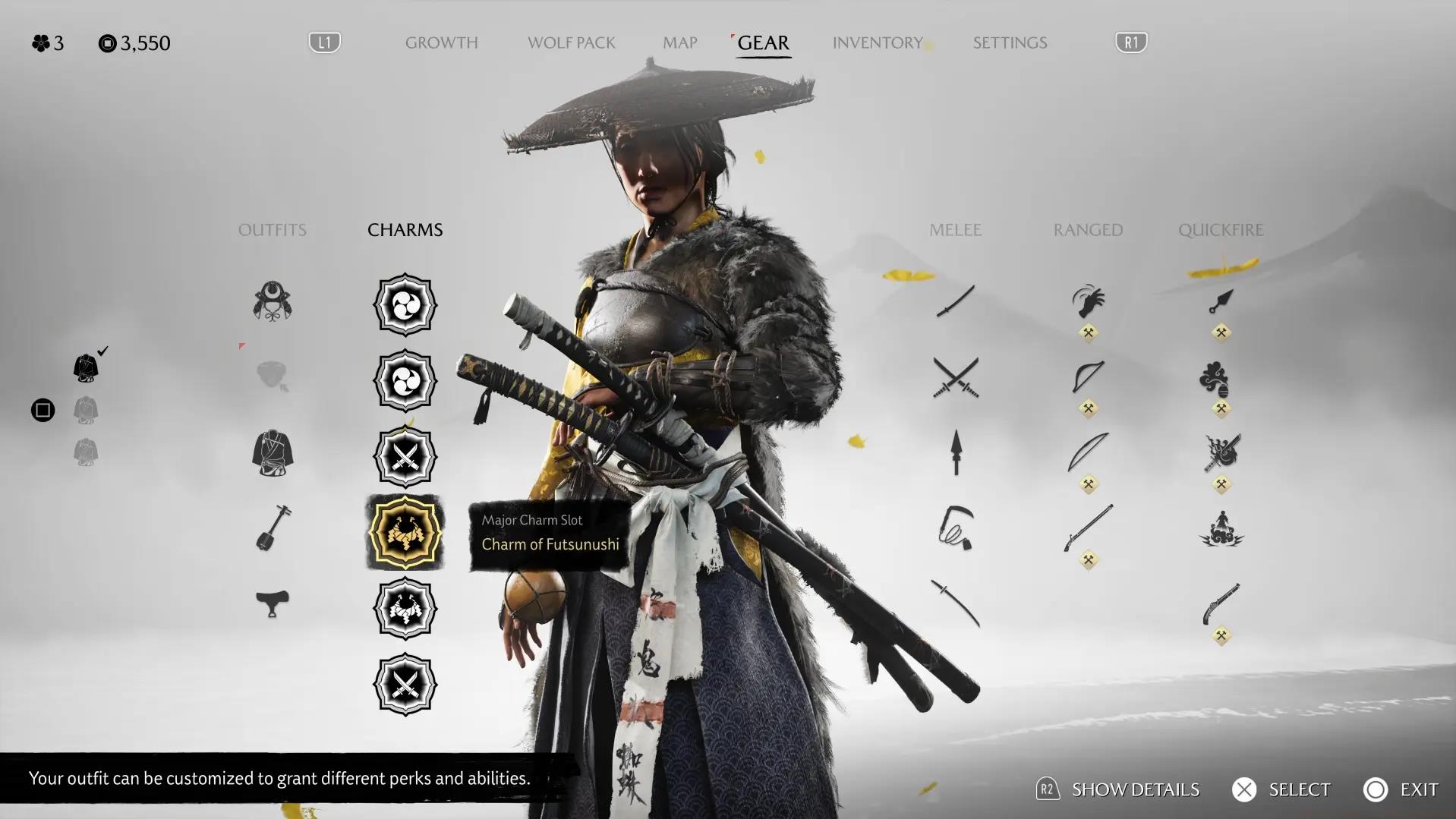
Utility charms offer quality-of-life improvements including movement speed bonuses, fall damage reduction, or resource gathering enhancements. The latter proves particularly valuable for players focusing on crafting and equipment upgrades, significantly reducing material farming time.
Strategic charm selection should align with your preferred playstyle. Aggressive combat approaches benefit from damage amplification charms, while exploration-focused builds gain more value from mobility and resource bonuses. Don’t overlook situational charms that provide specific environmental resistances for challenging shrine climbs themselves.
The coveted Body, Mind and Spirit trophy requires completing three distinct activity categories: all 13 shrine climbs, numerous hot spring visits, and multiple bamboo strike challenges. Shrine completion contributes approximately 40% toward overall trophy progression, making it the most significant single component.
Golden Mask cosmetic unlock represents the pinnacle shrine reward, available only after discovering every shrine location. This prestigious headgear provides no statistical benefits but serves as a visual badge of honor demonstrating mastery over Yotei’s most challenging climbs.
Progress tracking occurs automatically through the game’s collectibles menu, which displays individual completion status for each shrine. However, the interface doesn’t distinguish between completed and available shrines geographically – maintaining personal notes about remaining locations prevents unnecessary backtracking.
For players pursuing 100% completion, shrine climbs should be integrated into a comprehensive collection strategy alongside other activities. The meditative nature of these ascents provides excellent pacing between more intense combat sequences, making them ideal palate cleansers during extended gaming sessions.
Action Checklist
- Complete Azure Wind Shrine during ‘The Oni’ main quest before progression
- Survey each region systematically using torii gates as navigation waypoints
- Time coastal shrine visits for low tide periods to access submerged paths
- Execute precise downward swipe gestures during prayer rituals
- Document completed shrines to avoid backtracking and optimize route planning
No reproduction without permission:Tsp Game Club » Ghost of Yotei: All Shrine Locations Master all 13 shrine climbs in Ghost of Yotei with expert navigation tips, charm rewards, and trophy completion strategies