
TL;DR
- Trading requires specific tickets costing 100,000 Sheckles or 19 Robux from the Gear Shop
- Only fruits and pets can be traded, with individual cooldowns for each transaction type
- The Farmer’s Market enables passive selling with customizable pricing and listing durations
- Ticket consumption occurs upon trade acceptance, not initiation, allowing for multiple attempts
- Strategic cooldown management is crucial for efficient trading operations
The long-awaited trading system has revolutionized commerce in Grow a Garden, providing players with sophisticated tools for item exchange and economic advancement. This comprehensive marketplace functionality enables everything from simple pet swaps to complex financial transactions, allowing you to convert surplus resources into valuable assets or currency.
Grow a Garden offers two distinct trading methodologies: direct player-to-player exchanges and the automated Farmer’s Market system. Each approach serves different strategic purposes and requires distinct preparation. Direct trading facilitates immediate negotiations for specific items, while the market system enables passive income generation through strategic pricing.
Before the implementation of this dedicated trading infrastructure, players were limited to basic gifting mechanics activated by pressing the E key in lobbies. While gifting remains available for charitable distributions, the trading system provides structured, reciprocal exchanges with built-in safeguards against unfair transactions.
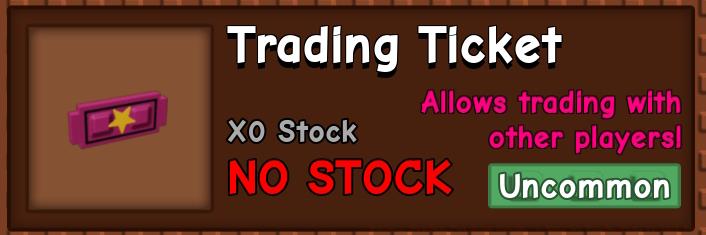
Accessing Grow a Garden’s trading ecosystem requires obtaining specialized Trading Tickets, which function as single-use access tokens for commerce operations. These tickets represent your investment in the game’s economic systems and require careful acquisition planning.
Navigate to the Gear Shop interface where Trading Tickets are classified as legendary items available for purchase. The primary acquisition cost is 100,000 Sheckles, representing a significant but recoverable investment for dedicated traders. Alternatively, players can expedite acquisition through microtransactions, purchasing tickets for 19 Robux each.
Pro Tip: Trading Tickets maintain uncommon gear classification, ensuring consistent availability compared to rarer shop items. This reliability allows for strategic planning of trading sessions without worrying about inventory shortages.
Understanding ticket consumption mechanics is crucial for economic efficiency. Tickets are only consumed when trade offers receive acceptance from the target player. If your trade proposal gets rejected, the ticket remains available for subsequent trading attempts with different partners. This fail-safe mechanism prevents resource waste during negotiation phases.
Strategic ticket management involves purchasing multiple tickets during profitable farming sessions and storing them for future trading opportunities. Advanced players often maintain a reserve of 3-5 tickets to capitalize on unexpected trading prospects.
Executing successful player-to-player trades requires methodical navigation of the trading interface and clear communication with potential partners. The process transforms random encounters into profitable economic exchanges.
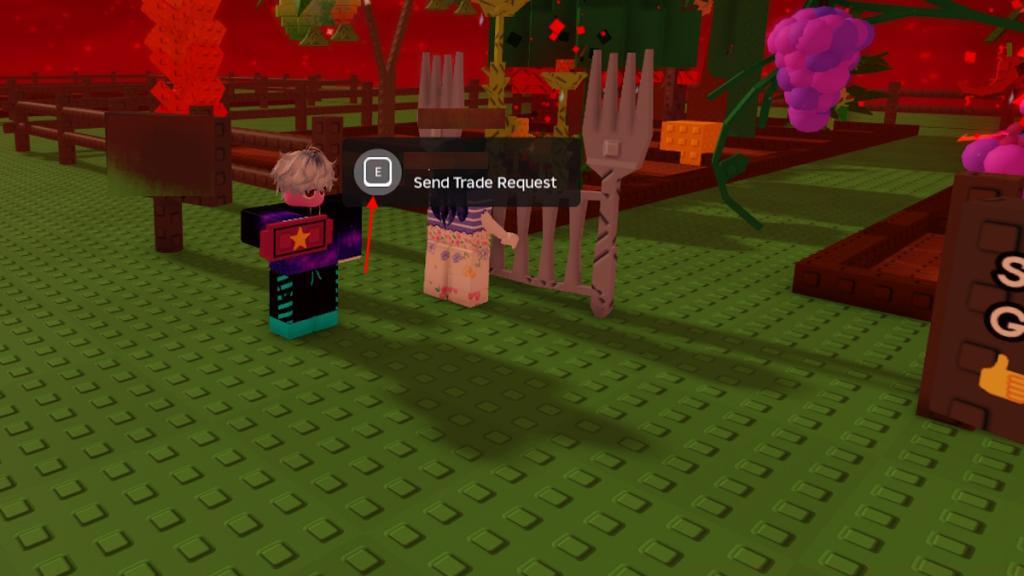
Initiate the trading sequence by approaching your desired trading partner and activating the interaction prompt while possessing a valid Trading Ticket. This action launches the dedicated trading hub interface, where all negotiation and exchange operations occur.
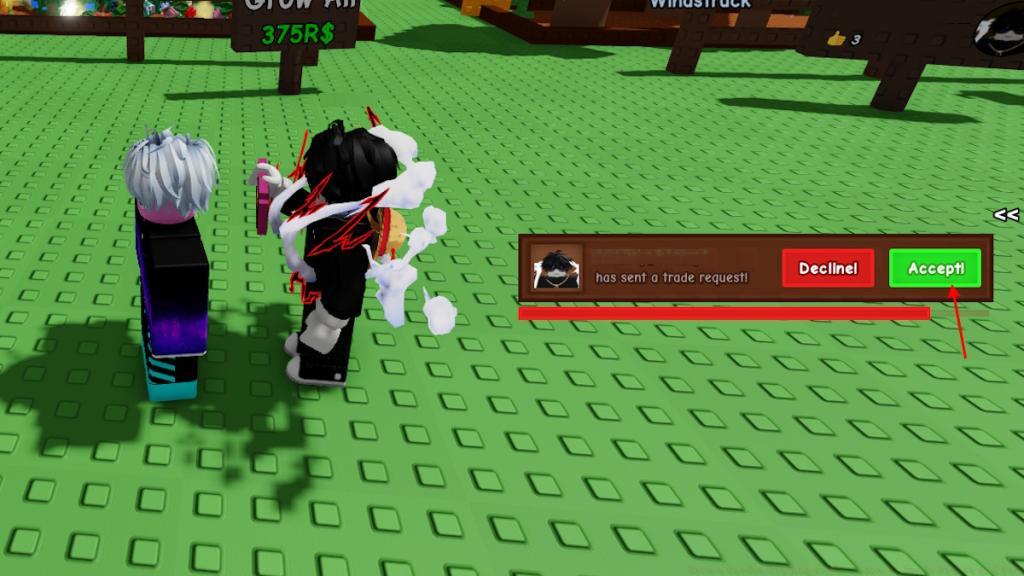
Within the trading interface, carefully select the items you wish to offer and specify your desired returns. The system provides clear value assessments to help balance proposed exchanges and prevent unfair trades.
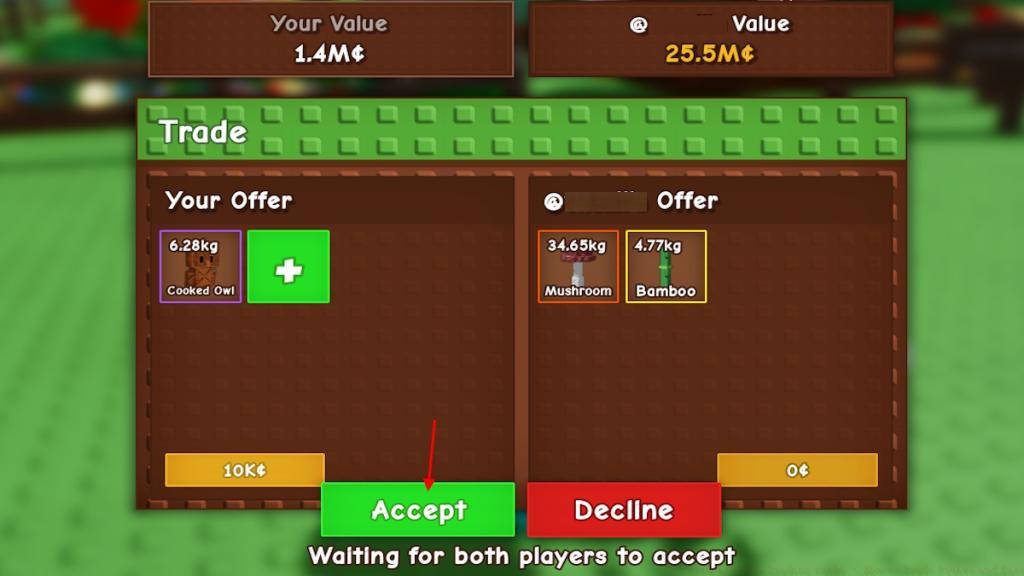
Both participants must independently confirm the trade terms through multiple verification steps. This dual-confirmation system prevents accidental transactions and ensures both parties understand the exchange conditions.
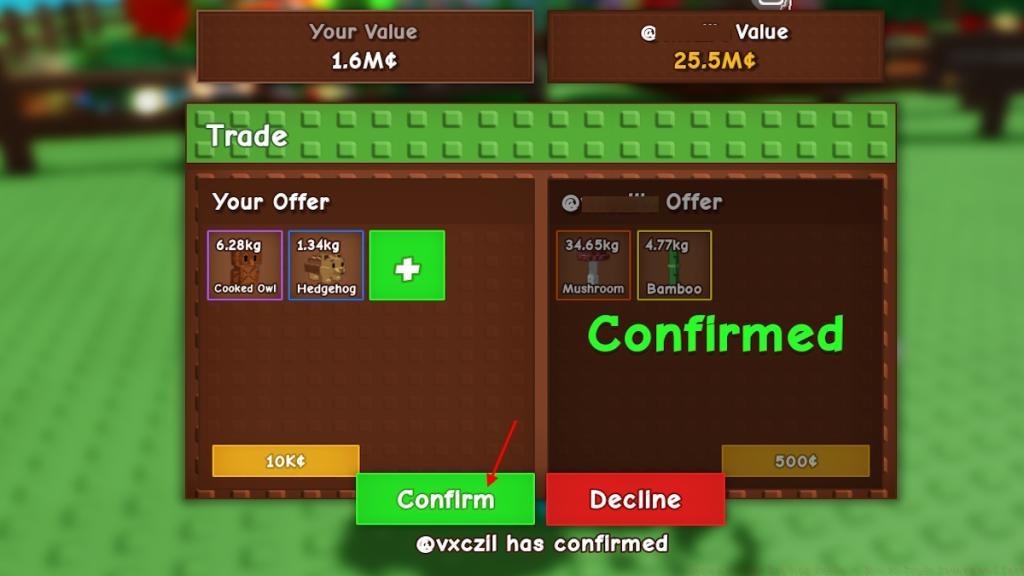
Common Mistake: Many new traders fail to communicate their trading intentions clearly before initiating formal requests, leading to unnecessary rejections and ticket wastage. Always establish mutual interest through chat before consuming your ticket.
Grow a Garden’s trading system incorporates sophisticated limitations designed to maintain game balance and prevent economic exploitation. Understanding these constraints is essential for developing effective long-term trading strategies.
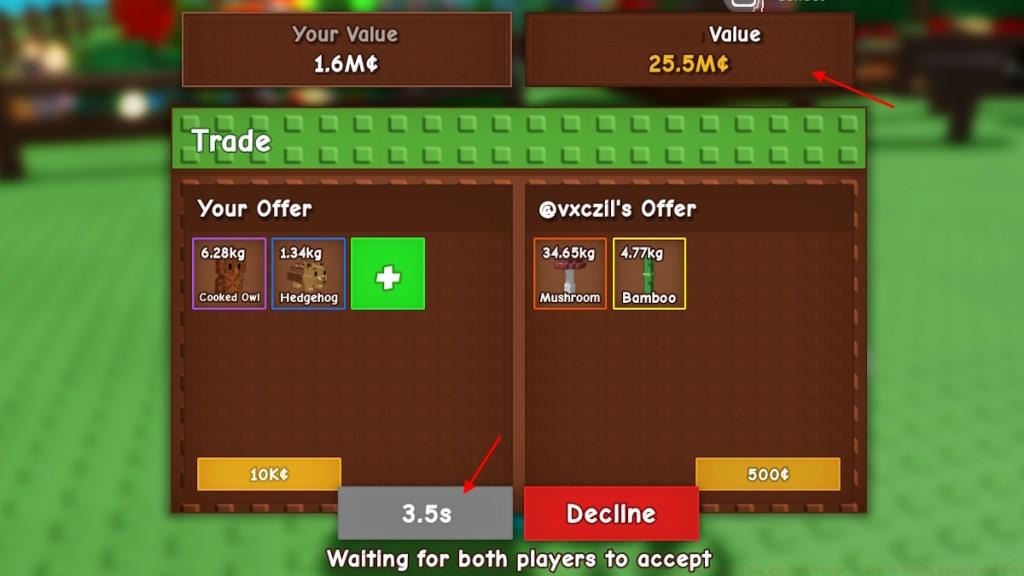
The trading eligibility framework restricts exchanges to specific item categories: cultivated fruits and companion pets. This limitation prevents trading of quest items, equipment, or other progression-blocking elements that could disrupt game balance.
Cooldown mechanics represent the most significant operational constraint, imposing mandatory waiting periods between trading actions. Each trade type triggers independent cooldown timers, allowing strategic players to sequence different trading activities to minimize downtime.
Advanced Strategy: Coordinate your trading cooldowns with other gameplay activities like farming sessions or exploration to maintain constant progression.
The trading interface incorporates built-in value assessment tools that display approximate worth indicators for proposed items. These indicators help prevent unbalanced trades but should be supplemented with market knowledge about current demand trends.
Seasoned traders recommend maintaining a diverse inventory of trade-eligible items to capitalize on fluctuating market demands. Rare pets and high-tier fruits typically command premium values, making them ideal for significant acquisitions.
The Farmer’s Market introduces automated trading capabilities, enabling players to generate income while offline or engaged in other activities. This system transforms your surplus items into continuous revenue streams through strategic pricing and market positioning.
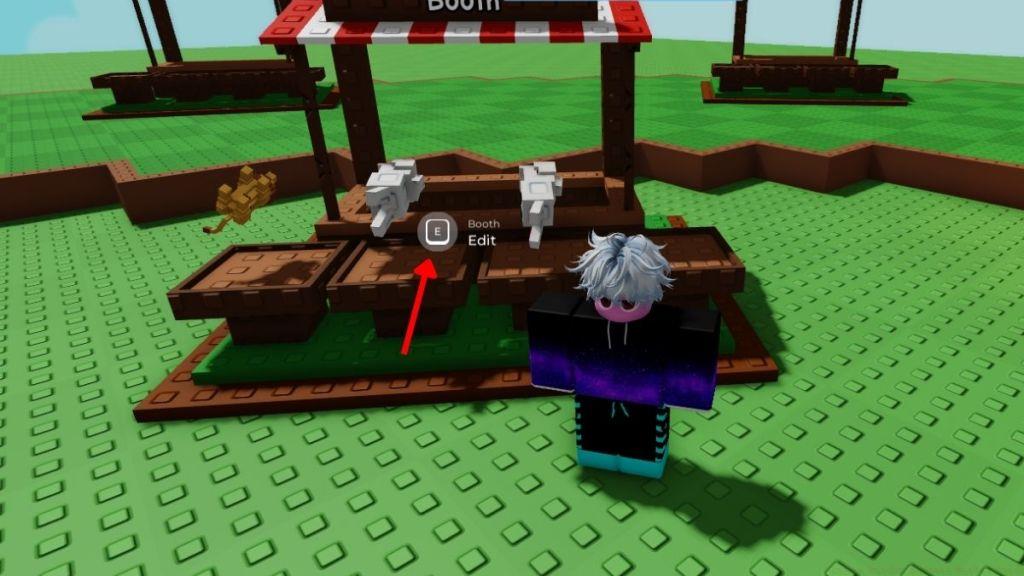
Accessing the market interface reveals current listings from players across all servers, providing comprehensive market intelligence and pricing benchmarks for your own sales strategies.
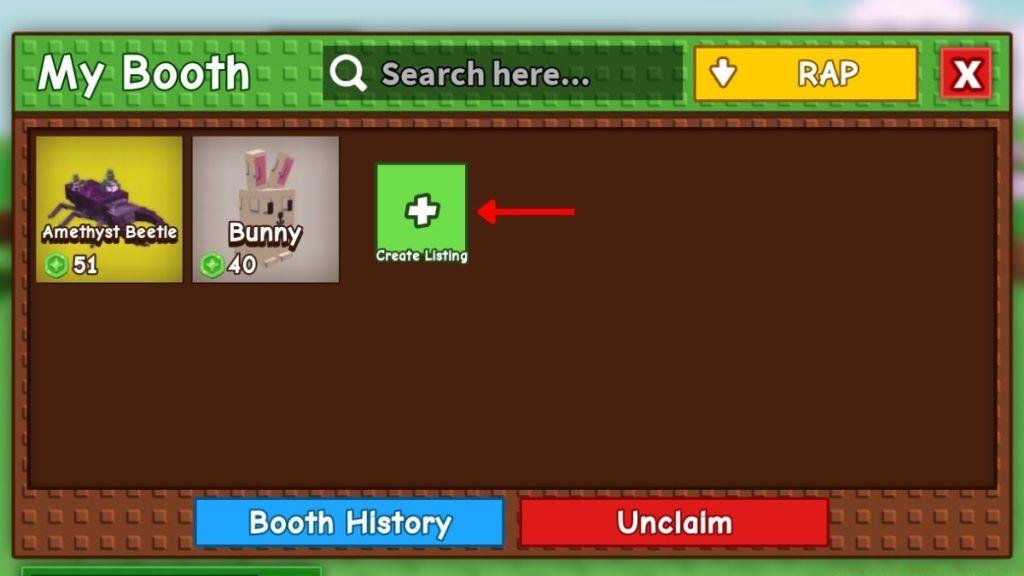
Creating effective market listings requires careful price calibration based on current demand patterns and item rarity. The system allows customization of sale duration, enabling both quick turnover strategies and long-term premium positioning.
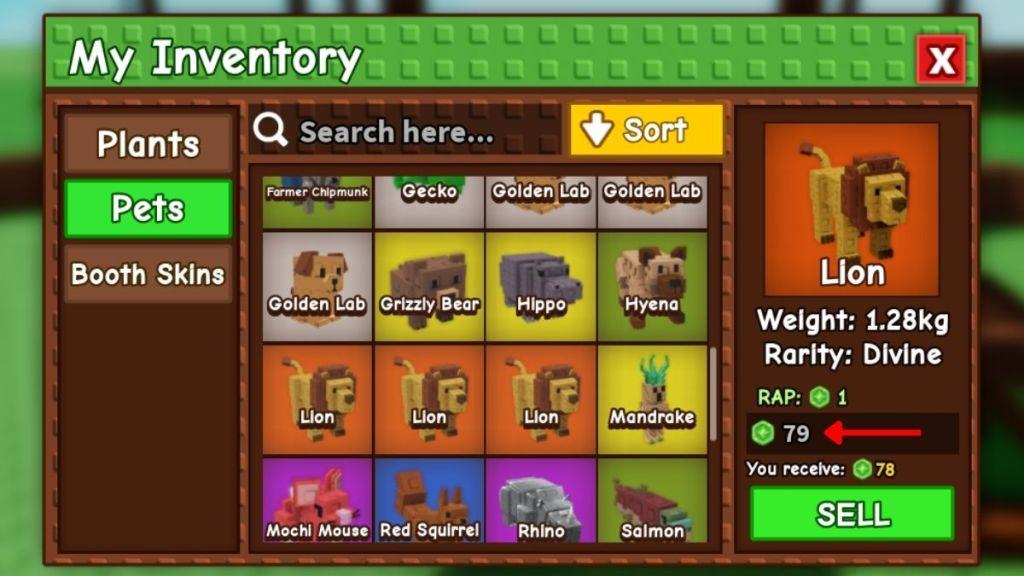
Optimization Tip: Research completed sales in your target item category before setting prices to avoid undervaluing rare finds or overpricing common goods.
Successful market traders often specialize in specific item categories, developing deep expertise in pricing trends and demand cycles. This specialization allows for premium pricing on niche items that general traders might undervalue.
The Farmer’s Market eliminates the need for simultaneous online presence with trading partners, making it ideal for players with irregular schedules or those focusing on farming efficiency over social interaction.
Action Checklist
- Purchase Trading Tickets from Gear Shop (100,000 Sheckles or 19 Robux)
- Establish trade terms through chat before ticket consumption
- Navigate trading interface to propose balanced exchanges
- Monitor and manage cooldown timers for optimal trading efficiency
- Utilize Farmer’s Market for passive income generation during offline periods
- Research market prices before creating listings to maximize returns
No reproduction without permission:Tsp Game Club » Grow a Garden Trading Guide – How to Trade Fruits and Pets Master Grow a Garden trading with expert strategies for tickets, cooldowns, and market optimization