
TL;DR
- Silksong prioritizes refined gameplay mechanics over cinematic spectacle, creating a more engaging core experience
- The game transforms difficulty from a barrier into a learning conversation that rewards player growth
- Exploration is driven by genuine curiosity rather than map markers, creating deeper immersion
- Hornet’s unique combat style demands strategic thinking rather than stat optimization
- Team Cherry demonstrates how small teams can achieve design excellence through focused development
The gaming landscape of 2025 features numerous high-profile releases vying for Game of the Year recognition. We’ve witnessed impressive indie debuts like Expedition 33, major sequels including Death Stranding 2, and expansive RPGs such as Kingdom Come: Deliverance 2. Yet when considering which title genuinely advanced gaming innovation and maintained lasting mental engagement, Hollow Knight: Silksong stands apart. This sequel doesn’t merely entertain—it fundamentally reshapes how players perceive and approach challenges. Let’s examine why Silksong deserves the ultimate gaming accolade.
Contemporary Game of the Year candidates typically emphasize massive budgets, polished cinematic sequences, streamlined interfaces, and vast open worlds. In contrast, Silksong eliminates extraneous elements, concentrates on core design principles, and prioritizes gameplay mechanics above all else.
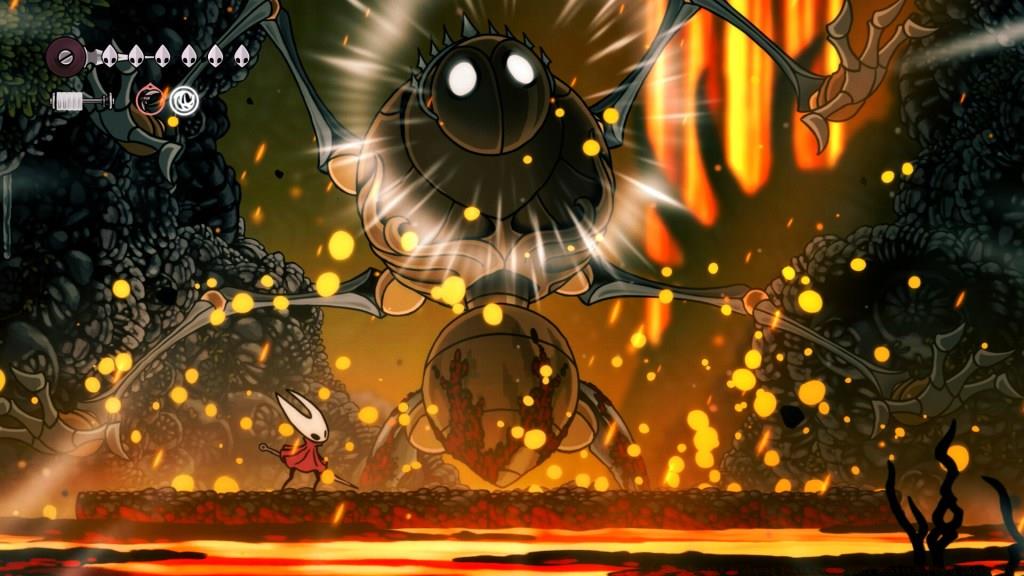
Where Expedition 33 captivates through orchestral scores and emotional narrative arcs, Silksong adopts a more intimate and precise approach. Through subtle environmental storytelling and mysterious rituals, the game gradually unveils its narrative rather than presenting everything immediately. Players must actively piece together the storyline through exploration and discovery.
Silksong represents more than a simple reskinning of its predecessor—it introduces an entirely original backstory that players have enthusiastically investigated. While Hades 2 offered familiar roguelike combat systems, Silksong’s protagonist Hornet introduces fundamentally different mechanics. Her angular attack patterns, enhanced aerial mobility, and combat-based healing system establish a distinct rhythmic flow. The experience evokes the sensation of navigating a dynamic, living maze rather than exploring a static, deceased realm.
Let’s address the reality: Silksong presents substantial challenges that have generated significant online discussion, including passionate critiques and detailed analysis threads across gaming communities. Unlike titles that treat difficulty as an adjustable setting via sliders or toggle options, Hollow Knight: Silksong integrates challenge as an essential narrative and gameplay component.
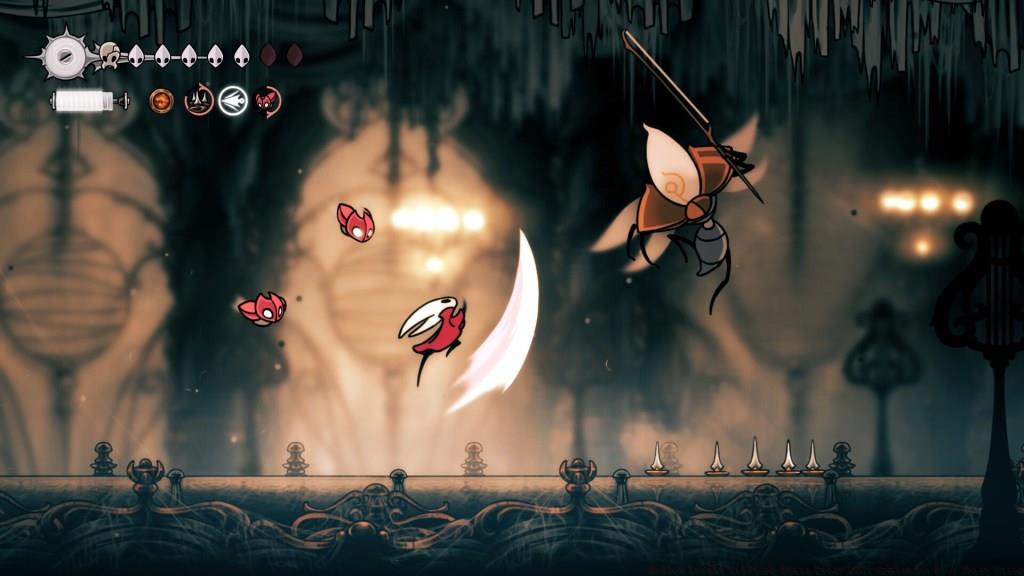
During Silksong’s boss encounters, players experience genuine duels rather than routine combat scenarios. Victory isn’t achieved through superior damage statistics or enhanced character attributes alone. Overcoming these challenges requires carefully observing enemy patterns, identifying strategic opportunities, and developing instinctive responses. Success demands mastering the game’s mechanics rather than relying on statistical advantages. The game introduces authentic skill-based challenges from the initial stages.
Common mistake: Many players attempt to brute-force bosses through repeated attacks rather than studying patterns. Optimal strategy: Focus on survival during initial encounters to learn attack telegraphs.
Upon defeating a formidable boss or completing an exceptionally demanding level, players transcend the initial skill barrier through tactical improvement rather than perceiving the game as unfairly balanced. This explains why discussions focusing solely on Silksong’s extreme difficulty overlook the core design philosophy. Here, challenge functions as an engaging dialogue that reignites players’ sense of accomplishment upon overcoming obstacles.
If Expedition 33 represents 2025’s epic cinematic experience and Death Stranding 2 showcases visual grandeur and narrative depth, Silksong resembles an intricate literary work that occupies players’ thoughts long after sessions conclude. You’ll spend hours immersed in the game’s environments, continuously contemplating alternative approaches to challenges even when they initially appear insurmountable.
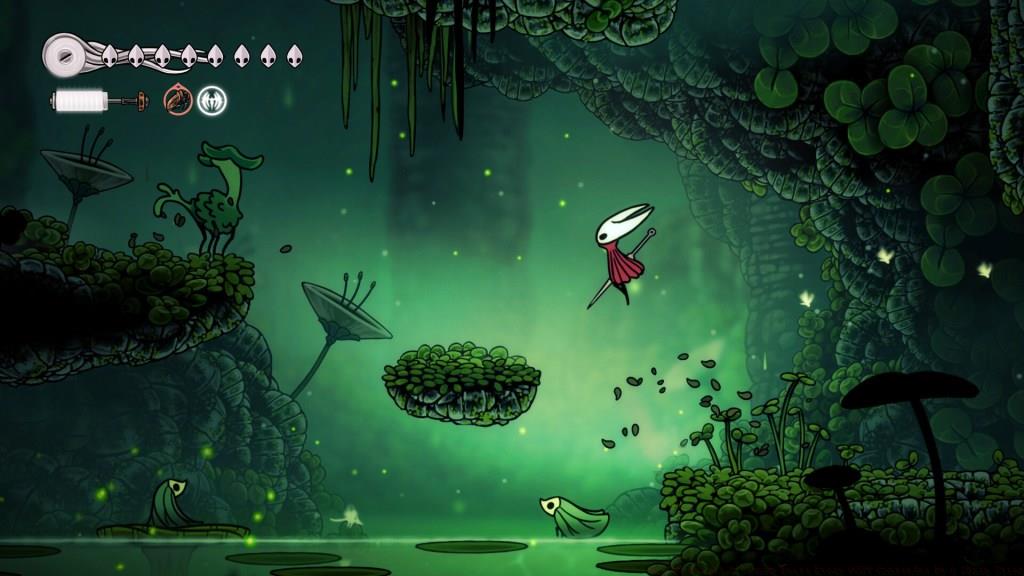
Silksong’s distinctive quality emerges when players delve deeper into its systems, particularly when questioning potential outcomes of unconventional actions. Numerous concealed areas exist that don’t demand attention through question markers or explicit hints. The game’s full complexity reveals itself only through experimental gameplay and thorough investigation.
This represents the type of game design Silksong delivers, cultivating genuine dedication among its player base. While it may not represent the most commercially safe selection of the year, nor achieve the highest sales figures, or appeal to casual gaming audiences, Silksong makes a powerful statement about gaming’s potential and what a compact independent team of three developers can accomplish with focused creative vision and minimal marketing resources.
Advanced exploration tip: Systematically check walls for false surfaces and ceilings for breakable sections. Time investment: Allow 2-3 hours per major area for comprehensive discovery.
This explains why, for 2025, Hollow Knight: Silksong stands as my unequivocal choice for claiming the Game of the Year distinction.
Which title deserves your Game of the Year vote? Is Silksong your preference or does another game capture your admiration? Share your perspective in the comments section below.
For players seeking to maximize their Silksong experience, several advanced techniques can significantly enhance gameplay. Movement optimization involves mastering Hornet’s aerial capabilities to access seemingly unreachable areas. The silk-based mechanics allow for extended horizontal movement when properly chained together.
Resource management strategy: Prioritize silk collection during exploration to ensure adequate healing capabilities during boss encounters. Advanced players should practice silk conservation during routine combat to maintain reserves for critical moments.
Boss pattern recognition becomes essential for overcoming later-game challenges. Each boss features distinct attack telegraphs that, when recognized, create predictable windows for counter-attacks. Professional approach: During initial boss encounters, focus entirely on defense and observation rather than offense.
Environmental interaction: Many players overlook subtle visual cues that indicate hidden passages or interactive elements. The game’s visual design incorporates intentional inconsistencies that signal exploration opportunities.
Progression optimization: Experienced players recommend completing area exploration before engaging major bosses to acquire additional resources and upgrades.
Action Checklist
- Practice Hornet’s aerial mobility in safe areas to master movement chaining
- Study boss attack patterns during initial encounters without attacking
- Systematically explore each area for visual inconsistencies indicating hidden content
- Develop silk conservation habits during routine combat to maintain healing reserves
- Document discovered secrets and patterns to build comprehensive area knowledge
No reproduction without permission:Tsp Game Club » Hollow Knight Silksong Beats Every GOTY Contender By A Sharp Sting Why Hollow Knight: Silksong's masterful design and player-centric difficulty make it the definitive 2025 Game of the Year contender