
Master PEAK’s ghost mechanics with strategic revival tactics and advanced team support techniques
Understanding Ghost Mode Mechanics
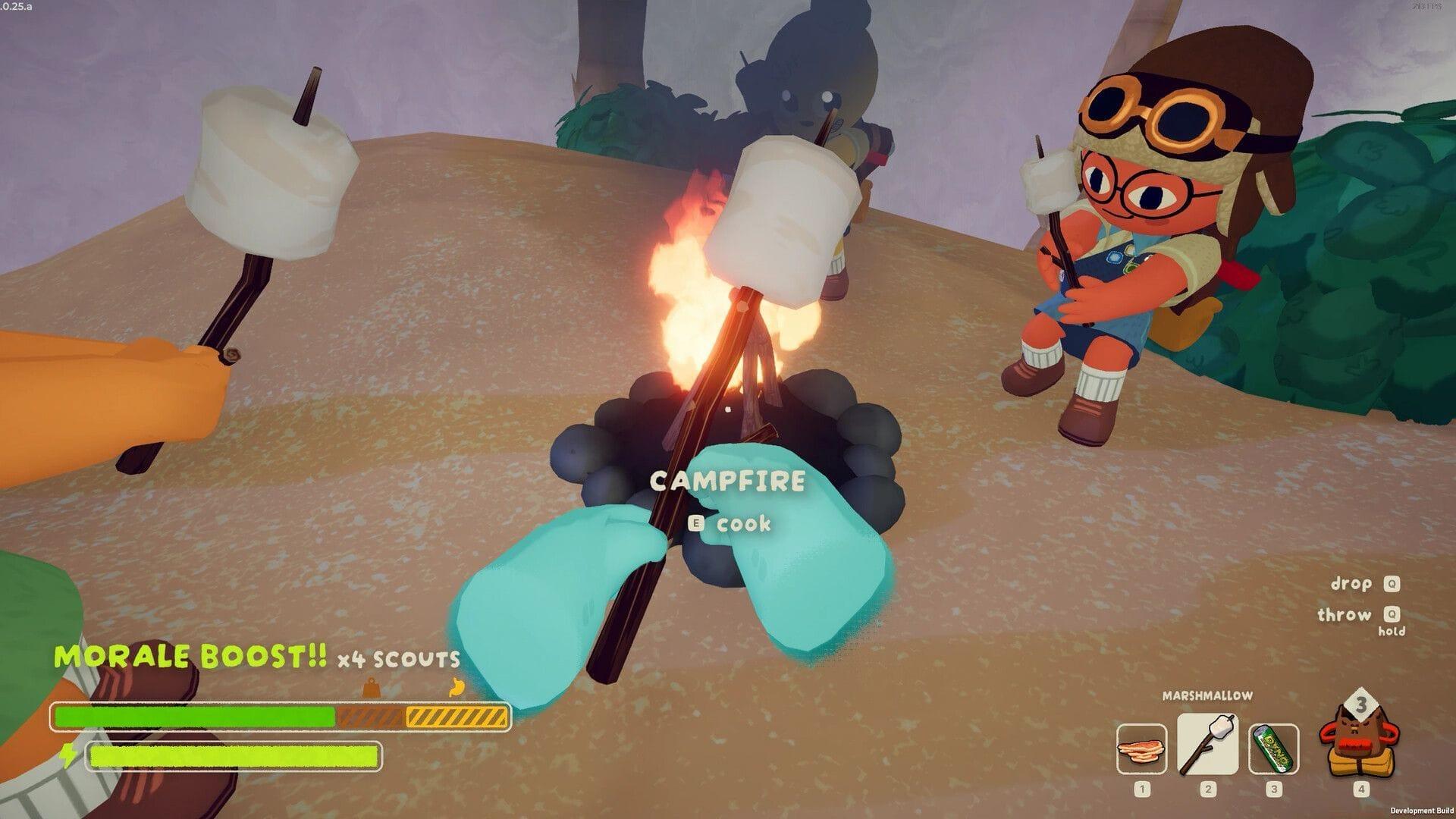
PEAK introduces a revolutionary approach to player death that transforms temporary defeat into strategic opportunity. When your climbing expedition meets an untimely end, you don’t simply respawn at a checkpoint—your character undergoes a metaphysical transformation into spectral form. This ghost mode completely alters your gameplay capabilities while maintaining your connection to the team’s objective.
As a spectral entity, you gain unprecedented mobility through floating movement that bypasses terrain obstacles. Your proximity chat remains active, allowing continuous communication with living teammates within audio range. The ghost perspective provides unique scouting advantages, enabling you to survey upcoming challenges and identify optimal routes without physical limitations. However, this form comes with significant tradeoffs—you cannot manipulate objects, collect resources, assist with climbing mechanics, or perform revival actions on other fallen comrades.
The community remains divided on ghost implementation. Support-oriented players appreciate the continued team contribution possibilities, while immersion-focused gamers sometimes find the mechanic disrupts the survival simulation experience. Regardless of perspective, understanding ghost dynamics proves essential for mastering PEAK’s distinctive gameplay rhythm.
Revival Systems Explained
PEAK offers two distinct revival methods, each with strategic implications for team resource management and survival priorities.
Effigies: These single-use consumable items represent the most controlled revival option. Each effigy resurrects one spectral teammate, making them precious commodities that demand careful allocation. Veteran players typically reserve effigies for critical situations where specific player skills are immediately necessary. The limited inventory capacity for these items encourages strategic decision-making about when and whom to revive.
Campfire Altars: These rare environmental structures provide team-wide resurrection without consuming player resources. Located in fixed positions throughout the climbing routes, campfire altars require team coordination to activate. Their scarcity makes map knowledge valuable, as teams can plan routes around known altar locations. The group revival effect makes them particularly valuable during team wipes or when multiple members have entered ghost state.
Strategic revival timing significantly impacts expedition success. Immediate resurrection isn’t always optimal—sometimes maintaining ghost surveillance provides greater team value than premature return to physical form.
Advanced Ghost Strategies
Mastering ghost mechanics transforms what appears to be a penalty system into a sophisticated support toolkit. Effective spectral players provide critical intelligence that dramatically improves team survival odds.
Scouting and Communication Techniques: As a ghost, your primary value lies in information gathering. Float ahead to identify environmental hazards, enemy positions, and optimal climbing routes. Use proximity chat to provide real-time updates—but be concise and specific. Develop clear callout protocols with your team for common obstacles and threats. Advanced tactic: Create mental maps of safe paths and danger zones for later reference when revived.
Team Coordination Best Practices: Establish ghost protocols before expeditions. Determine preferred revival priorities—sometimes the medic should return first, other times the best climber. Develop hand signals or code phrases for silent communication when proximity chat might reveal positions to enemies. Coordinate revival timing with team positioning—don’t request resurrection when teammates are overwhelmed or mid-climb.
Common Mistakes to Avoid: Novice ghosts often make critical errors that reduce their effectiveness. Avoid constant chatter that distracts living teammates. Don’t demand immediate resurrection when your spectral form provides current tactical advantage. Never abandon your scouting duties to simply follow the team—maximize your unique positioning benefits. Experienced players learn to balance ghost capabilities with team needs for optimal results.
Gameplay Optimization
Integrating ghost mechanics into your overall PEAK strategy requires understanding when each revival method provides maximum value and how to leverage spectral advantages throughout the expedition lifecycle.
When to Use Each Revival Method: Effigies work best for targeted revives when specific skills are needed immediately or when campfire altars are inaccessible. Campfire altars should be saved for multiple ghost situations or when the team can safely reach them without excessive risk. Expert teams sometimes intentionally maintain one ghost for scouting while reviving other members strategically.
Maximizing Ghost Mode Value: The most successful teams view ghost mode as an intelligence asset rather than a punishment. Use your spectral time to memorize enemy patterns, identify hidden paths, and note resource locations. This information becomes invaluable upon revival, allowing your team to navigate more efficiently and avoid previous mistakes.
Team Composition Considerations: Balance your team with both climbing specialists and communication-focused players who excel in ghost roles. Some players naturally provide better scouting intelligence, making them valuable even in spectral form. Consider keeping your best communicator in ghost state longer during complex navigation sections.
In PEAK, death represents not failure but transformation. Mastering the transition between living and spectral states separates competent climbers from expedition legends.
No reproduction without permission:Tsp Game Club » How to become a ghost in PEAK Master PEAK's ghost mechanics with strategic revival tactics and advanced team support techniques