
Complete guide to expanding inventory capacity in Where Winds Meet with cost breakdown and efficiency tips
Understanding Inventory Basics
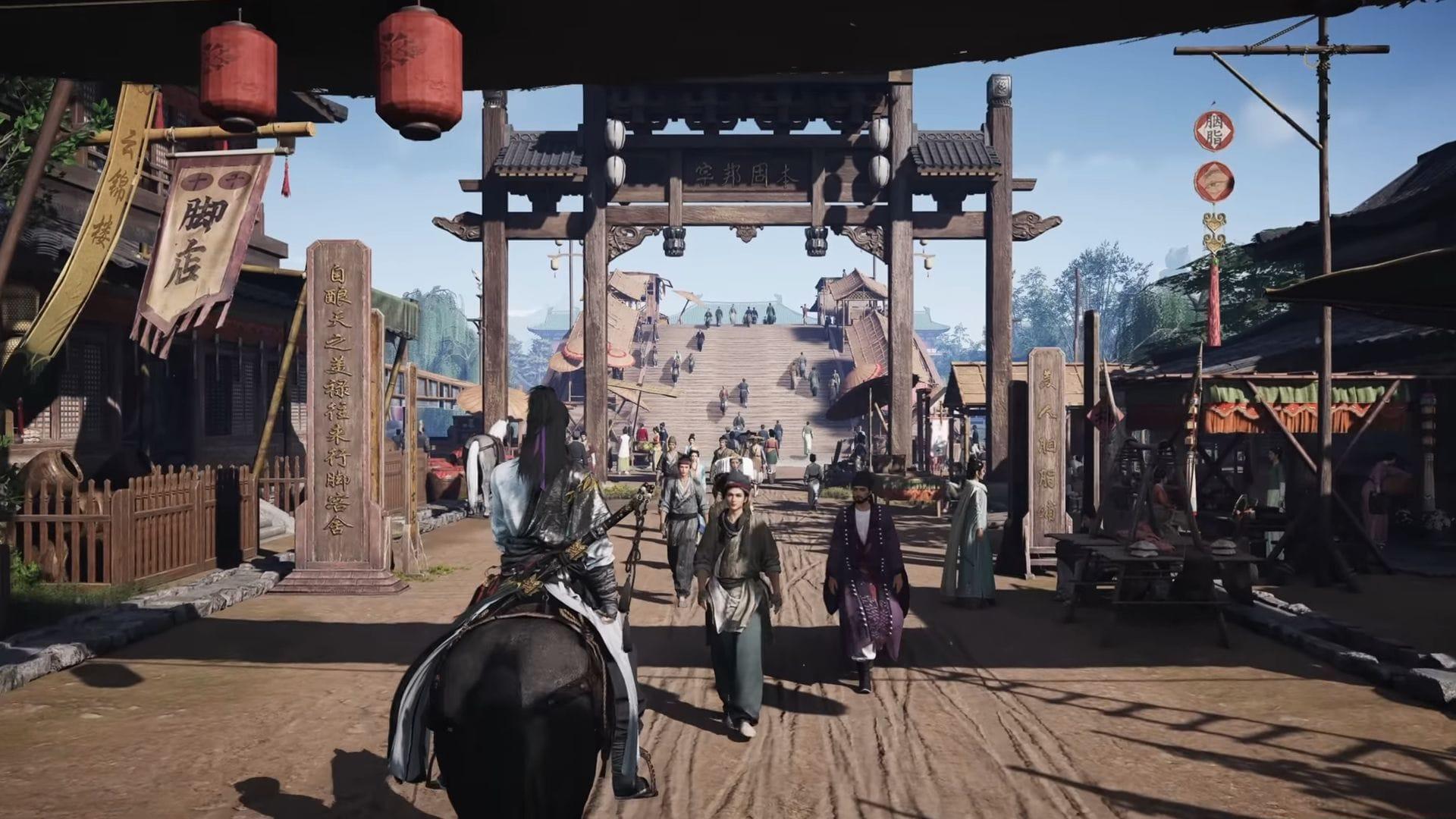
Managing your carrying capacity effectively in Where Winds Meet begins with understanding the game’s default storage provisions. The initial inventory space is surprisingly generous, designed to accommodate most players’ needs during early gameplay. However, dedicated collectors and resource hoarders will eventually face space constraints that necessitate expansion.
Knowing when to invest in additional slots versus optimizing your current storage is crucial. Many players prematurely spend their hard-earned Zhou Coins on expansions they don’t immediately need. The game’s open-world design encourages exploration and collection, but strategic inventory management can delay or minimize expansion costs significantly.
Step-by-Step Expansion Process
Expanding your inventory follows a straightforward but specific procedure. Begin by accessing the game’s pause menu using the Escape key on keyboard or Options button on controllers. This central hub contains all your character management options.
Navigate to the Gear section and scroll systematically to the interface bottom where expansion options reside. The locked inventory rows are clearly marked with distinctive padlock icons that indicate available purchases.
Unlike many games that sell individual slots, Where Winds Meet employs a row-based unlocking system. Each purchase grants access to an entire horizontal row of storage space, providing significant capacity increases with single transactions. This bulk approach offers better value than piecemeal expansions found in similar RPG titles.
Repeat this identical process for subsequent expansions as your storage needs grow and your Zhou Coin reserves allow. The system maintains consistency throughout, ensuring you can quickly expand whenever necessary without relearning the interface.
Complete Cost Breakdown and Pricing Strategy
The financial investment required for inventory expansion follows a carefully calibrated progression system. Initial expansions provide excellent value, while later tiers require substantial Zhou Coin investments. Understanding this cost structure helps players budget their in-game currency effectively.
Current verified expansion pricing structure:
- Slots 1-2: 5,000 Zhou Coins each (Excellent early-game value)
- Slots 3-4: 10,000 Zhou Coins each (Moderate mid-game investment)
- Slots 5-6: 16,000 Zhou Coins each (Transition to premium pricing)
- Slots 7-9: 23,000 Zhou Coins each (Significant cost increase)
- Slots 10-11: 31,000 Zhou Coins each (High-end expansion tier)
- Slots 12-13: 40,000 Zhou Coins each (Premium storage costs)
- Slots 14-15: 50,000 Zhou Coins each (Maximum current capacity price)
The pricing escalates in distinct tiers, with costs doubling between the first and final expansions. This progressive increase encourages players to prioritize essential items and develop efficient inventory habits before committing to high-cost expansions. Smart players focus on earning Zhou Coins through quests and trading before investing in premium storage slots.
Advanced Inventory Management Techniques
Beyond simple expansion, mastering inventory efficiency separates novice players from seasoned adventurers. Begin by categorizing your items into essential gear, situational equipment, and disposable resources. This organizational approach helps identify what truly deserves precious slot space.
Avoid these common inventory mistakes: hoarding low-value crafting materials, carrying multiple weapon duplicates, and storing quest items beyond their usefulness. Each unnecessary item occupies space that could house more valuable discoveries.
Implement a regular inventory audit routine. During downtime between missions, review your carried items and discard or bank anything not immediately necessary. This maintenance prevents the storage crises that force premature expansions.
Advanced players utilize storage facilities strategically, keeping bulk resources in centralized locations while carrying only mission-essential items. This mobile-focused approach maximizes operational efficiency and minimizes expansion requirements. Future game updates may introduce additional storage options, but these core principles will remain relevant for effective inventory management.
No reproduction without permission:Tsp Game Club » How to buy extra inventory slots in Where Winds Meet Complete guide to expanding inventory capacity in Where Winds Meet with cost breakdown and efficiency tips