
Complete guide to defeating the God of Avarice boss with optimized strategies and expert combat tips
Understanding the God of Avarice Challenge
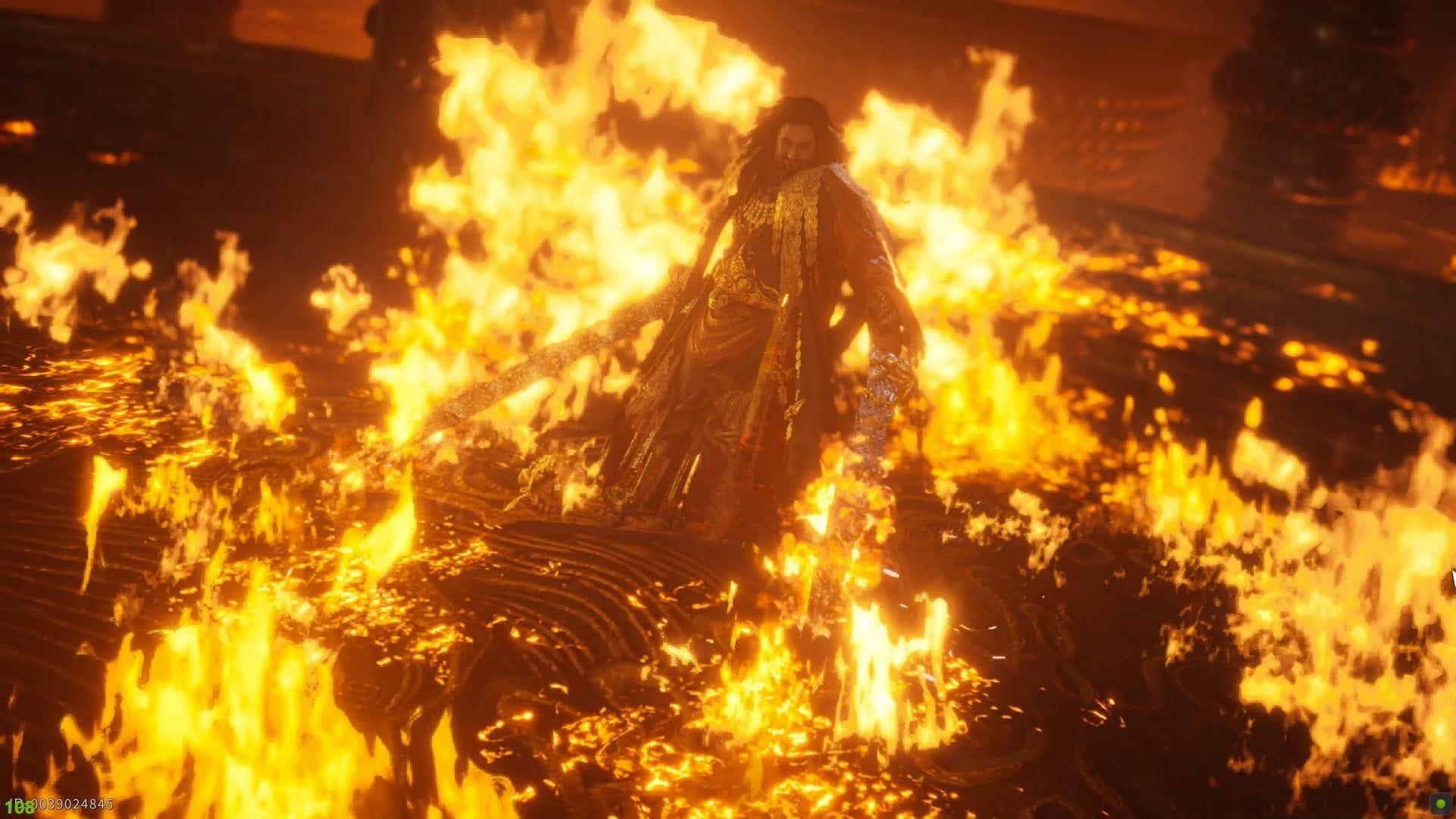
The God of Avarice in Where Winds Meet represents a pivotal campaign encounter during Chapter 2’s main narrative arc. This formidable adversary resides within Kaifeng City’s confines, presenting a unique psychological combat dynamic centered around the Echo Jade currency system. The boss employs temptation as its primary weapon—offering valuable rewards that simultaneously create vulnerability windows when accepted. Understanding this risk-reward balance becomes crucial for survival.
Many players underestimate the psychological warfare element, focusing solely on mechanical execution. The Echo Jade temptation mechanic introduces strategic depth beyond typical damage-sponge bosses, requiring disciplined resource management amid combat pressure.
Beyond crossword solutions and puzzle answers, this boss demands genuine combat mastery and tactical decision-making under pressure.
Optimal Loadout and Preparation
Success against this adversary demands rapid health depletion through optimized damage output. The Strategic Sword emerges as the premier choice when configured with Bleed and poison-based build in Where Winds Meet, creating sustained damage over time that bypasses the boss’s defensive measures. This build synergizes exceptionally well with the fight’s rhythm, allowing damage application during evasion periods.
Alternative equipment configurations can prove effective with sufficient upgrade investment, though they typically require more precise execution. For players utilizing other weapons, focus on high-burst damage skills that can be executed during brief vulnerability windows. Upgrade priority should emphasize damage-per-second metrics over defensive capabilities, as this encounter heavily punishes prolonged engagements.
Pre-battle preparation should include stamina regeneration items, anti-stun consumables, and mobility-enhancing equipment. The temptation resistance provided by certain talismans can significantly reduce the gold collection risks during Phase 2.
Phase 1 Combat Strategy
The initial combat phase demands exceptional agility and disciplined distance management. Maintaining optimal positioning proves more critical than aggressive engagement during this stage. The boss employs several identifiable attack patterns that create structured response opportunities.
- Projectile parrying serves dual purposes—damage mitigation and Qi bar reduction. Maintaining distance while selectively engaging only during stunned periods represents the optimal strategy.
- Three distinct slow-strike combinations provide perfect parry opportunities. Weapon skill combos should be executed during the recovery animations following these patterned attacks.
- Central arena floating signals an area-of-effect stun attack. Immediate disengagement and constant movement prevent the debilitating stun effect that often leads to combo deaths.
Advanced technique: Bait the triple-strike pattern by standing at medium range, then counter-attack during the third strike’s recovery frames. This maximizes damage output while minimizing risk exposure.
Phase 2 Advanced Tactics
The battle intensifies dramatically in Phase 2, introducing enhanced damage output and stun-lock capabilities through refined mechanics. This phase tests both mechanical execution and strategic decision-making under pressure.
- Dual blade assaults require differentiated responses—standard attacks should be parried while golden glowing strikes demand evasion. Mistaking these visual cues represents a common failure point.
- Distributed gold layers present strategic collection opportunities. Greed management becomes crucial—collecting 2-3 clusters between attacks optimizes benefits while minimizing vulnerability. Monitor the status ailment bar vigilantly.
- A specialized bar appears above the health meter, requiring focused attacks and successful parries to deplete. This mechanic gates progress toward the victory condition.
- The red glowing orb represents the primary damage conduit. Precise timing when the boss exposes this weak point accelerates health depletion significantly.
- Summoned zombies function as area denial rather than primary threats. Evasion prioritization over elimination conserves resources for critical moments.
- Projectile evasion replaces parrying as the optimal response—these attacks often carry debuff applications that compound difficulty.
- Laser attacks demand absolute priority—these instant-kill mechanics require preemptive positioning and uninterrupted focus during telegraphing animations.
Common Mistakes and Optimization
Victory against the God of Avarice in Where Winds Meet culminates after depleting the HP bar by shooting the red orb 4 times. Completion unlocks the campaign challenge mode, but several common errors prevent players from reaching this point.
Most frequent mistakes include over-commitment to gold collection, mis-timing orb destruction opportunities, and inadequate zombie management. Advanced players can optimize by timing orb shots during phase transitions, using environmental features for positioning advantages, and employing specific skill combinations that stagger the boss during vulnerable states.
Post-campaign challenge mode introduces enhanced mechanics including faster attack patterns, reduced telegraphing, and additional environmental hazards. Mastery of the core strategies outlined here provides the foundation for tackling these increased difficulties.
The psychological aspect cannot be overstated—maintaining discipline during high-pressure moments separates successful contenders from repeated failures. Practice recognizing attack telegraphs and developing muscle memory for optimal response sequences.
No reproduction without permission:Tsp Game Club » How to defeat the God of Avarice in Where Winds Meet Complete guide to defeating the God of Avarice boss with optimized strategies and expert combat tips