
TL;DR
- Camel Husks spawn exclusively in desert biomes at night with specific rider combinations
- Only 10% of spawns include both Husk and Parched riders, affecting hostility levels
- Taming requires rabbit’s foot and works only when mob is passive (rider-free)
- Saddles enable riding with unique movement benefits across varied terrain
- Strategic timing and location selection significantly increase finding success rates
The arid desert landscapes of Minecraft have received a thrilling addition with the Mounts of Mayhem update, introducing the formidable Camel Husk and its companion, the Parched. This undead camel variant presents unique behavioral dynamics that distinguish it from standard desert mobs. Unlike typical hostile creatures, the Camel Husk exhibits conditional aggression that depends entirely on its current riders.
Camel Husks represent the undead counterparts to regular camels inhabiting desert regions. Accessing this mob requires installation of the most recent Mounts of Mayhem content update. Their hostility mechanics function similarly to other undead mounts like Zombie Horses and Skeleton Horses, where aggression levels fluctuate based on rider presence.
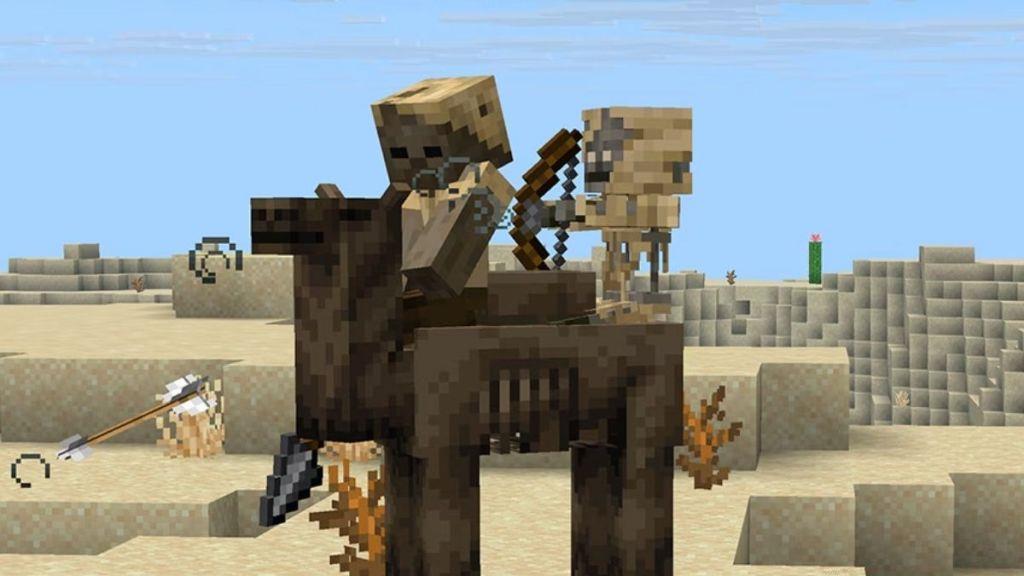
The mob’s hostility pattern creates strategic opportunities for players. When mounted by undead riders like Husks or Parched, the Camel Husk remains aggressive toward players. However, once riders are eliminated, the creature transitions to a passive state, enabling interaction and potential taming. This dual-nature behavior makes understanding spawn mechanics crucial for successful encounters.
Locating Camel Husks requires precise environmental conditions and timing. These undead camels exclusively appear in desert biomes during nighttime hours or when light levels reach absolute zero. Several specific rules govern their appearance and accompanying mob configurations.
Optimal hunting strategies involve scanning expansive desert areas during moonlit nights, focusing on flat, unobstructed terrain. The rarity of rider-equipped spawns means players may need multiple night cycles to encounter the ideal taming candidate. Bringing night vision potions can significantly improve visibility and detection rates during searches.
Advanced players should note that Camel Husk spawn rates may vary between desert subtypes. While standard deserts provide adequate spawning grounds, desert hills and other variants might offer different density patterns worth exploring for efficiency.
Taming these undead mounts requires specific conditions and resources. Players must first ensure the Camel Husk is in its passive state, achieved by eliminating any undead riders. Attempting to feed rabbit’s foot to an aggressive, rider-mounted Camel Husk will prove ineffective and potentially dangerous.
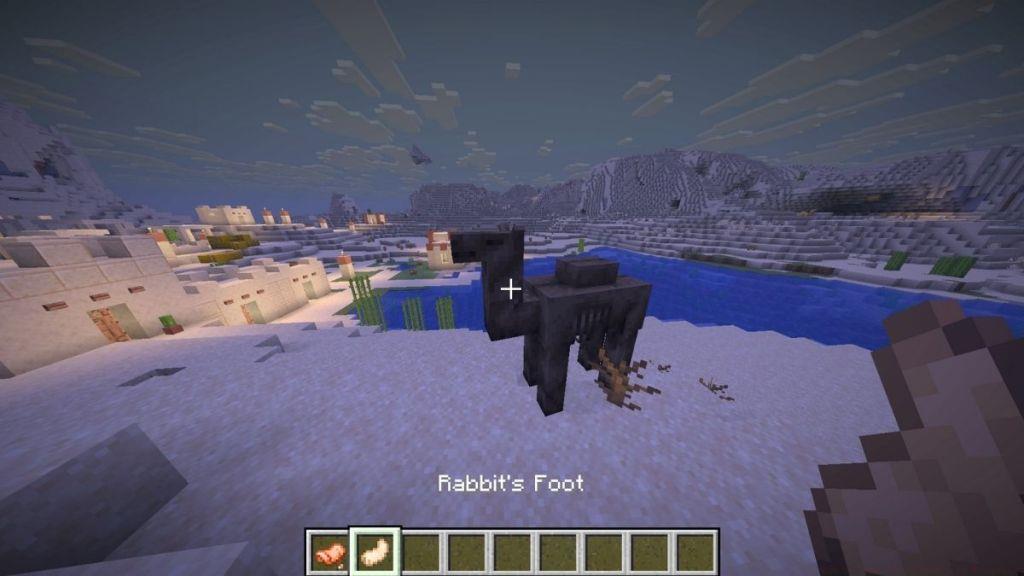
The taming process involves approaching the passive Camel Husk and offering it a rabbit’s foot. Successful taming triggers visible heart particles around the creature, indicating it now recognizes you as its owner. Common mistakes include attempting taming too quickly after rider elimination or using incorrect food items.
Rabbit’s foot acquisition requires either hunting rabbits in forest biomes or establishing a rabbit farm. The item’s relative rarity makes preparation essential before embarking on Camel Husk taming expeditions. Experienced players recommend carrying multiple rabbit’s feet to account for potential failed attempts or multiple taming opportunities.
For players struggling with taming mechanics, our Class Guide offers additional strategies for managing creature interactions across different game scenarios.
Once successfully tamed, Camel Husks become valuable transportation assets across Minecraft’s diverse landscapes. Mounting requires placing a saddle on the creature’s back, transforming it into a controllable mount with unique movement capabilities.
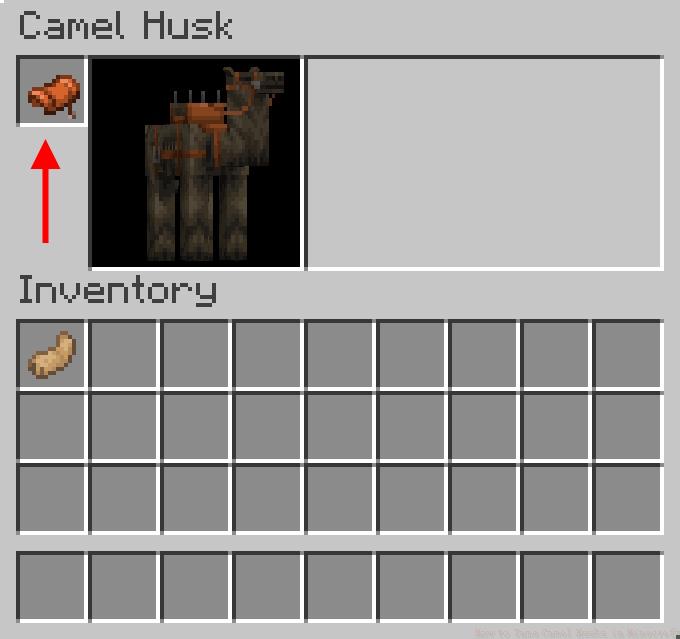
Ridden Camel Husks offer distinct advantages over standard mounts. Their undead nature provides immunity to certain environmental hazards, while their camel physiology enables traversal across sandy terrain with reduced speed penalties. The creature’s height advantage also offers tactical benefits during combat situations.
Movement mechanics include standard walking speeds complemented by a unique dash ability effective for evading threats or covering distances quickly. The mount’s collision box allows navigation through spaces that might challenge larger creatures, though careful movement through narrow passages remains advisable.
For comprehensive gaming strategies beyond mob taming, explore our Complete Guide for additional expert insights and techniques.
Strategic applications extend beyond mere transportation. Camel Husks can serve as mobile platforms for ranged combat, elevated observation points, or desert expedition companions. Their conditional hostility mechanics also create interesting possibilities for automated defense systems when combined with proper mob management techniques.
Action Checklist
- Prepare rabbit’s foot and saddle before desert exploration
- Search desert biomes at night in open, flat areas
- Eliminate Husk and Parched riders to achieve passive state
- Feed rabbit’s foot to passive Camel Husk for taming
- Place saddle and mount for desert traversal
No reproduction without permission:Tsp Game Club » How to Tame Camel Husks in Minecraft Master finding, taming, and riding the undead Camel Husk mob in Minecraft's Mounts of Mayhem update