
TL;DR
- Master the Y-X attack combo system for optimal crowd control and single-target damage
- Prioritize Powerful Foes with health bars to prevent outpost losses and maintain battlefield control
- Constantly reposition to avoid encirclement and use terrain to your tactical advantage
- Coordinate character abilities through strategic switching to counter different enemy types effectively
- Manage special gauges and resources carefully to maintain combat momentum throughout battles
Mastering the ancient battlefields of Hyrule during the legendary Imprisoning War requires adapting to a completely different combat paradigm than traditional Zelda adventures. Age of Imprisonment immerses you in fast-paced hack-and-slash warfare where tactical positioning, precise timing, and strategic decision-making outweigh simple button mashing. You’ll lead iconic champions including Zelda, Rauru, and the enigmatic Mysterious Construct while perfecting combat systems that reward calculated aggression and intelligent resource allocation.
This represents a significant departure from conventional Zelda gameplay. As a Musou genre title, you’ll consistently engage dozens of adversaries simultaneously across expansive combat zones. The core gameplay loop centers on seizing and securing outposts while neutralizing high-value targets capable of shifting battle momentum.
Hyrule Warriors game runs on Switch 2 …
The critical distinction involves recognizing that each enemy type serves specific battlefield functions. Standard troops increment your combo counter and charge special ability meters, whereas Powerful Foes displaying visible health indicators and crimson attack warnings require immediate engagement. Neglecting these elite combatants will inevitably result in outpost forfeiture.
Maintaining static positions equates to certain defeat within these chaotic warzones. Continuously adjust your positioning to prevent encirclement by enemy formations. Your mobility transforms into your primary defensive asset, particularly when confronting multiple boss adversaries concurrently.
The Y controller input executes rapid, light strikes ideal for combo development, while X delivers slower but substantially more powerful attacks. Perfect these essential combinations:
Beyond basic combinations, advanced players should master aerial juggling by launching enemies with upward strikes followed by mid-air combos. This technique prevents surrounding enemies from attacking while building massive damage multipliers. Additionally, perfect dodge timing activates slow-motion windows for counterattacks – practice this against telegraphed enemy attacks to create offensive opportunities.
Special attack gauges fill progressively during combat encounters. Avoid wasting these powerful abilities on standard enemies; instead, reserve them for elite foes or clustered groups where their area impact proves most effective. The strategic deployment of special attacks often determines victory in challenging engagements.
Outpost domination forms the cornerstone of successful battlefield strategy in Hyrule Warriors. Rather than blindly charging capture points, implement methodical approaches that maximize efficiency while minimizing resource expenditure. Begin each engagement by scouting surrounding areas for advantageous terrain features and potential ambush locations.
Prioritize outposts controlling strategic chokepoints or resource spawn locations. These positions provide sustained battlefield advantages beyond simple territory control. When assaulting defended positions, eliminate commanding officers first to demoralize remaining troops and accelerate capture progress.
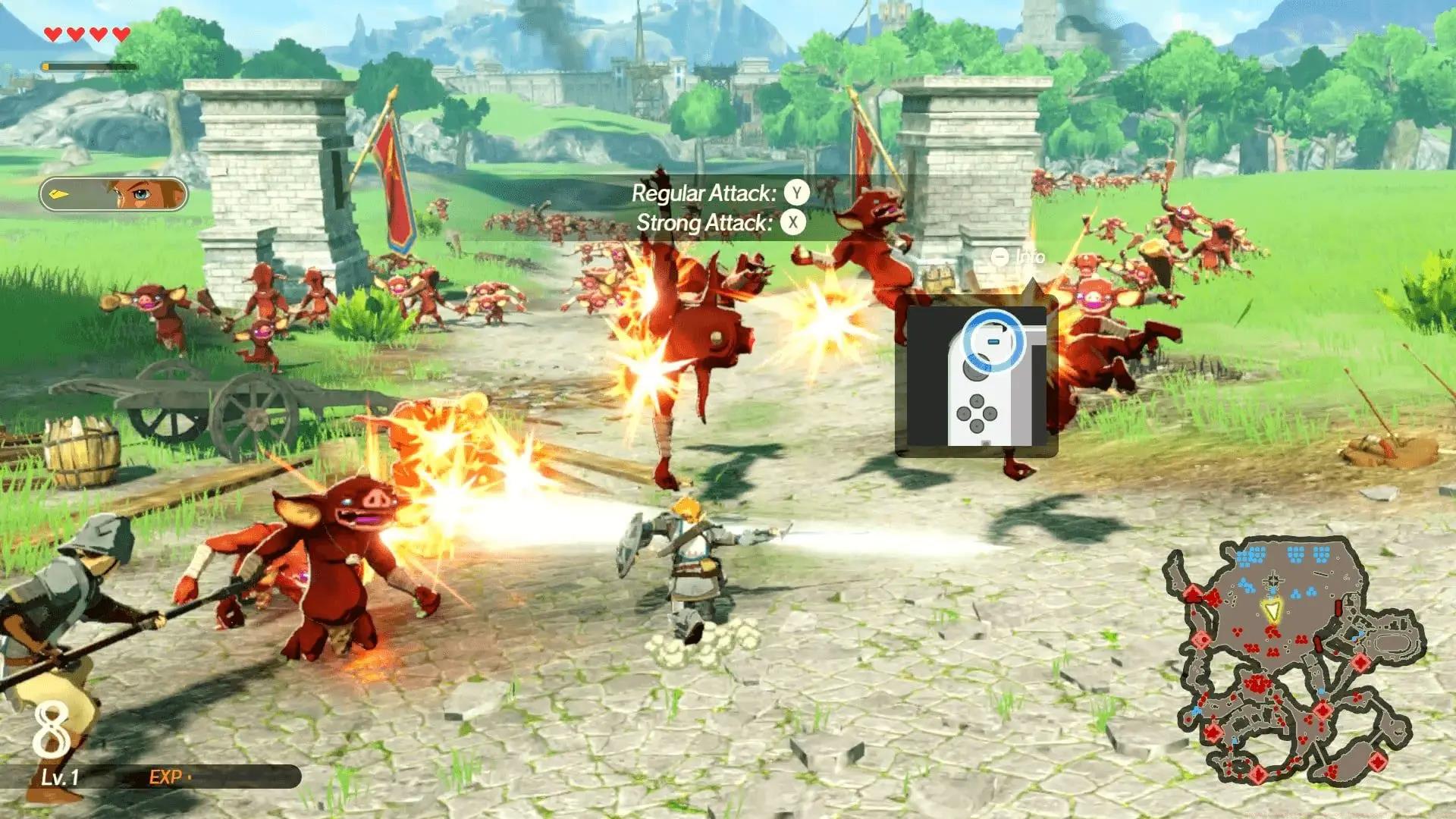
Defensive outpost management requires anticipating enemy reinforcement routes and establishing early warning systems. Position yourself where you can respond quickly to multiple threats rather than remaining stationary within captured territory. Advanced tactics include deliberately leaving weakly defended outposts to bait enemy commanders into vulnerable positions for elimination.
Coordinate with AI-controlled allies by using the command interface to direct their movements toward strategic objectives. A well-timed allied assault on a secondary outpost can divide enemy forces, creating opportunities for your main offensive push. This division of attention significantly increases your operational effectiveness across large battlefields.
Effective hero rotation represents a critical skill often overlooked by novice commanders. Each character possesses unique combat specialties, movement capabilities, and situational advantages. Zelda excels at magical area control, Rauru provides balanced offensive capabilities, while the Mysterious Construct offers unconventional tactical options.
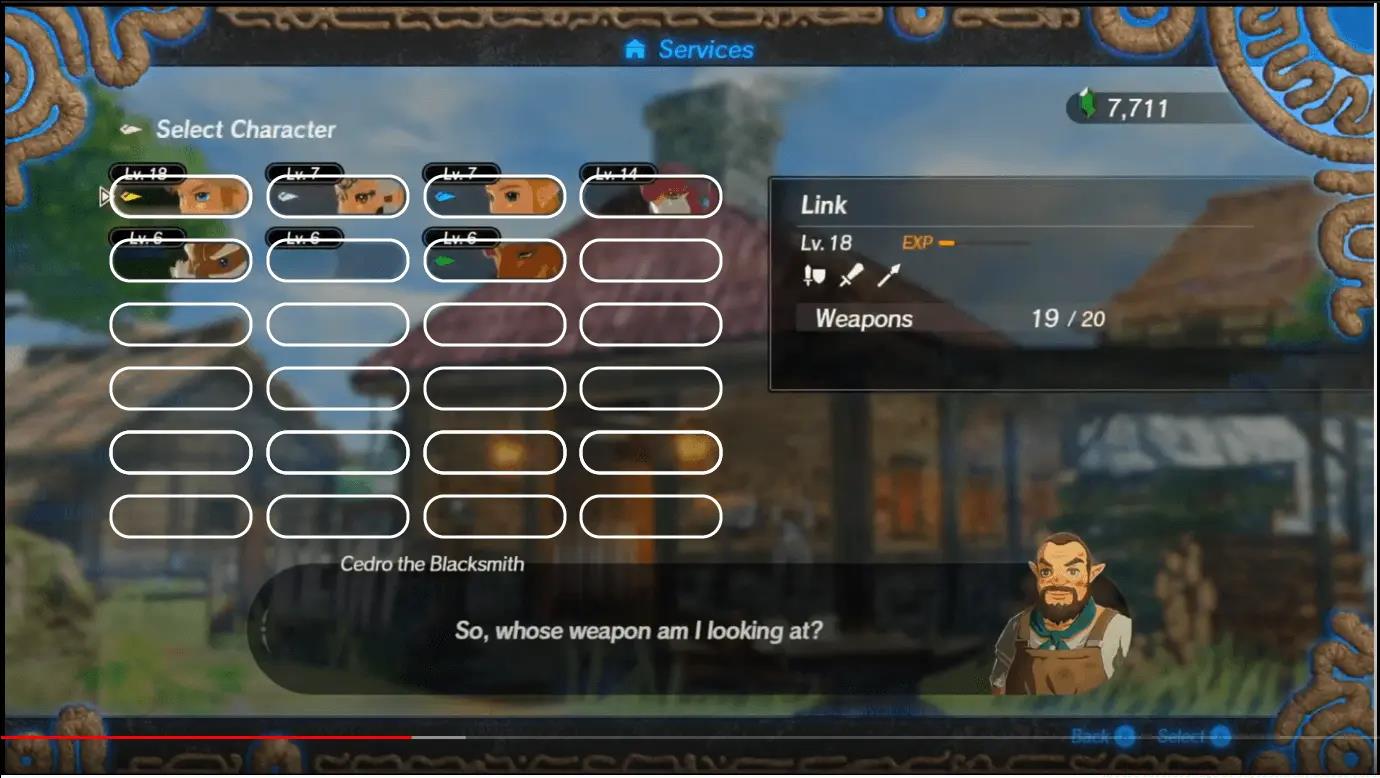
Develop strategic switching patterns based on battlefield requirements rather than personal preference. Transition to characters with superior mobility when responding to distant threats, and utilize heavy attackers when breaching fortified positions. The tactical map interface provides real-time awareness of which character positions offer optimal response capabilities.
Advanced team management involves pre-planning character loadouts to complement each other’s strengths and cover weaknesses. Pair long-range specialists with close-combat experts to handle diverse enemy compositions. Additionally, monitor individual character health and special gauges across your roster, switching to wounded heroes to remove them from immediate danger while they recover.
Mastering quick character swaps during combo sequences can extend attack chains beyond normal limitations. This advanced technique requires precise timing but enables devastating continuous assault patterns that overwhelm even the most resilient enemies.
Superior defensive play separates competent commanders from legendary warriors. Beyond basic evasion, develop comprehensive situational awareness that anticipates threats before they materialize. Regularly scan your minimap for converging enemy indicators and unusual movement patterns that signal impending attacks.
Environmental utilization provides crucial defensive advantages. Position yourself with terrain obstacles at your back to limit engagement angles, or use elevated positions to control enemy approach routes. When overwhelmed, retreat toward allied-controlled territory where supporting forces can assist with threat management.

Boss encounters demand specialized defensive approaches. Study attack animations to identify safe engagement windows rather than attacking continuously. Most boss characters feature predictable patterns after their initial assault sequences – patient observation followed by calculated counterattacks proves more effective than aggressive confrontation.
Implement the “hit-and-run” methodology against particularly dangerous enemies: deliver a brief combo sequence before repositioning to safety. This conservative approach minimizes damage taken while gradually whittling down formidable opponents. Against multiple bosses simultaneously, focus on evasion while waiting for separation opportunities that allow one-on-one engagements.
Strategic resource allocation often determines prolonged engagement success. Special attack gauges, item inventories, and character health represent finite resources requiring careful conservation. Avoid expending powerful abilities on insignificant threats; instead, reserve them for situations where their impact provides maximum tactical advantage.
Item collection during combat provides essential sustainability. Develop routes through battlefield areas that maximize resource acquisition while advancing toward objectives. Healing items prove particularly valuable during extended operations – prioritize their collection when health levels drop below critical thresholds.
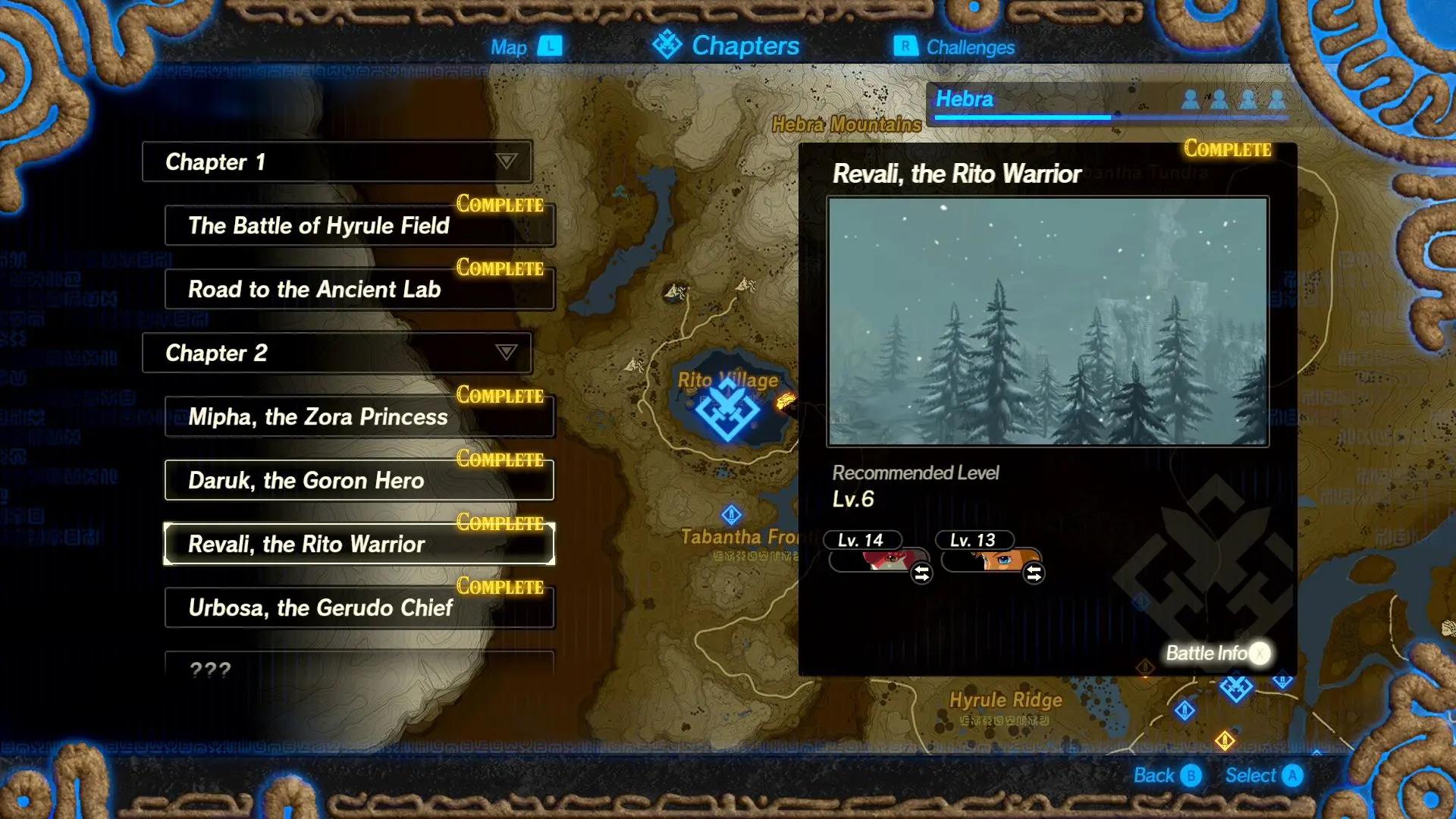
Upgrade decisions should reflect your preferred playstyle and frequent challenges. If struggling with survivability, invest in defensive enhancements and healing capabilities. For offensive-focused approaches, prioritize damage amplification and special attack recharge rates. Avoid spreading upgrade resources too thinly across multiple characters early in your campaign.
Advanced resource management includes timing item usage during specific battle phases. Consumable attack boosts provide maximum value during boss encounters or outpost assaults, while defensive items prove most effective when facing overwhelming numbers. Plan your resource expenditure around anticipated battle developments rather than reacting to immediate situations.
Transitioning from novice to proficient commander requires adopting advanced strategic concepts beyond basic mechanics. Begin by mastering map awareness – regularly pause to assess battlefield developments rather than focusing exclusively on immediate combat. This broader perspective enables anticipating enemy movements and identifying emerging threats before they compromise your position.
Objective timing represents another critical advanced skill. Secondary missions often appear with strict time limitations – evaluate whether completion justifies diverting from primary goals based on reward value and current battle status. Sometimes sacrificing minor objectives to maintain strategic positioning proves wiser than overextending for minimal gains.

Combo optimization separates skilled players from beginners. Beyond memorizing button sequences, learn which combinations work best against specific enemy types and formations. Crowd control combos prove inefficient against solitary powerful foes, while single-target attacks waste precious time against grouped standard enemies.
Finally, develop adaptive strategies rather than relying on fixed approaches. Each battlefield presents unique challenges requiring flexible thinking. If a particular tactic repeatedly fails, analyze why it’s ineffective and adjust accordingly. The most successful commanders continuously evolve their strategies based on battlefield feedback rather than stubbornly persisting with unsuccessful methods.
For comprehensive guidance on mastering military tactics in modern combat environments, explore our Complete Guide to advanced warfare strategies that translate across multiple gaming genres.
Action Checklist
- Practice basic Y-X combos in training mode for 15 minutes
- Complete one mission focusing exclusively on enemy prioritization
- Master character switching during combat sequences
- Develop outpost capture routes on three different maps
- Practice perfect dodges against boss attack patterns
No reproduction without permission:Tsp Game Club » Hyrule Warriors: Age of Imprisonment Combat Guide Master Hyrule Warriors combat with essential strategies, outpost tactics, and character management for battlefield dominance