
TL;DR
- PAX Romana maintains ANNO’s signature city-building while adding substantial RTS combat
- Simplified management interfaces make citizen needs tracking more accessible than previous titles
- Choose between Albion’s challenging terrain or Latium’s trade-focused environment
- New diplomacy system features voiced characters and meaningful dialogue choices
- Campaign suffers from unbalanced character portrayals but sandbox mode delivers exceptional depth
The ANNO franchise has consistently delivered top-tier city-building experiences for dedicated strategy enthusiasts who enjoy meticulous empire management. Following the critically acclaimed ANNO 1800, which established new standards for the series, Ubisoft faced significant pressure to innovate while preserving the core gameplay that fans cherish. PAX Romana successfully walks this tightrope by retaining the fundamental mechanics while implementing crucial quality-of-life improvements.
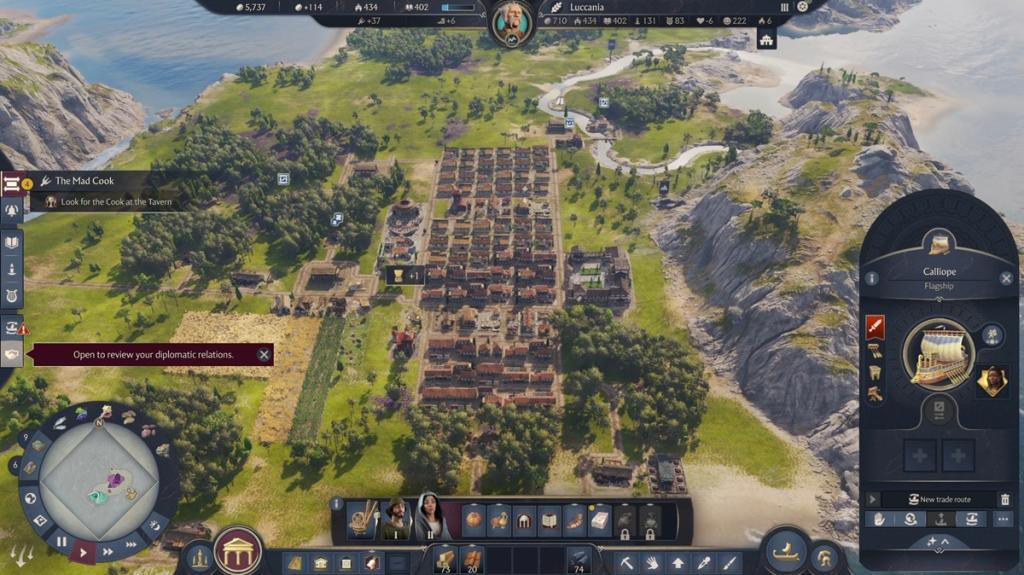
At its foundation, ANNO 117 PAX Romana follows the established formula: establishing settlements on uncharted islands, constructing essential infrastructure like woodcutters and sawmills, and maintaining vital connections to your central trade post. However, the development team has made substantial enhancements to the user interface that dramatically improve the management experience. For the first time in recent memory, I navigated the initial hours of an ANNO title without struggling to balance citizen demands—a common pain point for newcomers to the series.
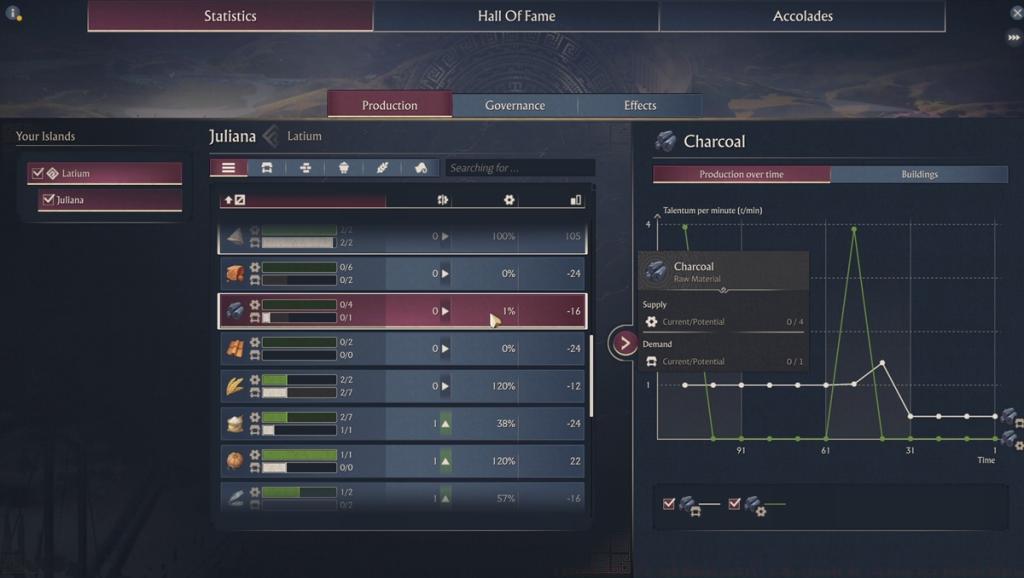
The streamlined overhead menu consolidates all citizen requirements into a single, intuitive dashboard that provides immediate visibility into production and consumption patterns.
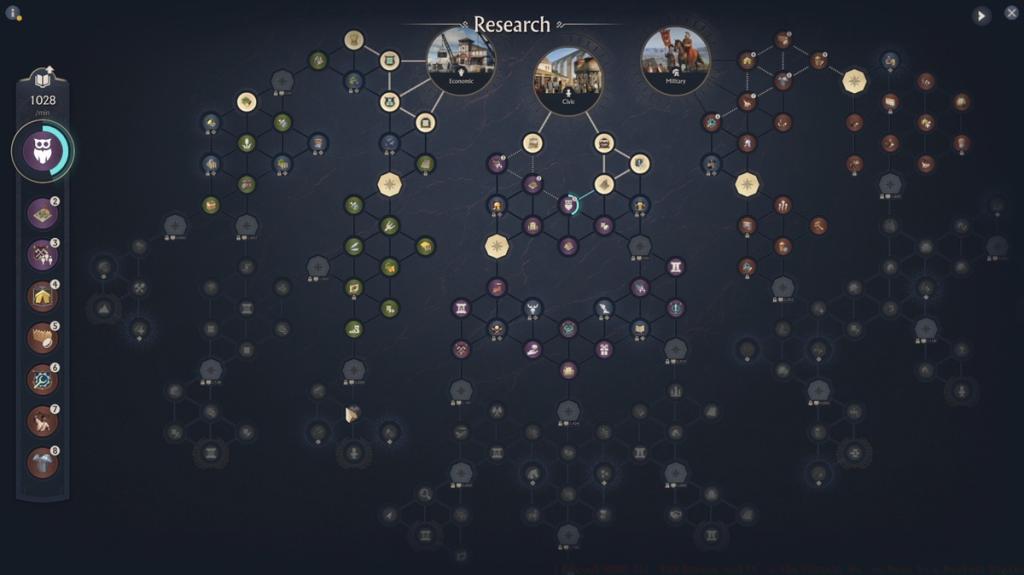
The newly implemented research system represents one of PAX Romana’s most significant advancements. This feature connects to Knowledge Points generated through specialized structures or by recruiting expert personnel. Players can strategically prioritize research nodes and establish automated queues that progress without constant manual intervention. This design choice allows greater focus on city layout optimization rather than frequent menu navigation.
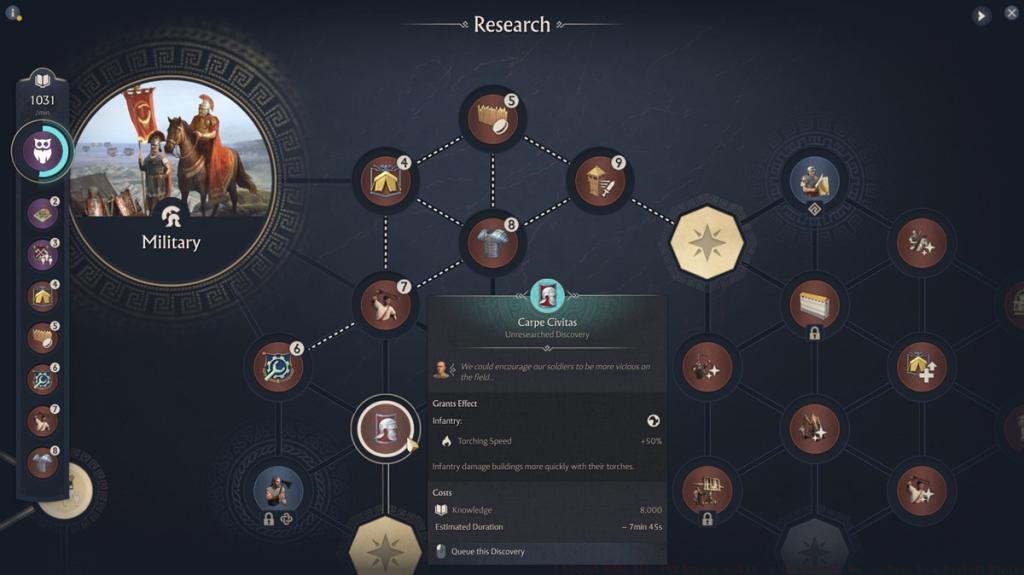
Research options serve dual purposes: unlocking new construction options like Watch Towers for enhanced security and citizen satisfaction, while also providing passive enhancements such as increased workshop capacity or production efficiency boosts. Certain nodes reveal new naval vessels or military units, while others remain locked behind specific in-game achievements or progression milestones.
ANNO 117 PAX Romana’s sandbox mode—the primary attraction for series veterans—begins with a critical strategic decision: selecting between the distinct regions of Albion and Latium. While the campaign narrative guides players through both territories in a predetermined sequence, the endless mode grants complete freedom in this foundational choice.
Albion and Latium present dramatically different environmental conditions and gameplay challenges. Albion, homeland of the Celtic peoples, features swampy terrain and typically more hostile neighboring governors. In contrast, Latium, the Roman heartland, offers abundant meadows and generally more commerce-focused counterparts.
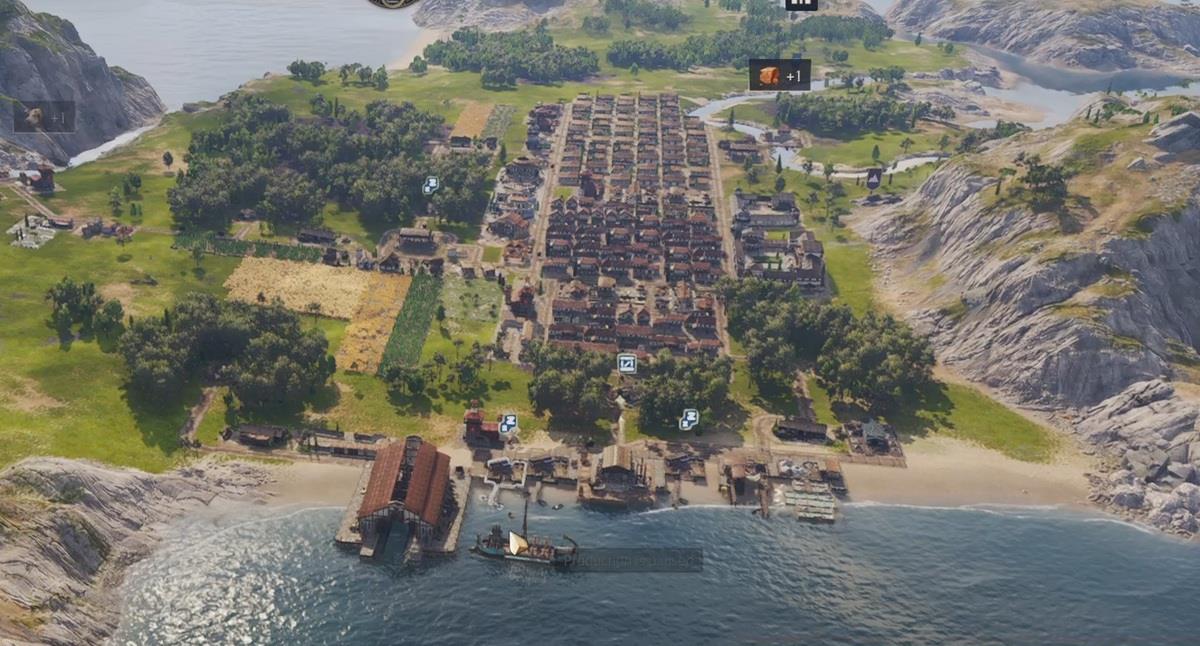
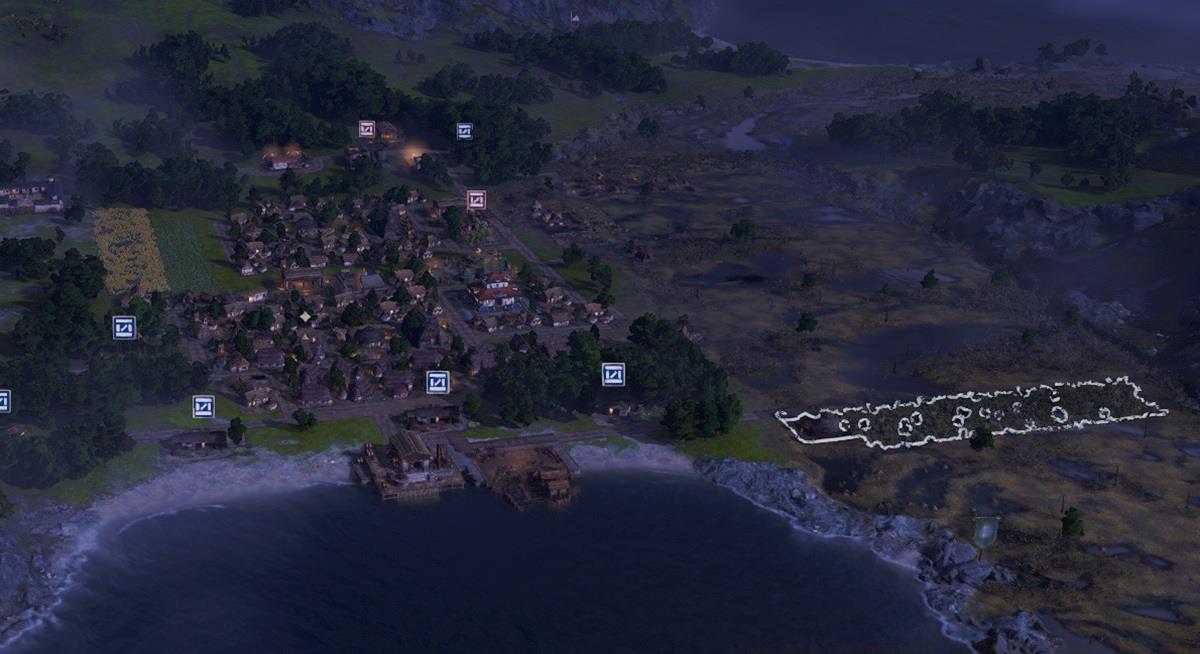
While the fundamental gameplay cycle remains consistent across both regions, Albion presents notably steeper management challenges. A unique feature allows players in Albion to choose between Celtic or Roman cultural development paths—an option unavailable in Latium. Additionally, certain structures in Albion can only be constructed in swamp areas, imposing specific placement constraints absent from the more flexible Latium environment.
Pro Tip: New players should consider starting in Latium to master the core systems before tackling Albion’s additional complexities.
Traditional ANNO titles have never emphasized real-time strategy elements. While ANNO 1800 incorporated naval combat mechanics, it fell short of delivering a comprehensive RTS experience. PAX Romana represents a substantial departure by not only revitalizing naval warfare but introducing fully-realized land troop systems.
Players can establish Military Barracks to train archers and swordsmen, then command these units in real-time engagements for defensive operations or offensive campaigns against rival territories. The military component receives thorough development attention, featuring a dedicated research tree for new unit types and combat enhancements. Weapon smith facilities enable access to more powerful military forces, mirroring progression systems found in dedicated RTS games. Each troop formation operates independently, allowing sophisticated tactical maneuvers against opposing forces.
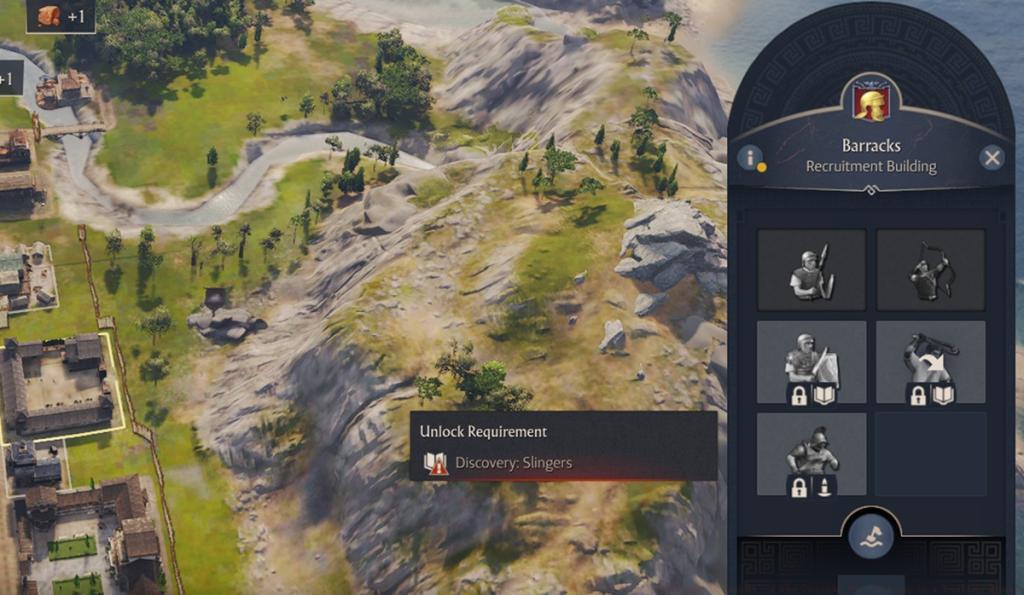
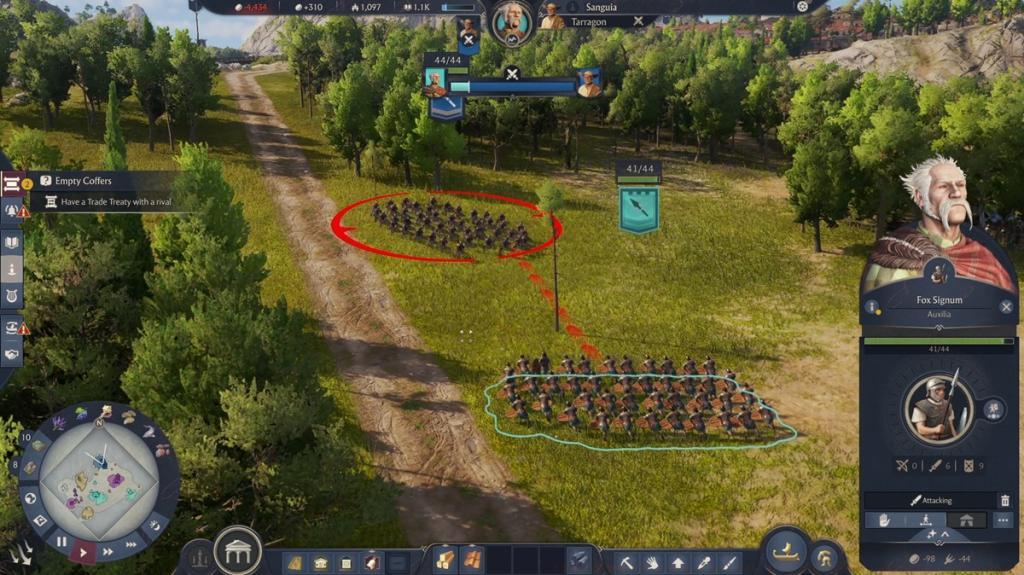
However, PAX Romana introduces a significant strategic consideration: unlike conventional RTS games that generate units automatically, this title requires actual citizen population to staff military positions.
I learned this lesson the hard way when aggressive troop recruitment unexpectedly depleted my workforce, crippling economic production.
Military engagements demand more comprehensive strategies than previous installments. Unlike ANNO 1800 where destroying trade posts often secured victory, PAX Romana demands more devastating and thorough assaults to achieve conquest. Fortunately, players uncomfortable with combat mechanics can adjust difficulty settings to minimize or eliminate military conflicts entirely.
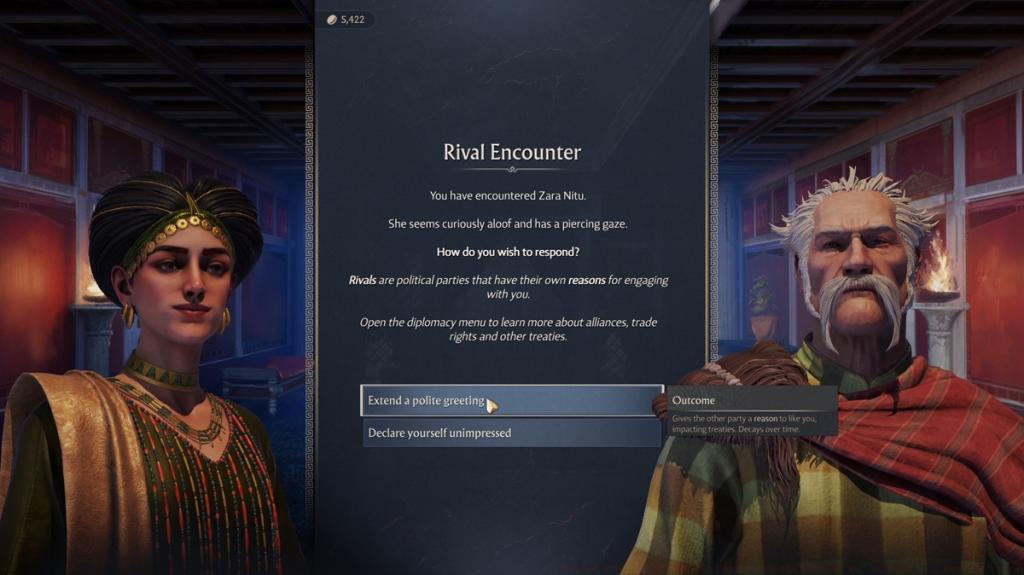
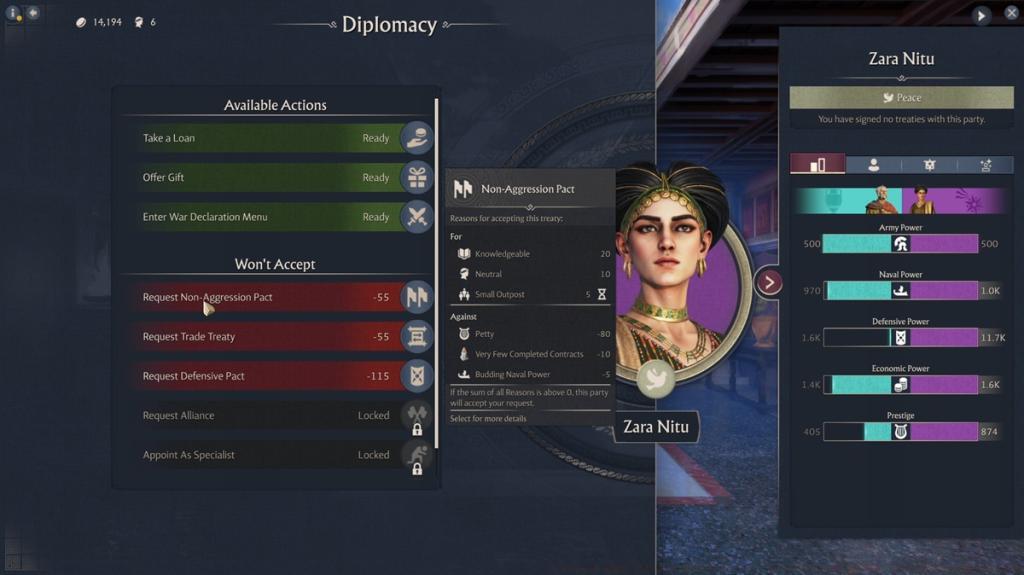
PAX Romana introduces another major innovation: sophisticated diplomatic systems for managing relationships with neighboring governors. Moving beyond simple gift exchanges, task completion, and trade route establishment, the game implements nuanced interaction mechanics with each rival leader.
Every diplomatic encounter presents multiple dialogue options, with your selections directly influencing their subsequent behavior toward your faction. Additionally, every character—whether non-player characters or governing rivals—features full voice acting, significantly enhancing world immersion and making character interactions genuinely engaging.
Through these enhanced interaction systems, players can formally declare war against other governors or negotiate peace agreements. Every action impacts your diplomatic standing, necessitating careful consideration of each decision’s potential consequences.
Despite thoroughly enjoying my time with ANNO 117 PAX Romana, several issues prevent me from declaring it flawless. Most notably, the first-person perspective option—a standout feature in ANNO 1800 that allowed players to explore their cities and complete missions—appears absent from PAX Romana. Having recently appreciated similar functionality in Manor Lords, I anticipated an enhanced Ubisoft implementation in this release. Whether this omission represents a temporary absence or permanent exclusion remains unclear.
Secondly, I was unable to locate city blueprint creation tools comparable to those in 1800. If this feature exists within the game, its implementation is exceptionally obscure. Otherwise, its absence would represent a significant disappointment for longtime series enthusiasts.
Finally, the campaign narrative failed to captivate. While ANNO titles traditionally prioritize sandbox gameplay over narrative excellence, none of the previous campaign experiences felt as fundamentally awkward as PAX Romana’s narrative delivery.
The campaign introduces players to character selection between Marcus and Marcia, each offering distinct storylines and progression paths. However, immediately upon beginning the story, players encounter a troubling pattern where virtually every male character appears obnoxious, belligerent, or war-mongering. Conversely, female characters consistently demonstrate nobility, intelligence, and patience.

I recognize the developers’ intention to highlight historical gender inequality during the Roman era. However, categorizing all male characters into a uniform “negative behavior” archetype ultimately undermines this objective through oversimplification.
Marcus represents the sole exception among male characters, though for problematic reasons. Unlike other male figures, his characterization emphasizes weak-mindedness and rapid panic responses. This portrayal presumably intended to contrast with his tyrannical father, but instead renders the character profoundly uninteresting and irritating. By comparison, Marcia delivers a significantly more satisfying gameplay experience through her confidence and competence in most interactions.
Since my preview access limited campaign progression to specific checkpoints, the narrative potentially improves beyond these initial sections—at minimum, I remain hopeful for narrative enhancement.
ANNO 117 PAX Romana successfully enhances numerous aspects compared to earlier series entries while faithfully preserving the fundamental gameplay loop. Veteran ANNO enthusiasts can confidently purchase this title upon release and discover it provides both comfortable familiarity and meaningful innovation.
I invested substantial hours in endless mode, meticulously crafting two distinct cities—one in Latium and another in Albion—progressing both settlements to the fourth development tier. The integrated RTS mechanics simultaneously satisfied my city-building creativity and complex resource management requirements.
Overall, my preview experience merely scratched PAX Romana’s surface, despite multiple hours of gameplay. Numerous additional features and mechanics await exploration and documentation in my comprehensive final review. Meanwhile, if you appreciate the ANNO franchise, PAX Romana will likely prove an excellent addition to your collection. For franchise newcomers, this release potentially represents the ideal entry point to experience the series.
What are your perspectives on ANNO 117 PAX Romana? Share your thoughts in the comments section below.
Action Checklist
- Begin with Latium for easier resource management learning curve
- Prioritize Knowledge Point generation buildings early in city development
- Balance military recruitment with workforce maintenance to avoid production collapse
- Experiment with dialogue choices to understand reputation impact before major decisions
- Utilize the automated research queue system to maintain technological advancement while focusing on city design
No reproduction without permission:Tsp Game Club » I Played ANNO 117: PAX Romana and It’s the Closest We’ve Been to a Perfect Empire ANNO 117 PAX Romana delivers refined city-building with new RTS combat and diplomacy systems for Roman-era empire management