
TL;DR
- Arc Raiders refines extraction mechanics by prioritizing player agency over punishment
- Advanced audio design and intelligent AI create organic tension without forced combat
- Solo players thrive through strategic use of utility items and environmental awareness
- Progression systems enhance consistency without creating power imbalances
- The $40 price point delivers complete experiences without predatory monetization
By early 2025, extraction shooters appeared to be hitting a creative wall, with many titles prioritizing stress mechanics over genuine engagement. Players faced punishing systems, complex learning curves, and repetitive gear-loss cycles that often led to frustration rather than fun. Then Arc Raiders launched that fall, demonstrating how the genre could evolve beyond its self-imposed limitations.
Having struggled with extraction shooters like Escape from Tarkov and Hunt: Showdown, I approached Arc Raiders with significant skepticism. The typical loop—master convoluted mechanics, accumulate equipment, then lose everything to unseen opponents—felt deliberately antagonistic. Yet this game revealed a fundamental understanding of what makes the genre compelling while avoiding common design pitfalls.
Arc Raiders doesn’t attempt to completely overhaul extraction shooters but instead polishes the formula to near-perfection. It maintains the tension that defines the genre while eliminating unnecessary frustration, creating an experience that respects players’ time and intelligence.
The fundamental gameplay cycle remains recognizable: deploy into hostile territory, gather resources, engage when necessary, and successfully evacuate. Where Arc Raiders distinguishes itself is through the remarkable degree of control it grants players throughout each mission. From my initial deployments, it became evident this wasn’t a title demanding rigid playstyles but rather one offering meaningful choices about risk tolerance and objectives.
Environmental readability immediately stands out as a core strength. The sophisticated audio engineering carries significant weight in this regard—firearm reports propagate across considerable distances, while ARC units announce themselves through both movement patterns and distinctive acoustic signatures. You’re continuously analyzing situational data even during peaceful moments, creating natural pressure without mandating direct confrontation.
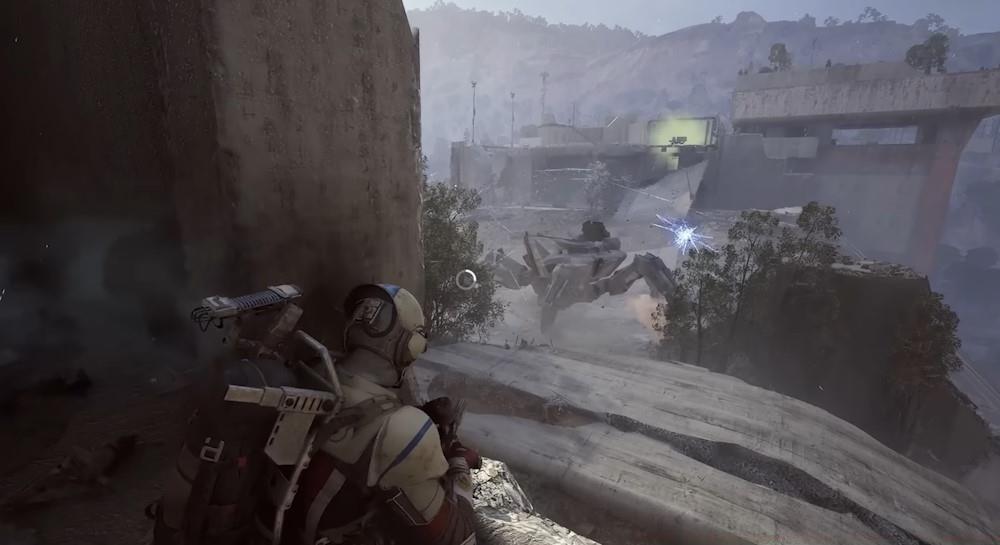
Consider the ingenious flare mechanism as a prime illustration. Eliminate an opponent, and a signal projectile ascends skyward, visible to every team on the tactical display—including hostile forces. You’ve essentially broadcasted vulnerability and opportunity across the entire operational zone. This transforms each player-versus-player victory into a strategic calculation while managing ARC adversary threats. Firearm engagements feel impactful yet hazardous simultaneously—combat resolves immediate problems while potentially generating new complications. Achieving this equilibrium proves challenging, yet Arc Raiders executes it flawlessly.
This same framework benefits player-versus-environment specialists. When farming automated units and observing a flare activation, you gain precise intelligence about areas to avoid. Such transparency remains uncommon within this game category. Arc Raiders subtly instructs survival techniques without explicit tutorialization.
Now, examining the remarkably designed ARC adversaries that warrant particular recognition. These mechanical opponents function as substantive AI participants rather than filler content. Each unit classification introduces distinctive characteristics: compact models harass, aerial variants challenge positioning, while larger constructs command tactical respect. Even routine engagements can escalate rapidly if approached carelessly.
The most impressive aspect involves how these automated foes operate as mobile alert systems within Arc Raiders. You typically detect combat acoustically before visual confirmation occurs. Observing ARC units pursuing unseen targets provides valuable intelligence whether you plan to engage or evade. Player-versus-environment and player-versus-player elements continuously interact organically.
Extensive testing confirms Arc Raiders doesn’t penalize individual operators, though it certainly doesn’t provide excessive hand-holding either. Dedicated solo matchmaking assists, but tactical equipment proves more beneficial. Obscuration grenades, stealth enhancement tools, vertical mobility devices—these resources enable cunning players to navigate hazards intelligently rather than relying on brute force solutions.
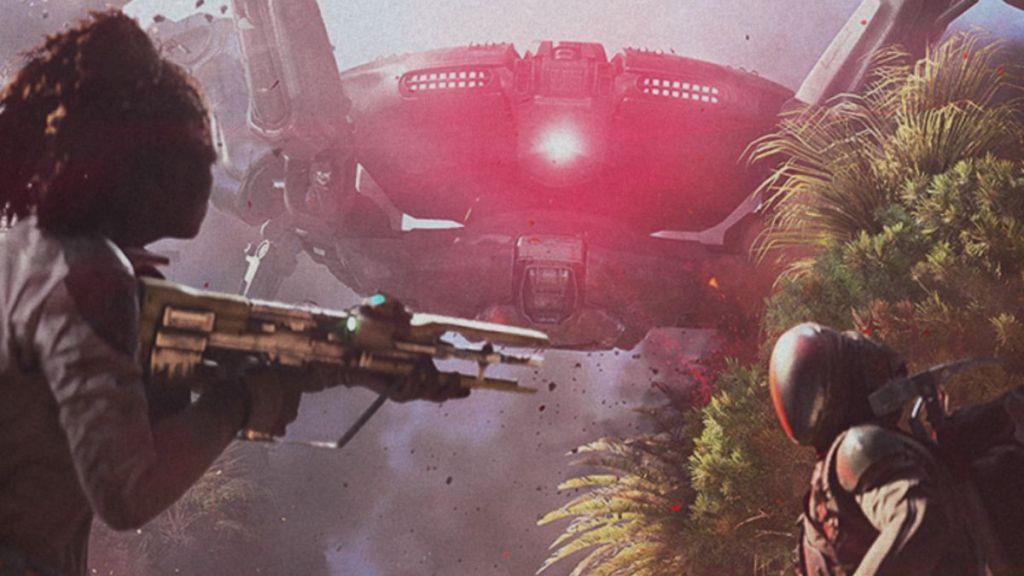
Major boss engagements elevate the experience further. The Queen or Matriarch presents as substantial endgame content that typically requires server-wide coordination. These confrontations become communal events regardless of individual intention. Engaging the boss draws attention, while achieving victory attracts even greater interest. These instances feel like emergent endgame activities rather than predetermined raid scenarios.
Nocturnal operations for solo participants generate genuinely disquieting atmospheres. All environmental factors—from auditory cues to visibility conditions—transform upon map entry. Movement seems acoustically amplified beyond expectation, occasionally delivering horror-game tension where survival depends on patience rather than marksmanship. This sensation has become rare in contemporary multiplayer shooters, offering psychological tension reminiscent of survival horror titles without additional expenditure. However, the primary attraction maintaining player engagement within the Rust Belt remains the progression framework.
Evacuation procedures themselves provide multiple alternatives in Arc Raiders. You’re not constrained to a single congested extraction point during every mission. Access keys unlock less populated exits, while even minor hatches permit solo operators to discreetly depart while squads remain occupied elsewhere. Once again, the game incentivizes situational awareness over pure aggression.
Weapon systems follow a logical rarity hierarchy with numerous acquisition pathways. Initial equipment feels constrained yet functional. Interestingly, certain early-tier armaments perform exceptionally well within the weapons tier hierarchy. However, advanced weaponry primarily reduces operational friction rather than disrupting game balance. Supplementary components and fabrication stations contribute meaningfully without determining overall outcomes. You’re consistently advancing toward concrete objectives rather than pursuing improbable statistical chances.
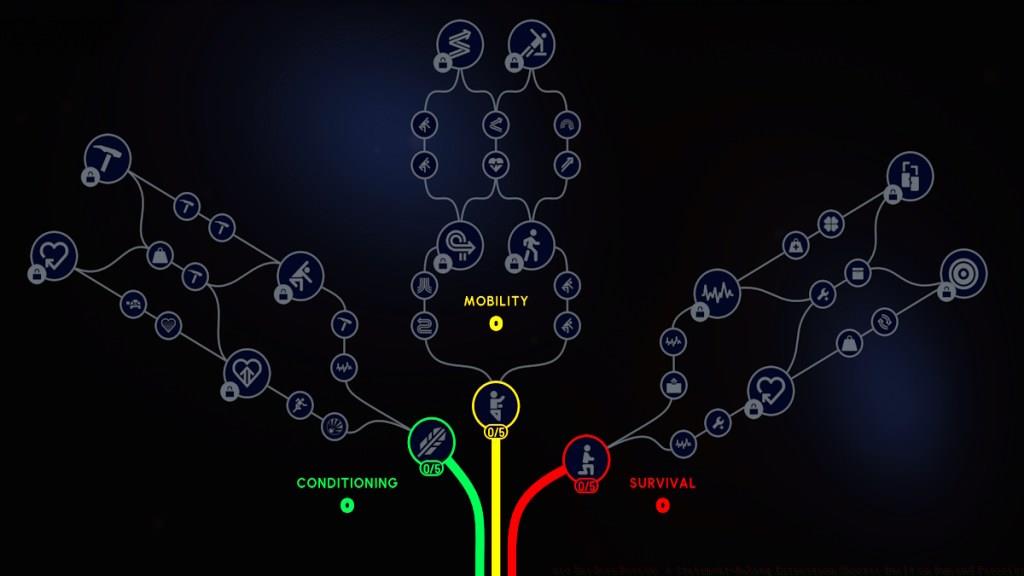
The Arc Raiders ability progression system demonstrates welcome restraint. You can evaluate available options and select accordingly. Incremental enhancements to endurance, mobility, and durability. This development makes your operative feel progressively more capable without rendering other participants obsolete. Advancement in Arc Raiders enhances reliability rather than establishing dominance. But what purpose does progression serve if the operational environment lacks sufficient engagement?
Each Arc Raiders operational zone possesses distinctive characteristics beyond mere visual aesthetics. Locations like Spaceport and Buried City promote conflict, while other maps reward deliberate movement and strategic routing. The emphasis remains on tactical planning rather than relentless aggression.
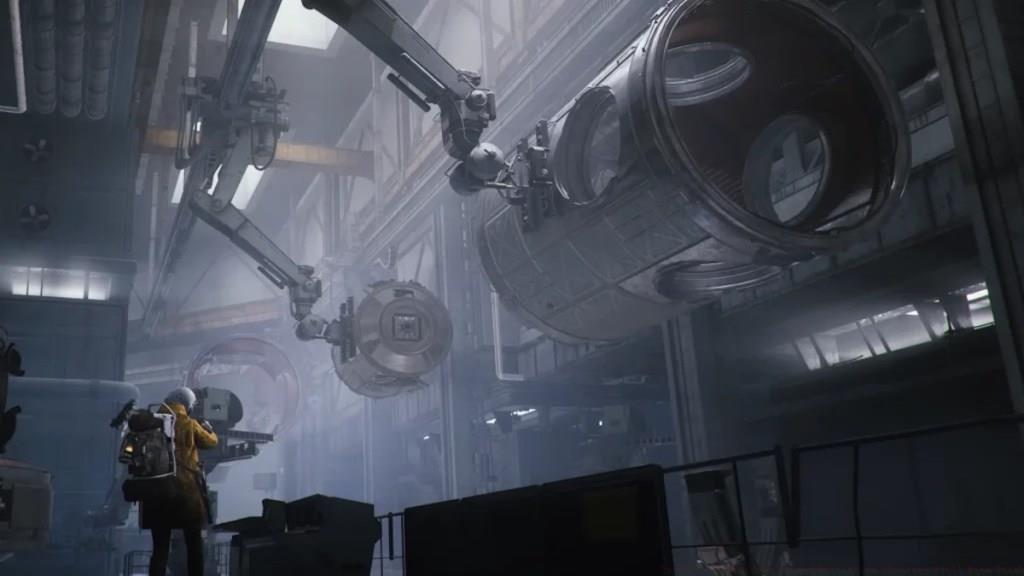
Yet I never experienced disorientation in negative fashion. Instead, I felt deliberate uncertainty. Mission objectives provide guidance rather than explicit solutions, ensuring each deployment maintains unpredictability. You develop familiarity with environments through active navigation rather than passive icon observation. This design philosophy cultivates confidence gradually while making each successful evacuation feel genuinely earned.
Advanced Audio Intelligence: Your Secret Survival Weapon
This potentially represents the finest acoustic implementation in a multiplayer shooter this year, and I remain perplexed that Arc Raiders’ sound design didn’t receive Game Awards recognition. Precipitation sounds distinct indoors, metallic surfaces reflect sound variably by distance, and crucially, footstep audio reverberates sufficiently to induce tactical hesitation. Sometimes the most alarming sound originates from your own movement returning to challenge your decisions.
Arc Raiders stands among the limited extraction shooters where verbal communication can genuinely preserve your operational status. Localized voice chat, expressive gestures, and collective goals generate authentically human interactions. I’ve received assistance from unfamiliar players, and I’ve provided help to strangers as well. Naturally, I’ve also experienced betrayal shortly after establishing peaceful arrangements.
Both scenarios feel legitimate because the game facilitates them organically. Nothing feels artificially imposed. Compassion represents a deliberate choice. Violence constitutes another valid option. Collaboratively solving musical puzzles with the entire server population, then forming our own raider collective, delivered ultimate satisfaction.
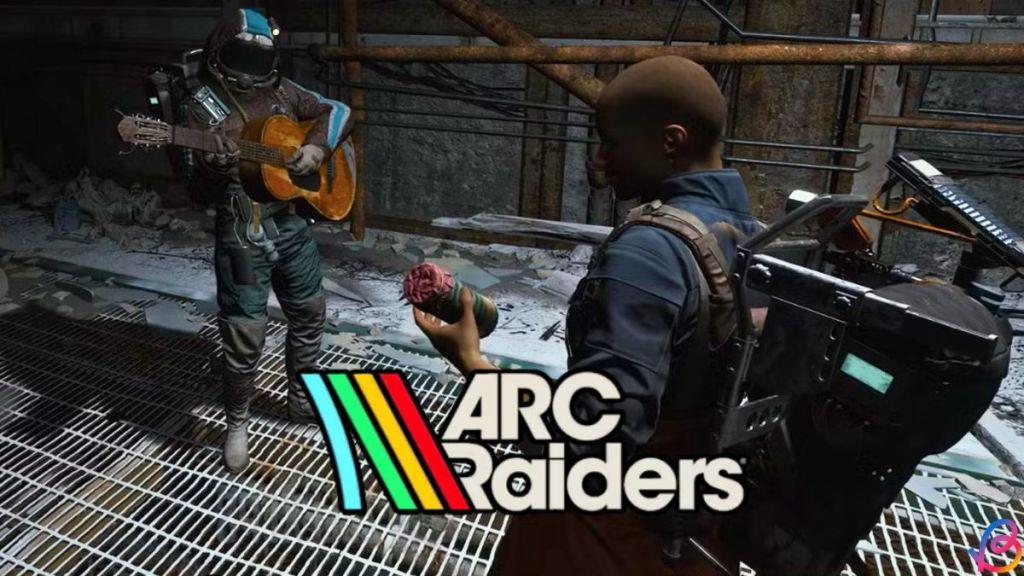
This equilibrium persists because the genuine adversary isn’t invariably other participants. The ARC automatons shift collective psychology. The dynamic becomes “us versus them,” at least temporarily. This shared pressure makes cooperation feel instinctive rather than foolish.
During initial announcement phases, significant criticism targeted the pricing structure. While most contemporary shooters struggle despite free-to-play models, Embark Studios implemented a forty-dollar price point. However, the game doesn’t conceal its value behind aggressive monetization schemes. Aesthetic enhancements exist, but the fundamental experience remains comprehensive without them. This consideration proves crucial within a genre founded upon long-term player investment.
Upon completing my Arc Raiders experience, I recognized why it succeeds. The design honors tension without idolizing punishment. Development teams have transparently communicated extensive plans for Arc Raiders, and we’ve already received two substantial updates, each introducing abundant content for player exploration.
Arc Raiders enables diverse play methodologies to coexist without homogenizing the experience. Player-versus-player specialists, player-versus-environment farmers, individual explorers, and tactical squads all find their place here. Extraction shooters haven’t expired in 2025—they simply required disciplined design, and Arc Raiders demonstrates this convincingly.
The game illustrates how to construct tension without brutality, advancement without fatigue, and multiplayer complexity without sacrificing atmospheric integrity. Arc Raiders isn’t flawless, but it demonstrates confidence regarding its intended identity.
That self-assurance maintains my continued participation in additional deployments, even when tactical wisdom suggests otherwise.
Action Checklist
- Master audio cue interpretation—learn to distinguish between distant gunfire, ARC movement patterns, and environmental acoustics to gain tactical advantages
- Practice strategic flare deployment timing—use them to divert attention or coordinate team movements
- Experiment with different extraction routes using keys and hidden hatches to avoid congested areas
- Develop solo night raid survival techniques focusing on patience, stealth equipment usage, and environmental navigation
- Coordinate server-wide boss fights by analyzing enemy patrol patterns and player movement trends
No reproduction without permission:Tsp Game Club » In 2025, Arc Raiders Showed Extraction Shooters Still Have Teeth Master Arc Raiders' refined extraction mechanics with expert strategies for solo and squad success