
Complete guide to Wraith Ops playtest with expert strategies, class breakdowns, and weapon optimization tips
Game Overview and Core Mechanics
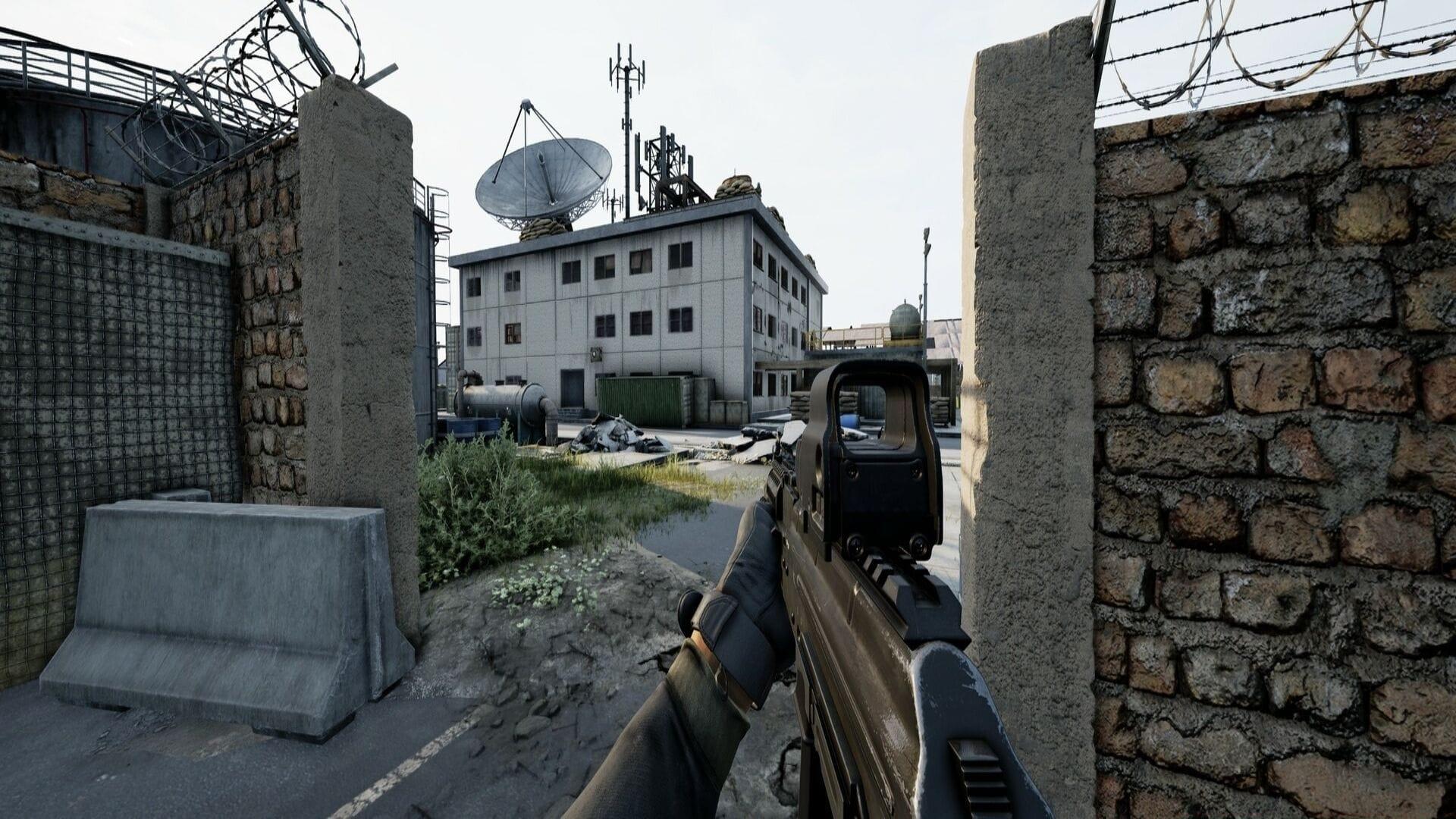
Wraith Ops delivers a high-intensity tactical first-person PvP shooter experience that prioritizes refined gunplay mechanics above all else. The development team at Grassrootz Studio has engineered this debut title to provide responsive, rapid-fire gameplay within authentic military environments. As an indie studio making their first major release, they’ve partnered with established publisher Team17, known for delivering quality titles like Hell Let Loose and Trepang2 to the market.
The combat system emphasizes crisp weapon handling with authentic ballistics and damage modeling. Notably, Wraith Ops completely avoids predatory monetization practices, featuring no loot boxes or pay-to-win cosmetic items that could compromise competitive integrity. This player-friendly approach ensures skill remains the primary determining factor in matches.
Playtest Details and Content Access
The Wraith Ops testing period is scheduled from November 27 through December 1, 2025, providing players with extensive access to the game’s core systems. Participants can explore seven distinct combat environments, experiment with four different game modes, master three specialized classes with their unique equipment, and test 26 meticulously balanced firearms.
This comprehensive playtest offers an exceptional opportunity to experience the full scope of Wraith Ops’ tactical offerings. The available content represents a significant portion of the planned launch experience, allowing for thorough gameplay evaluation and community feedback collection before the official release.
Combat System Deep Dive
The Time To Kill mechanics in Wraith Ops favor rapid engagement resolution while maintaining tactical depth. Though eliminations occur quickly, the system generously rewards precision marksmanship, making well-placed headshots particularly effective. This creates a compelling risk-reward dynamic where aggressive play can succeed but requires exceptional aim and positioning.
According to the official Steam description, the game focuses on delivering authentic military FPS combat that appeals to players seeking straightforward shooting mechanics rather than complex ability systems. This design philosophy positions Wraith Ops as an attractive alternative for gamers who prefer traditional tactical shooters over hero-based or ability-heavy competitors in the genre.
Advanced Gameplay Strategies
Mastering Wraith Ops requires understanding class synergies and weapon characteristics. The three available classes each serve distinct tactical roles – assault specialists excel at medium-range engagements, support units provide team utility, while reconnaissance operators dominate long-distance combat. Learning when to switch between classes based on map conditions and team composition dramatically improves match performance.
Weapon handling varies significantly across the 26 available firearms. Light machine guns offer sustained suppression fire but reduce mobility, while submachine guns provide close-quarters dominance with limited range effectiveness. Sniper rifles deliver one-shot elimination potential but require excellent positioning and patience. Understanding each weapon’s optimal engagement distance and recoil patterns is crucial for consistent success.
Map control begins with learning spawn points, choke locations, and elevation advantages across all seven environments. Successful teams establish map dominance by controlling key sightlines and rotation routes while denying opponents strategic positioning opportunities.
Common Mistakes and How to Avoid Them
Many new players underestimate the importance of ammunition management in Wraith Ops’ realistic combat. Unlike arcade shooters where ammo is plentiful, tactical reloads and conservation become critical skills. Always monitor your remaining rounds and prioritize secure reload positions rather than exposing yourself mid-firefight.
Positioning errors represent the most common cause of premature eliminations. Avoid predictable movement patterns and never remain stationary in open areas for extended periods. Use environmental cover effectively by peeking from different angles and maintaining awareness of potential flanking routes.
Team coordination failures often stem from inadequate communication. Designate roles before matches begin, call out enemy positions consistently, and coordinate ability usage for maximum tactical impact. Solo playstyles typically underperform in Wraith Ops’ team-oriented gameplay environment.
No reproduction without permission:Tsp Game Club » Indie devs’ new snappy FPS title Wraith Ops playtest is live now Complete guide to Wraith Ops playtest with expert strategies, class breakdowns, and weapon optimization tips