
TL;DR
- Pokemon Legends ZA is not a direct sequel to Legends Arceus despite naming similarities
- Both games share semi-open world mechanics and unconventional starter Pokemon selections
- The titles exist in completely different timelines and geographical settings
- Legends ZA likely connects more closely to Pokemon X and Y than to Arceus
- Understanding these relationships helps predict gameplay expectations and story direction
Across gaming communities and social platforms, passionate discussions continue about whether Pokemon Legends ZA serves as a direct continuation of Pokemon Legends Arceus. While both titles originate from Game Freak’s development studios, their fundamental connections prove far more nuanced than simple sequel relationships.
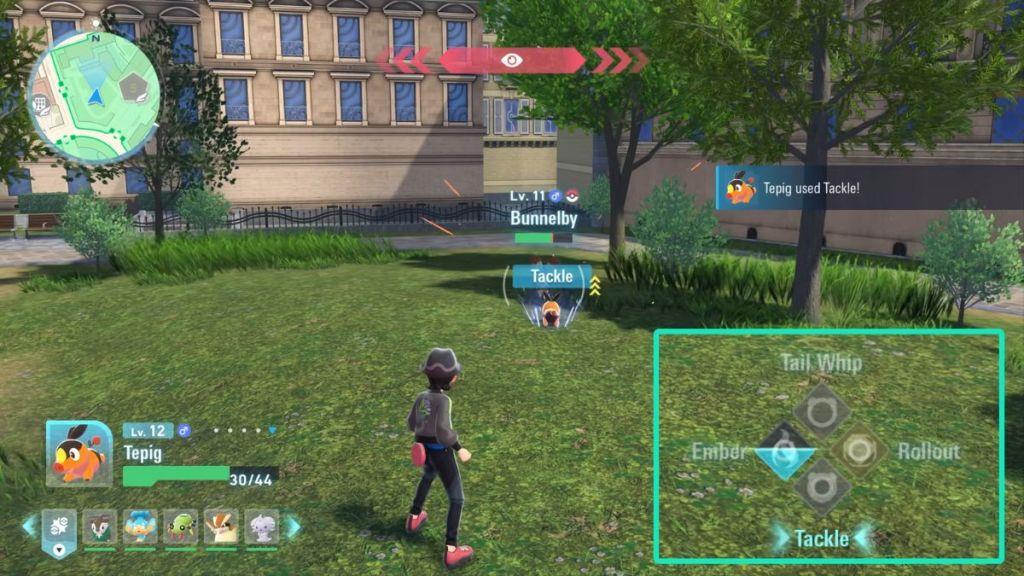
Contrary to what their naming conventions might suggest, Pokemon Legends ZA does not function as a direct sequel to Pokemon Legends Arceus. The confusion arises naturally given the shared “Legends” branding, but these adventures unfold within entirely separate narrative universes.
Legends ZA transports players to Lumiose City during a period following the Team Flare and Zygarde storyline resolutions. Meanwhile, Legends Arceus operates as a historical prequel occurring approximately a century before main series events, documenting the Sinnoh region’s foundational era.
Timeline Analysis Tip: When evaluating Pokemon game connections, always examine the chronological placement first. Games sharing similar naming structures don’t necessarily maintain direct storyline continuations.
Despite their narrative separation, both Legends titles demonstrate significant mechanical parallels that define the “Legends” subseries identity. These shared elements establish gameplay expectations while allowing each installment to explore distinct historical periods.
The semi-open world exploration mechanics represent a cornerstone similarity. Both adventures grant substantial freedom to investigate diverse environments, capture various Pokemon species, and engage trainer battles, though these activities remain confined to specific zones rather than offering complete regional access like Scarlet and Violet’s approach.
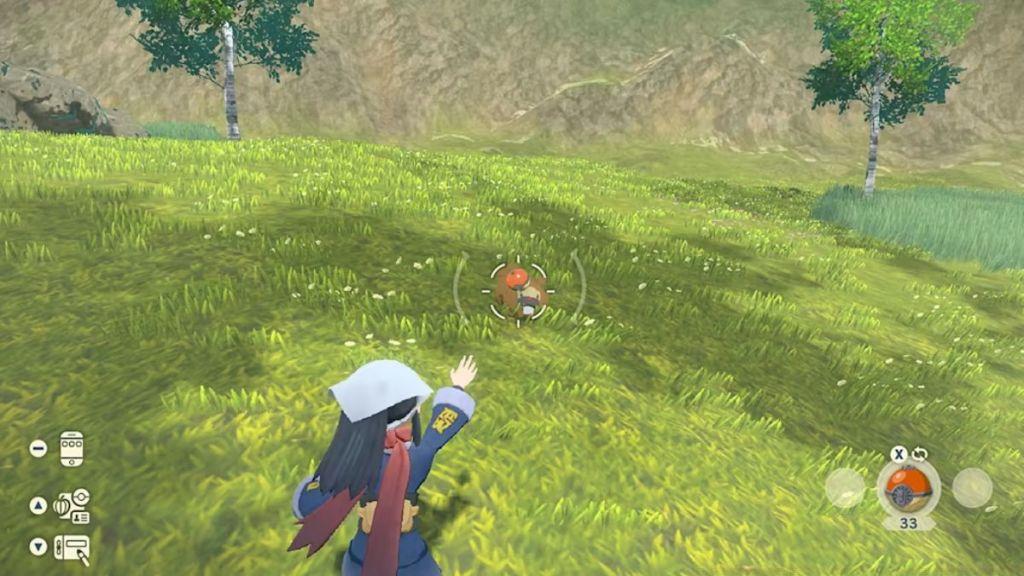
Another defining characteristic involves the unconventional starter Pokemon selections. Legends Arceus presented trainers with Cyndaquil (Johto), Oshawott (Unova), and Rowlet (Alola), establishing a pattern of drawing starters from multiple regions rather than a single generation.
Legends ZA continues this tradition by offering Totodile, Chikorita (both Johto), and Tepig (Unova), maintaining the cross-regional starter philosophy that distinguishes the Legends series from mainline entries.
Strategy Insight: When preparing for Legends ZA, study the battle mechanics and capture systems from Arceus rather than expecting direct story connections. The gameplay loop likely shares more DNA than the narrative elements.
The distinctions between these two Legends experiences prove equally important for setting accurate player expectations. Understanding what separates them helps avoid disappointment from anticipated connections that don’t materialize.
The geographical and temporal separation forms the most significant divide. Legends Arceus explores ancient Sinnoh (then called Hisui) during a period of early settlement and Pokedex creation, while Legends ZA focuses on urban redevelopment in Lumiose City within the Kalos region.
Chronologically, Legends Arceus occupies a position roughly 100 years before contemporary Pokemon timelines, whereas Legends ZA appears to occur in a more modern setting, possibly concurrent with or shortly after X and Y events.
Common Misconception: Many players assume the “Legends” branding indicates direct sequel relationships. In reality, it signifies a gameplay approach and historical exploration theme rather than narrative continuity.
The structural approach to storytelling also differs substantially. Arceus followed a more traditional regional survey format, while ZA’s metropolitan focus suggests a more centralized narrative structure with deeper urban exploration.
While the connection to Legends Arceus proves limited, evidence suggests stronger ties between Legends ZA and earlier Kalos region adventures. The naming convention itself hints at connections to Pokemon X and Y’s storyline elements.
Though not officially confirmed by Game Freak, substantial speculation indicates Legends ZA might function as a spiritual successor or direct sequel to Pokemon X and Y, continuing narrative threads involving Team Flare, Zygarde, and the broader Kalos mythology.
This positioning within the franchise demonstrates Game Freak’s strategy of using the Legends banner to explore different historical periods and regional backgrounds while maintaining consistent gameplay philosophies.
Optimization Tip: Players seeking to prepare for Legends ZA should revisit Pokemon X and Y rather than focusing exclusively on Arceus. Understanding Kalos region history and characters will likely provide more relevant background than Sinnoh’s ancient past.
The relationship patterns established here suggest future Legends titles will continue exploring diverse regions and time periods rather than creating direct sequential narratives under the Legends branding.
Action Checklist
- Verify timeline placement for accurate expectations
- Study gameplay mechanics from Legends Arceus for system familiarity
- Revisit Pokemon X and Y for relevant storyline context
- Analyze starter Pokemon patterns across Legends titles
No reproduction without permission:Tsp Game Club » Is Pokemon Legends ZA a Sequel to Legends Arceus? Answered Uncovering the truth about Pokemon Legends ZA's relationship to Arceus and other games in the series