
Silent Hill F offers newcomers a fresh Japanese horror experience with accessible gameplay and standalone narrative
Breaking from Tradition: A Fresh Start for New Players
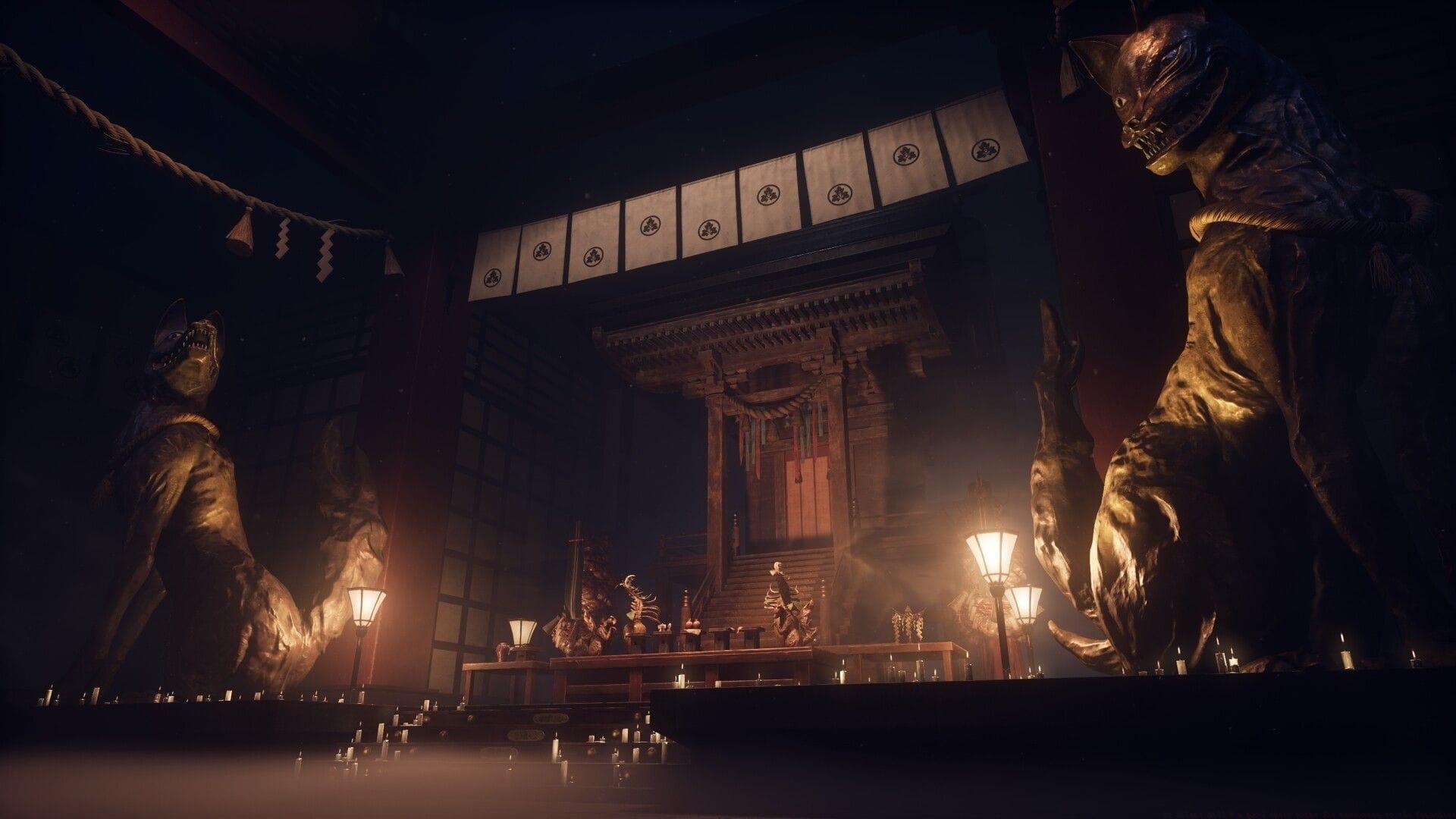
Absolutely, Silent Hill F serves as an excellent starting point for series newcomers thanks to its completely independent storyline. Taking place in 1960s Japan, the game introduces a protagonist with no established backstory, deliberately avoiding dependence on previous series mythology. This design choice means players unfamiliar with the franchise can dive in without feeling disadvantaged by missing context.
This deliberate separation from established lore creates an immediate sense of freshness while eliminating the common newcomer anxiety about missing crucial backstory elements from earlier installments.
The psychological horror foundation remains intact, but its presentation adopts a more immediate approach. Players aren’t burdened with deciphering years of interconnected references or understanding legacy character arcs. Instead, you embody Hinako, a teenage protagonist confronting both supernatural threats and her own psychological fragility.
This central theme of internal conflict establishes immediate emotional stakes, creating an accessible entry point for players experiencing Silent Hill for the first time.
Related reading: Silent Hill F review: A welcome resurrection of Silent Hill’s legacy
Accessible Gameplay Mechanics for Survival Horror Beginners
Combat and exploration systems have been thoughtfully calibrated for those new to the survival horror genre. Unlike some entries that provide extensive weapon arsenals, survival here depends on careful stamina conservation, tactical close-quarters combat, and strategic decision-making about when to engage versus when to retreat. For players unfamiliar with Silent Hill’s traditional mechanics, this streamlined approach feels intuitive rather than overwhelming.
The game environment contributes significantly to this accessibility. Discovered shrines function as peaceful respites between tense sequences, while environmental puzzles integrate seamlessly into exploration rather than relying on obscure franchise knowledge.
Difficulty settings offer significant flexibility, allowing players to select either a more forgiving introduction to survival horror or a demanding challenge for those seeking greater intensity.
For veteran fans, Silent Hill F represents a distinct departure from tradition, but for newcomers, this differentiation creates an inviting gateway. The game doesn’t presuppose knowledge of James Sunderland’s story or the significance of Silent Hill 4’s apartment setting.
Instead, it grounds itself firmly in Japanese horror traditions, weaving together folklore elements, familial obligations, and personal identity themes into both monster design and narrative structure. This cultural grounding makes the game more approachable as a self-contained experience rather than requiring understanding of previous installments.
Japanese Cultural Setting Enhances Newcomer Experience
The 1960s Japan setting provides more than just aesthetic novelty—it creates a level playing field where neither newcomers nor series veterans have prior familiarity with the environment. This temporal and cultural displacement means all players discover the game world simultaneously, eliminating the knowledge gap that sometimes separates new and experienced players in established settings.
The shrine mechanics deserve particular attention for their role in accessibility. These sacred spaces function as natural breathing points within the horror experience, offering psychological respite without breaking immersion. Unlike traditional save rooms that feel like game mechanics, these shrines feel organically integrated into both the cultural setting and gameplay flow.
While the game may not precisely replicate the atmospheric qualities of early series classics, it successfully captures the essential Silent Hill premise: horror as reflection of human psychological struggle. This shared thematic foundation justifies its place within the franchise while simultaneously welcoming newcomers taking their first steps into this terrifying universe.
Further exploration: Silent Hill producer opens up about the game’s shift from a western setting to Japan during Konami Press Start 2025
Advanced Strategies and Common Pitfalls to Avoid
Practical Survival Strategies: Master stamina conservation by alternating between jogging and walking—running constantly depletes your ability to fight or escape when needed. Always survey environments for improvised weapons since traditional firearms are scarce. Remember that avoiding combat is often smarter than engaging, especially when multiple enemies are present.
Common Beginner Mistakes: New players frequently exhaust stamina too early in encounters, leaving them vulnerable during critical moments. Another common error involves overlooking environmental clues—the 1960s Japan setting provides visual storytelling that rewards careful observation. Don’t rush through areas; the game deliberately paces horror elements for maximum impact.
Advanced Optimization Tips: Seasoned horror gamers should experiment with higher difficulty settings that introduce limited saving opportunities and more aggressive enemy behavior. Pay close attention to audio cues—the sound design provides subtle warnings about nearby threats. For puzzle sections, consider that solutions often reflect Japanese cultural logic rather than Western puzzle conventions.
Looking for Crossword hints & solutions? Check out latest NYT Mini Crossword Answers, LA Times Crossword Answers, and Atlantic Crossword Answers
No reproduction without permission:Tsp Game Club » Is Silent Hill F a good entry point for newcomers to the franchise Silent Hill F offers newcomers a fresh Japanese horror experience with accessible gameplay and standalone narrative