
TL;DR
- KCD 2 features the most sophisticated crime and punishment system ever implemented in gaming
- NPC behaviors include realistic reactions to dropped items, stolen goods, and character appearance
- The Semine wedding serves as a dynamic reflection of all player choices and relationships
- Warhorse Studios handles mature historical themes with unprecedented nuance and sensitivity
- Despite Expedition 33’s popularity, KCD 2’s technical achievements deserve GOTY recognition
As the gaming community prepares for the annual Game Awards ceremony, the conversation has largely centered around Expedition 33’s dominant presence in the nominations. However, having extensively analyzed both titles, I maintain that Kingdom Come: Deliverance 2 represents the pinnacle of RPG design this year and deserves your vote for Game of the Year.
The timing of KCD 2’s release has significantly impacted its awards season momentum. Launching nine months before the voting period created a perception gap that doesn’t reflect the game’s actual quality and innovation. Had Warhorse Studios positioned the release closer to awards season, we’d be witnessing a much closer competition between these two exceptional titles.
With the Game Awards voting window still active, I’m making a strategic appeal to highlight why this medieval masterpiece warrants your consideration over the more recent release.
The depth of reactivity in Kingdom Come: Deliverance 2 establishes new standards for immersive simulation. The intricate web of interconnected systems creates a living medieval world where every action generates logical consequences, from NPCs noticing discarded valuables to merchants recognizing stolen merchandise from their own shops.

What separates KCD 2 from other RPGs is the implementation of behaviors that seem obvious in retrospect but are rarely executed. When you abandon possessions in populated areas, nearby characters don’t simply ignore them—they actively assess the situation, wait for an opportune moment, and claim the abandoned items as their own, complete with visible satisfaction at their unexpected fortune.
The theft mechanics demonstrate particular sophistication. Stolen goods maintain their illicit status across the entire merchant network, preventing players from exploiting vendor AI. Attempting to sell stolen items triggers immediate guard intervention, while cross-vendor transactions risk exposure through merchant communication networks.
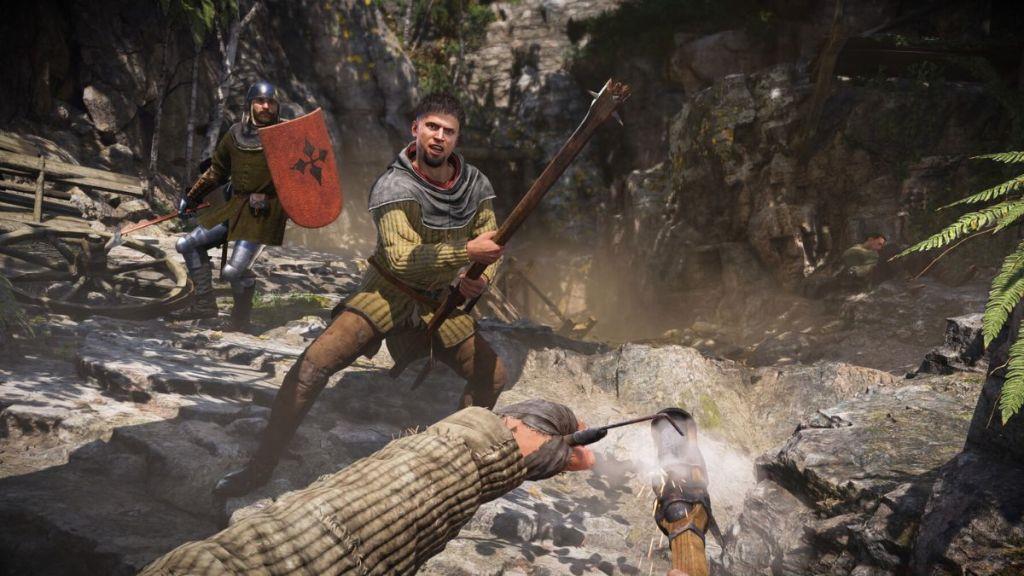
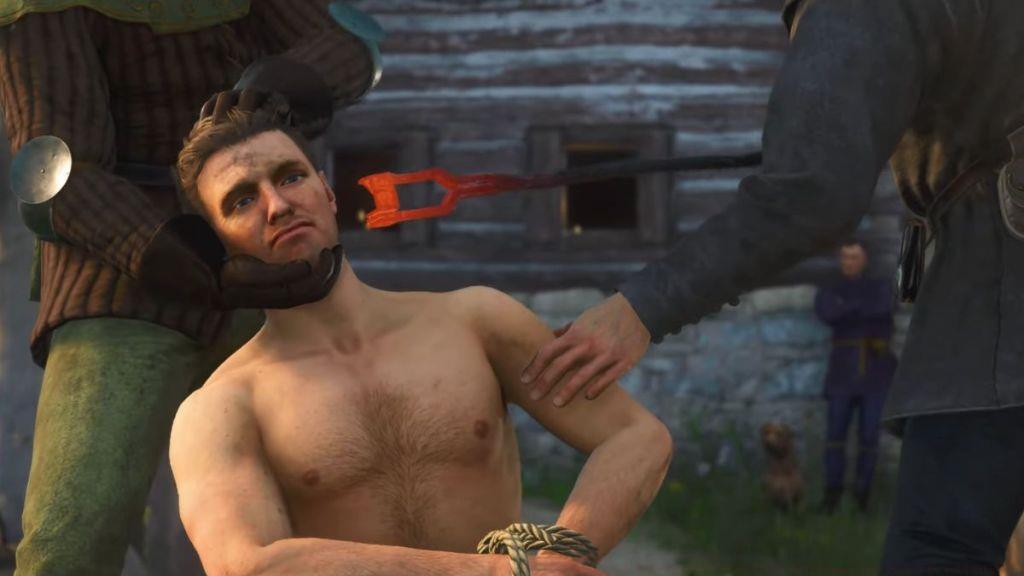
Progressive punishment systems ensure that criminal behavior carries escalating consequences. Initial offenses result in public humiliation via stocks, followed by corporal punishment for repeat violations. Persistent lawbreaking leads to permanent branding that affects social interactions, with capital punishment representing the ultimate sanction for incorrigible offenders.
Advanced players should note that managing your character’s hygiene, appearance, and companion relationships directly influences how NPCs perceive and interact with you—a level of detail typically reserved for survival games rather than narrative RPGs.
Common mistakes include underestimating how far stolen item recognition spreads and failing to account for how character scent can alert sleeping NPCs during stealth sequences.
Without venturing into spoiler territory, the Semine wedding sequence stands as KCD 2’s crowning narrative achievement. This event dynamically reflects every meaningful relationship you’ve cultivated and decision you’ve made throughout your journey, creating personalized closure that few games achieve.

The dialogue system demonstrates remarkable consistency across its 100+ hour runtime. Every conversation—whether negotiating prices, extracting information, or building camaraderie—serves multiple narrative purposes while maintaining historical authenticity.
Skill checks during conversations showcase exceptional writing craftsmanship. Successful persuasion attempts reveal Henry’s quick wit and social intelligence, while failed checks produce increasingly absurd excuses that remain entertaining despite the negative outcome.
Warhorse Studios deserves recognition for tackling complex historical themes with appropriate context and sensitivity. The game explores challenging subjects like religious persecution and mental health within their medieval context, avoiding sensationalism while providing educational value.
For players seeking to maximize their narrative impact, dedicating 15-20 hours to side character development significantly enhances the wedding sequence’s emotional payoff and subsequent story ramifications.
The development team’s commitment to historical accuracy extends beyond surface-level aesthetics, incorporating period-appropriate social dynamics, economic systems, and cultural attitudes that inform character motivations and world interactions.
Action Checklist
- Analyze both KCD 2 and Expedition 33’s core gameplay systems before voting
- Experience KCD 2’s crime system by testing vendor reactions to stolen goods
- Focus on character relationship development to enhance the Semine wedding narrative payoff
- Test NPC reactivity by dropping valuable items in towns and observing behaviors
- Compare dialogue systems between both titles to assess writing quality differences
No reproduction without permission:Tsp Game Club » Kingdom Come: Deliverance 2 Plays like a GOTY Winner That Cannot Be Told Otherwise Why Kingdom Come: Deliverance 2's revolutionary reactivity and immersive writing make it the true Game of the Year contender