
TL;DR
- Vanguard heroes serve as frontline tanks with unique defensive and offensive capabilities
- Thor excels at high burst damage but requires careful health management and ability timing
- Hulk’s transformation mechanics provide versatility but create vulnerability windows
- Peni Parker dominates choke points through strategic mine placement and web traps
- Advanced techniques include ability combos, positioning strategies, and team coordination
In Marvel Rivals, the Vanguard role represents the essential frontline warriors who absorb enemy aggression and create space for their teammates. These heroes possess the durability and tools necessary to withstand concentrated fire while enabling their damage-dealing allies to operate effectively. While all Vanguards share the core responsibility of damage mitigation, they achieve this through diverse approaches ranging from pure health pools to strategic utility deployment.
Strategic positioning separates exceptional Vanguard players from average ones. Mastering when to push forward, when to hold position, and when to retreat is crucial for success. Each Vanguard hero offers distinct advantages that can be leveraged based on map geometry, team composition, and enemy lineup.
Common mistakes include overextending without team support, mismanaging cooldowns during critical engagements, and failing to adapt to changing battlefield conditions. Advanced players optimize their performance by studying ability interactions and developing precise timing for ultimate abilities.

Thor stands as the premier damage-oriented Vanguard, capable of unleashing devastating attacks from both close and medium ranges. His base health pool of 600 HP positions him as a more fragile frontline option compared to other tanks, though his Awakened state boosts this to 800 HP, providing crucial survivability during intense engagements.
Storm Surge serves as Thor’s primary mobility tool, allowing rapid repositioning to secure advantageous angles or escape dangerous situations. The God of Thunder ultimate ability delivers massive area-of-effect damage that can decisively swing team fights when properly timed. Managing Thunderforce, his passive ability, is essential for maximizing damage output while minimizing vulnerability windows.
Advanced Thor players master the timing between his Awakened states, ensuring they enter crucial fights with maximum health and damage potential. A common error involves activating God of Thunder too early, allowing enemies to disperse and mitigate its impact. Optimal play involves combining Storm Surge with God of Thunder to catch multiple opponents in the devastating area effect.
- Pros: Exceptional burst damage, Superior mobility for a tank character, Strong area control with ultimate
- Cons: Limited defensive utility, Health pool requires careful management, Dependent on ability cooldowns

Hulk embodies the classic brawler archetype, combining raw power with surprising tactical versatility. His transformation mechanic, reminiscent of D.Va from Overwatch, allows him to alternate between the formidable Hulk form and the vulnerable Bruce Banner state, creating dynamic gameplay that rewards strategic decision-making.
The area-of-effect shield provides crucial protection for both Hulk and nearby allies, making him particularly effective in coordinated team pushes. Hulk Smash, his ultimate ability, delivers catastrophic damage while granting temporary invincibility, enabling aggressive plays that would be suicidal for other heroes.
Optimal Hulk play involves carefully managing transformation timing to avoid being caught in Bruce Banner form during critical engagements. His knockback capabilities and ranged attack offer tools for controlling enemy positioning and applying pressure from unexpected angles. Team-up combinations, while available with multiple heroes, require specific conditions to reach their full potential.
Advanced techniques include using the temporary invincibility from Hulk Smash to absorb enemy ultimates, and coordinating shield deployment with team pushes. A frequent mistake involves overcommitting in Hulk form without planning for the vulnerable Bruce Banner cooldown period.
- Pros: Area protection capabilities, Health transformation benefits, Strong crowd control options
- Cons: Extreme vulnerability in human form, Susceptible to disabling effects, Requires team coordination for maximum effectiveness

Peni Parker excels as Marvel Rivals’ premier area denial specialist, dominating strategic locations through intelligent trap deployment and spatial control. Her toolkit revolves around Arachno-Mines, which serve as both offensive weapons and defensive deterrents when strategically positioned.
Spider Webs create the foundation for her strategic plays, enabling mine placement in locations that are difficult for opponents to detect and counter. This makes her exceptionally powerful for controlling choke points and objective areas where enemy movement is predictable.
Advanced Peni Parker strategies involve layering multiple mine types within web networks to create complex trap systems that punish aggressive enemy advances. Proper mine placement requires understanding common enemy pathing patterns and anticipating flanking routes before they become threats.
Common errors include placing mines in overly obvious locations that experienced players can easily avoid or destroy. Optimization involves varying mine placement patterns to keep opponents guessing and maintaining constant map control through strategic web networks.

Captain America serves as the quintessential tactical Vanguard, balancing defensive capabilities with team support functions. His iconic shield provides both offensive and defensive utility, capable of blocking significant damage while creating opportunities for counterattacks.
Strategic shield placement can block crucial enemy sightlines and create safe zones for teammates. His leadership abilities enhance nearby allies’ performance, making coordinated pushes significantly more effective.
Advanced techniques include ricochet throws that hit multiple enemies and shield positioning that maximizes protection while maintaining offensive pressure.

Groot functions as Marvel Rivals’ defensive anchor, specializing in creating fortified positions that are extremely difficult for enemies to breach. His root-based abilities allow him to establish control zones that persist through multiple engagements.
Healing mechanics provide sustainability during extended fights, while his ultimate ability can completely reshape battlefield geometry when deployed strategically.
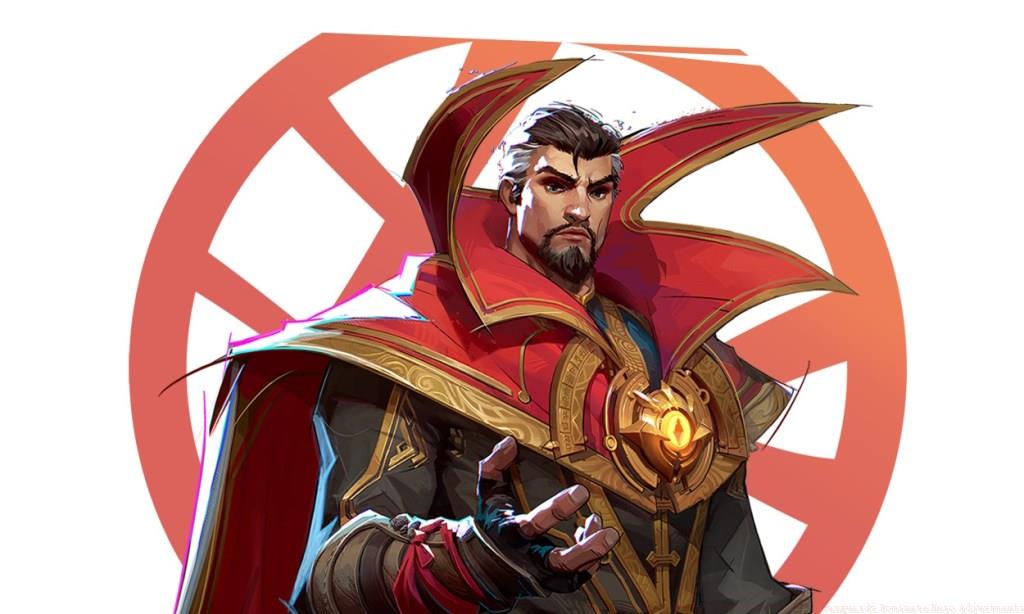
Doctor Strange brings unparalleled mystical control to the Vanguard role, manipulating battlefield dynamics through strategic spell deployment and dimensional manipulation.
Portal creation enables rapid team repositioning and unexpected flanking opportunities. His spell management requires careful cooldown tracking and situational awareness to maximize effectiveness across different engagement types.
Action Checklist
- Practice ability combos in training mode for 15-20 minutes daily
- Study map choke points and optimal positioning for each Vanguard hero
- Master transformation timing for Hulk and Awakened state management for Thor
- Develop team coordination strategies for shield deployment and ultimate combinations
- Analyze gameplay replays to identify positioning errors and cooldown mismanagement
No reproduction without permission:Tsp Game Club » Marvel Rivals: 8 Best Vanguard Heroes Master Marvel Rivals' Vanguard heroes with strategic insights, optimization tips, and advanced gameplay techniques