
TL;DR
- Namor’s projectile speed buffs make him a must-pick for ranged dominance and competitive play
- Luna Snow remains the top support with unmatched ultimate utility across all composition types
- Ground brawlers like The Thing and Hulk thrive against nerfed aerial heroes in the new meta
- Strategic synergies between winners create devastating team compositions for ranked climbing
- Mastering 2-3 meta winners provides flexibility to counter enemy team selections effectively
Dive deep into Marvel Rivals Season 3’s evolving competitive landscape with our comprehensive analysis of the most impactful hero changes. The July 11, 2025 update titled “The Abyss Awakens” introduces Phoenix as a game-changing Strategist hero while rebalancing the entire hero roster through targeted adjustments.
Phoenix brings unprecedented versatility to team compositions with her area-of-effect damage capabilities and support utilities that complement both aggressive and defensive playstyles. This new addition coincides with significant nerfs to previously dominant aerial combatants like Iron Man and Ultron, creating opportunities for ground-based specialists to reclaim battlefield dominance.
Our expert breakdown identifies the ten heroes who benefit most from these meta shifts, providing strategic insights to maximize your competitive advantage. Whether you’re climbing ranked ladder or preparing for tournament play, understanding these power shifts is crucial for optimizing your hero selection and team coordination.
For complete patch details, consult the official Marvel Rivals documentation. Now, let’s analyze the champions of Season 3!

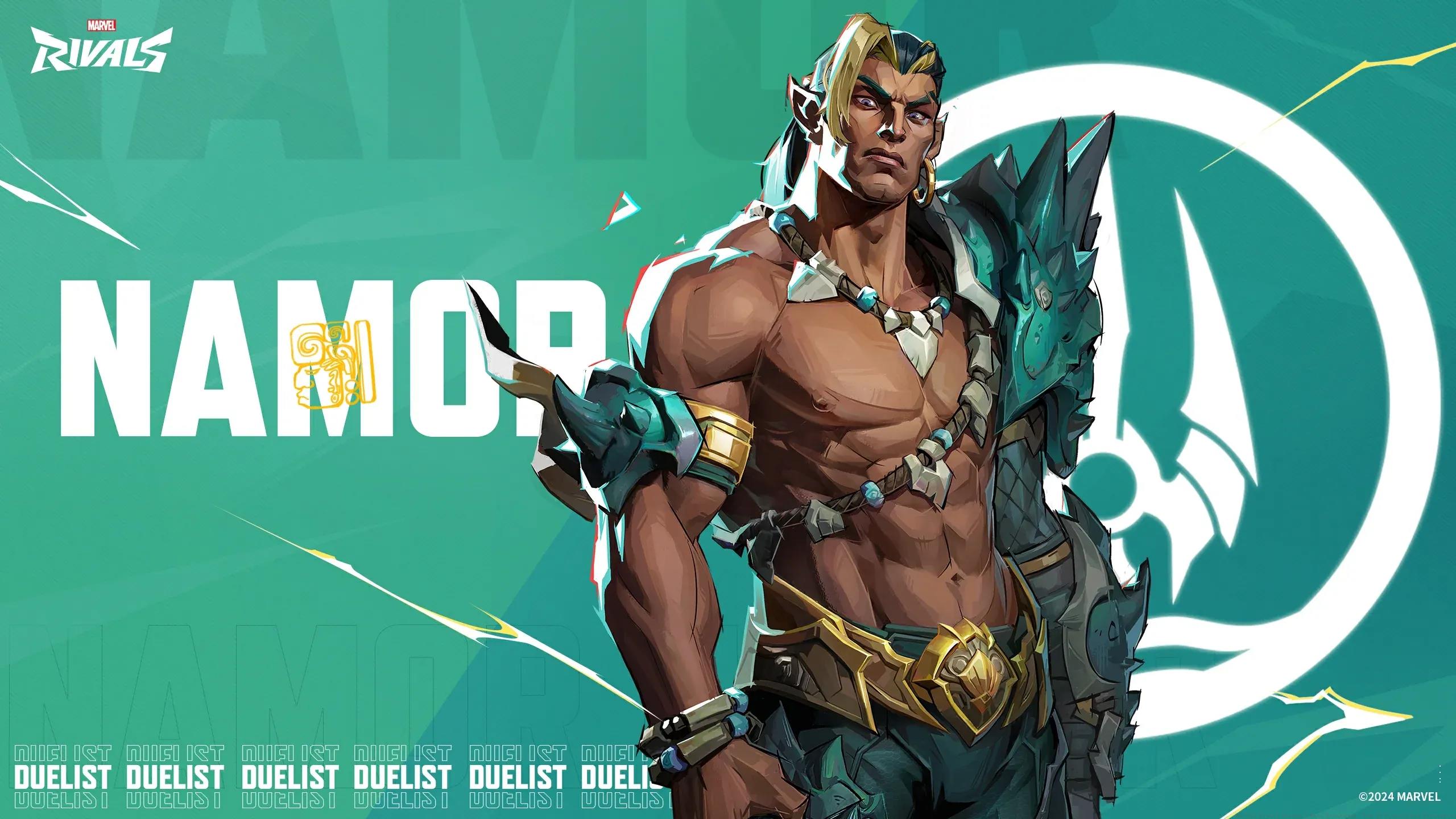
Namor emerges as perhaps the biggest beneficiary of Season 3 adjustments, receiving substantial improvements to both primary and secondary projectile velocities that now rival Hawkeye’s arrow speeds. This transformation elevates his threat projection at medium to long ranges, particularly within poke-oriented team compositions that prioritize sustained damage from distance.
The absence of nerfs to Hulk further amplifies Namor’s value, as their synergistic team-up ability (previously enhanced in patch 2.5) creates overwhelming offensive pressure that few compositions can withstand. Competitive analysts project Namor will frequently appear in ban phases due to his potential to eliminate damage-focused heroes with just two precise headshots.
- Competitive Advantage: Enhanced projectile mechanics favor brawl transition strategies; excels against recently weakened aerial heroes and synergizes powerfully with Hulk for compositional flexibility.
- Advanced Tactics: Coordinate ultimate abilities with damage amplification effects (such as Luna Snow’s buffs) to penetrate defensive ultimates. Prioritize mastering his kit for countering dive compositions and establishing poke superiority.
- Optimal Synergies: Hulk for devastating team-up combinations, Luna Snow for ultimate ability coordination, and strategic partners who can capitalize on his area denial capabilities.
Luna Snow maintains her position as the premier support option by avoiding any nerfs in the Season 3 balance changes. Her incredibly valuable 12-second invulnerability ultimate, combined with burst healing capabilities and damage amplification effects, makes her indispensable across brawl, poke, and even dive-oriented team compositions.
Statistical tracking continues to show exceptional win rates for Luna Snow players across all competitive tiers, establishing her as essential learning material for support-flexible competitors. Her versatility in adapting to various team needs while providing fight-changing utility ensures she remains a consistent overperformer regardless of meta fluctuations.
- Meta Resilience: Demonstrated consistency across multiple seasons; forms devastating ultimate combinations with Loki creating nearly 24 seconds of continuous team protection coverage.
- Strategic Execution: Time your ultimate activation to counter enemy engagement attempts or enable aggressive pushes. Master animation canceling techniques to optimize healing output while maintaining damage contribution.
- Composition Flexibility: Functions effectively with virtually any team structure, though particularly excels when paired with heroes who benefit from damage amplification during critical engagement windows.

The Thing capitalizes on the aerial hero nerfs by establishing superior ground control through his area denial capabilities and impressive durability. His ability to create space for teammates while withstanding substantial punishment makes him invaluable in the current meta favoring ground-based engagements.
Positioning mastery becomes crucial when playing The Thing, as optimal ability placement can single-handedly dictate engagement outcomes. Learning to anticipate enemy movement patterns allows for maximum impact with his crowd control abilities that disrupt opposing team formations.
- Area Dominance: Excels at controlling objective spaces and chokepoints against composition types that previously relied on aerial mobility for positioning advantages.
- Advanced Positioning: Utilize environmental geometry to maximize defensive capabilities while creating opportunities for teammates to secure eliminations from protected angles.
- Synergy Partners: Combines effectively with heroes who benefit from created space and controlled engagement timing, particularly those with area-of-effect ultimate abilities.

Wolverine thrives in the Season 3 environment where his primary counters among aerial heroes have received significant adjustments. His unparalleled mobility and sustained damage output against single targets make him exceptionally dangerous in coordinated dive compositions that capitalize on isolated opponents.
Target selection proficiency separates exceptional Wolverine players from average performers. Prioritizing vulnerable support heroes or damage dealers during engagement initiation often creates numerical advantages that snowball into team fight victories.
- Mobility Advantage: Leverages enhanced ground mobility to bypass traditional defensive formations that previously relied on aerial presence for scouting and disruption.
- Engagement Timing: Master the rhythm of engagement and disengagement to maximize survivability while applying consistent pressure to high-value targets.
- Survival Techniques: Utilize environmental cover during ability cooldowns and coordinate with support players for sustained effectiveness throughout extended engagements.

Loki’s deceptive capabilities gain increased value in a meta where precise positioning and ability timing determine engagement outcomes. His unique capacity to disrupt enemy formations while providing strategic utility makes him a consistent threat in skilled hands.
The synergy between Loki and Luna Snow creates one of the most powerful ultimate combinations available, offering nearly continuous protection for entire teams during critical objective contests. Mastering Loki requires understanding opponent psychology and predicting their responses to deceptive tactics.
- Disruption Excellence: Creates chaos in enemy backlines while providing valuable intelligence about opponent positioning and ability availability.
- Ultimate Coordination: Time deceptive abilities to maximize confusion during team fights, particularly when combined with area control effects from teammates.
- Psychological Warfare: Leverage opponent expectations against them by establishing patterns then breaking them at crucial moments to create advantageous engagements.

Hulk maintains his position as the premier brawling tank despite the extensive balance changes, benefiting from the absence of direct nerfs while his natural counters receive adjustments. His incredible damage output combined with impressive durability creates persistent threats that demand opponent attention and resources.
Team fight presence defines Hulk’s effectiveness, as his ability to absorb cooldowns and attention creates opportunities for damage-focused teammates to operate with reduced pressure. Understanding engagement timing and resource trading separates exceptional Hulk players from basic performers.
- Damage Consistency: Delivers reliable pressure through consistent damage output that punishes positioning mistakes and overwhelms defensive capabilities over extended engagements.
- Space Creation: Forces opponents to allocate resources to manage his presence, creating advantageous situations for teammates to capitalize on distracted enemies.
- Counter Strategies: Recognize when to disengage from unfavorable matchups and reposition to leverage your strengths against more vulnerable opponent compositions.

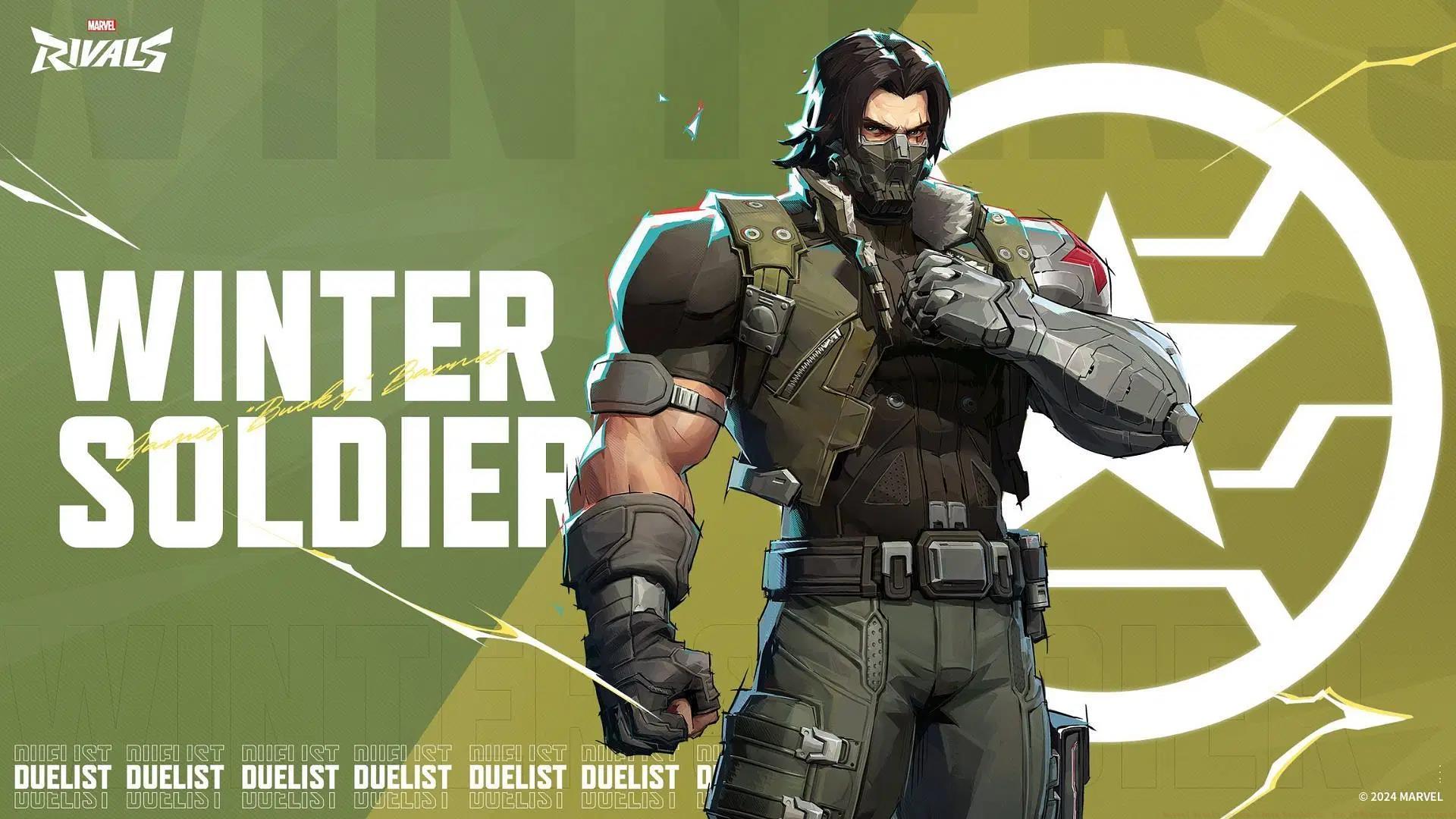
Winter Soldier (Bucky Barnes) excels in the current meta through his precision elimination capabilities that capitalize on the increased prevalence of ground-based compositions. His sniper functionality provides crucial pick potential that can single-handedly swing engagement outcomes before they properly begin.
Positioning mastery is paramount for Winter Soldier effectiveness, as sightline control and escape route management determine both his impact and survivability. Advanced players utilize environmental knowledge to create unexpected angles while maintaining safe withdrawal options.
- Sniper Dominance: Capitalizes on predictable movement patterns from ground-based heroes who can no longer rely on aerial mobility for positioning advantages.
- Angle Creation: Utilize map geometry to establish unexpected sightlines that bypass traditional defensive formations and catch opponents unprepared.
- Combo Execution: Coordinate with crowd control abilities from teammates to guarantee precise eliminations on high-value targets during critical engagement windows.
Cloak & Dagger thrive in the Season 3 meta through their unique mobility capabilities that bypass traditional ground-based defenses. Their synergistic abilities create dynamic engagement patterns that confuse opponents while providing consistent support value through healing and positioning utility.
The duo’s healing mechanics require precise coordination between both heroes to maximize effectiveness, with advanced techniques involving ability sequencing that optimizes both survivability and offensive output. Team coordination becomes especially important when leveraging their full potential.
- Mobility Synergy: Utilize teleportation and movement abilities to create unpredictable positioning that counters the more static nature of ground-based compositions.
- Healing Optimization: Master ability rotation patterns to maintain consistent healing output while contributing meaningful damage during engagement windows.
- Team Coordination: Communicate positioning intentions to maximize the effectiveness of mobility tools that can transport multiple teammates to advantageous locations.

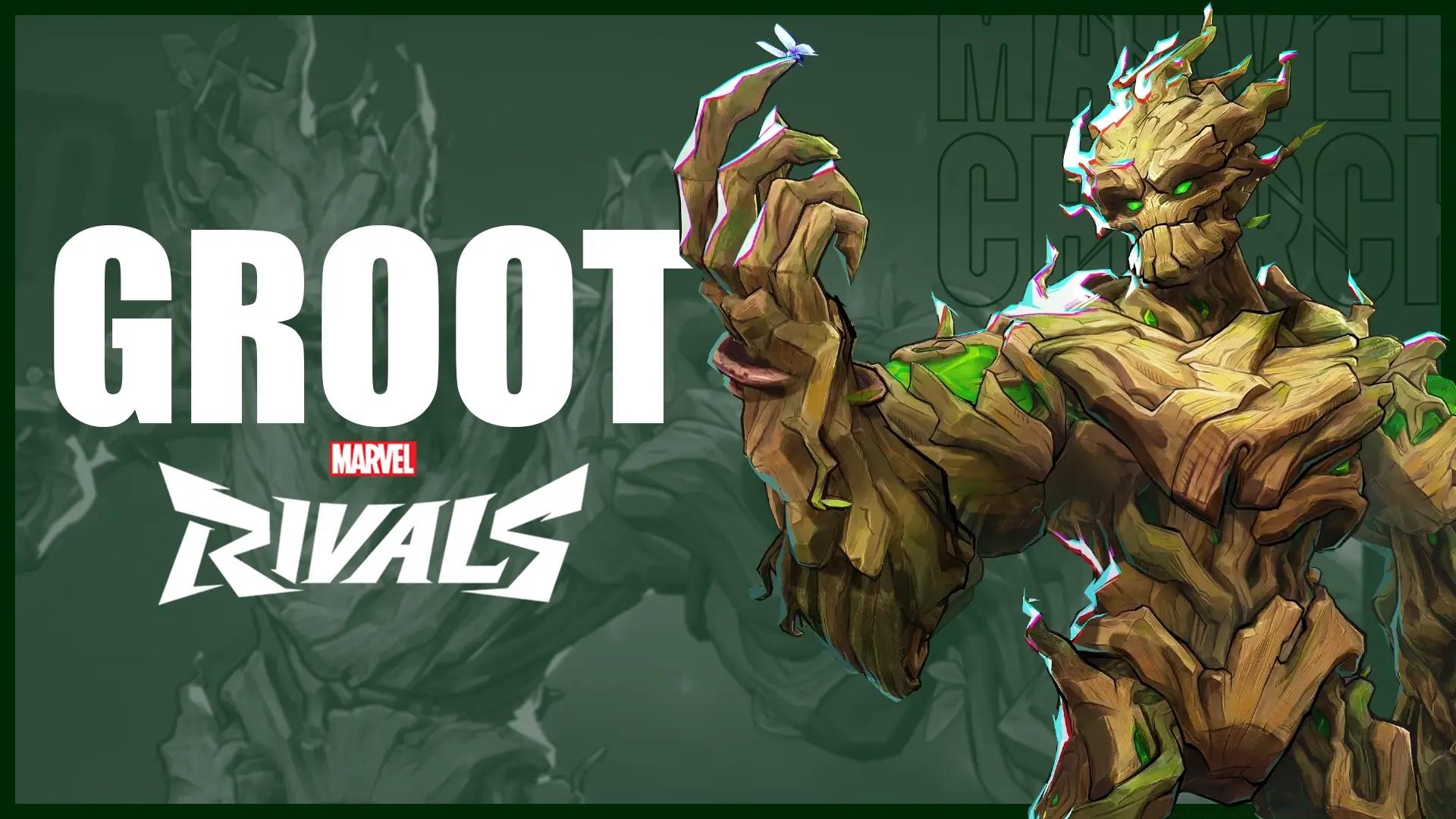
Groot establishes himself as a defensive cornerstone in Season 3 through his exceptional area control capabilities and team protection utilities. His ability to create safe zones and disrupt enemy engagements makes him invaluable for compositions that prioritize positional advantages and sustained fights.
Ultimate ability usage timing separates exceptional Groot players, as properly deployed area denial can single-handedly determine objective contest outcomes. Understanding engagement flow and predicting opponent initiation timing maximizes his defensive impact.
- Area Control: Creates persistent zones of control that punish aggressive positioning while protecting vulnerable teammates from engagement initiation.
- Protection Capabilities: Utilize defensive abilities to neutralize enemy ultimate combinations and sustain teammates through critical damage phases.
- Ultimate Timing: Deploy area denial effects to split enemy formations during team fights or secure objective control during overtime scenarios.
Hela dominates specific areas of the battlefield through her persistent damage effects and crowd control capabilities that punish opponents committed to ground-based positioning. Her ability to control space while contributing meaningful damage makes her a versatile threat in various composition types.
Strategic ability placement determines Hela’s effectiveness, as properly positioned effects can zone opponents from critical objectives or funnel them into disadvantageous engagement locations. Advanced techniques involve predicting opponent rotation patterns to maximize area denial.
- Crowd Control: Utilizes slowing and area denial effects to control engagement pacing and limit opponent positioning options during objective contests.
- Damage Over Time: Applies persistent pressure that accumulates throughout engagements, particularly effective against composition types that favor sustained fights.
- Strategic Placement: Position abilities to intercept common rotation paths and objective approaches, forcing opponents to either commit resources or abandon positioning advantages.

Success in Marvel Rivals Season 3 requires understanding how these meta winners interact within team compositions and counter specific opponent strategies. The most effective approaches often combine multiple winning heroes to create synergistic advantages that overwhelm opponent capabilities.
Optimal team compositions frequently feature Namor or Winter Soldier for ranged pressure, supported by Luna Snow’s versatile utilities, anchored by durable presence from Hulk or The Thing. This balanced approach covers multiple engagement ranges while providing both initiation and counter-initiation options.
Counter-picking becomes crucial when facing specific composition types, with mobility specialists like Wolverine excelling against static formations while area controllers like Hela dominate confined spaces. Mastering 2-3 meta winners provides the flexibility needed to adapt to various opponent strategies during ranked climbing.
Remember that individual proficiency often outweighs pure meta considerations—mastering a hero you perform well with typically yields better results than forcing a meta pick without adequate experience. For comprehensive gameplay fundamentals, consult our Complete Guide to core mechanics.
Action Checklist
- Practice Namor’s projectile timing in training mode for 15-20 minutes to master new speeds
- Master Luna Snow’s ultimate rotation patterns across 3-5 quick play matches
- Study map sightlines and angles for Winter Soldier positioning advantages
- Coordinate Hulk-Namor team-up combinations in 2-3 competitive matches
- Analyze opponent composition patterns to optimize counter-picking strategies
No reproduction without permission:Tsp Game Club » Marvel Rivals Season 3 Meta Breakdown: Top 10 Winners and Strategies Master Marvel Rivals Season 3 meta with expert analysis of top-performing heroes, strategic tips, and winning compositions