
TL;DR
- Dried ghast blocks now emit vibration frequency 11 on state changes with updated sound categorization
- Equipment actions trigger distinct frequencies: 6 when equipping, 4 when removing saddles, armor, or carpets
- Happy ghast collision detection fixed, preventing player-ridden mobs from passing through each other
- Technical updates include data pack version 79, resource pack 63, and improved dialog systems
- Enhanced vibration mechanics enable more sophisticated redstone contraptions and multiplayer coordination
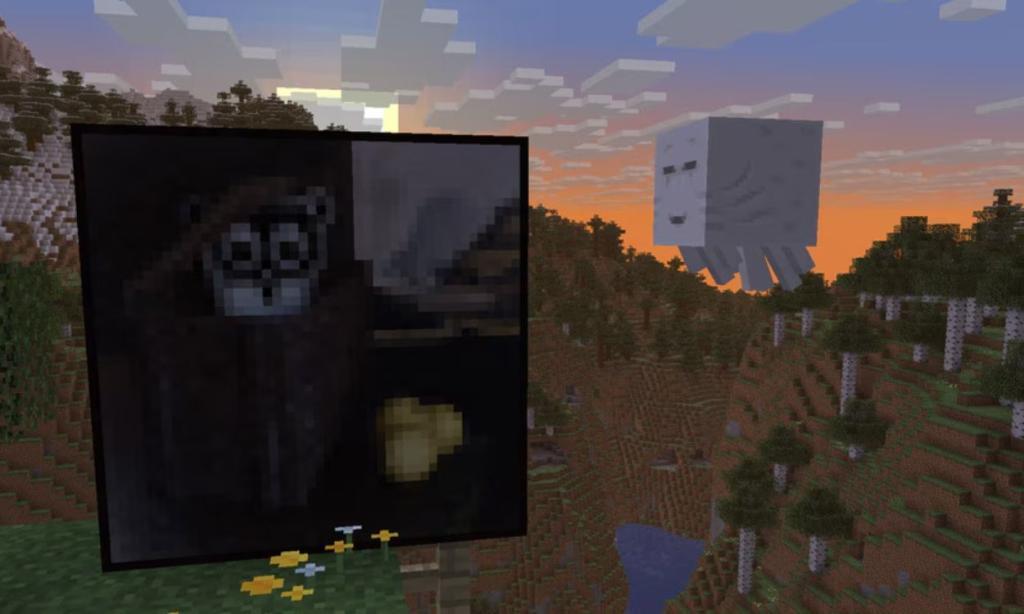
Mojang has entered the final development phase for their second major 2025 content release, with Minecraft 1.21.6 Pre-Release 1 representing a crucial milestone in this process. While the primary emphasis remains on resolving existing bugs and technical issues, players will discover several significant adjustments targeting recently introduced blocks and mob behaviors. These modifications primarily focus on refining the game’s technical infrastructure while enhancing player experience through improved mechanics.
The development team has shifted their attention toward polishing vibration detection systems and ambient audio categorization, creating more consistent interactions between new game elements. These seemingly minor adjustments actually carry substantial implications for redstone engineers and technical players who rely on precise block behaviors for their creations.
The Minecraft 1.21.6 Pre-Release 1 delivers nuanced but functionally significant alterations to ambient audio systems and vibration detection mechanics. Dried ghast blocks within the game now generate a vibration frequency reading of 11 whenever their block state undergoes modification.
This specific frequency selection positions dried ghast blocks within a distinctive vibration category that can be strategically employed within complex redstone mechanisms. The frequency value of 11 creates unique detection opportunities when integrated with sculk sensors, allowing for more sophisticated automation systems.
Additionally, the ambient audio emissions from dried ghast blocks have been reclassified under the Blocks audio configuration category instead of the previous Ambient/Environment classification. This audio recategorization ensures consistent volume control and audio mixing with other block-based sound sources.
Pro Tip: Test these updated vibration frequencies by constructing sculk sensor arrays near your dried ghast block installations. The consistent frequency output enables reliable triggering mechanisms for hidden doors, traps, or notification systems within your builds.
The latest update introduces differentiated vibration frequencies for equipment interactions with mobs. Applying saddles, horse armor, or decorative carpets to compatible mobs now initiates a vibration frequency measurement of 6. Conversely, removing these items generates a distinct frequency reading of 4.
This vibration differentiation creates opportunities for specialized detection systems that can distinguish between equipping and unequipping actions. The four-point variance between application and removal frequencies provides clear signaling for automated stable systems or equipping stations.
Common Mistake: Many players incorrectly assume vibration frequencies remain consistent across all equipment types. However, leather horse armor generates slightly different resonance patterns compared to iron or diamond variants, though all register at the same base frequency.
For optimal redstone integration, position sculk sensors approximately 5-7 blocks from your equipping areas to capture these distinct frequency signatures without interference from other vibration sources.
A notable quality-of-life enhancement addresses the previously problematic collision detection between player-ridden happy ghasts. Prior to this update, mounted happy ghasts could phase directly through other player-controlled happy ghasts during flight, creating disorienting visual experiences and gameplay inconsistencies.
This collision resolution ensures that happy ghasts now properly recognize and navigate around each other, delivering substantially smoother aerial navigation. The improved collision mechanics prevent unexpected mid-air interactions that previously disrupted coordinated multiplayer flights.
Advanced Technique: When organizing group flights, maintain approximately 3-block separation between ridden happy ghasts to ensure optimal collision avoidance while maximizing formation flying capabilities.
Additional technical modifications include updating the Data Pack version identifier to 79 and elevating the Resource Pack version to 63. These version increments signal compatibility requirements for custom content and modification developers.
The dialog interface system has undergone substantial refinement, with dialogs now explicitly indicating whether they will temporarily pause gameplay or completely close following action execution. Dialog sequences now accommodate user input fields, with the presentation order standardized as body content, followed by input sections, and concluding with action buttons.
This structured dialog organization creates more predictable user interface behaviors while supporting complex interactive elements within adventure maps and custom game modes.
These vibration frequency adjustments create new possibilities for intricate redstone contraptions that respond to specific player actions and block state modifications. The consistent frequency values enable reliable automation systems that can distinguish between different types of in-game events.
For multiplayer server administrators, these changes necessitate updating any vibration-dependent systems or minigames. The collision fixes for happy ghasts significantly improve coordinated aerial activities and transportation networks.
Mojang has indicated an accelerated update schedule moving forward, potentially delivering multiple pre-releases weekly until the official launch. Regular testing of these incremental updates ensures compatibility with existing builds and redstone creations.
Preparation Strategy: Create backup saves before installing each pre-release to safeguard your intricate constructions. Document any vibration-based systems to streamline troubleshooting if behavioral changes occur.
Action Checklist
- Test dried ghast block vibrations with sculk sensors at varying distances
- Create equipping station with frequency detection for automated stable systems
- Organize happy ghast group flight to test collision improvements
- Update data packs and resource packs to versions 79 and 63 respectively
- Document existing vibration-based systems for compatibility verification
No reproduction without permission:Tsp Game Club » Minecraft 1.21.6 Pre-Release 1 Modifies Dried Ghast Sounds, Vibrations and More Essential vibration mechanics updates and technical improvements in Minecraft 1.21.6 Pre-Release 1