
TL;DR
- Three specialized SF builds: lockdown defender, balanced scorer, and versatile two-way threat
- Badge optimization is crucial – focus on Clamp Breaker, Anchor, and Agent 3s for maximum impact
- Cap breaker investments should prioritize perimeter defense and three-point shooting first
- Master defensive positioning and shot timing to dominate both ends of the court
- Choose your build based on team needs and personal playstyle preferences
Dominate the hardwood with three revolutionary Small Forward configurations that deliver elite defensive stops, explosive offensive production, and unmatched positional adaptability.
Small forwards embody basketball’s complete package – multi-dimensional athletes capable of addressing any roster deficiency. When constructing your ideal NBA 2K26 Small Forward, you’re engineering a competitor who seamlessly blends scoring prowess, defensive intensity, and playmaking vision to excel in every scenario. From containing superstar guards to draining deep-range jumpers, these three premium SF blueprints will elevate your virtual basketball experience.
The SF role provides unparalleled customization freedom in player development. Contrasted with point guards concentrating on dribble mastery or centers controlling the interior, small forwards can achieve excellence across numerous skill categories without significant compromises. You’ll frequently transition between defensive matchups, generating opportunities for teammates, and converting baskets from all court sectors.
Small Forward achievement hinges on comprehending your responsibilities across different competition formats. During Park matchups, expect to defend various positions fluidly. In Pro-Am environments, your adaptability becomes essential for squad harmony. The following builds accommodate these diverse requirements while sustaining top-tier performance benchmarks.
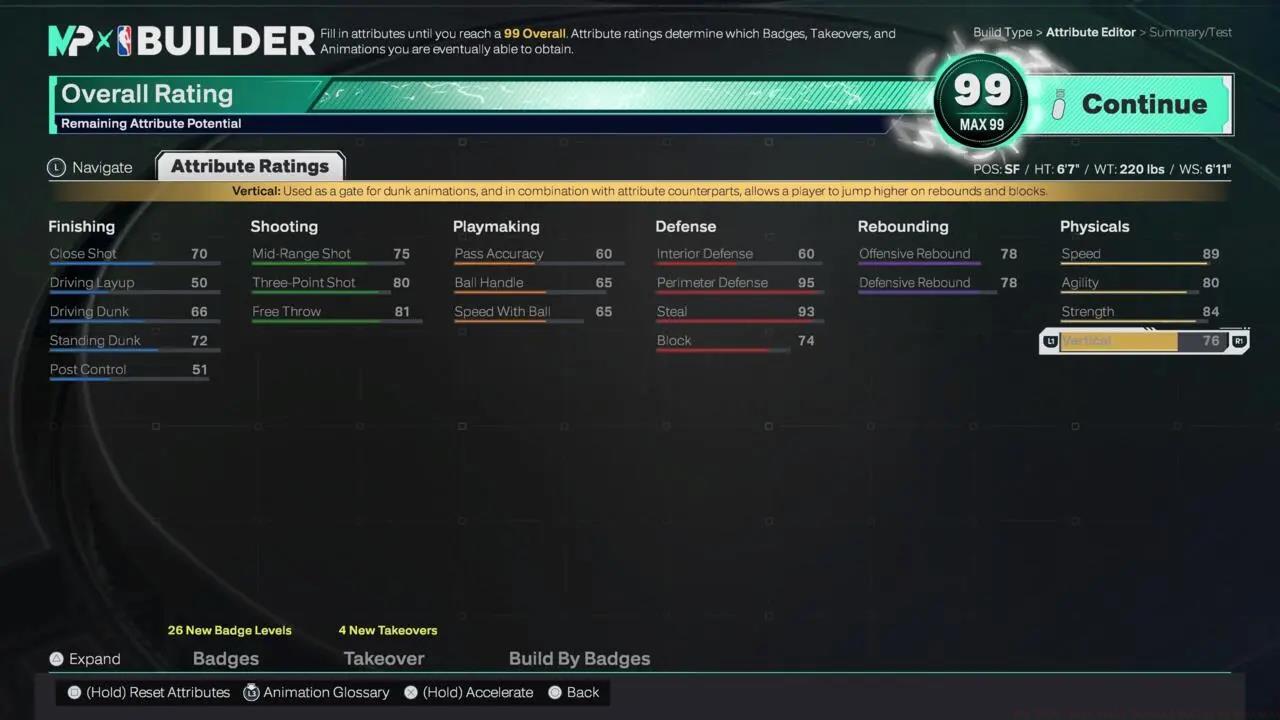
Elite Builds For NBA 2K26 – GameSpot Analysis
This defensive juggernaut emphasizes neutralizing opponent backcourts while retaining sufficient offensive skills to make meaningful contributions during transition plays and half-court sets.
Finishing Attributes: Focus on driving dunk (85) and standing dunk (70) for transition opportunities, with close shot (75) for interior finishes. Avoid overinvesting in post control unless specifically building for mismatch exploitation.
Playmaking Attributes: Ball handling (75) and speed with ball (78) allow you to initiate fast breaks after defensive stops. Pass accuracy (70) facilitates quick ball movement to open teammates.
Rebounding & Physical: Defensive rebound (75) for securing stops, vertical (80) for contesting shots, and strength (85) to absorb contact during drives. Speed (85) and acceleration (84) ensure you stay with quicker opponents.
Common Mistake: Players often neglect offensive attributes completely, making them liabilities when teammates need scoring support. Maintain at least 70 mid-range and 65 three-point shooting to keep defenses honest.
This well-rounded construct delivers offensive firepower from all scoring zones while maintaining formidable defensive presence to alter opponent shot attempts effectively.
Scoring Arsenal: Three-point shooting (86) for spacing, mid-range (88) for pick-and-pop actions, and driving layup (85) for rim pressure. Close shot (80) ensures efficiency in traffic.
Defensive Foundation: Interior defense (82) and block (85) allow effective weak-side help and shot challenging. Perimeter defense (80) maintains respectability against primary scorers.
Physical Tools: Vertical (82) for rebounding and shot contests, strength (78) to finish through contact, with speed (80) and acceleration (79) for defensive recovery.
Advanced Tip: Master the pump fake into one-dribble pull-up sequence. Defenders respecting your three-point threat will often overcommit, creating open mid-range opportunities. This move becomes particularly deadly in late-clock situations.
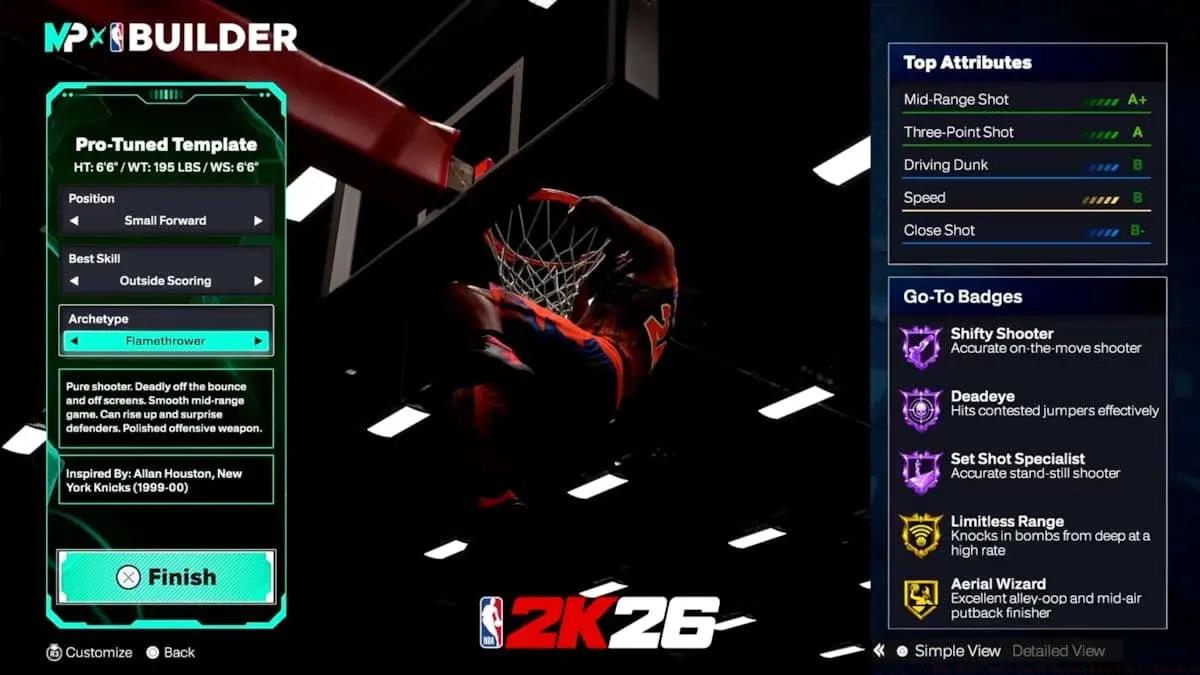
This hybrid design merges explosive driving capability with reliable perimeter shooting and competent defense, creating the modern NBA prototype that impacts games through multiple avenues.
Offensive Engine: Driving dunk (87) and driving layup (85) for rim attacks, complemented by three-point shooting (82) to punish defensive sagging. Ball handling (80) enables self-creation.
Defensive Capability: Perimeter defense (85) and steal (80) generate transition opportunities. Lateral quickness (83) ensures you mirror offensive players effectively.
Physical Attributes: Speed (86) and acceleration (85) for blow-by drives, vertical (82) for finishing above the rim, stamina (95) to maintain intensity.
Pro Strategy: Utilize the hesitation crossover into explosive first step for blow-by drives. Time your gather steps to maximize dunk animations rather than settling for contested layups. This build excels at drawing help defense and kicking to open shooters.
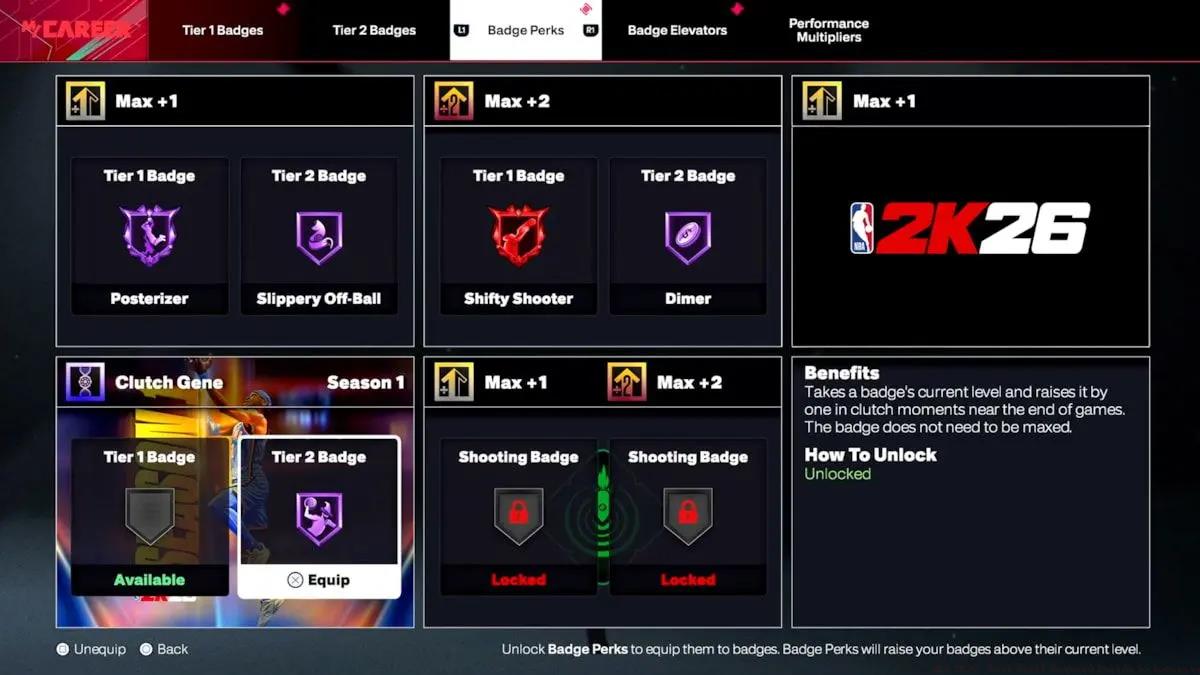
Strategic badge selection separates competent small forwards from dominant ones. Prioritize badges that enhance your primary skills while providing secondary benefits.
Essential Defense Badges: Clamp Breaker (Hall of Fame) for staying attached to ball handlers, Anchor (Gold) for rim protection, and Interceptor (Gold) for passing lanes. Chase Down Artist (Silver) enables spectacular weak-side blocks.
Offensive Must-Haves: Agent 3s (Gold) for movement shooting, Clutch Shooter (Gold) for late-game situations, and Fearless Finisher (Gold) for contact layups. Slithery (Gold) improves driving effectiveness.
Badge Combinations: Pair Blinders with Deadeye to shoot over contests, combine Hyperdrive with Speed Booster for blow-by potential, and use Bail Out with Special Delivery for creative playmaking.
Progression Path: Unlock core defensive badges first to establish your identity, then add offensive badges to round out your game. Save specialty badges for final upgrades once your foundation is solid.
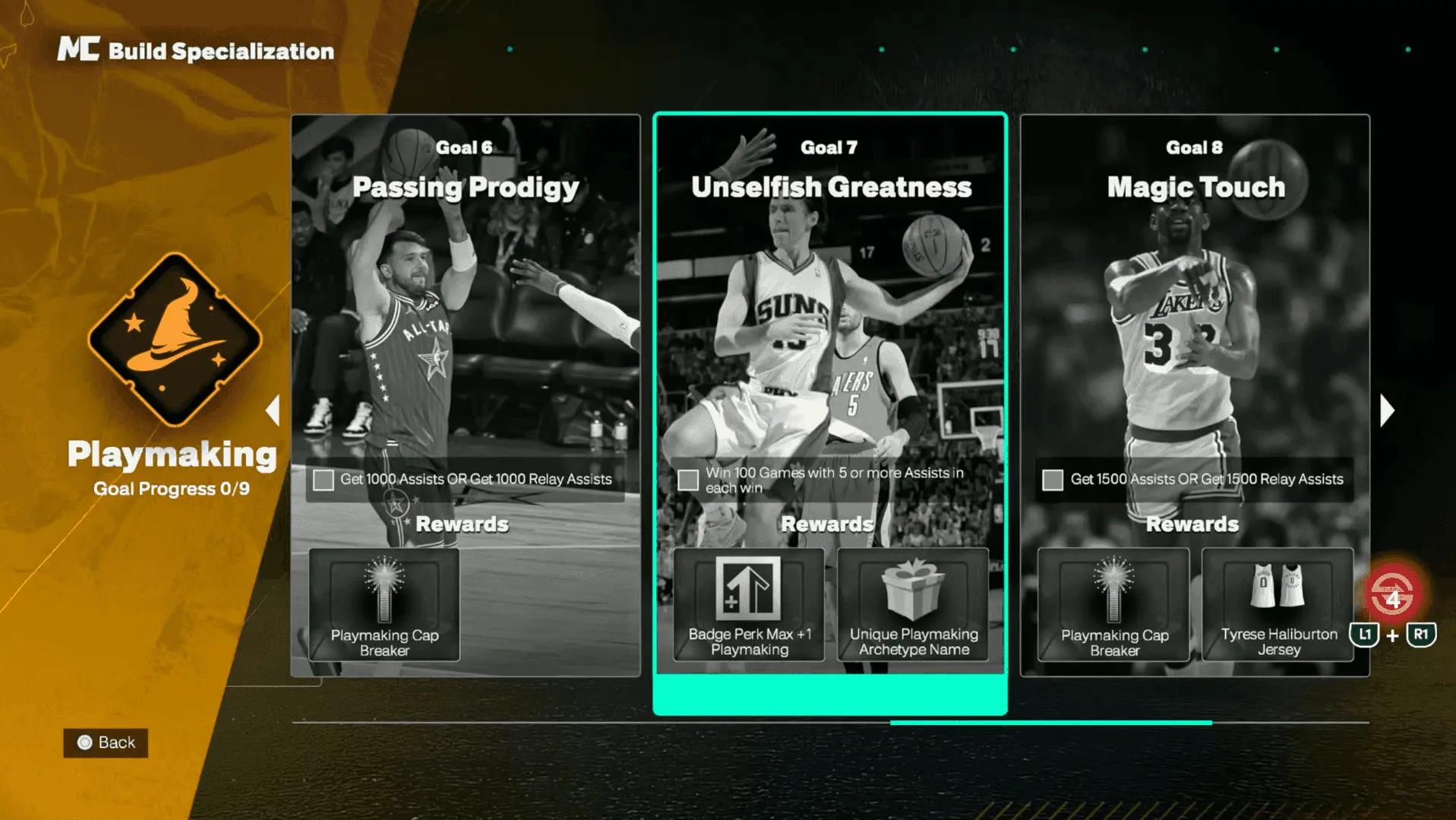
Strategic Virtual Currency allocation ensures maximum return on investment while avoiding wasted attribute points on non-essential skills.
Priority Attributes: Perimeter defense and three-point shooting deliver the highest impact per VC spent. These skills translate directly to winning basketball in most game modes.
Secondary Investments: Ball handling and speed with ball improve your offensive creation, while defensive rebound and steal generate extra possessions.
VC Efficiency: Focus on reaching attribute thresholds (75, 80, 85, 90) rather than evenly distributing points. The cost-per-point increases significantly beyond these breakpoints.
Long-term Planning: Reserve 15-20% of your total VC for mid-season adjustments based on the evolving meta and your team’s specific needs.
Common Mistake: Overinvesting in flashy but inefficient attributes like post control or hook shots. These rarely provide sufficient value for small forwards in current gameplay mechanics.
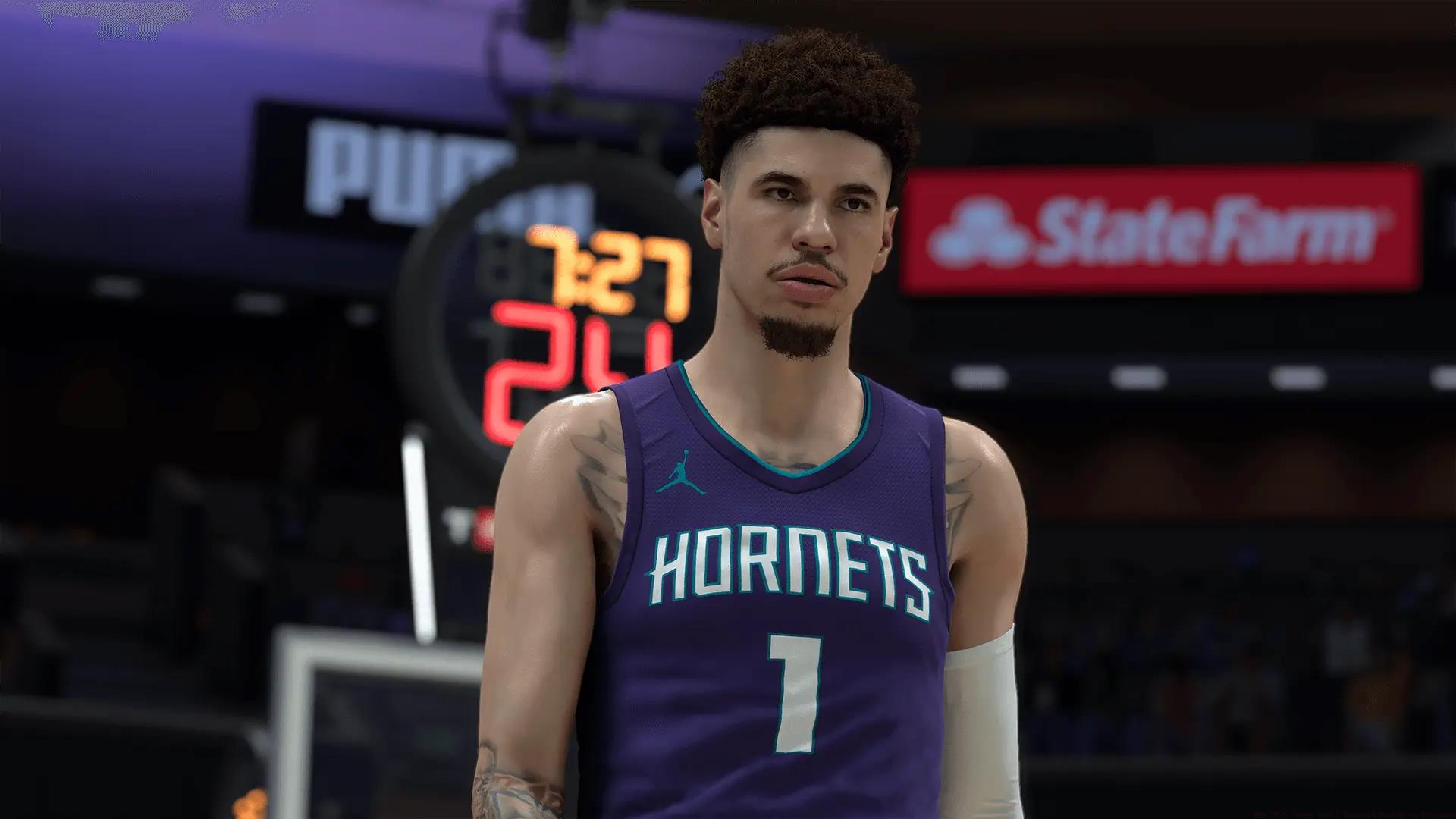
Master these advanced techniques to maximize your small forward’s impact regardless of which build you select.
Defensive Fundamentals: Maintain proper spacing (arm’s length) from your matchup, use right stick for hands-up defense rather than spamming steal, and master the art of contesting without fouling. Time your jump contests to coincide with the shooter’s release point.
Offensive Reads: Identify mismatches immediately – attack smaller guards in the post or blow by slower big men. Use screen navigation to create separation for jumpers or driving lanes.
Team Play: Develop chemistry with your point guard for backdoor cuts and with your center for pick-and-roll actions. Make quick decisions – hesitation kills offensive flow.
Advanced Movement: Master the hop step gather for contested finishes, the spin jumper for mid-range efficiency, and the step-back three for creating space. These moves become your primary counters against elite defenders.
Mental Game: Stay engaged off-ball by cutting, spacing properly, and reading defensive rotations. The best small forwards impact games without constantly touching the basketball.
Selecting your ideal small forward configuration depends on multiple factors including personal preference, team composition, and competitive aspirations.
For Defensive Specialists: The Physical Clamp Thief excels in Pro-Am environments where stopping primary scorers is prioritized. This build thrives alongside offensive-minded teammates who need defensive support.
For Balanced Players: The Shot-Erasing 3-Level Scorer works perfectly in Park settings where individual scoring and defensive versatility are equally valuable. Choose this if you prefer having multiple offensive options.
For Modern Hybrids: The 2-Way 3PT Slasher dominates in any environment requiring adaptability. This build shines when you need to fill multiple roles within a single game.
Skill Considerations: Beginners should start with the balanced build, intermediate players can excel with either specialist build, while advanced users maximize the hybrid build’s potential.
Team Fit: Analyze your regular teammates’ strengths and weaknesses before committing to a build. Complement their skills rather than duplicating them for optimal squad performance.
Action Checklist
- Analyze your preferred playstyle and team needs before selecting a build
- Allocate VC to reach key attribute thresholds (75, 80, 85) first
- Unlock core defensive badges before offensive specialties
- Practice defensive positioning and contest timing in MyCareer
- Master 2-3 signature moves for creating scoring opportunities
No reproduction without permission:Tsp Game Club » NBA 2K26: Best Small Forward Builds to Dominate Master NBA 2K26's Small Forward position with three elite builds, badge optimization, and pro gameplay strategies