
TL;DR
- Create position-specific builds optimized for MyCAREER, Park, and Pro-Am gameplay
- Balance offensive and defensive attributes based on your preferred playstyle
- Maximize badge progression through strategic attribute allocation
- Avoid common build mistakes that limit your player’s long-term potential
- Customize animations and sigs to complement your build’s strengths
Dominate every basketball court in NBA 2K26 with expertly crafted player builds designed for Point Guard, Shooting Guard, Small Forward, Power Forward, and Center positions. Your journey to basketball greatness starts with the right foundation.
Crafting the ideal MyPLAYER build serves as the cornerstone of your success in NBA 2K26’s diverse gameplay environments. Whether you’re progressing through MyCAREER’s story mode, showcasing skills in The Park’s competitive streetball scenes, or coordinating with teammates in Pro-Am tournaments, selecting the appropriate build for your designated position dramatically impacts your performance. This exhaustive guide analyzes the current meta builds across all five positions, presenting multiple strategic options aligned with individual playstyles and preferred game modes.
NBA 2K26 Guide: Best Builds for All Position
Common Build Mistakes to Avoid: Many players undermine their potential by spreading attribute points too thinly across multiple categories. Focus on maximizing 2-3 core competencies rather than creating a ‘jack of all trades’ that masters nothing. Additionally, neglecting defensive attributes in offensive-focused builds often results in becoming a liability during crucial defensive possessions.
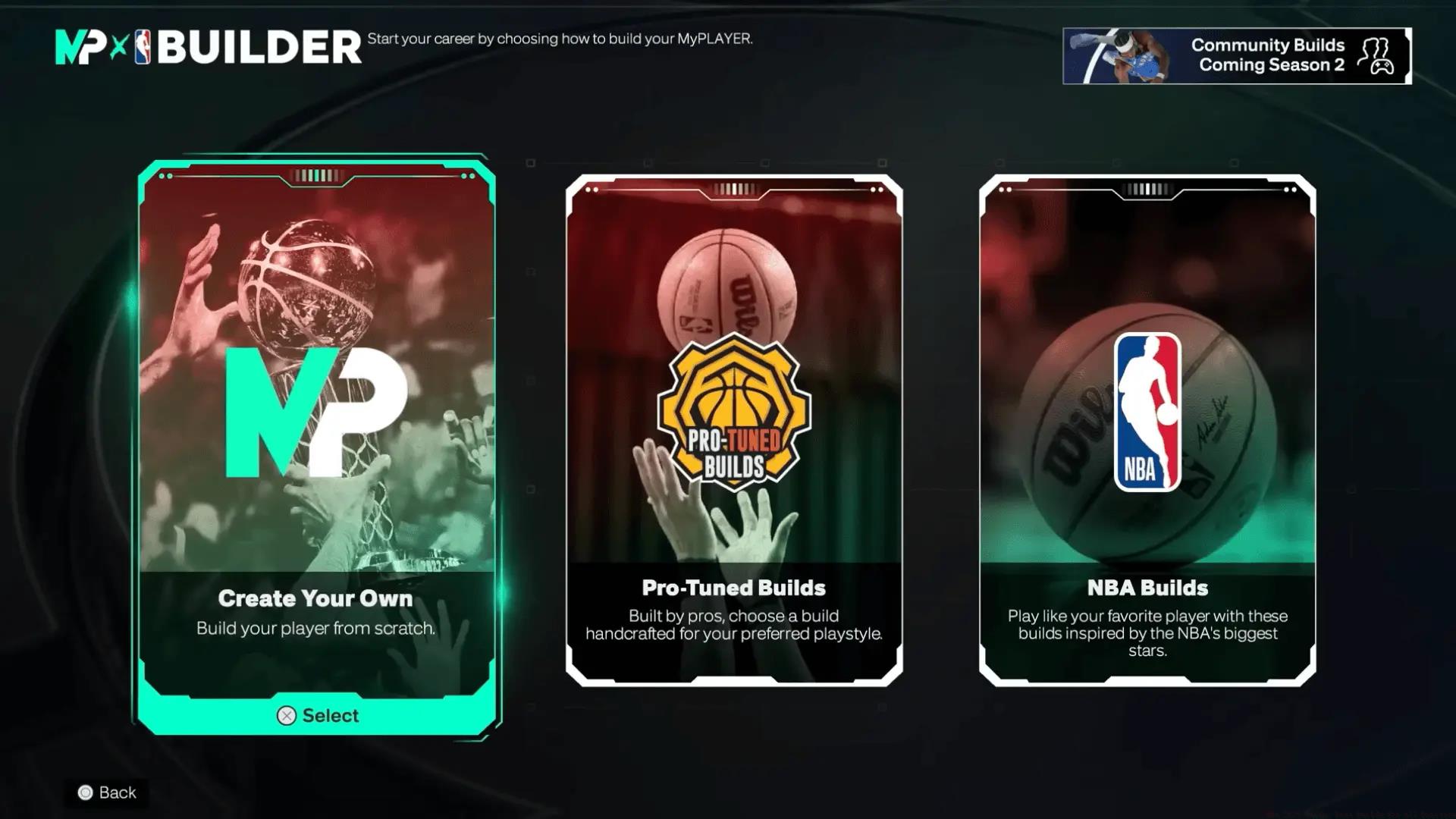
Point guards in NBA 2K26 must expertly balance scoring capabilities, playmaking responsibilities, and sufficient defensive skills to remain competitive against elite opponents. These premier builds will transform you into an offensive orchestrator who commands the court like a seasoned professional.
The Dual-Threat Playmaker achieves optimal equilibrium between dynamic finishing at the rim and premium outside shooting accuracy.
This build’s primary advantages stem from its capacity to execute highlight-reel dunks while simultaneously maintaining elite-level shooting precision from beyond the arc. With a passing accuracy rating of 92, he consistently delivers perfectly timed passes that create high-percentage scoring chances for teammates. His robust defensive metrics enable effective two-way contributions, preventing him from being targeted by opposing offenses.
This build excels particularly in 3v3 and 5v5 competitive environments, where his dual-threat offensive creation and reliable defensive presence make him an indispensable component for championship-caliber teams. Pro Tip: Equip the ‘Floor General’ and ‘Dimer’ badges to maximize your playmaking impact, increasing teammates’ shooting percentages when you distribute the ball.
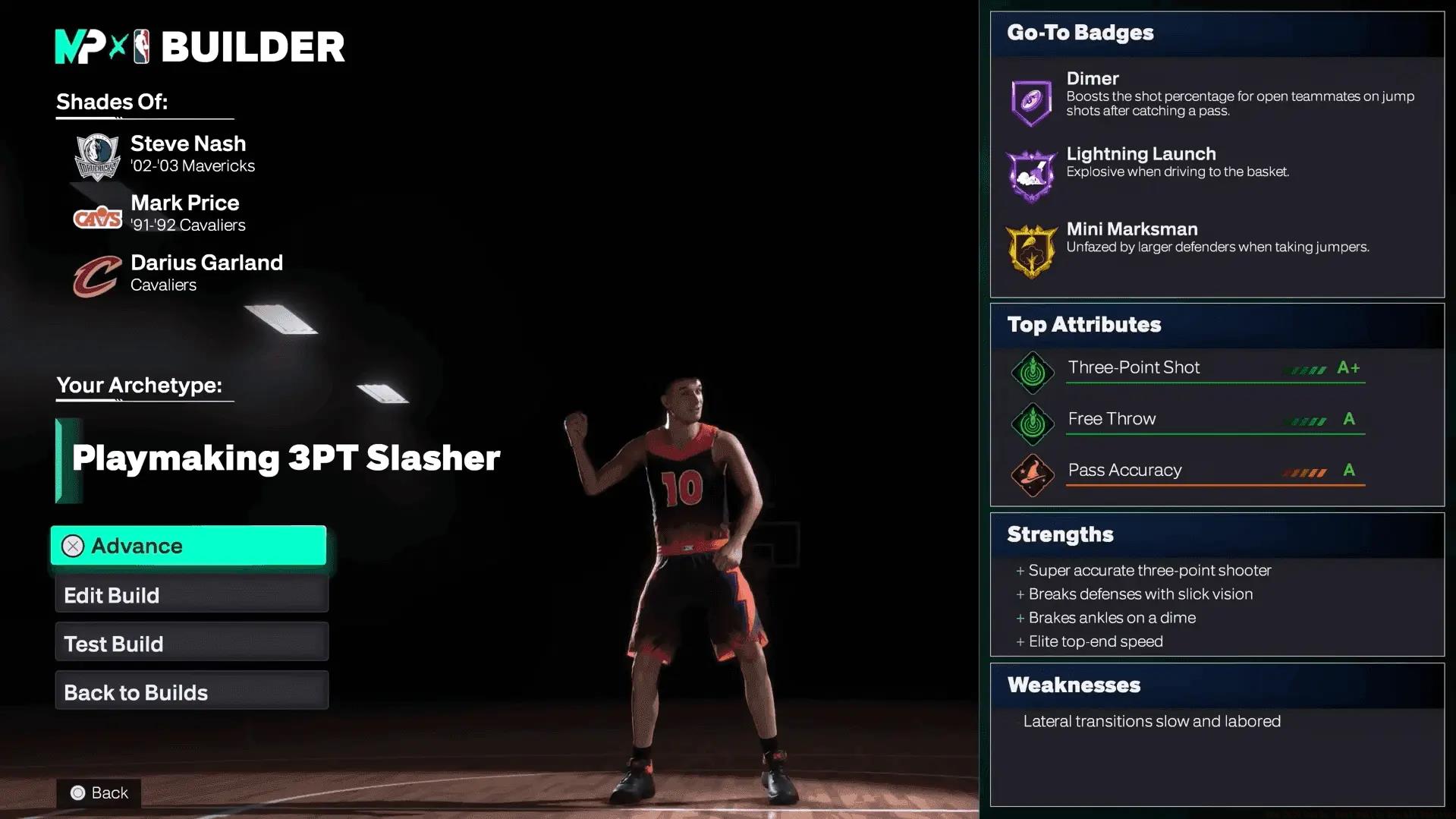
Advanced PG Strategy: Master the pick-and-roll mechanics by calling for screens from your big men. Use hesitation moves and speed boosts to create separation, then either attack the rim, pull up for mid-range shots, or kick out to open shooters when defenders collapse. Time estimates: Mastering basic dribble moves takes 2-3 hours of practice, while advanced combos require 5-7 hours of dedicated training.
Shooting guards in NBA 2K26 specialize as primary scoring options who can create their own shot from anywhere on the court. The elite SG builds focus on three-level scoring proficiency while maintaining enough playmaking and defense to not become one-dimensional players.
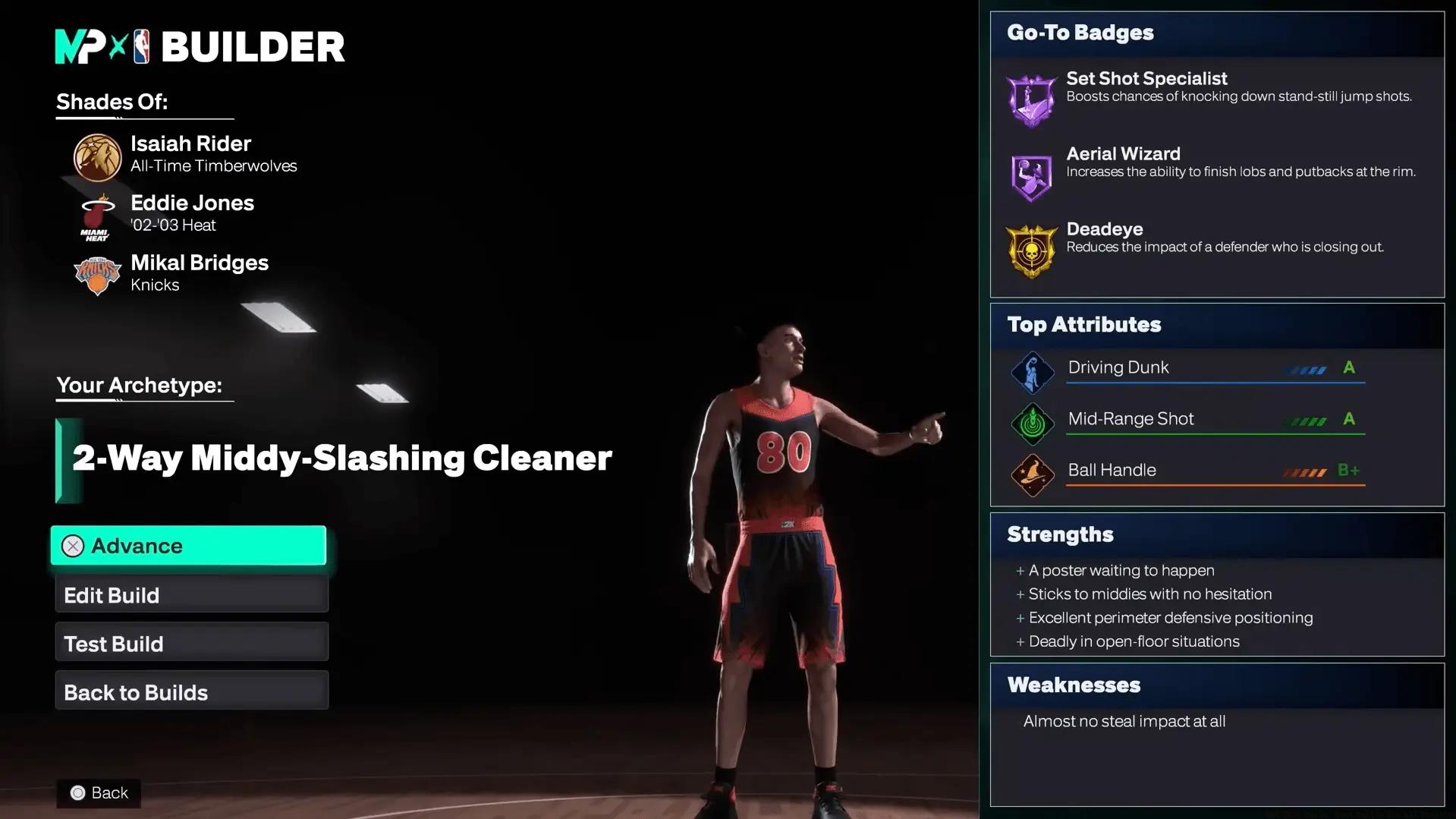
The Elite Shot Creator dominates with lethal shooting range combined with athletic finishing capabilities, making them nearly impossible to guard one-on-one.
This scoring specialist thrives in isolation situations where their diverse offensive arsenal keeps defenders guessing. Their ability to hit contested shots from mid-range complements their deep threat capability, while their driving game punishes defenders who overplay the perimeter. With solid ball handling (85) and perimeter defense (80), they contribute meaningfully on both ends.
Ideal for 2v2 and 3v3 Park games where spacing creates isolation opportunities, this build also performs well in 5v5 settings as a secondary ball handler. Common Mistake: Avoid neglecting defensive badges entirely—even 5-6 defensive badge points can make the difference between getting stops and being consistently exploited.
SG Movement Mastery: Learn to use off-ball screens effectively by reading defender positioning. The ‘Come to Screen’ playcall creates open looks, while ‘Fade’ commands generate spacing for isolation plays. Advanced players should master step-back and hop jumper animations for creating separation against tight defense.
Small forwards represent the most versatile position in NBA 2K26, requiring balanced attributes across scoring, defense, and playmaking. These hybrid builds can adapt to multiple roles depending on team needs and matchup advantages.
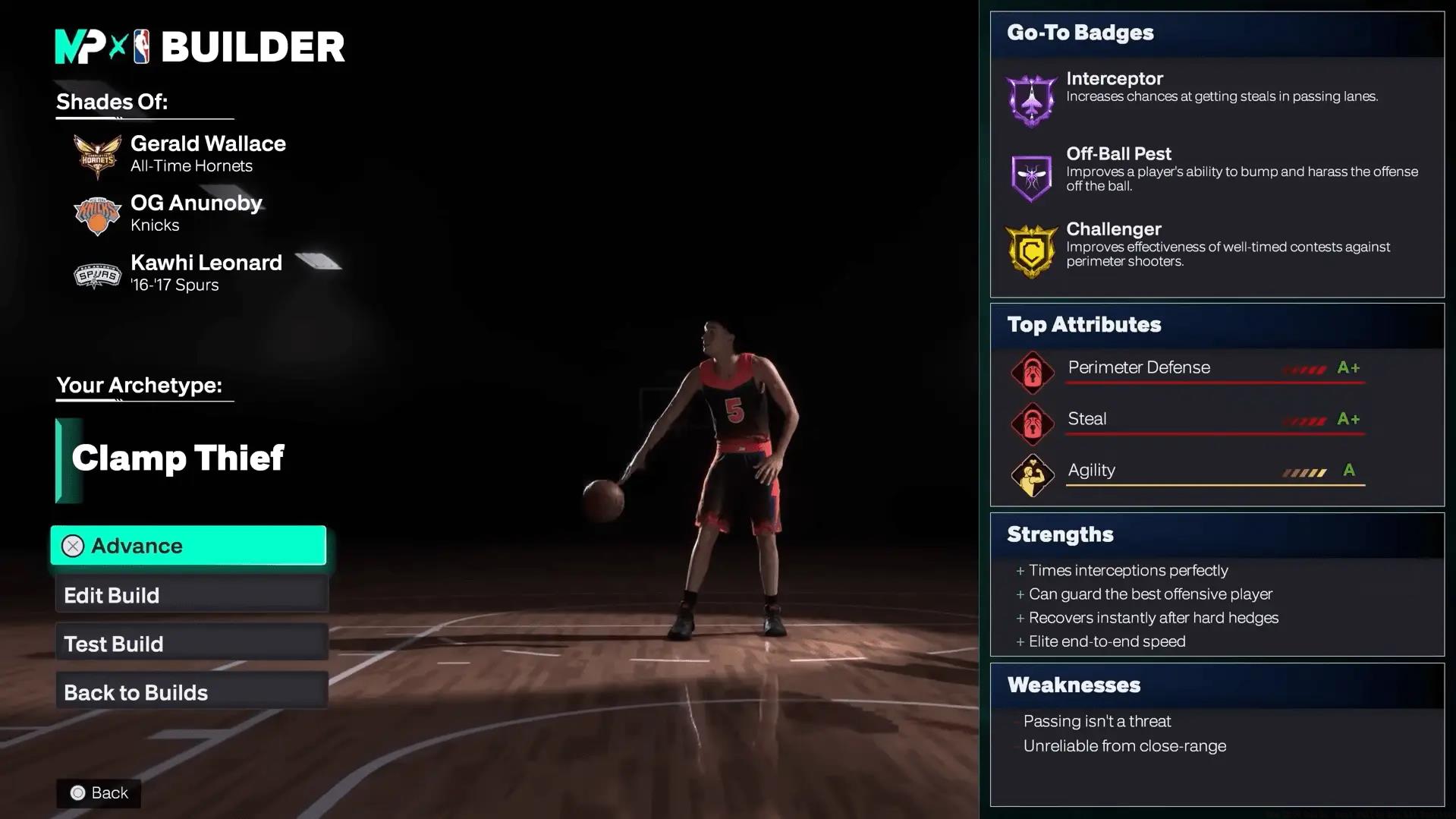
The Two-Way Slasher combines athletic finishing with lockdown perimeter defense, creating a modern wing prototype that impacts games without requiring offensive plays called specifically for them.
This build’s value comes from its Swiss Army knife capability—able to guard multiple positions, finish in transition, and provide secondary playmaking. Their defensive versatility allows them to switch onto guards or bigger forwards without becoming mismatched. With decent three-point shooting (78), they can’t be left open but don’t require heavy offensive usage to be effective.
Perfect for any team composition, this build shines brightest in Pro-Am environments where defensive versatility is prioritized. Optimization Tip: Allocate badge points to ‘Clamps’, ‘Interceptor’, and ‘Pick Dodger’ to maximize defensive impact, then focus on finishing badges like ‘Slithery’ and ‘Fearless Finisher’.
SF Role Flexibility: Understand when to operate as a primary option versus complementary player. Against smaller defenders, exploit post moves and backing down. Against larger defenders, use speed and dribble moves to create advantages. This situational awareness separates good SFs from great ones.
Power forwards in NBA 2K26 control the interior through rebounding, interior scoring, and paint protection. Modern PF builds have evolved to include outside shooting while maintaining traditional big man responsibilities.
The Stretch Four revolutionizes the power forward position by stretching defenses with outside shooting while maintaining enough interior presence to not become a defensive liability.
This build forces opposing big men to defend outside the paint, creating driving lanes for guards and opening interior space for cutters. While not a dominant post scorer, their shooting threat creates offensive advantages that benefit the entire team. Defensively, they hold their own against traditional big men while being mobile enough to close out on perimeter shooters.
Extremely valuable in 5v5 settings with structured offenses, this build can struggle in 2v2 if paired with another non-finishing guard. Strategic Insight: Master the pick-and-pop game by setting solid screens then quickly relocating to open spots on the perimeter where your defender is compromised.
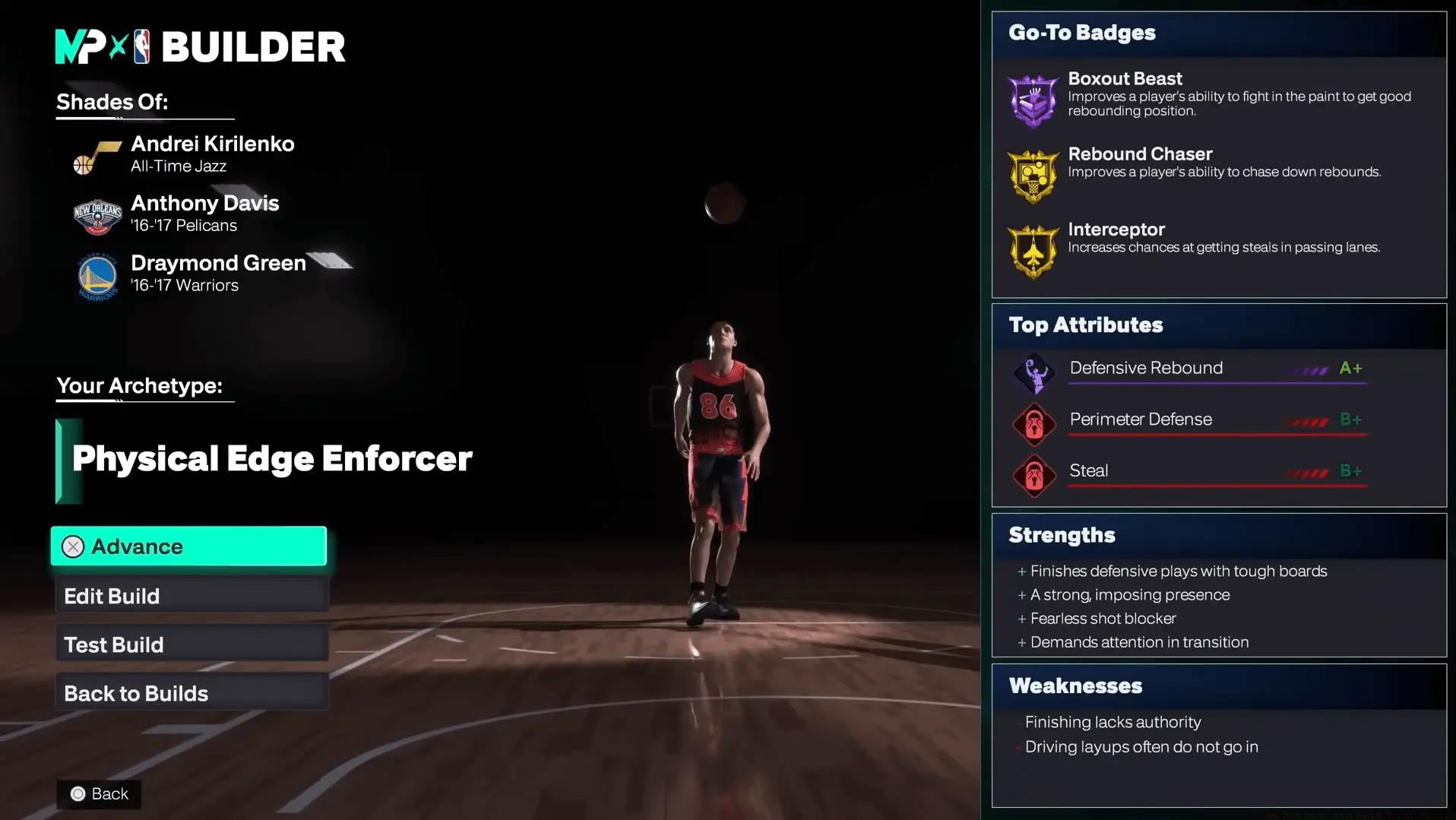
PF Positioning Fundamentals: Learn rebounding angles and box-out techniques—these skills matter more than pure rebounding attributes. Time your jumps using the shot meter vibration cue rather than visually watching the ball. Advanced players should study opponent shooting tendencies to anticipate rebound trajectories.
Centers serve as the defensive foundation of any successful NBA 2K26 team, protecting the rim, controlling rebounds, and anchoring the defense. Modern centers must also contribute offensively without clogging the paint.
The Glass Cleaning Finisher dominates the boards while providing efficient interior scoring, making them the backbone of any defensive scheme and transition offense.
This traditional big man build excels at controlling the painted area through elite rebounding and shot-blocking capabilities. Their offensive game focuses on high-percentage shots near the basket, putbacks, and pick-and-roll finishing. While limited from beyond the arc, their interior dominance often forces opponents to adjust their entire offensive strategy.
Essential for competitive 5v5 play and extremely valuable in 3v3, this build requires guards who understand how to utilize a traditional big man effectively. Pro Advice: Master timing on shot contests—going for blocks every possession leads to foul trouble, while well-timed jumps with hands up dramatically lower opponent shooting percentages.
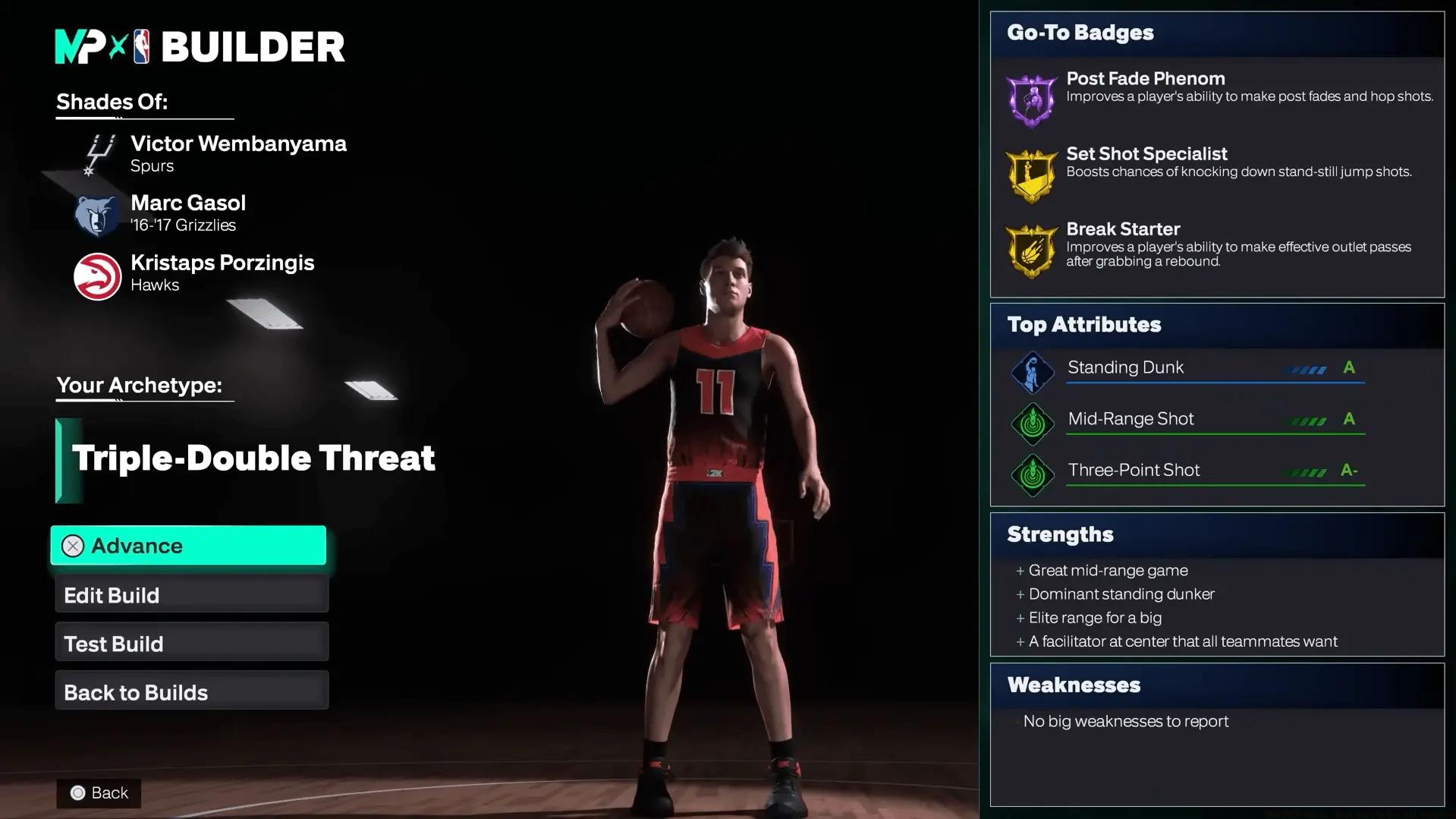
C Defensive Communication: As the last line of defense, centers must develop court awareness and communication skills. Call out defensive assignments, screen locations, and cutting opponents. In our Class Guide, we discuss similar team coordination principles that apply across different game genres.
NBA 2K26 Guide: Best Builds for All Position
Action Checklist
- Analyze your preferred playstyle and primary game modes before allocating attributes
- Focus attribute points on 2-3 core skills rather than spreading too thin
- Research and select optimal badges for your position and build type
- Test your build in MyCAREER before committing to Park or Pro-Am
- Customize animations and signature styles to complement your build’s strengths
No reproduction without permission:Tsp Game Club » NBA 2K26 Guide: Best Builds for All Position Master NBA 2K26 with optimized player builds for all positions, plus pro strategies and common pitfalls