
TL;DR
- Mega Evolution integration transforms team building from optional enhancement to core strategic requirement
- Type coverage optimization requires balancing offensive pressure with defensive resilience across six slots
- Early starter selection impacts long-term viability through Mega Evolution compatibility and movepool depth
- Advanced competitive play demands EV training optimization and speed tier management for victory
- Team synergy extends beyond type coverage to include ability interactions and move timing coordination
Constructing dominant teams in Pokémon Legends: Z-A represents a paradigm shift from traditional Pokémon games, primarily due to the integrated Mega Evolution system. Unlike previous titles where Mega Evolution served as a late-game power spike, Z-A positions this mechanic as your team’s strategic cornerstone from the outset. This transforms team building from simple type matching to complex synergy optimization.
The expanded Kalos regional Pokédex merges generations from Kanto through Kalos, offering unprecedented diversity for team construction. You’ll encounter everything from nostalgic classics like Charizard to regional specialists like Hawlucha and the strategic powerhouse Aegislash. This extensive roster enables both min-maxed competitive builds and theme teams centered around your favorite Pokémon.
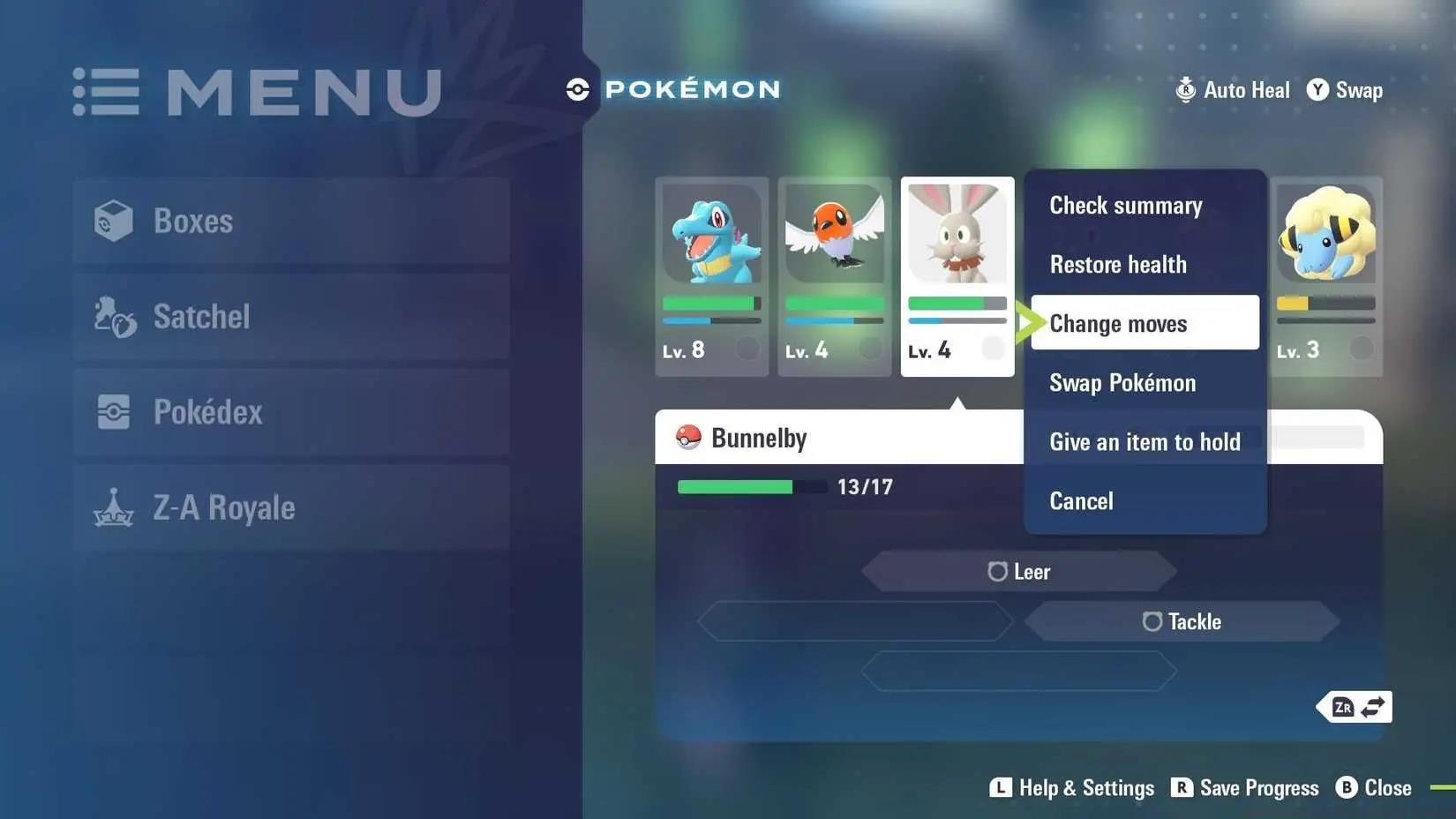
Mega Evolution returns as a foundational gameplay element rather than an optional enhancement. In Z-A, your Mega selection dictates your entire battle approach, requiring careful consideration of stat distribution, ability changes, and type alterations. This integration demands that trainers plan their Mega strategy during initial team construction rather than as an afterthought.
Begin with fundamental type coverage principles to establish a resilient team foundation. The most effective cores typically include:
Fire-Water-Grass Core: This classic triangle provides balanced offensive coverage and defensive switching options. Consider Mega Blastoise for bulk or Mega Charizard Y for sun-enhanced firepower.
Dragon-Fairy-Steel Core: Essential for competitive play, this trio handles the powerful Dragon types prevalent in Kalos while providing defensive utility against common offensive types.
Avoid over-optimizing for perfect coverage during early gameplay. Concentrate on securing 4-5 reliable Pokémon with complementary typings, then address remaining weaknesses as you encounter new species during exploration. Many trainers sabotage their progress by constantly swapping team members instead of developing core synergies.
Your Mega Evolution selection fundamentally shapes team dynamics. Consider these strategic approaches:
Offensive Mega Focus: Deploy powerhouses like Mega Charizard X or Mega Lucario as your primary sweepers, then build supporting roles around them with defensive walls, entry hazard setters, and speed control options.
Utility Mega Focus: Select versatile options like Mega Gardevoir or Mega Ampharos that deliver both offensive pressure and team support through their enhanced stats, ability changes, and movepool expansions.
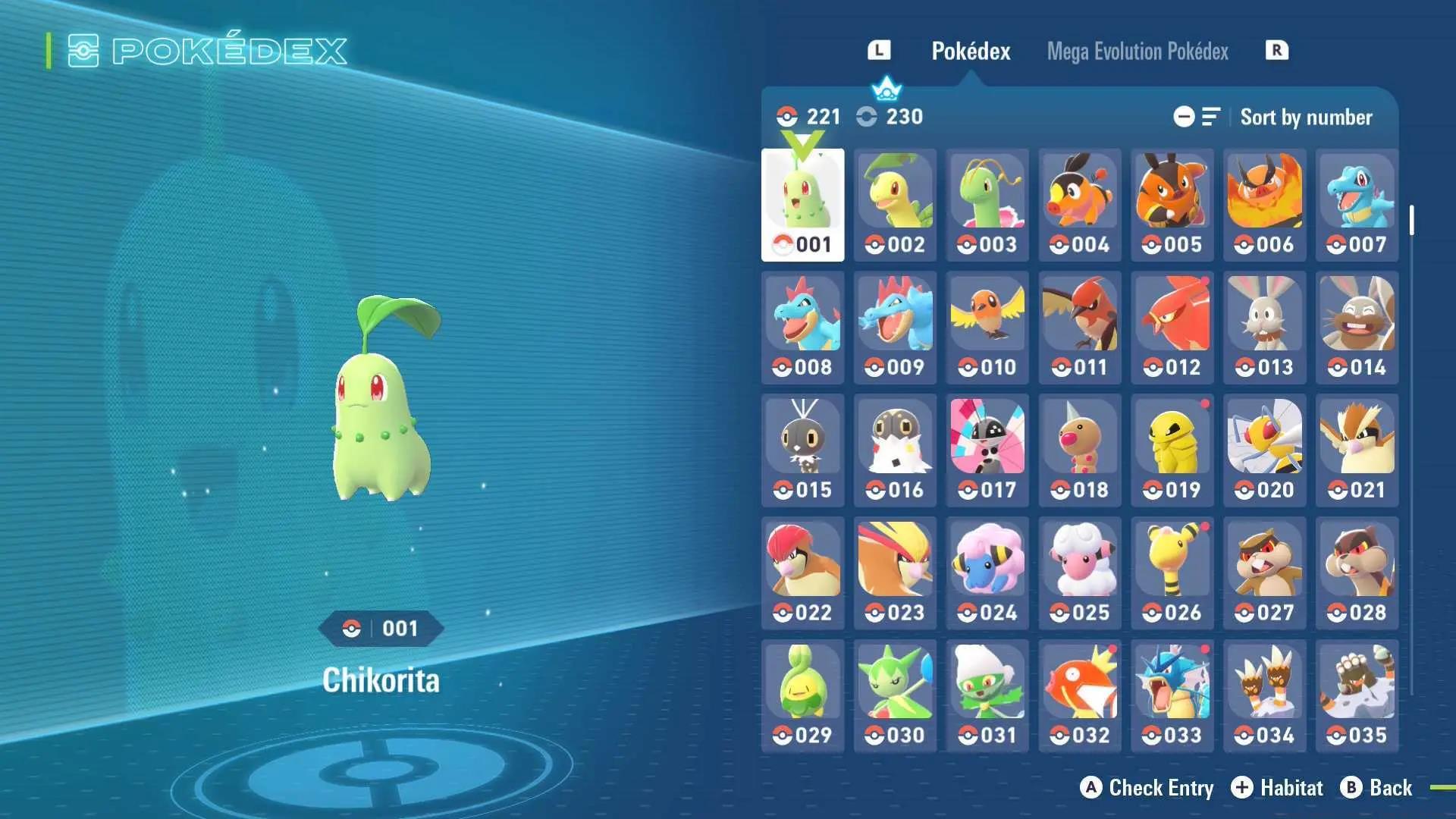
Your starter Pokémon choice creates ripple effects throughout your entire Legends Z-A journey. Each starter possesses distinct Mega Evolution paths that complement different team archetypes:
Chespin Line: Chesnaught’s Bulletproof ability and defensive typing make it ideal for stall teams. Its Mega Evolution typically enhances bulk while maintaining offensive presence.
Fennekin Line: Delphox’s Fire/Psychic typing and Magic Guard ability provide unique utility against passive damage. Mega Delphox often gains Speed or Special Attack boosts.
Froakie Line: Greninja’s Protean ability and Water/Dark typing offer unparalleled offensive flexibility. Mega Greninja frequently receives additional type coverage or stat specialization.

Consider your starter’s long-term Mega Evolution compatibility when planning team composition. Greninja pairs excellently with physical sweepers that appreciate its special attacking pressure, while Chesnaught supports special attackers with its physical bulk and setup opportunities.
Balanced Core Team: This versatile composition adapts to most in-game challenges while maintaining competitive viability:
• Mega Gardevoir (Fairy/Psychic) – Primary special attacker and Mega slot
• Garchomp (Dragon/Ground) – Physical sweeper and Electric immunity
• Rotom-Wash (Electric/Water) – Defensive pivot and status spreader
• Ferrothorn (Grass/Steel) – Entry hazard setter and physical wall
• Talonflame (Fire/Flying) – Priority attacker and revenge killer
• Dragalge (Poison/Dragon) – Special wall and Toxic spike absorber
Offensive Power Team: Designed for maximum damage output and sweep potential:
• Mega Charizard Y (Fire/Flying) – Sun setter and special nuke
• Excadrill (Ground/Steel) – Sand Force abuser under sun
• Gengar (Ghost/Poison) – Speed control and special coverage
• Azumarill (Water/Fairy) – Physical wallbreaker with Aqua Jet
• Scizor (Bug/Steel) – Priority user and physical attacker
• Noivern (Flying/Dragon) – Fast special attacker and scout
Defensive Stall Team: Focuses on residual damage and outlasting opponents:
• Mega Venusaur (Grass/Poison) – Defensive pivot with Thick Fat
• Skarmory (Steel/Flying) – Physical wall and hazard setter
• Chansey (Normal) – Special wall and cleric
• Quagsire (Water/Ground) – Unaware user against setup sweepers
• Umbreon (Dark) – Wish passer and status absorber
• Sylveon (Fairy) – Pixelate user and special attacker
Weather Teams leverage environmental conditions to gain strategic advantages. In Legends Z-A, Mega Evolutions that set weather automatically provide powerful synergy:
Sun Teams: Mega Charizard Y’s Drought ability powers up Fire-type moves while weakening Water attacks. Partner with Chlorophyll users like Venusaur for speed doubling and Solar Beam abusers for immediate grass coverage.
Rain Teams: While no Mega Evolution sets rain automatically, pairing Swift Swim users like Kingdra with manual rain setters creates powerful offensive pressure. Consider Pelipper or Politoed as dedicated rain setters.
Setup Sweepers capitalize on stat-boosting moves to overwhelm opponents. Mega Evolutions that provide setup opportunities include:
• Mega Lucario with Swords Dance and Adaptability
• Mega Scizor with Swords Dance and Technician Bullet Punch
• Mega Gyarados with Dragon Dance and Mold Breaker
Double Battle Strategies require different approaches than singles. Protect becomes essential, and spread moves gain value. Mega Evolutions like Kangaskhan with Parental Bond or Mawile with Huge Power excel in double battle formats.
Signature Pokémon often possess unique abilities or stats that enable specialized strategies. Building around these Pokémon requires understanding their specific strengths and covering their weaknesses:
Aegislash Strategies: This Ghost/Steel type alternates between defensive Stance Change and offensive forms. Pair with Pokémon that handle its Fire and Ground weaknesses, like Gyarados or Rotom-Wash. Use King’s Shield strategically to reset its defensive form.
Hidden Ability Utilization: Many Kalos Pokémon gain significant power from their hidden abilities. Protean Greninja, Gale Wings Talonflame, and Magic Guard Delphox can define entire team strategies. Ensure you have methods to obtain these abilities through gameplay mechanics.
EV Training Optimization: Proper Effort Value distribution maximizes your Pokémon’s potential. For sweepers, typically invest 252 EVs in their attacking stat and 252 in Speed. Defensive Pokémon benefit from HP investment first, then split between defenses based on their role.
Consider creating specialized EV spreads for specific threats. For example, a Garchomp might run enough Speed EVs to outpace specific threats while investing remaining EVs in HP for bulk.
Optimal Catch Locations vary throughout Kalos, with certain areas offering higher encounter rates for competitively viable Pokémon:
• Route 8: Excellent for catching Riolu (Lucario), Eevee, and Absol
• Frost Cavern: Source for Cryogonal, Sneasel, and Bergmite
• Terminus Cave: Home to Gible, Noibat, and various Steel types
• Pokémon Village: Rare encounters include Ditto and hidden ability Pokémon
EV Training Routes streamline stat optimization:
• HP: Route 10 (Whismur, Lickitung) or Pokémon Village (Audino)
• Attack: Connecting Cave (Zubat, Whismur) or Route 8 (Scraggy)
• Special Attack: Route 7 (Psyduck, Roselia) or Azure Bay (Staryu)
• Speed: Route 11 (Weepinbell, Chatot) or Route 12 (Wingull)
Move Tutor Prioritization: Focus on essential moves that enable key strategies. Priority moves like Talonflame’s Brave Bird, setup moves like Swords Dance, and coverage moves like Ice Beam should take precedence over situational options.
VGC-style Strategies dominate competitive Legends Z-A play, emphasizing double battles with restricted legendary usage. Key considerations include:
Speed Tier Management: Understanding which Pokémon outspeed others determines battle outcomes. Invest in Speed EVs to hit specific benchmarks, like ensuring your Mega Lucario outspeeds common base 100 Speed Pokémon after one Dragon Dance.
Item Optimization: Hold items provide crucial advantages. Focus Sash protects frail sweepers, Choice items maximize damage output, and Leftovers sustain defensive Pokémon. Mega Stones occupy the item slot but provide the most significant stat boosts.
Type Chart Mastery: Beyond basic super-effective damage, understand secondary effects. For example, Ground immunity to Electric makes Earthquake spammable with Flying partners, while Grass resistance to Electric enables strategic switching.
As you progress through our Complete Guide to advanced gameplay, you’ll discover that prediction and adaptation become more important than raw power alone.
Proven Combinations demonstrate how specific Pokémon pairs create powerful synergies:
Garchomp + Rotom-Wash: Rotom’s Levitate allows Garchomp to spam Earthquake freely while Rotom handles the Ice-type attacks that threaten Garchomp.
Mega Charizard Y + Venusaur: Drought-powered Solar Beams from Venusaur eliminate Water-types that threaten Charizard, while Venusaur’s Speed doubles under sun.
Ferrothorn + Jellicent: Ferrothorn sets hazards while Jellicent spins away opposing hazards and handles Fire-types with Water STAB.
Counter Strategies require anticipating common opposing teams and preparing specific answers:
• Carry a Fairy type to counter prevalent Dragon spam
• Include Rapid Spin or Defog to handle entry hazards
• Prepare status absorbers for common Will-O-Wisp or Thunder Wave users
Meta Adaptation involves adjusting your team as you encounter different opponent strategies. If you notice many opponents using similar Weapons Unlock tactics against your team, consider swapping one member to create better matchups.
Remember that effective team building extends beyond type coverage to include ability interactions, move timing, and prediction skills. As you master these elements through our Class Guide approach to Pokémon roles, your battle performance will significantly improve.
Action Checklist
- Establish core type coverage with Fire-Water-Grass or Dragon-Fairy-Steel foundation
- Select your primary Mega Evolution and build supporting roles around its strengths
- EV train your core team members using optimized routes for their roles
- Test team synergy against various opponent types and adjust composition accordingly
- Master advanced strategies like weather control, setup sweeping, and double battle tactics
No reproduction without permission:Tsp Game Club » Pokémon Legends Z-A Best Team Builds Ranked Master Pokémon Legends Z-A team building with strategic Mega Evolution synergy, type coverage optimization, and competitive battle tactics