
TL;DR
- Vince Zampella transformed FPS gaming through Medal of Honor’s cinematic realism and Call of Duty’s multiplayer revolution
- His Respawn Entertainment era introduced movement mechanics that defined Titanfall and battle royale with Apex Legends
- Zampella expanded beyond shooters with critically acclaimed Star Wars Jedi games
- Battlefield 6 became the franchise’s most successful launch under his leadership
- His core philosophy focused on respecting players’ intelligence and cutting unnecessary complexity
For dedicated gamers, understanding the architects behind our favorite experiences provides deeper appreciation for the medium. Vince Zampella stands among those rare creators who didn’t merely produce successful titles but fundamentally redefined what first-person shooters could achieve. While many developers prioritized commercial success, Zampella championed an ‘impact-first’ philosophy that placed player experience above all else. Tragically, this industry pioneer passed away at 55, leaving behind a portfolio that continues to influence game design today.
Rather than pursuing celebrity status, Zampella maintained focus on refining gameplay mechanics and creating memorable moments. This dedication spanned more than twenty years, quietly revolutionizing the shooter genre while leaving his distinctive mark on virtually every significant FPS discussion happening today.
Throughout his career, he contributed to multiple titles that transformed player perceptions of entire franchises and genres. His evident passion earned respect from studios eager to collaborate on innovative projects. While most recognize him for Call of Duty, Titanfall, or Apex Legends, his professional journey reveals far greater depth and diversity.
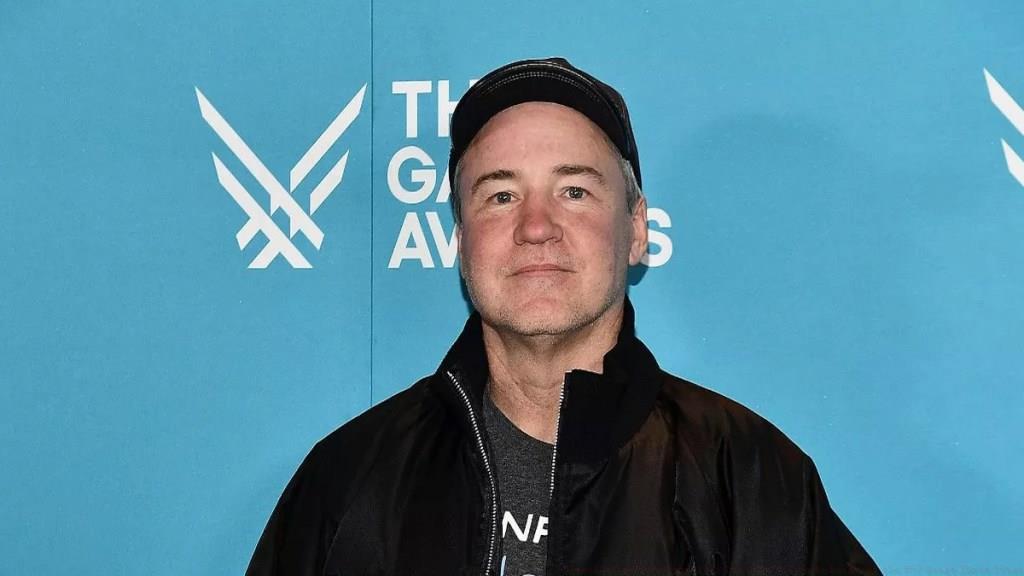
Zampella’s career transitions between development houses consistently resulted in better gaming experiences for players worldwide. While conventional wisdom questions leaving established comfort zones, Zampella seemed driven by an insatiable pursuit of innovation. Let’s explore the foundation of his remarkable legacy.
Zampella’s initial industry breakthrough arrived with Medal of Honor: Allied Assault. Serving as development director at 2015 Inc., he translated Steven Spielberg’s World War II cinematic vision into immersive, playable reality. The legendary Omaha Beach sequence transcended typical gaming set pieces—even years later, it delivers visceral thrills and chaotic intensity that few titles have matched.
This pivotal gaming moment provided players their first authentic taste of war-like FPS immersion. It demonstrated how strategic pacing, atmospheric sound design, and genuine tension could coalesce into transformative experiences. More importantly, it revealed Zampella’s foundational design principle: respect player intelligence, avoid condescension, immerse them in challenging situations, and let the gameplay communicate directly.
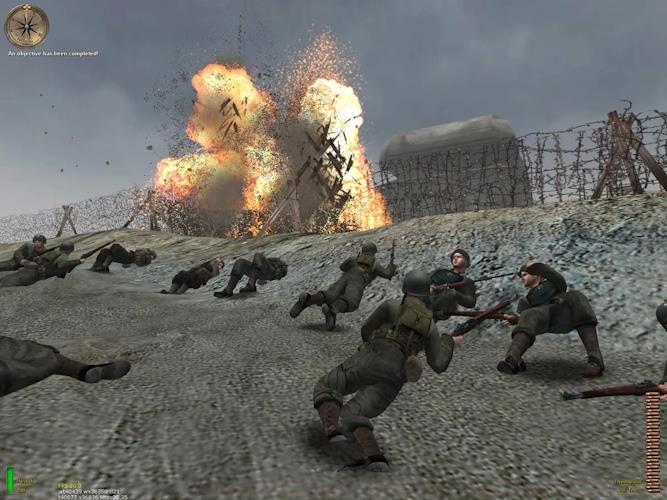
Consider the pressure: your debut major project involves collaboration with the Oscar-winning director of Saving Private Ryan. Vince Zampella embraced this challenge following the original Medal of Honor team’s departure to Activision. Retrospectively, the industry’s most significant FPS franchise was developing at their competitor’s studio.
Following his departure from EA with an established masterpiece, Zampella co-founded Infinity Ward and spearheaded Call of Duty’s launch. Their objective appeared straightforward: create superior war gaming experiences and refine the formula of World War-inspired titles. Few anticipated that a Medal of Honor competitor could emerge, let alone redefine industry standards. What followed fundamentally transformed gaming forever.
With Call of Duty, Zampella’s initial priority involved refining control responsiveness. While this addressed immediate concerns, the legendary developer possessed ambitions beyond simple problem-solving—he aimed to establish entirely new gaming paradigms. CoD introduced more compact map designs that accelerated multiplayer pacing without sacrificing tactical depth.
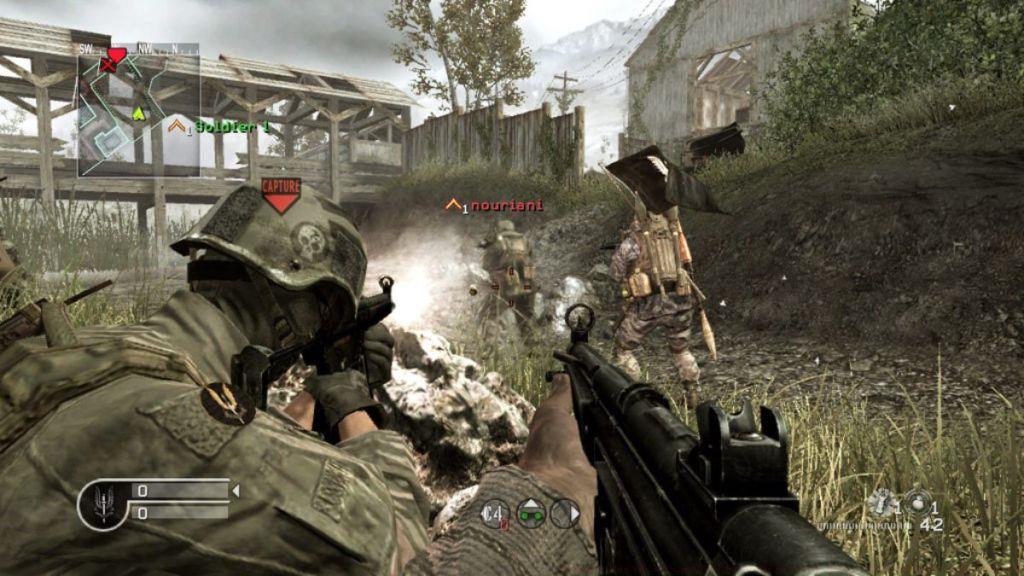
Zampella propelled shooters beyond World War II settings into contemporary conflicts. This transition represented more than simply updating visual aesthetics—it created experiences that made players genuinely believe in narratives like “50 thousand people used to live here, now it’s a ghost town.” Modern Warfare 2 transformed this formula into global phenomenon, establishing multiplayer engagement as the new standard. Prestige progression systems, killstreak rewards, and fluid weapon mechanics established compelling gameplay loops that players found irresistible. He demonstrated that shooters could simultaneously offer depth and mass appeal.
As anticipated, whenever Zampella felt he had exhausted creative possibilities within a particular game or franchise, he immediately sought new challenges. Following his highly public separation from Activision, Zampella did what came naturally—he rebuilt from scratch. This time, his role expanded beyond single-project focus as EA appointed Vince to lead Respawn Entertainment.
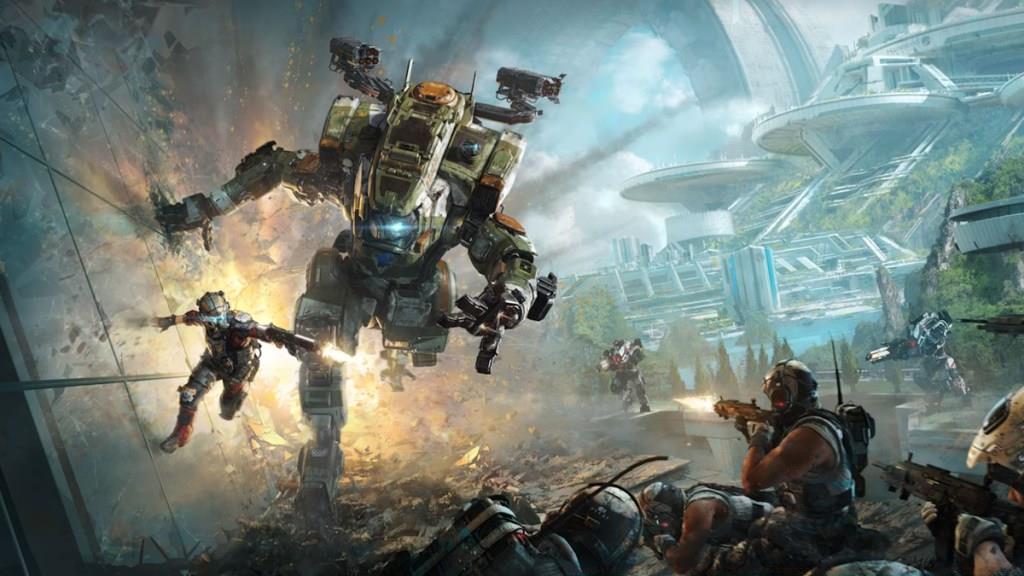
At Respawn Entertainment, he championed concepts other studios might consider excessively risky. Titanfall and its sequel transformed movement into pure exhilaration. Wall-running mechanics felt intuitive and organic rather than gimmicky. Titanfall additionally introduced mechanized combat that provided refreshing diversity following years of conventional military shooters.
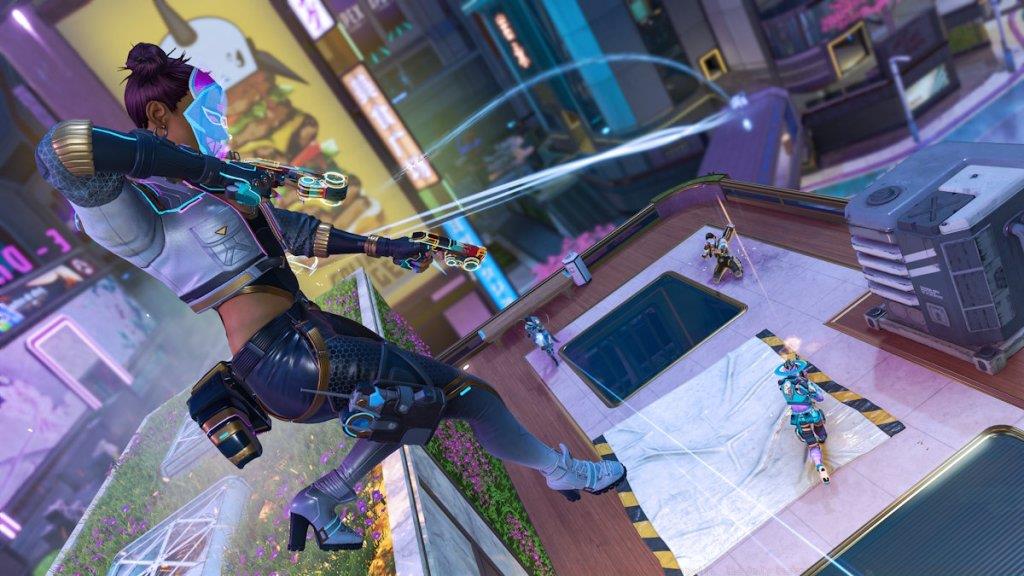
However, Zampella’s crowning achievement emerged with Apex Legends. The free-to-play launch without prior announcement succeeded because it prioritized fundamental gameplay excellence. Refined weapon handling, strategic character abilities, and meaningful team dynamics created compelling engagement. Zampella possessed rare foresight regarding player preferences before they fully materialized. With Apex Legends, Vince essentially fixed common Battle Royale genre shortcomings.
Transitioning from the worn-out aesthetics that players were growing tired of toward sci-fi environments and futuristic gameplay, Apex Legends demonstrated innovative pathways that few competitors could match. This accomplishment alone would secure lasting video gaming legacy, but the legend continued evolving.
Zampella refused to confine himself exclusively to shooter genres. Under his guidance, Respawn delivered Star Wars Jedi: Fallen Order and Star Wars Jedi: Survivor. These titles maintained faithfulness to Star Wars source material without relying solely on nostalgic appeal. Tight combat systems, navigable environments, and relatable protagonists distinguished these adventures. This direction seemed unexpected for someone renowned as modern shooter master, yet it made his Star Wars games equally compelling.
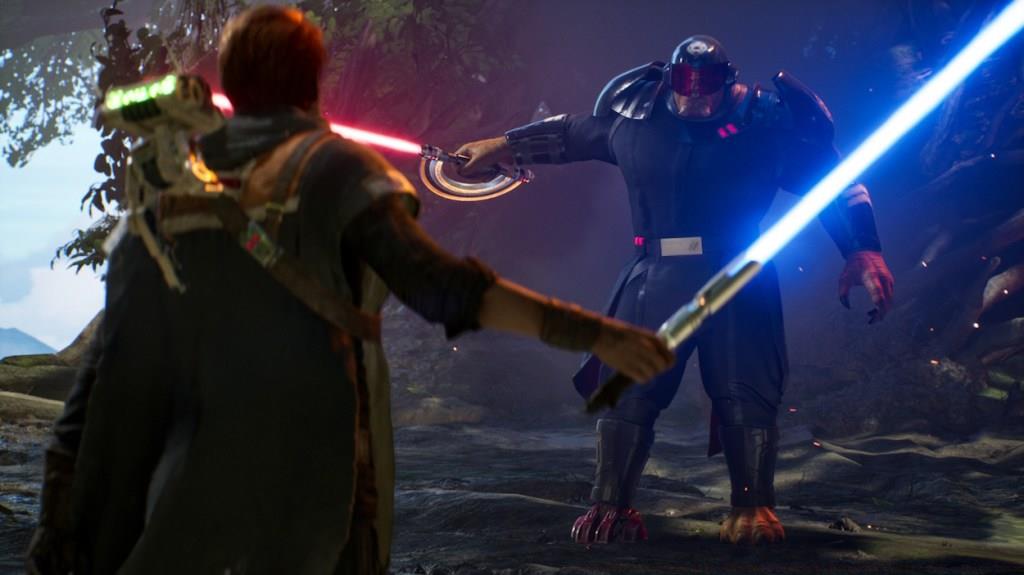
Lightsaber combat and third-person adventure gameplay experienced revitalization thanks to Zampella’s creative direction. Vince collaborated effectively, partnering with God of War III Creative Director Stig Asmussen. Clearly, Zampella prioritized experiential quality above all, enabling remarkable collaborative achievements. Then emerged one final monumental challenge: resurrecting Battlefield.
As franchise leader at EA, Zampella directed enormous development teams toward clarity and purpose. Battlefield 6 succeeded because it reconnected with core elements that fans cherished: massive scale, cooperative teamwork, and distinct identity. The outcomes remain evident to all observers. Vince recognized that Black Ops 7 represented direct competition, and while most shooter titles might avoid confronting Call of Duty directly, that wasn’t the approach for someone of Zampella’s caliber.
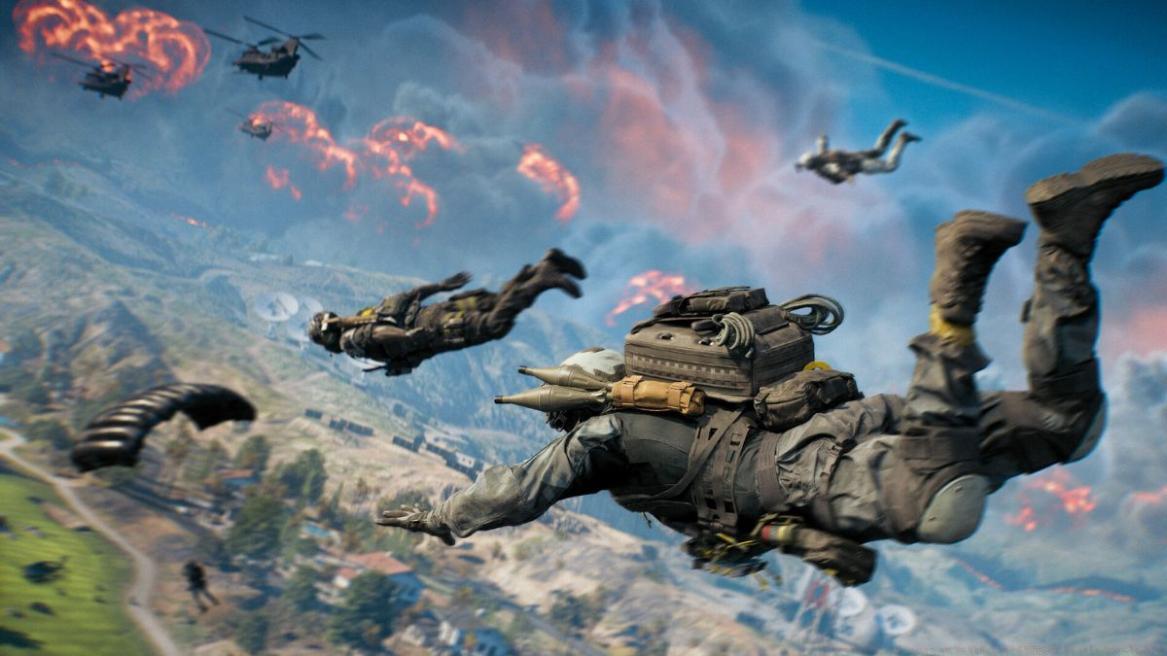
Initially, Battlefield 6 sold over seven million copies within seventy-two hours, establishing the most successful launch in franchise history. The game not only surpassed Call of Duty commercially, but Battlefield 6 also achieved unprecedented concurrent user counts that remain impressive today.
Vince Zampella’s enduring influence extends beyond individual titles—it represents consistent methodology. Identify core essentials, eliminate distractions, trust players to engage meaningfully. This mindset influenced Medal of Honor, Call of Duty, Titanfall, Apex, Star Wars, and Battlefield. He consistently revitalized games, franchises, and genres that many gamers had abandoned hope for. Certainly, other creators contributed to these projects over time, but the visionary guiding all endeavors remained singular—Vince Zampella.
His loss resonates profoundly because his creative work felt perpetually evolving. The industry will continue drawing inspiration from his innovations for generations. Few individuals have transformed gaming this frequently, this subtly, or this masterfully.
Action Checklist
- Study movement mechanics in Titanfall 2 to understand fluid navigation design
- Analyze Battlefield 6’s Conquest mode for large-scale battle strategies
- Practice weapon control responsiveness as demonstrated in Call of Duty 4
- Review Apex Legends team composition strategies for squad-based tactics
- Complete NATO Assignments in BF6 to unlock specialized equipment
No reproduction without permission:Tsp Game Club » Remembering Vince Zampella: The Only Person to Reinvent the FPS Genre Three Times Vince Zampella's revolutionary FPS legacy: From Medal of Honor to Battlefield 6 mastery