
Complete guide to Revenge of the Savage Planet system requirements, release details, and performance optimization tips
Game Overview and Release Information
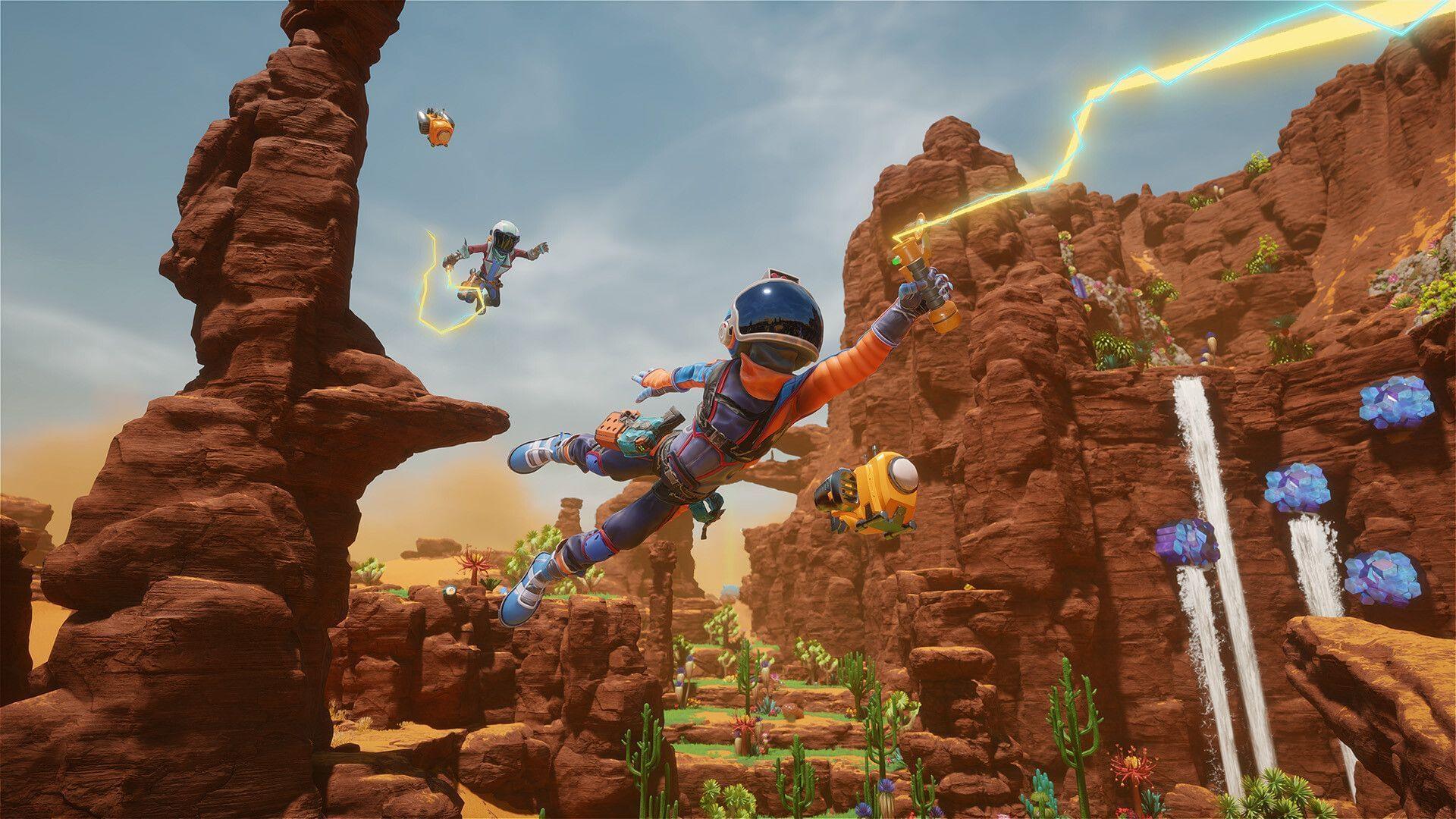
Raccoon Logic Studios Inc brings players an immersive sci-fi adventure experience with Revenge of the Savage Planet, scheduled for worldwide availability on May 8, 2025. This highly anticipated title represents a significant evolution in space exploration games, building upon the studio’s reputation for creating engaging narrative-driven experiences. The development team includes veterans from major gaming studios, ensuring polished gameplay mechanics and compelling storytelling.
Cross-platform compatibility ensures broad accessibility, with support spanning both previous and current console generations alongside PC. Gamers can enjoy the adventure on PlayStation 4, PlayStation 5, Xbox One, Xbox Series X/S, and Windows PC. This multi-platform approach allows friends to play together regardless of their preferred gaming system, though cross-platform multiplayer features have not been officially confirmed.
Minimum System Requirements Analysis
For PC gamers seeking the baseline experience, these specifications ensure smooth performance at 1080p resolution with medium graphics settings. Meeting these requirements guarantees playable frame rates while maintaining visual quality.
- Operating System: Windows 10 64-bit – Ensure you have the latest updates and directX versions installed
- Processor: Intel Core i5-8400 or AMD Ryzen 5 1600 – These CPUs provide sufficient multi-core performance for physics calculations and AI processing
- Graphics: NVIDIA GeForce GTX 1060 or AMD Radeon RX 580 with 6GB VRAM – Adequate for handling texture streaming and shadow rendering
- Storage: 20 GB available space – SSDs recommended for faster loading times and asset streaming
- Additional: 64-bit processor and operating system mandatory – 32-bit systems cannot run the game
Performance Insight: The GTX 1060 and RX 580 represent the sweet spot for 1080p gaming, capable of maintaining 45-60 FPS on medium settings. Players should ensure their graphics drivers are updated to the latest stable version for optimal compatibility.
Recommended System Requirements
For enthusiasts seeking superior visual fidelity and higher frame rates, these specifications enable 1440p gaming at high-to-ultra settings. The enhanced hardware provides headroom for future content updates and modding capabilities.
- Operating System: Windows 10 64-bit – Latest feature updates recommended for security and performance
- Processor: Intel Core i7-9700 or AMD Ryzen 5 5500 – Additional cores improve background task handling and multitasking
- Graphics: NVIDIA GeForce RTX 2060, AMD Radeon RX 5700 XT, or INTEL Arc A750 – These cards support advanced features like ray tracing and DLSS where implemented
- Storage: 20 GB available space – NVMe SSDs provide fastest load times and asset streaming
- Additional: 64-bit processor and operating system required – Enables access to larger memory pools and advanced instructions
Advanced Features: The recommended GPUs support modern rendering techniques that may be implemented in future updates. The RTX 2060’s tensor cores enable DLSS for performance boosting, while the RX 5700 XT offers excellent value for high-resolution gaming.
Performance Optimization Tips
Maximizing performance requires both hardware preparation and software configuration. These practical strategies help achieve the best possible gaming experience regardless of your system specifications.
Graphics Settings Optimization: Begin by adjusting shadow quality and anti-aliasing settings, as these typically have the highest performance impact. Consider using FXAA or TAA instead of MSAA for better performance. Texture quality can often be set to high without significant performance cost if you have sufficient VRAM.
Common Performance Pitfalls: Avoid running background applications like web browsers with multiple tabs, as these can consume valuable RAM and CPU cycles. Ensure your system is not thermal throttling by monitoring temperatures during gameplay. Outdated graphics drivers represent the most common performance issue – always update to game-ready drivers before launch.
Advanced Tuning Strategies: For NVIDIA users, experiment with DLSS settings if available. AMD users should enable Radeon Image Sharpening for better clarity at lower resolutions. Consider overclocking your GPU moderately if temperatures allow, but ensure system stability through stress testing. Disable Windows game mode if experiencing stuttering, as it sometimes conflicts with game optimization.
Also read: Revenge of the Savage Planet pre-order guide: Editions, pre-order bonuses, platforms, and more
Check out our other gaming articles here:
- “Nintendo still releasing more lawsuits than games”: Nintendo earns gamers’ support amidst lawsuit against third-party Switch 2 accessory maker
- Krafton’s Anuj Sahani and Sojourn Past developer Pekrukhrietuo reveal “the key to making a good game” (Exclusive)
- Oblivion Remastered walkthrough: How to complete the Accidents Happen quest (The Dark Brotherhood task)
No reproduction without permission:Tsp Game Club » Revenge of the Savage Planet: Release date, platforms, and system requirements Complete guide to Revenge of the Savage Planet system requirements, release details, and performance optimization tips