
Analysis of RUST vs Delta Force asset dispute and practical guidance for content creators on intellectual property protection
The Asset Dispute Timeline
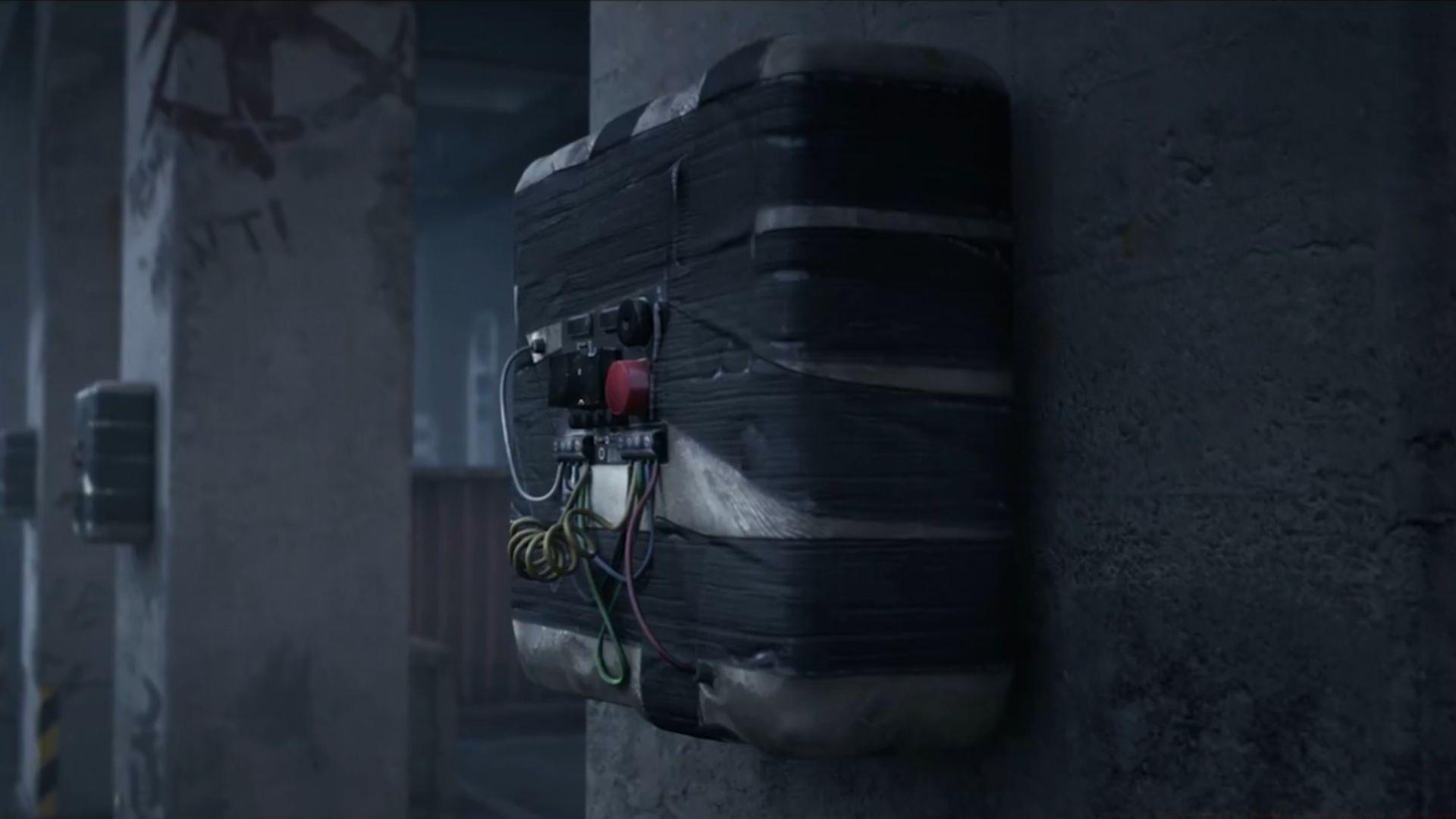
RUST’s Chief Operating Officer, Alistair McFarlane, launched a public accusation against Delta Force concerning what he described as unauthorized utilization of proprietary game assets in their November 18, 2025 cinematic release. The controversy ignited when McFarlane utilized X’s platform to directly confront the official Delta Force account, rapidly capturing the gaming community’s attention. Follow-up communications from the executive included what he characterized as conclusive evidence supporting the asset appropriation claims.
McFarlane reinforced his position by sharing comparative imagery showcasing the original RUST asset crafted by their lead weapon and prop specialist, @ArtOfPilgrim. The visual parallels between the disputed elements were immediately apparent to observers, lending credibility to the allegations among both enthusiast communities and Delta Force’s development team members.
Analyzing the Alleged Asset Similarities
The heart of this controversy lies in the undeniable visual parallels between the creative works. @ArtOfPilgrim’s original design for RUST demonstrates meticulous attention to detail in weapon modeling, texturing, and artistic signature elements that appear to have been replicated in Delta Force’s cinematic presentation. Industry professionals examining both assets noted distinctive design patterns, silhouette characteristics, and material treatment that suggest more than coincidental similarity.
For game developers and content creators, this situation underscores the critical importance of maintaining comprehensive development documentation. Practical strategy: Always timestamp your creative process with version control systems and maintain detailed asset creation logs. Common mistake: Failing to properly document iterative design changes can weaken intellectual property claims during disputes.
The gaming community’s response has been divided, with some advocating for stronger industry protections while others question the uniqueness of the allegedly copied elements. This incident highlights the fine line between inspiration and appropriation in game asset creation.
Developer Response and Ongoing Situation
On November 18, 2025, McFarlane returned to X to inform followers that Delta Force’s development team had extended a private apology regarding the contested assets. His social media update clarified the situation while maintaining the seriousness of the original allegations.
Despite this private acknowledgment, McFarlane’s initial demand for complete asset removal remains unfulfilled. Optimization tip: When facing similar situations, establish clear remediation timelines and public accountability measures. The promotional content for Delta Force’s newest season continues to be accessible on their official X profile, and the development group has abstained from making any formal public statements addressing the controversy as of this reporting.
This disconnect between private resolution and public positioning raises questions about how gaming companies handle intellectual property disputes internally versus their external communications strategies.
Protecting Creative Assets: Practical Strategies
This incident serves as a crucial case study for game developers and content creators navigating intellectual property protection. Essential documentation practices include maintaining detailed creation timestamps, preserving intermediate design versions, and establishing clear chain of authorship. Advanced protection strategy: Implement blockchain-based timestamping for irrefutable creation date verification.
Legal professionals specializing in gaming intellectual property recommend registering key assets with appropriate copyright offices and maintaining thorough development journals. Common pitfall: Assuming that informal documentation will suffice in legal disputes. Always consult with intellectual property attorneys before public accusations to ensure proper legal standing.
The gaming industry continues to evolve its standards for asset protection, with many studios now implementing sophisticated digital rights management systems and conducting regular internal audits to prevent both intentional and accidental infringement.
Read more gaming-related articles from Sportskeeda:
- Battlefield 6 multiplayer review: The modern warfare we actually need right now
- Does ARC Raiders have FPS mode?
- “Will boot stomp CoD this year”: Former Blizzard president praises Battlefield 6
- Battlefield 6 vs Black Ops 7: Which AAA FPS you should be most excited for?
- Warzone and Black Ops 7 Season 1: Everything we know
- How to complete free Jugger Nog easter egg in Black Ops 7 Zombies
- All missions in Black Ops 7 campaign and how to unlock Endgame
- Rust patch notes (November 6, 2025)
No reproduction without permission:Tsp Game Club » RUST COO calls out Delta Force for allegedly stealing an in-game asset Analysis of RUST vs Delta Force asset dispute and practical guidance for content creators on intellectual property protection