
TL;DR
- Silent Hill f features dual-world weapon systems with Fog Town durability mechanics and Dark Shrine infinite-use weapons
- Early game success depends on Kaiken mastery and strategic avoidance of unnecessary combat encounters
- Mid-game progression requires balancing attack speed, damage output, and resource conservation tactics
- Advanced techniques include environmental exploitation and enemy pattern recognition for optimal efficiency
- Weapon maintenance and Tool Kit management are critical for surviving extended exploration sequences
Mastering Silent Hill f’s arsenal requires understanding its unique dual-world combat mechanics that separate this survival horror experience from traditional entries. The game presents distinct weapon categories for Fog Town exploration and Dark Shrine encounters, each with specialized properties affecting your survival chances.
Navigating Ebisugaoka’s terror-filled streets demands more than reflexive combat skills—it requires strategic weapon selection based on environmental factors and resource limitations. Your choices directly impact survival probability, with improper loadouts leading to catastrophic resource depletion or combat inefficiency against the town’s supernatural threats.
Effective weapon assessment extends beyond basic damage statistics to include swing speed, durability consumption, and situational applicability. Critical analysis reveals that Fog Town implements a degradation system where weapons deteriorate with use, necessitating precious Tool Kits for restoration. Conversely, Dark Shrine armaments maintain infinite durability but remain restricted to that supernatural dimension exclusively.
This creates compelling strategic depth where players must balance immediate combat effectiveness against long-term resource preservation. Understanding when to engage versus evade becomes as crucial as mastering attack patterns, particularly since most adversaries don’t respawn after elimination.
Strategic evasion preserves weapon integrity significantly. Since most hostile entities remain permanently defeated after initial encounters, tactical avoidance conserves durability for mandatory confrontations and boss engagements.

Your initial hours in Silent Hill f establish critical combat foundations that determine long-term survival probability. The Kaiken dagger emerges as your primary Dark Shrine weapon, offering balanced offensive capabilities without durability concerns within that realm.
This versatile blade provides exceptional attack velocity for rapid combo execution while dealing respectable damage output. Its accessibility immediately upon Dark Shrine entry makes it ideal for practicing enemy pattern recognition and timing fundamentals without resource management pressure.
- Accelerated swing speed enables quick successive strikes
- Zero durability degradation within Dark Shrine environments
- Excellent training tool for mastering combat rhythm
- Immediate availability upon dimensional transition
Fog Town introductions typically provide basic implements like pipes or wooden planks with limited durability but adequate stopping power against initial threats. Conservation mentality proves vital during these segments, as Tool Kits remain scarce commodities early in your journey.
Advanced players recommend identifying enemy patrol routes to minimize unnecessary engagements, preserving weapon integrity for mandatory confrontations. This evasion strategy becomes particularly valuable when navigating areas with dense enemy populations or limited resource availability.
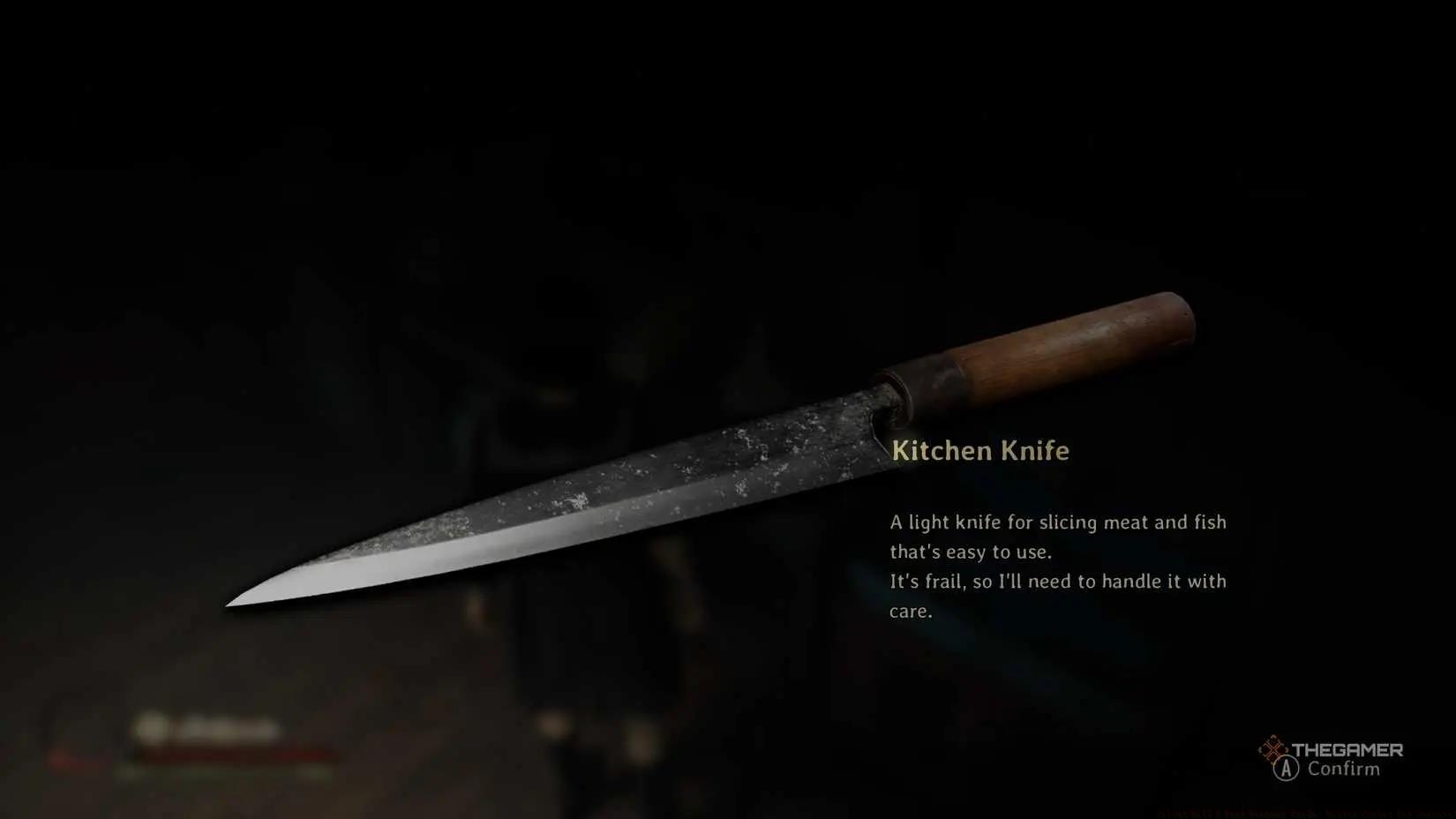
As you progress deeper into Silent Hill f’s nightmare, weapon selection evolves toward balancing raw destructive capability with practical usability. Mid-game introduces implements with enhanced damage profiles but frequently at the cost of swing speed or durability consumption rates.
The combat axe represents a significant power spike for Fog Town exploration, delivering substantial per-hit damage that can eliminate standard threats in fewer strikes. However, its slower animation recovery leaves players vulnerable during extended combo sequences, requiring precise timing and positioning.
Dark Shrine progression typically unlocks the Talwar sword, maintaining the Kaiken’s unlimited durability while significantly improving damage output. This weapon serves as an excellent transition toward endgame armaments, offering balanced statistics that accommodate various combat approaches without specialized skill requirements.
Strategic considerations during this phase include area-specific loadout optimization. Certain environments favor rapid-attack weapons for dealing with swarming enemies, while confined spaces benefit from high-damage single strikes that minimize exposure time. Understanding these contextual advantages dramatically improves combat efficiency.
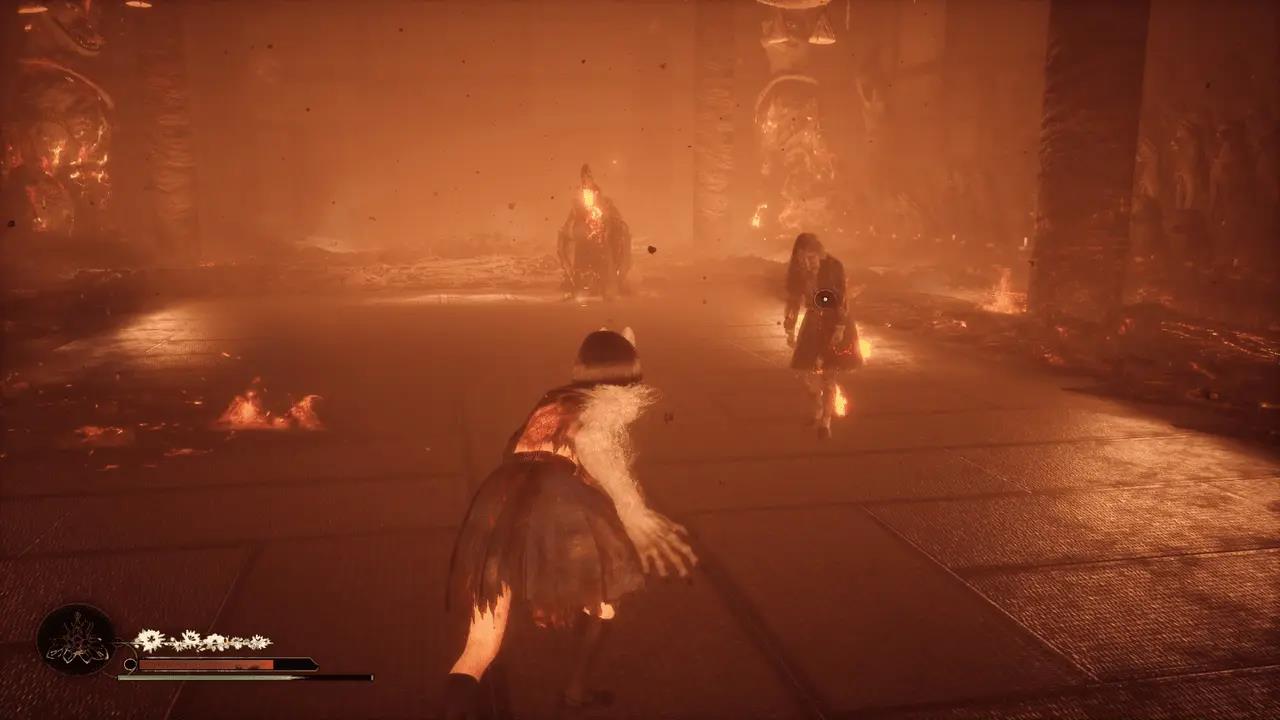
Late-game Silent Hill f weaponry focuses on maximum threat elimination through superior damage output and specialized capabilities. The Great Knife emerges as a Dark Shrine powerhouse, delivering catastrophic damage per strike while maintaining reasonable swing speed for its class.
Fog Town endgame options include the Fire Axe, featuring exceptional damage against all enemy types but consuming durability rapidly with each swing. This necessitates careful engagement selection and strategic Tool Kit allocation to maintain combat readiness during critical sequences.
Boss confrontation strategies benefit significantly from understanding attack pattern vulnerabilities and weapon reach advantages. Certain boss encounters feature specific weak points that respond better to rapid-attack weapons, while others require single-strike power to break defenses efficiently.
Resource management becomes increasingly crucial during endgame segments, as Tool Kit distribution directly impacts your ability to confront final challenges. Experienced players recommend maintaining at least two fully repaired primary weapons before initiating boss sequences to accommodate potential durability depletion during extended battles.
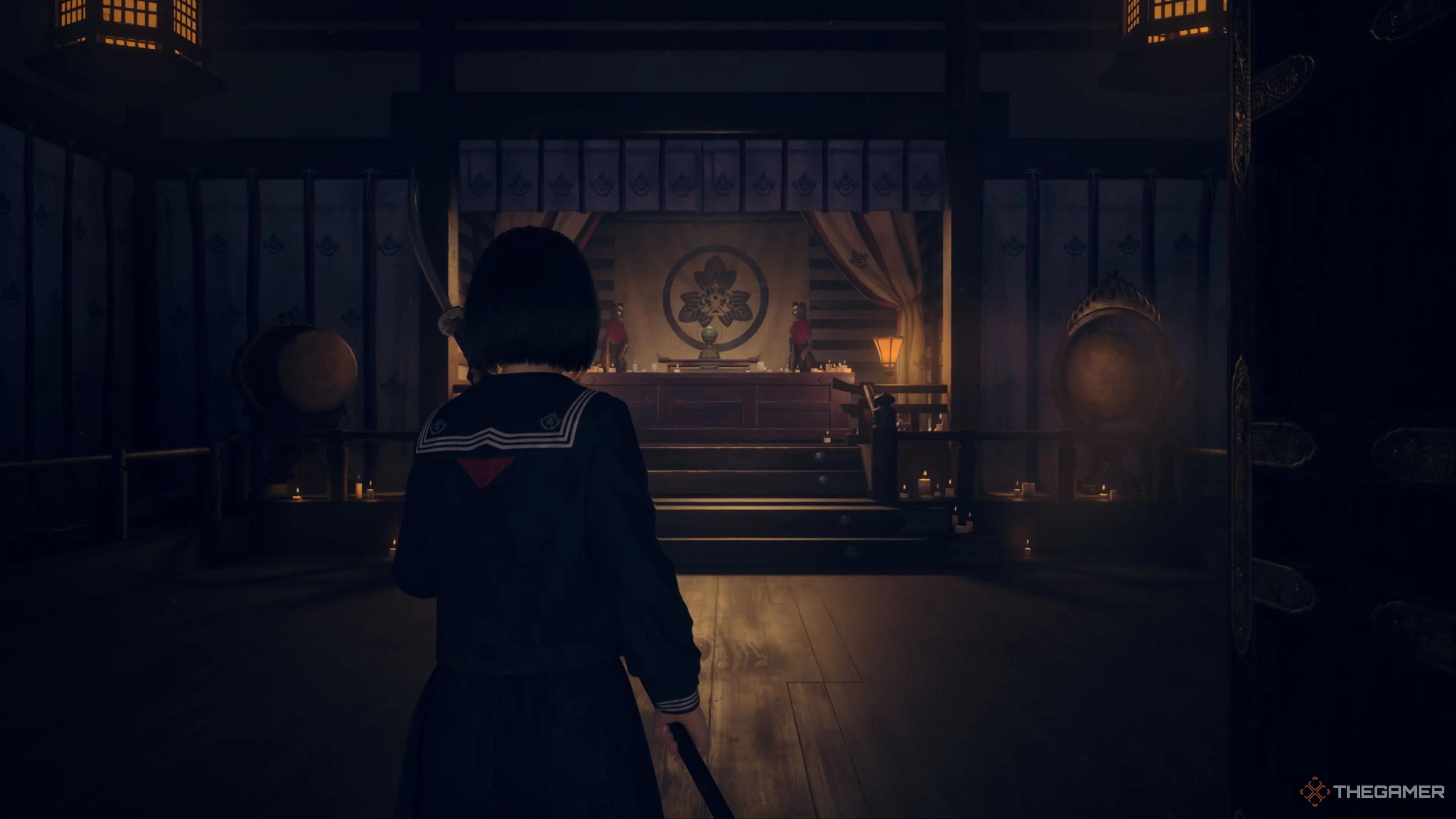
Silent Hill f’s New Game+ mode introduces the game-changing PP-8001 firearm, fundamentally altering combat dynamics for subsequent playthroughs. This unique weapon provides ranged engagement capabilities previously unavailable, allowing strategic distance management against certain enemy types.
The PP-8001 operates with limited ammunition that must be conserved strategically throughout your journey. Its implementation creates new tactical considerations where players must evaluate when ranged superiority outweighs melee efficiency, particularly in scenarios with multiple hostile entities.
Advanced players utilizing this weapon develop ammunition conservation techniques that maximize its impact during critical encounters. These strategies include using melee weapons for standard enemies while reserving firearm usage for specific high-threat situations or puzzle-solving sequences requiring precision targeting.
Challenge run considerations with the PP-8001 involve balancing its revolutionary capabilities against traditional survival horror resource management principles. While offering unprecedented combat flexibility, its limited ammunition supply maintains the series’ characteristic tension between empowerment and vulnerability.
New Game+ also typically introduces enhanced enemy configurations and modified item placements, requiring adjusted strategies even with superior weaponry. This ensures continued challenge despite your expanded arsenal and previous game knowledge.
Mastering Silent Hill f’s combat system requires going beyond basic weapon statistics to incorporate environmental exploitation and pattern recognition. Advanced players utilize terrain features to create advantageous engagement scenarios, such as funneling enemies through narrow passages for efficient group elimination.
Enemy attack pattern analysis reveals specific vulnerability windows that skilled players can exploit for maximum damage output. Most adversaries feature recovery animations after missed attacks that create perfect opportunities for counter-strikes without retaliation risk.
Combo chaining represents another advanced technique where players sequence attacks to maintain enemy stagger states while minimizing personal exposure. This involves alternating between quick, low-damage strikes and powerful finishing moves based on enemy positioning and aggression patterns.
Environmental weapon usage provides additional combat options beyond your inventory. Certain objects within environments can be utilized as impromptu weapons, though these typically feature extremely limited durability compared to dedicated armaments.
Positioning fundamentals include maintaining optimal distance for your weapon’s effective range while ensuring retreat paths remain available. This spatial awareness proves particularly valuable when confronting multiple enemies simultaneously or navigating unfamiliar areas.
Silent Hill f’s durability mechanics introduce strategic depth through weapon degradation and repair systems. Fog Town implements gradual weapon deterioration with each successful strike, creating constant tension between combat effectiveness and resource preservation.
Tool Kits serve as the primary repair mechanism, appearing as scarce resources throughout the environment. Their limited availability necessitates careful allocation decisions, prioritizing high-value weapons over temporary implements whenever possible.
Advanced maintenance strategies involve rotating multiple weapons to distribute durability consumption evenly across your arsenal. This approach extends overall combat readiness while minimizing individual weapon repair frequency.
Repair priority systems help optimize Tool Kit usage by categorizing weapons based on combat value and replacement difficulty. High-damage endgame weapons typically receive repair priority over easily replaceable standard implements, though situational factors may alter these decisions.
Durability warning indicators provide visual and auditory cues when weapons approach critical failure states. Recognizing these signals allows proactive weapon switching before catastrophic breakage occurs during crucial combat sequences.
Dark Shrine weapons require no maintenance considerations, making them ideal for practice sessions and pattern recognition training without resource expenditure concerns.
Silent Hill f’s difficulty settings significantly impact weapon selection strategies and combat approach effectiveness. Normal difficulty provides more lenient durability consumption and greater Tool Kit availability, allowing broader experimentation with various weapon types.
Hard difficulty implementations feature accelerated weapon degradation and reduced resource frequency, necessitating more conservative combat approaches. This often favors weapons with higher durability thresholds or those available through predictable spawn locations.
Adaptive strategies become essential on higher difficulties, where fixed loadouts prove insufficient for varied encounter types. Players must develop flexibility in weapon usage, switching between implements based on immediate threat assessment and resource availability.
Risk management principles guide weapon selection on challenging difficulty settings, where single poor decisions can result in catastrophic resource depletion. This involves carefully evaluating engagement necessity and retreat viability before committing to combat scenarios.
Enemy behavior modifications on higher difficulties often include enhanced aggression and altered attack patterns, requiring adjusted weapon timing and positioning strategies. These changes may favor certain weapon types over others based on their specific combat properties.
For those struggling with specific difficulty levels, our Weapons Unlock guide provides additional strategic insights that can be adapted to Silent Hill f’s combat systems.
Action Checklist
- Master Kaiken basic combos in Dark Shrine for fundamental timing practice
- Develop enemy pattern recognition for 3 common enemy types to identify vulnerability windows
- Create weapon rotation system to distribute durability consumption across multiple implements
- Practice environmental exploitation techniques using narrow passages and obstacles
- Optimize Tool Kit allocation strategy prioritizing endgame weapons over temporary options
No reproduction without permission:Tsp Game Club » Silent Hill f Best Weapons Guide: Master Combat for Survival Master Silent Hill f's dual-world weapon system with strategic combat techniques and resource management tips