
Complete PC system requirements for Silent Hill F with performance optimization tips and hardware recommendations
Introduction to Silent Hill F PC Release
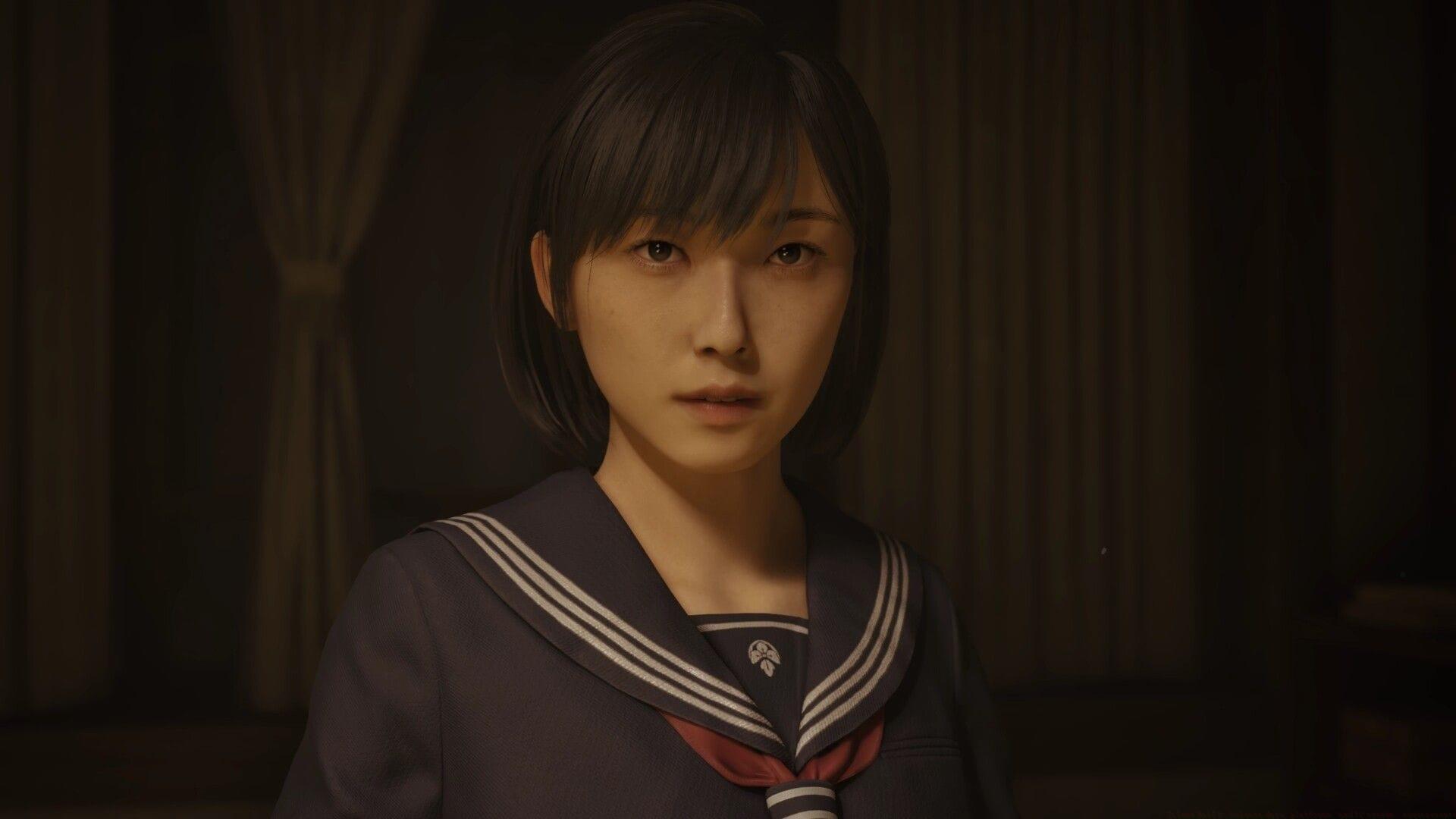
Konami officially unveiled Silent Hill F during the Sony State of Play 2025 event, confirming a worldwide launch scheduled for September 25, 2025. This highly anticipated installment in the legendary Silent Hill franchise marks a significant evolution for the series, bringing terrifying psychological horror to modern gaming platforms. Players can access the game on next-generation consoles including PlayStation 5 and Xbox Series X/S, along with a comprehensive PC version. Notably, the title will not be compatible with Nintendo Switch 2, focusing instead on delivering cutting-edge graphical performance.
As PC gaming continues to grow in popularity, understanding the technical specifications becomes crucial for optimal gameplay. This guide provides detailed analysis of the system requirements along with practical optimization strategies to ensure you’re fully prepared for the haunting experience that awaits in Silent Hill F.
Minimum System Requirements Analysis
Essential System Specifications for Basic Gameplay:
- Requires a 64-bit processor and operating system – This is non-negotiable for modern gaming titles
- Processor: Intel Core i5-8400 / AMD Ryzen 5 2600 – These mid-range CPUs provide adequate processing power for core game mechanics
- Graphics: NVIDIA® GeForce® GTX 1070 Ti or AMD Radeon™ RX 5700 – These GPUs deliver the necessary graphical horsepower for 720p gaming
- Storage: 50 GB available space – Consider allocating additional space for future updates and patches
- Sound Card: Windows Compatible Audio Device – Essential for the atmospheric audio design that defines Silent Hill
- Additional Notes: Meeting minimum specifications enables gameplay at Performance quality settings targeting 30 FPS at 720p resolution. Solid-state drive storage is strongly recommended to reduce loading times and improve asset streaming.
Performance Expectations: At minimum settings, expect stable 30 FPS gameplay at 720p resolution. The Performance quality setting prioritizes frame rate stability over visual fidelity, ensuring playable experience even on older hardware. Consider upgrading your storage to SSD if still using traditional hard drives, as this significantly impacts loading times and texture streaming efficiency.
Recommended System Requirements Breakdown
Optimal Hardware Configuration for Enhanced Experience:
- Requires a 64-bit processor and operating system – Standard for current-generation gaming
- Processor: Intel Core i7-9700 / AMD Ryzen 5 5500 – These processors handle advanced physics and AI computations efficiently
- Graphics: NVIDIA® GeForce® RTX 2080 or AMD Radeon™ RX 6800XT – High-end GPUs capable of ray tracing and advanced effects
- Storage: 50 GB available space – SSD storage is mandatory for optimal performance
- Sound Card: Windows Compatible Audio Device – Critical for immersive audio experience
- Additional Notes: Recommended specifications enable gameplay at Performance settings achieving 60 FPS or Quality settings at 30 FPS in Full HD resolution. For 4K gaming, utilize DLSS or similar upscaling technologies to maintain performance while enhancing visual quality.
Advanced Features Support: The recommended hardware unlocks the full potential of Silent Hill F’s graphical capabilities, including potential ray tracing implementation, higher resolution textures, and advanced lighting effects. The RTX 2080 and RX 6800XT both support modern upscaling technologies that can dramatically improve performance at higher resolutions without significant visual compromise.
Performance Optimization Strategies
Maximizing Your Gaming Experience: Beyond meeting the basic requirements, several optimization strategies can significantly enhance your Silent Hill F experience. Understanding how to configure your system and game settings can mean the difference between a choppy slideshow and smooth, terrifying immersion.
SSD Advantages: The requirement for SSD storage isn’t arbitrary. Silent Hill F likely utilizes streaming asset technology common in modern games, where textures and environments load dynamically as you explore. Traditional hard drives often struggle with this workload, causing texture pop-in, extended loading screens, and potential stuttering during gameplay. Investing in even a budget SATA SSD can provide substantial improvements over HDD storage.
Graphics Settings Optimization: If your hardware falls between minimum and recommended specifications, consider these adjustments: reduce shadow quality first, as this often provides significant performance gains with minimal visual impact. Lower anti-aliasing settings or use temporal upscaling alternatives. Adjust volumetric fog and particle effects, which are typically performance-intensive in horror games. Monitor your VRAM usage to ensure you’re not exceeding your graphics card’s capacity, which can cause severe stuttering.
Hardware Upgrade Recommendations
Strategic Upgrade Paths for Various Budgets: If your current system doesn’t meet these requirements, consider these upgrade options based on different budget levels. Prioritize components that will provide the most significant performance improvements for your investment.
Budget-Friendly Options ($200-400): Focus on used market components like GTX 1080 Ti or RX 5700 XT graphics cards, which offer excellent performance per dollar. Pair with a affordable SATA SSD if you’re still using mechanical storage. These upgrades can transform a borderline system into one that comfortably meets minimum requirements.
Mid-Range Solutions ($500-800): Consider current-generation mid-range GPUs like RTX 3060 or RX 6600 XT combined with a NVMe SSD for faster load times. These cards provide substantial performance over minimum requirements while remaining cost-effective. Ensure your power supply can handle the increased power demands of newer components.
Premium Builds ($900+): For enthusiasts wanting the best experience, target RTX 4070 or RX 7800 XT graphics cards with a modern CPU like Ryzen 5 7600X or Core i5-13600K. This configuration will not only handle Silent Hill F effortlessly but also provide headroom for future gaming titles and higher resolution displays.
No reproduction without permission:Tsp Game Club » Silent Hill F: Release date, platforms, and PC system requirements Complete PC system requirements for Silent Hill F with performance optimization tips and hardware recommendations