
TL;DR
- Master counterattacks by waiting for visual cues rather than button mashing
- Perfect dodges restore stamina and trigger slow motion during enemy attacks
- Study enemy patterns and attack telegraphs for effective combat timing
- Conserve resources by avoiding unnecessary combat encounters
- Explore thoroughly to uncover hidden items and puzzle solutions
Navigate the terrifying streets of Ebisugaoka with confidence by mastering Silent Hill f’s refined combat system. Unlike traditional survival horror games that emphasize evasion, this installment challenges players to engage strategically with the nightmarish inhabitants of 1960s Japan.
Entering the mist-covered alleyways of Ebisugaoka immerses you in a waking nightmare scenario. As Hinako Shimizu, you’ll confront unimaginable horrors that demand both mental fortitude and physical precision. The game shifts from pure psychological dread to incorporating substantial melee combat, creating a distinctive survival dynamic requiring tactical thinking and rapid response capabilities.
Regardless of your experience with the Silent Hill series, comprehending these fundamental systems determines whether you’ll survive the town’s curse or join its countless victims.
Combat effectiveness in Silent Hill f depends entirely on timing precision rather than aggressive inputs. When adversaries emit distinctive colored signals, you have a narrow opportunity to activate R2 (PlayStation) or RT (Xbox) for a powerful counterstrike. This approach disrupts most opponents and inflicts significant harm, frequently dispatching lesser threats within minimal engagements.
Silent Hill f Counterattacks
Counterattack proficiency develops through meticulous observation of adversary behaviors. Each creature classification possesses unique assault indicators – monitor subtle physical cues including shoulder alignment or weapon elevation that precede offensive movements. Train extensively against introductory mannequin opponents during early gameplay segments to develop instinctive timing responses.
Avoid repeatedly tapping the counter command. Observe the visual signal carefully, then execute with decisive timing. Unsuccessful counter attempts expose you to significant damage vulnerability.
Flawless evasion maneuvers constitute among the most potent tools in your survival toolkit. Perform a dodge (Circle on PlayStation, B on Xbox) precisely when enemy strikes connect, activating temporary slow-motion effects while replenishing endurance reserves instead of depleting them.
This technique proves essential during major boss confrontations where endurance conservation dictates survival outcomes. The Ara-abare boss engagement, for instance, demands numerous perfect dodges to withstand its continuous assault sequences.
Silent Hill f Dodging
Effective resource allocation separates successful survivors from casualties in Silent Hill f’s oppressive environment. The game deliberately limits supplies, forcing players to make strategic decisions about combat engagement, healing usage, and exploration priorities.
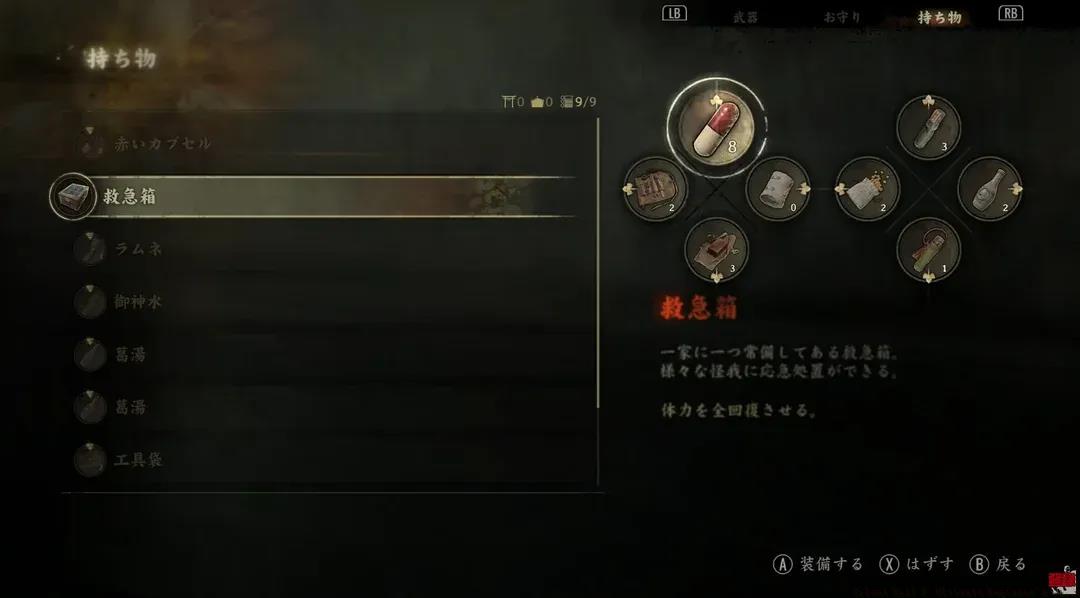
Weapon degradation represents a constant concern throughout your journey. Each melee weapon possesses limited durability that diminishes with every strike landed. Monitor your equipment condition regularly and always carry backup options for emergency situations. Blunt instruments typically outlast sharp weapons but deal less damage per hit, creating meaningful trade-offs in your loadout decisions.

Healing items should be conserved for genuine emergencies rather than minor injuries. The game’s health regeneration system allows partial recovery when avoiding damage for extended periods, reducing the necessity for immediate medical attention after every encounter. Prioritize using bandages for severe injuries while allowing natural healing to address superficial wounds.
Ammunition conservation remains critical for firearm effectiveness. Unlike melee combat, guns provide limited offensive options but can save you from otherwise hopeless situations. Reserve bullets for boss encounters or when surrounded by multiple enemies where melee combat becomes impractical. Headshots deliver significantly increased damage, making precise aiming more resource-efficient.
Ebisugaoka’s twisted landscape conceals essential resources, narrative clues, and alternate pathways that reward thorough investigation. The game’s environmental design encourages methodical exploration while punishing reckless progression.

Environmental navigation requires attentiveness to visual cues and audio signals. The ever-present fog limits visibility but often conceals shortcuts and hidden passages. Listen carefully for distant sounds that might indicate nearby threats or valuable resources. Many areas feature multiple access points that become available as you progress through the story.

Puzzle mechanics integrate seamlessly with the game’s psychological horror themes. Solutions often require interpreting environmental storytelling elements rather than applying straightforward logic. Document unusual symbols, repeated patterns, and narrative references that might provide puzzle solutions later. Some conundrums have time-sensitive components that increase tension during resolution attempts.
Hidden item locations frequently contain essential resources or narrative-expanding documents. Check behind movable objects, inside seemingly inaccessible containers, and along alternate pathways that deviate from the main route. The game rewards backtracking to previously visited locations with new items after story progression triggers environmental changes.
Beyond basic mechanics, Silent Hill f demands mastery of advanced techniques for surviving its most challenging encounters. These strategies leverage game system interactions and environmental understanding to overcome seemingly impossible situations.

Boss encounter strategies require adapting to unique attack patterns and vulnerability windows. Each major adversary possesses distinctive behaviors that demand specific countermeasures. The Ara-abare boss, for example, becomes temporarily vulnerable after completing multi-attack combinations, creating brief opportunities for significant damage dealing. Study boss animations to identify these moments rather than attacking continuously.

Stamina management proves crucial during extended encounters. Your endurance meter depletes with each dodge, sprint, and attack, leaving you vulnerable when exhausted. Develop attack rhythms that incorporate recovery periods between assaults. Perfect dodges become essential for maintaining stamina during prolonged fights since they replenish rather than consume your endurance reserves.

Environmental awareness can provide tactical advantages during combat scenarios. Many areas contain destructible elements that can temporarily stagger enemies or create barriers. Lighting conditions affect visibility for both you and adversaries, with darker areas providing concealment opportunities. Some environments feature interactive elements that can be leveraged against particular enemy types.
Action Checklist
- Practice counterattacks against early-game mannequins for 10 minutes
- Master perfect dodging timing with 5 consecutive successful evasions
- Create inventory management system prioritizing healing and backup weapons
- Thoroughly explore three areas for hidden resources before progressing
- Develop stamina conservation rhythm during combat encounters
No reproduction without permission:Tsp Game Club » Silent Hill f: Ultimate Beginner’s Guide Master Silent Hill f combat, resource management, and survival strategies for 1960s Japan horror