
Master Splitgate 2’s revolutionary portal-based Battle Royale with expert strategies and biome tactics
Revolutionary Battle Royale Mechanics
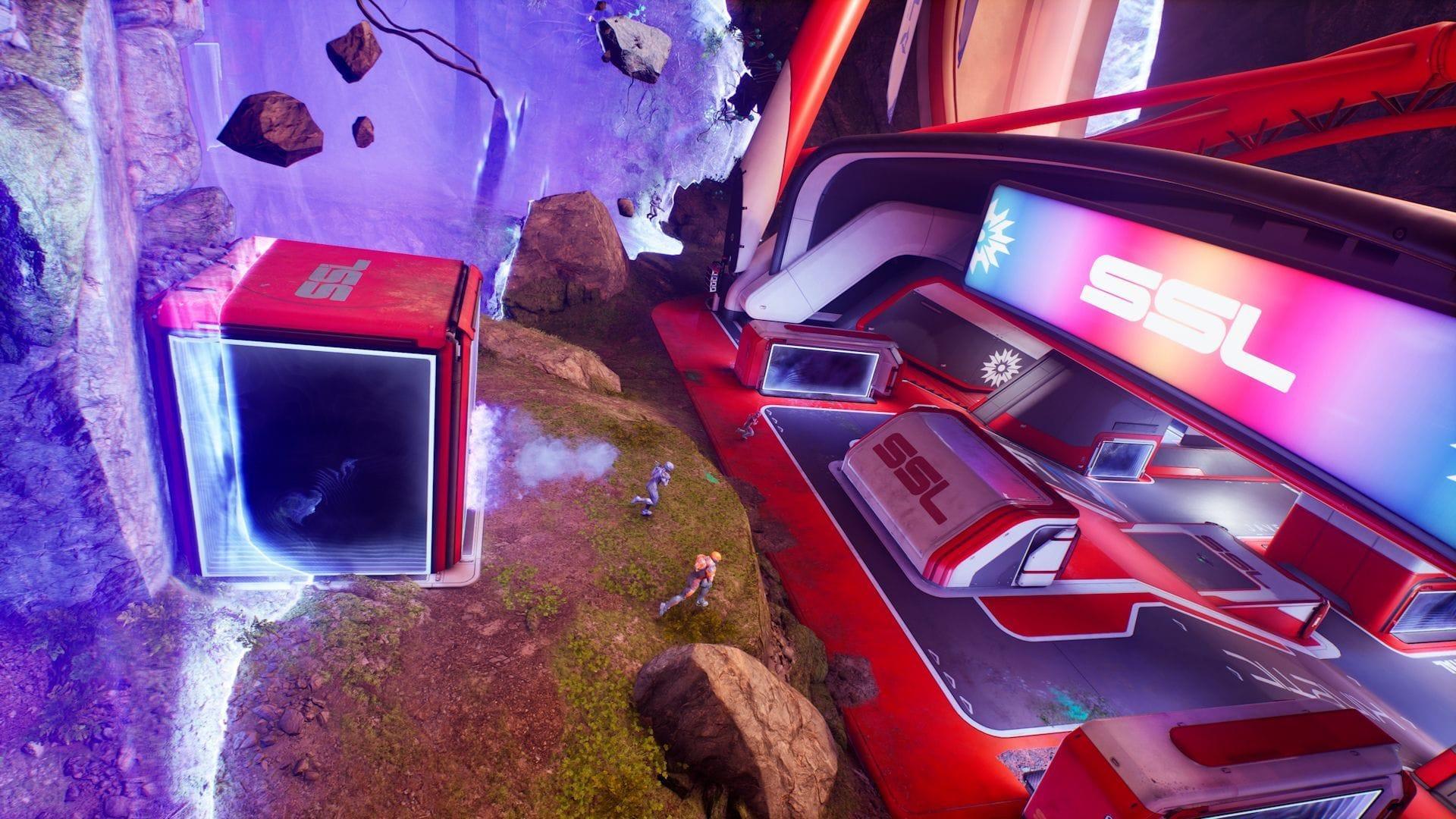
Following extensive anticipation and community speculation, 1047 Games has officially unveiled the groundbreaking Battle Royale integration within Splitgate 2. This isn’t merely another battle royale clone – it represents a fundamental evolution of the genre through revolutionary portal mechanics. Unlike conventional BR titles that confine players to a single contracting battlefield, Splitgate: Battle Royale introduces dimensional warfare across five interconnected environmental zones. Squads of four competitors must navigate between these distinct biomes using massive inter-world portals while strategically outmaneuvering 14 opposing teams.
The core innovation lies in the multi-biome portal system that replaces traditional circle mechanics. Each match begins with all five biomes accessible, but as the confrontation progresses, World Portals systematically deactivate, creating natural convergence points and forcing tactical engagements. This dynamic environment demands constant strategic adaptation rather than simple positional rotation.
Looking for Crossword hints & solutions? Check out latest NYT Mini Crossword Answers, LA Times Crossword Answers, and Atlantic Crossword Answers
Biome Breakdown and Strategic Advantages
Each combat zone offers distinct environmental characteristics and tactical opportunities that demand specialized approaches:
Strategic biome rotation timing separates novice players from veterans. Early game priorities should focus on loot-rich zones like Sanctum, while mid-game requires calculated portal jumps before biome closures. Advanced teams often leave one member in a closing biome to gather final resources while others secure the next position.
You have to keep in mind that these biomes don’t stay open forever. As the match goes on and the ring shrinks, World Portals start shutting down, forcing everyone toward Sanctum.
Read more: How to unlock Beta Survivor Pack in Splitgate 2 for free
Advanced Gameplay Systems
When you land, you start with just a pistol. From there, it’s a mad scramble to loot chests, grab airdrops, and pick up gear from fallen enemies’ Player Pods.
But this isn’t just about finding guns and armor. There’s more going on under the hood:
The economic system introduces strategic depth beyond simple looting. Credits accumulate throughout the match, allowing teams to purchase specific loadouts tailored to their biome strategy. Portal Gun Upgrades exist in three tiers, with each level reducing cooldown times and increasing maximum portal distance. Advanced players prioritize these upgrades to gain mobility advantages.
Dynamic events create pivotal moments in each match. Portal EMP events neutralize portal advantages, forcing traditional FPS gameplay and rewarding positioning and aim. Drop Frenzy events provide resource opportunities but create high-risk zones as multiple teams converge on concentrated loot areas.
Pro Strategies and Common Pitfalls
One of the best features is the respawn system. If you’re taken out but your teammates survive, you can come back in after a short time. That said, if the teammate you’re spectating is in combat, you’ll have to wait a bit before you respawn. It’s a nice mix of risk-reward that keeps you on edge.
The resurrection mechanics introduce sophisticated team coordination requirements. Successful squads designate safe players for spectating during risky engagements to minimize respawn delays. Common mistakes include:
Advanced portal techniques include creating triangular portal formations for rapid position swapping and using environmental portals for unexpected angles. In Fracture biome, master vertical portal placement to dominate elevation advantages. In Glacier, use portal exits behind ice formations for ambush opportunities.
1047 Games has been clear about the battle royale not replacing anything else. Classic Arena modes like Hotzone and Firecracker, large-scale Onslaught experiences like Domination and Team Deathmatch, and the community-favorite Lab map creator are still core to the Splitgate 2 experience. The battle royale is an addition and not a replacement, and each mode will continue to receive new content, updates, and balancing.
Splitgate 2 and its new battle royale mode are available now as a free-to-play title on PC, PlayStation, and Xbox platforms.
Also read: Will Splitgate 2 Open Beta progress carry over to launch?
For more updates on Spligate 2, follow Sportskeeda:
No reproduction without permission:Tsp Game Club » Splitgate 2 battle royale: Everything we know Master Splitgate 2's revolutionary portal-based Battle Royale with expert strategies and biome tactics